Florida Senator with furious proposal after shocking Minnesota ICE incident: “The horrific situation is tragic, that cannot happen”
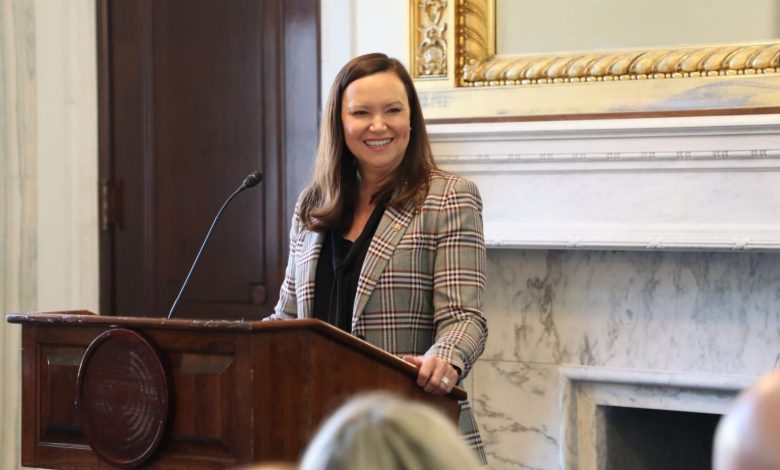
Florida – In response to a violent confrontation involving federal immigration authorities in Minnesota, U.S. Senator Ashley Moody from Florida on Thursday asked the Senate to quickly approve new laws that would make it safer for police officers in the field. Moody spoke on the Senate floor and asked for prompt action on the proposed “Halo Act.” This law would create a mandated buffer zone around federal officials while they are enforcing the law.
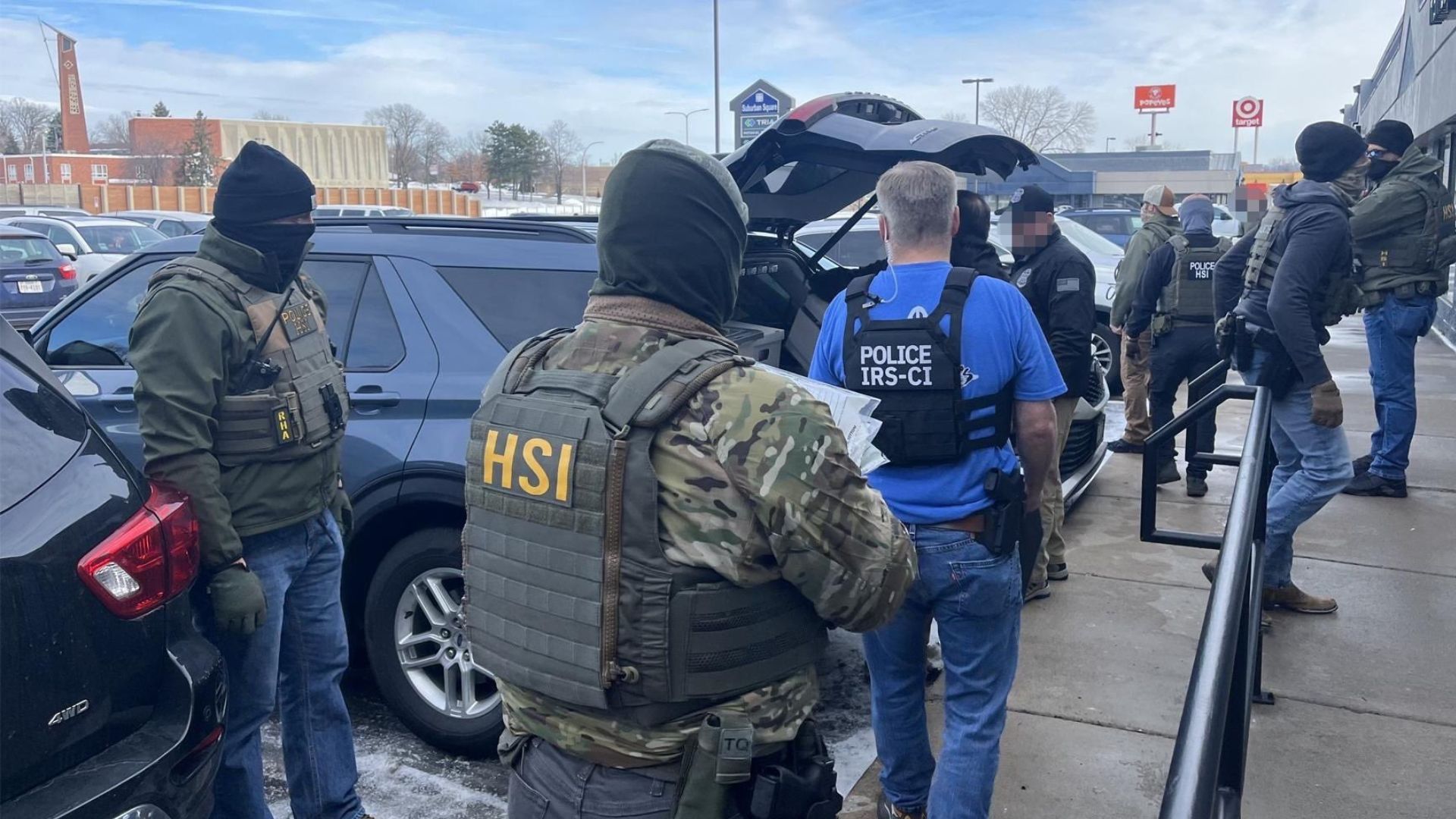
Moody’s comments came after allegations that someone tried to hit Immigration and Customs Enforcement agents with a car during a protest in Minnesota. She called the incident scary and inappropriate, saying it shows how dangerous it is become for officers to do their jobs.
She said that data from the Department of Homeland Security shows that attacks on ICE officers have gone up by more than 1,300% in recent years, while documented death threats against ICE workers have gone up by 8,000%.
“The horrific situation that occurred yesterday in Minnesota is tragic,” Moody told her colleagues, referencing reports that a protester attempted to strike agents with a vehicle, TFP reported. “A radical protestor intending to run over federal immigration officers with a car, that cannot happen.”
The Halo Act is based on Florida’s current state law that makes a safe area around police officers. If passed, the measure would change Title 18 of the U.S. Code to make it a criminal to interfere with immigration enforcement actions. A 25-foot buffer zone around federal agents who are doing their jobs is the main part of the idea.
People who willfully stay within that perimeter after being told to step aside verbally could face criminal charges if they are trying to interfere with enforcement activities, threaten officers with physical harm, or harass them. The measure says that people who break the law will face harsh punishments, including as large fines and prison sentences of up to five years.
Moody said that the rules we have now aren’t strong enough to stop people from becoming abusive toward federal officials, especially during stressful protests or enforcement efforts. She said that the Minnesota episode was part of a larger pattern of organized efforts to make it harder for police to do their jobs, not just a one-time thing.
Moody said that authorities are always on the edge between order and disorder, based on her own experiences with law enforcement through her spouse. She highlighted that people who chose to do these tasks should have clear legal rights that let them do their duties without being afraid of violence or intimidation.
The measure also gives a clear definition of harassment: behavior that has no legal purpose and purposefully causes a lot of emotional pain to an officer. With Law Enforcement Appreciation Day coming up, Moody told her coworkers to endorse and co-sponsor the Halo Act. She said that Congress needs to make it plain that attacks on federal officers would not be allowed.
She ended by saying that violence against police might keep getting worse if no one takes action, which would put both cops and the public at danger.
New Florida proposal to crack down on illegal immigration
A sweeping immigration bill filed in the Florida Senate would significantly increase penalties for companies that knowingly hire undocumented workers, shifting enforcement pressure squarely onto employers. Introduced by Republican Sen. Jonathan Martin, the 34-page proposal would allow criminal charges, permanent loss of business licenses, and steep fines for companies found to have knowingly employed more than 50 undocumented immigrants.
The bill builds on Florida’s recent immigration actions, including ending in-state tuition for undocumented students, requiring county cooperation with federal immigration authorities, and operating the nation’s only state-run migrant detention center.
The legislation also expands employer liability beyond hiring practices. Businesses that fail to properly verify worker status through E-Verify could face fines up to $250,000, year-long license suspensions, or permanent shutdowns for repeat violations. Employers could also be held financially and legally responsible if an undocumented worker they hired causes injury or death, with penalties reaching $500,000 and permanent license revocation.
Beyond employment, the proposal tightens rules on vehicle accidents, banking, licensing, and insurance involving undocumented individuals, while restricting certain financial transactions and requiring state licensing processes to be conducted only in English. Lawmakers are set to take up the proposal when the legislative session begins on Jan. 13.