
Florida bill now one signature away from branding groups as “terrorists”, universities could expel students for “promoting” them
Florida – Florida lawmakers have moved forward with a controversial proposal that would allow the state to formally label certain groups as “domestic terrorist organizations,” sending the measure to the desk of Governor Ron DeSantis after days of heated debate inside the Capitol.
The legislation, known as HB 1471, cleared its final hurdle in the Republican-controlled Florida House on Thursday, passing with an 80–25 vote.
The Senate had already approved the measure the week before in a 25–11 vote, adding language aimed at regulating how universities handle students who appear to support organizations placed on the state’s terrorist list.
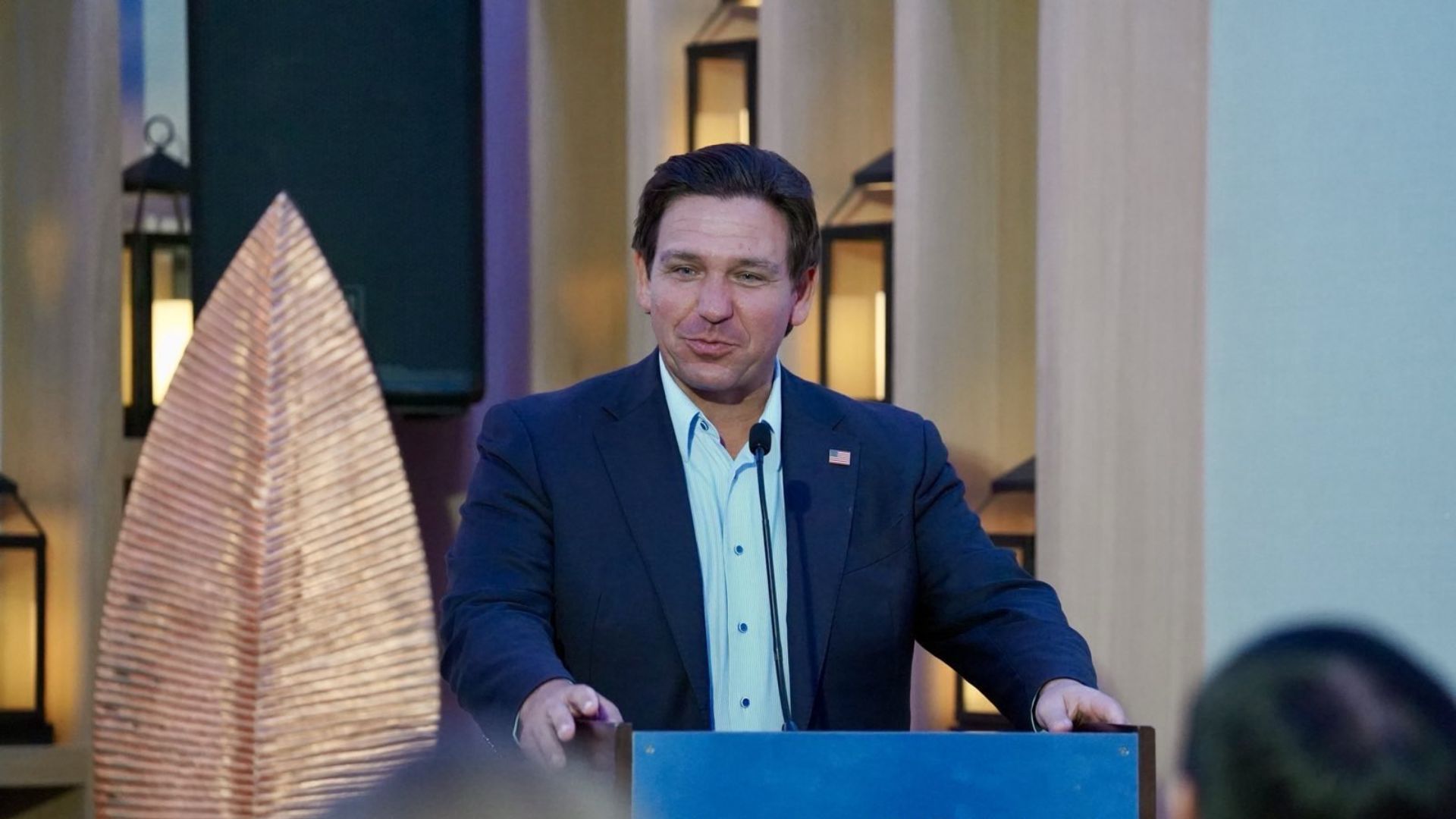
With both chambers signing off, the bill now awaits action from DeSantis.
Supporters say the measure provides Florida with a clearer legal framework to respond to groups that authorities believe pose a threat to public safety.
The proposal reinforces an executive order issued by DeSantis in December that identified two Islamic organizations as terrorist entities, a move that immediately drew national attention and legal challenges.

Under the legislation, the authority to designate a group as a domestic or foreign terrorist organization would fall to the state’s Chief of Domestic Security, a role currently held by Florida Department of Law Enforcement Commissioner Mark Glass. Any designation would then require approval from the Governor and the Cabinet before taking effect.
The bill also introduces several restrictions tied to organizations that receive such a label. Educational institutions connected to designated groups would become ineligible for funding through Florida’s K–12 scholarship programs.
In addition, public colleges and universities would be barred from using state or federal funds to support programs or campus activities that promote those organizations.
One of the most debated provisions focuses on university campuses. During Senate deliberations, lawmakers amended the bill to establish standards for when students could face disciplinary action or expulsion for promoting a designated group.
Supporters argued that the change was necessary to prevent misunderstandings and to clarify that speech alone would not trigger punishment.
Rep. Hillary Cassel, a Republican, and the bill’s sponsor in the House, defended the proposal during floor debate, arguing that critics were misrepresenting its intent. She maintained that the legislation targets conduct tied to violence rather than protected speech.
“The bill specifies that ‘promote’ is not just speech alone,” Cassel said, explaining that the language requires statements or actions that support or encourage violence, disrupt the learning environment, infringe on others’ rights, or provide material support or recruitment for the organization.
Still, opposition from Democratic lawmakers remained strong throughout the debate. Critics warned the proposal could open the door to government overreach and threaten constitutional protections, particularly on college campuses.
Rep. Angie Nixon argued that the legislation risks being used as a political tool rather than a safeguard against violence. She described the proposal as a form of repression that could suppress dissenting voices.
Other lawmakers raised concerns about the broader implications of allowing the state to designate organizations without a traditional judicial process. Rep. Robin Bartleman, a Democrat, cautioned that once such authority exists, it could eventually be applied to groups across the political spectrum.
House Minority Leader Fentrice Driskell echoed those concerns, saying she fears young people could face consequences simply for expressing controversial viewpoints while exercising their First Amendment rights.
Civil liberties advocates outside the Legislature have voiced similar warnings. The ACLU of Florida has described the measure as a significant threat to constitutional protections, arguing that it could undermine freedoms of speech, association, and belief.
The debate surrounding the bill intensified further after a recent federal court decision involving DeSantis’ earlier executive order. U.S. District Judge Mark Walker issued a preliminary injunction against the order, concluding that it violated the rights of the Council on American-Islamic Relations, known as CAIR.
In his ruling, Walker wrote that the First Amendment prevents government officials from using public office to make political statements that target specific organizations and threaten those who support them.
As the bill now awaits the governor’s decision, Florida finds itself at the center of a widening national conversation about security, civil liberties, and where the line between them should be drawn.


