Not so known small Florida towns that feel like stepping back in time
Florida – The first clue is usually the trees. An old live oak stretches its branches across the road, Spanish moss hangs in the afternoon light, and the next block has more antique shops than traffic signals.
Somewhere behind a weathered storefront, somebody is making coffee. Nobody seems particularly concerned with getting you through town in a hurry.
Florida has an entirely different personality when you leave the expressways and beaches that dominate the postcards. In one town, Victorian homes circle a spring-fed lake.
In another, paintings cover the walls of downtown buildings. Farther south, antique dealers turn an ordinary Saturday into a treasure hunt, while a Gulf Coast community still celebrates the sponge divers who changed its history.
1. Micanopy
Micanopy is the sort of place that makes you lower the car window before you have even found somewhere to park. Huge oak branches stretch over Cholokka Boulevard, casting shade across old storefronts. A walk down the street can feel less like sightseeing and more like stepping into a particularly quiet chapter of Florida history.
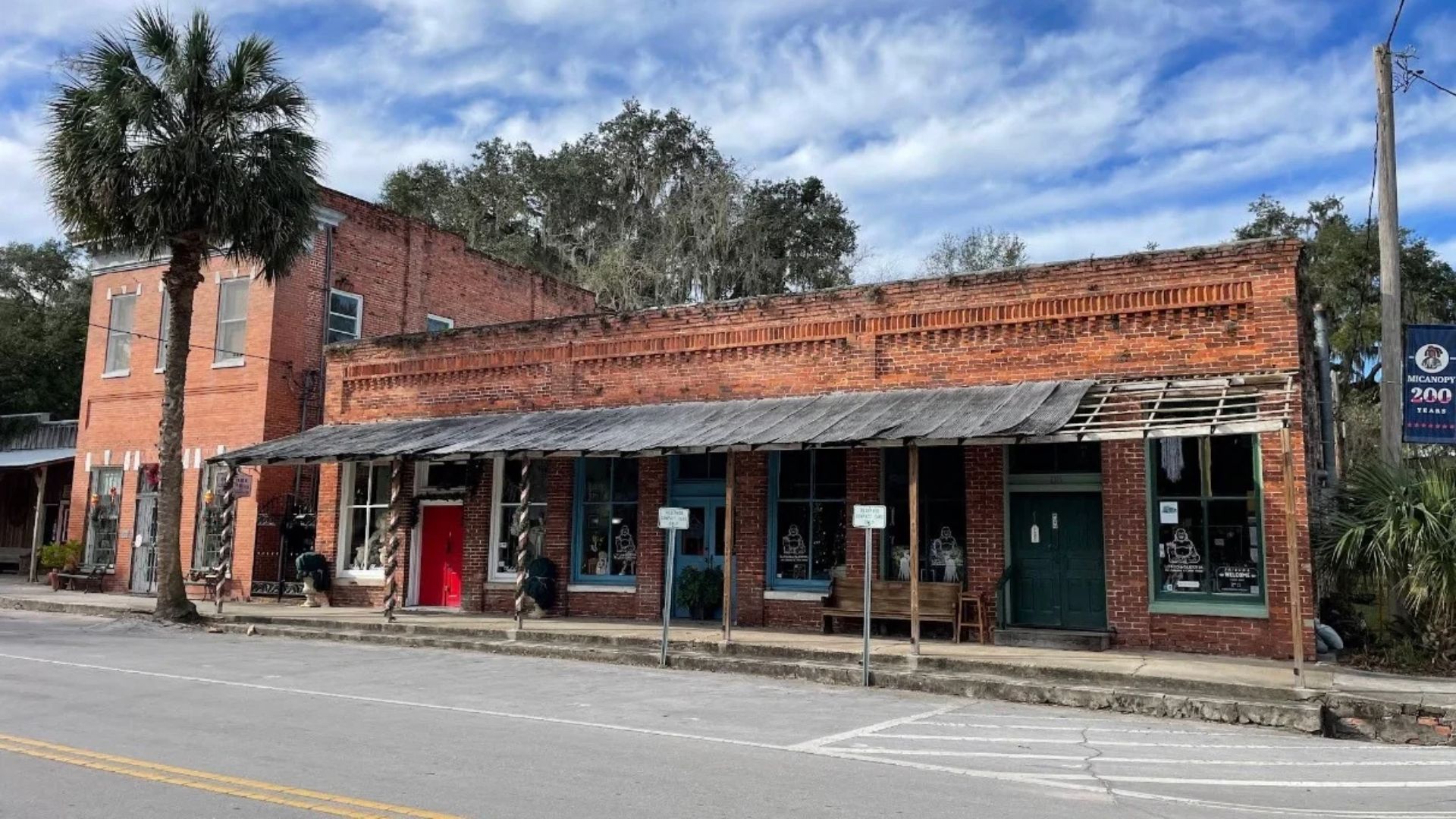
The town is just south of Gainesville, but the atmosphere is wonderfully different. Instead of busy multilane roads, the historic center offers antiques, small shops and places where sitting on a porch seems like a perfectly respectable afternoon plan.
Florida’s tourism agency describes Micanopy as a community of fewer than 1,000 residents, with a history stretching back roughly two centuries.
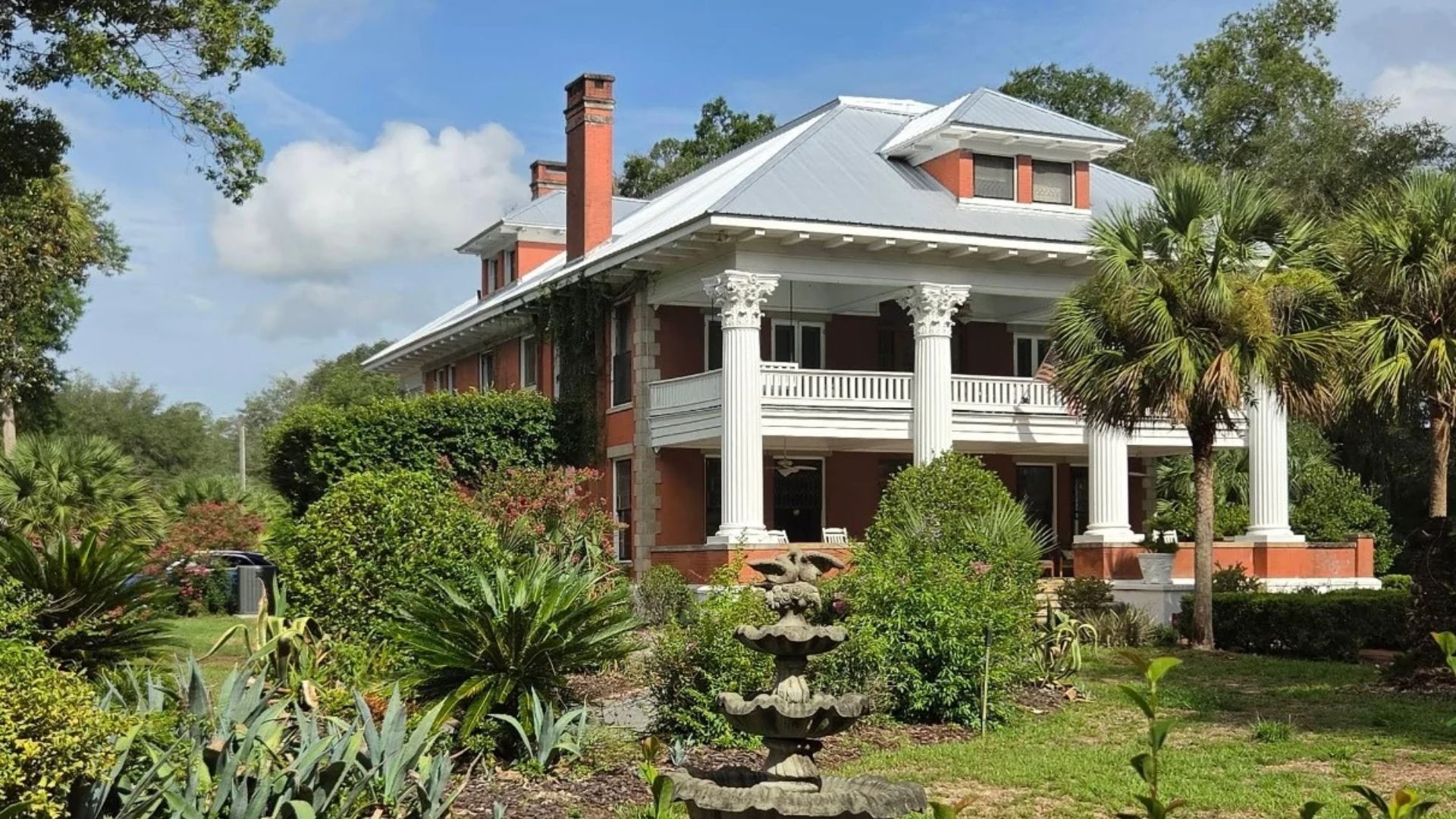
The signature activity is an antique-shop wander. You can go into a store looking for an old map or a decorative bowl and come out interested in something you didn’t even know existed. The fun lies in browsing rather than finding a particular bargain.
For a food stop, Coffee N’ Cream at 201 NE Cholokka Boulevard serves sandwiches, coffee and sweets. Its published schedule lists 9 a.m. to 5 p.m. on most days, with Wednesday closed.
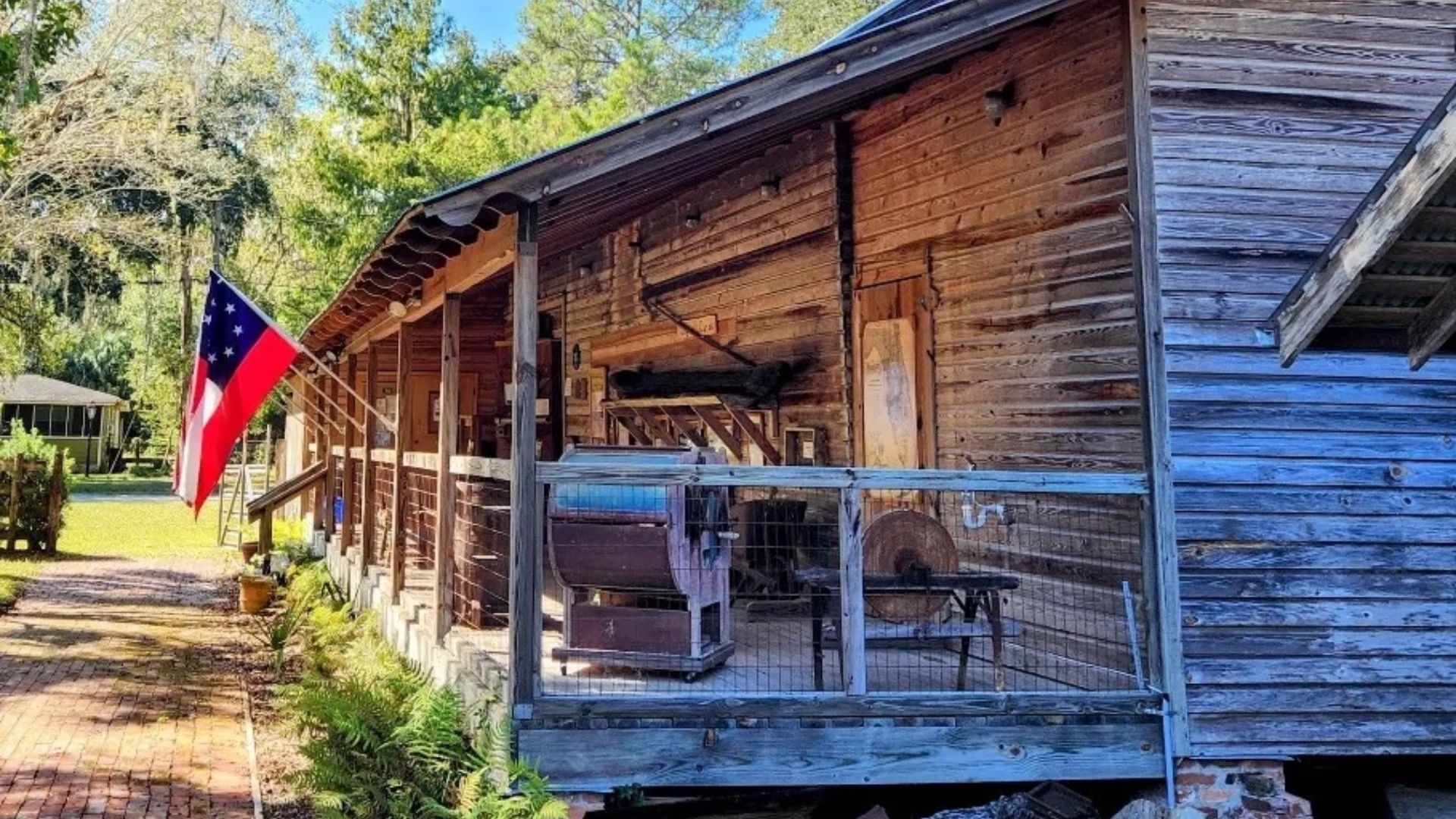
That makes it a good place for a midday break, but not somewhere to leave until late evening.
The outdoor excursion is Paynes Prairie Preserve State Park, just outside town. Its grasslands, wetlands and viewing areas offer the chance to see wildlife, including wild horses and bison.
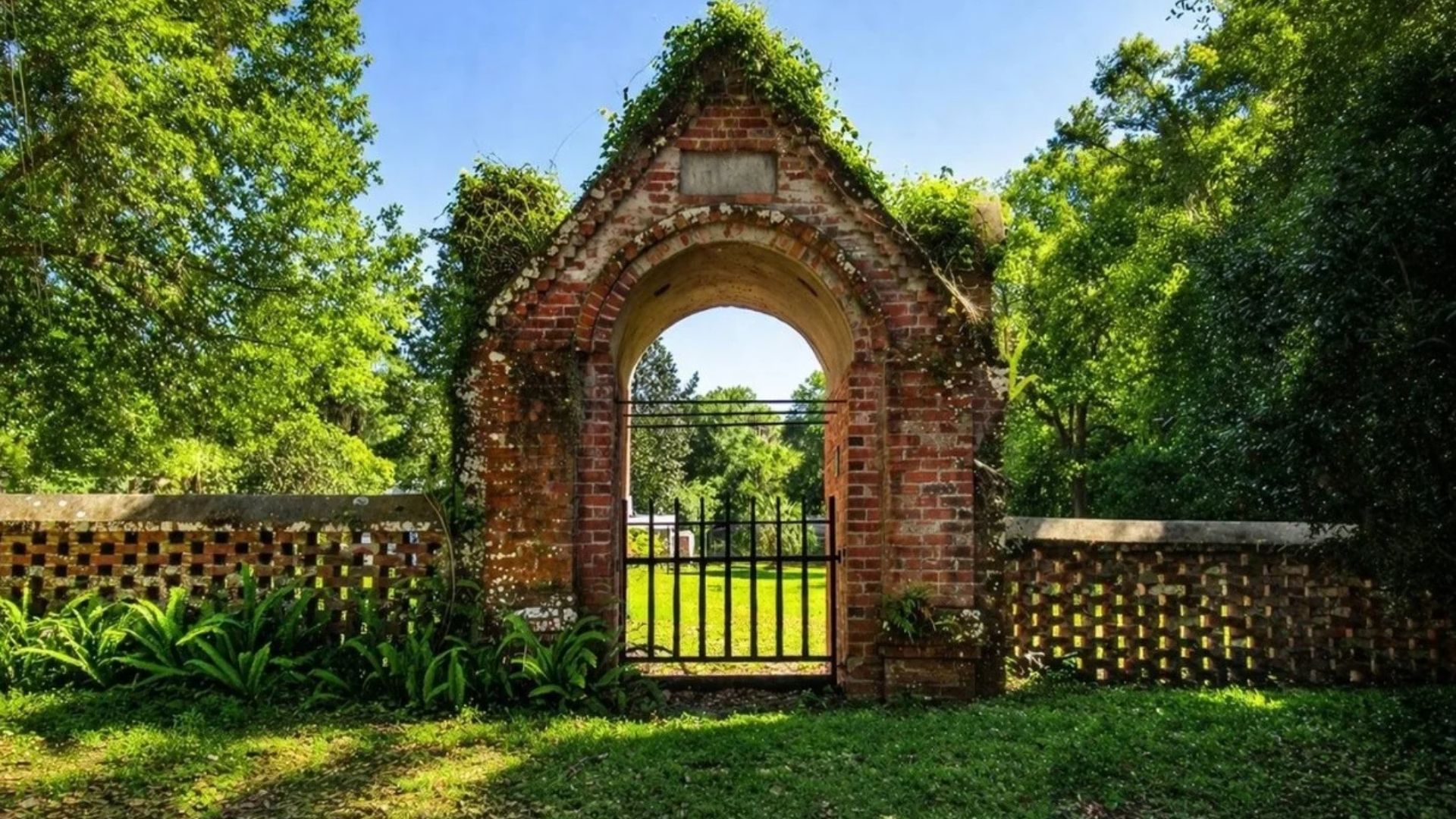
Such sightings aren’t guaranteed, and the animals should always be observed at a safe distance.
2. Fernandina Beach
Not every town that feels old-fashioned is surrounded by countryside. Fernandina Beach proves you can find historic charm beside a lively harbor, with salty air and boats close enough to remind you that the past here involved serious maritime work.
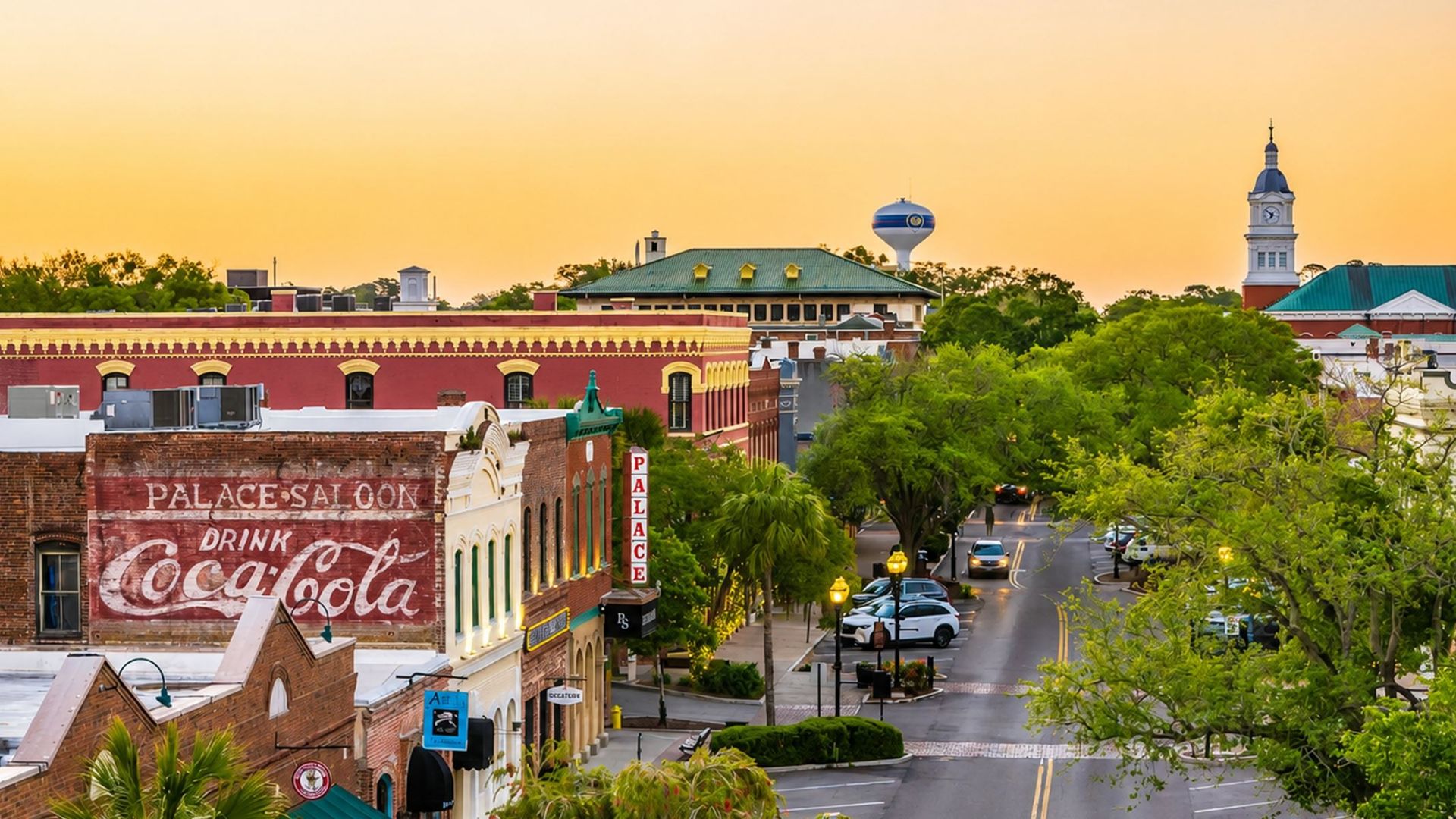
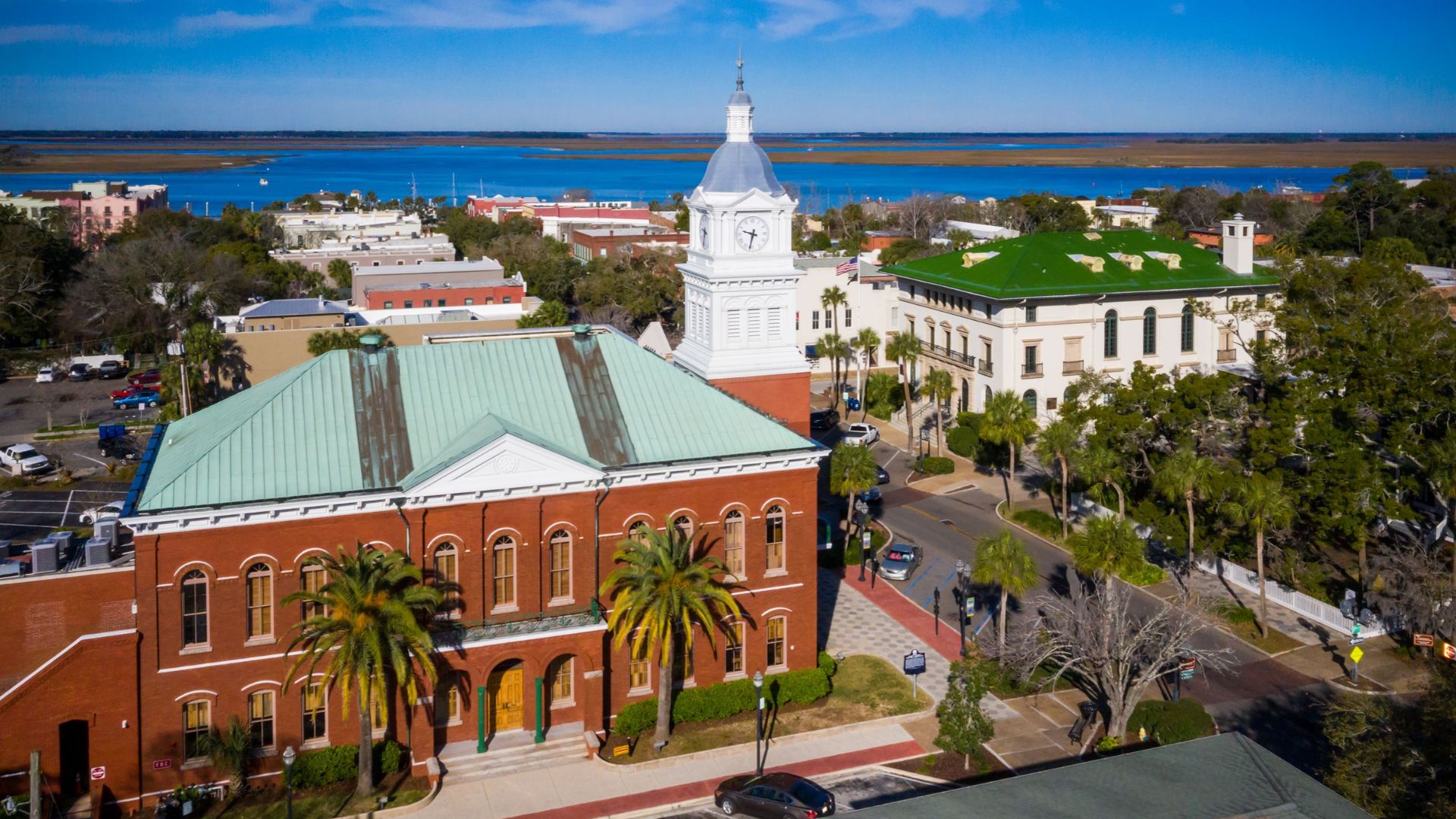
Located on Amelia Island in northeast Florida, the town has a remarkable historic district. The roughly 50-block downtown area contains Victorian-era architecture, brick storefronts and streets that are easy to explore on foot. Centre Street leads toward the waterfront, where a visit can end with views across the Amelia River.
The best first activity is simply walking through the historic district. Notice the buildings instead of treating them as scenery behind the shops.
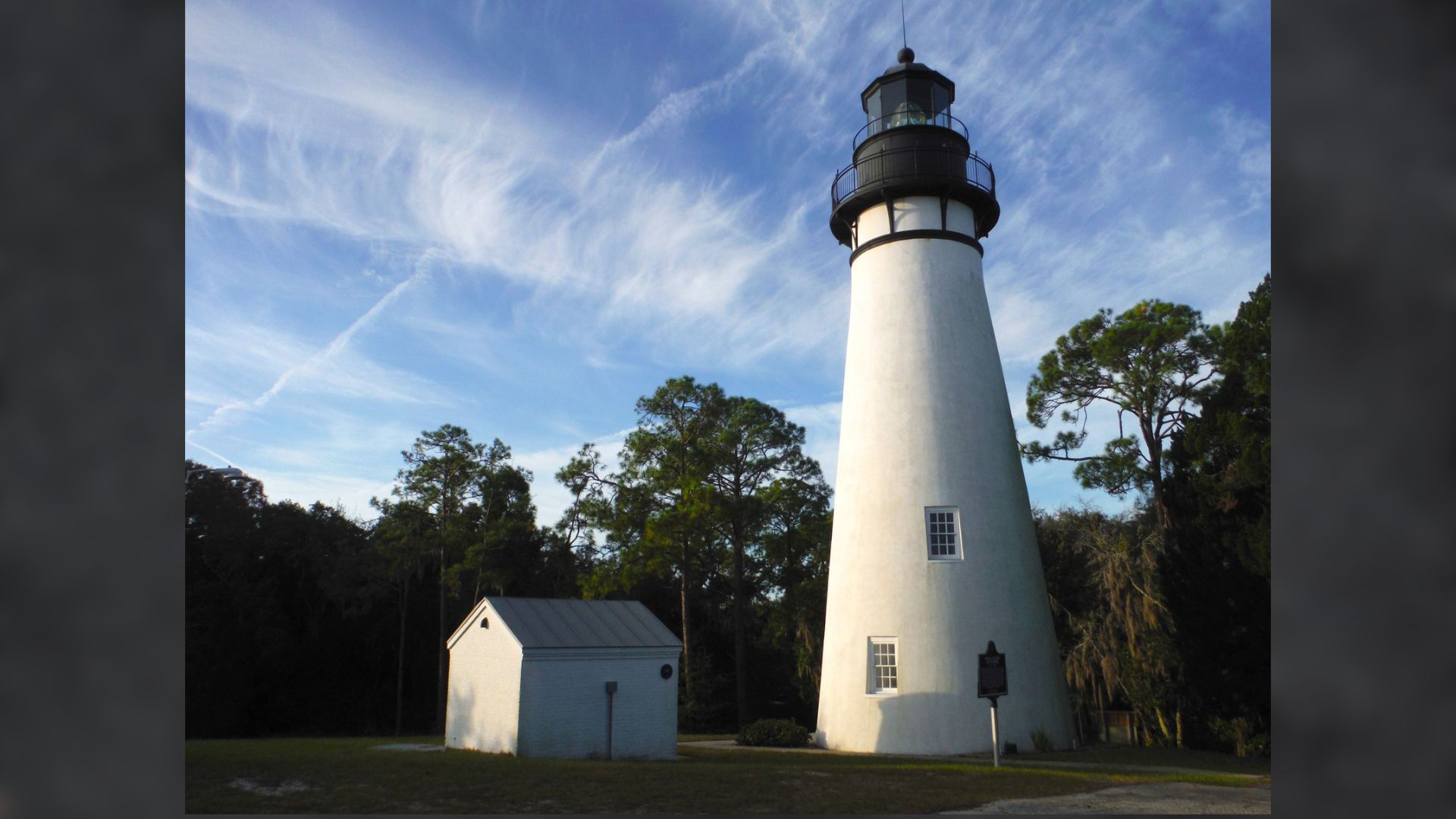
Some reveal the island’s long history as a port, commercial center and community shaped by changing flags and generations of residents.
For lunch, Timoti’s Seafood Shak makes a cheerful, casual choice. Its Fernandina Beach restaurant is at 21 North Third Street, a block from the main shopping stretch.
The business advertises wild-caught seafood, including shrimp baskets, fish dishes and tacos, and has an outdoor area suited to families.
Then drive north to Fort Clinch State Park.
The nineteenth-century fort overlooks waters near the entrance to the St. Marys River, and the park also offers beaches, natural habitat and wooded trails. You can combine a history visit with a quiet shoreline walk, something few inland historic towns can offer.
3. DeFuniak Springs
Drive into DeFuniak Springs and you may wonder why more towns aren’t arranged around a lake like this one. Water sits at the center, historic houses form part of the surrounding scene, and a walk beneath mature trees can feel surprisingly far from the modern highway.
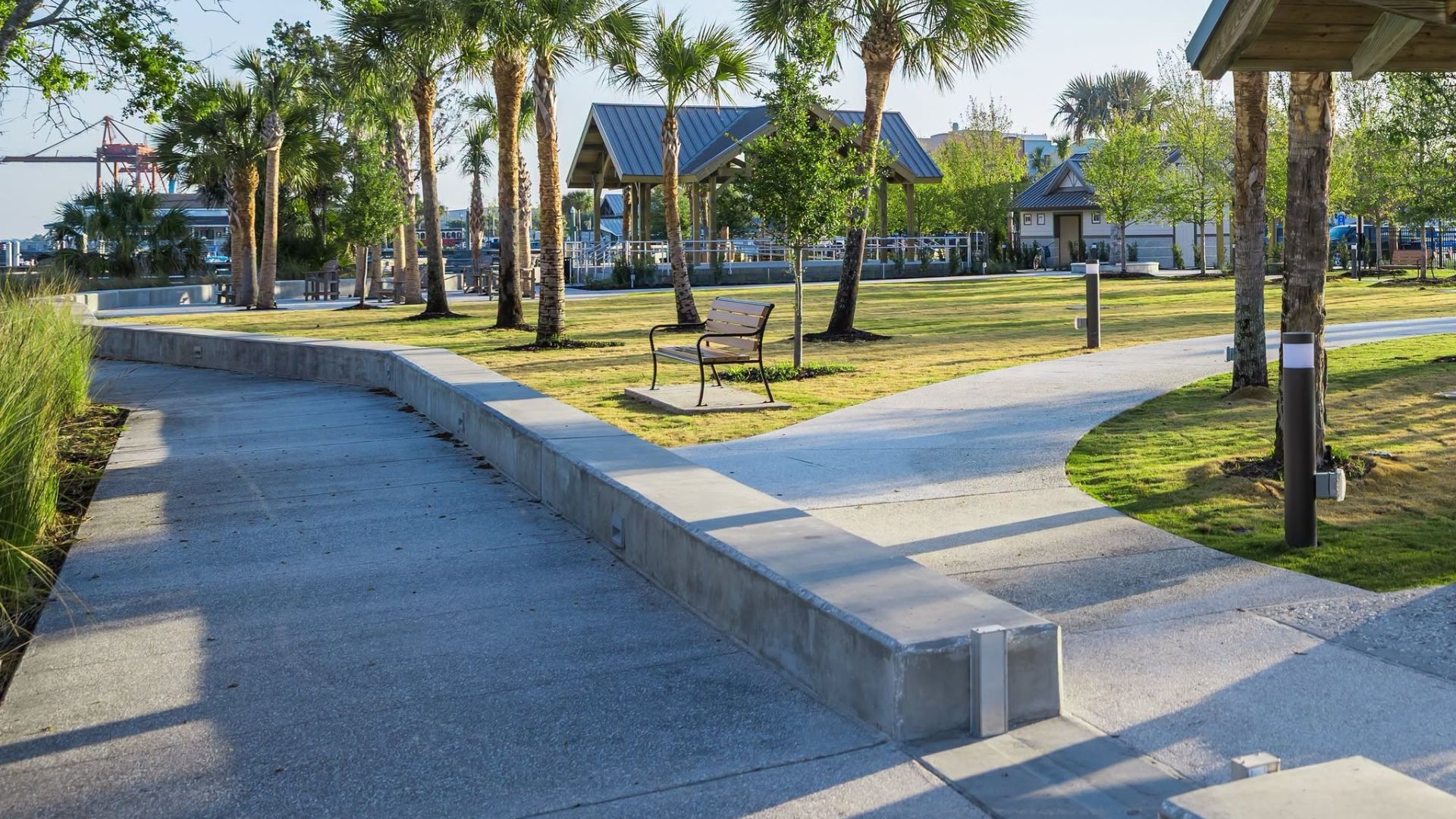
The town’s signature feature is Lake DeFuniak, a naturally spring-fed body of water celebrated for its almost circular shape. The city maintains Chipley Park around it, with walking paths and space to enjoy the setting. Its official park information lists a 1.25-mile accessible sidewalk circuit along Circle Drive and a shorter path near the lake itself, though high water can affect the lower route.
In the late nineteenth century, DeFuniak Springs became a winter gathering place for the Florida Chautauqua Assembly, an educational and cultural program that brought visitors for lectures, performances and other activities. The city’s walking-tour materials describe a former resort campus that opened in 1885 and left a remarkable architectural legacy.
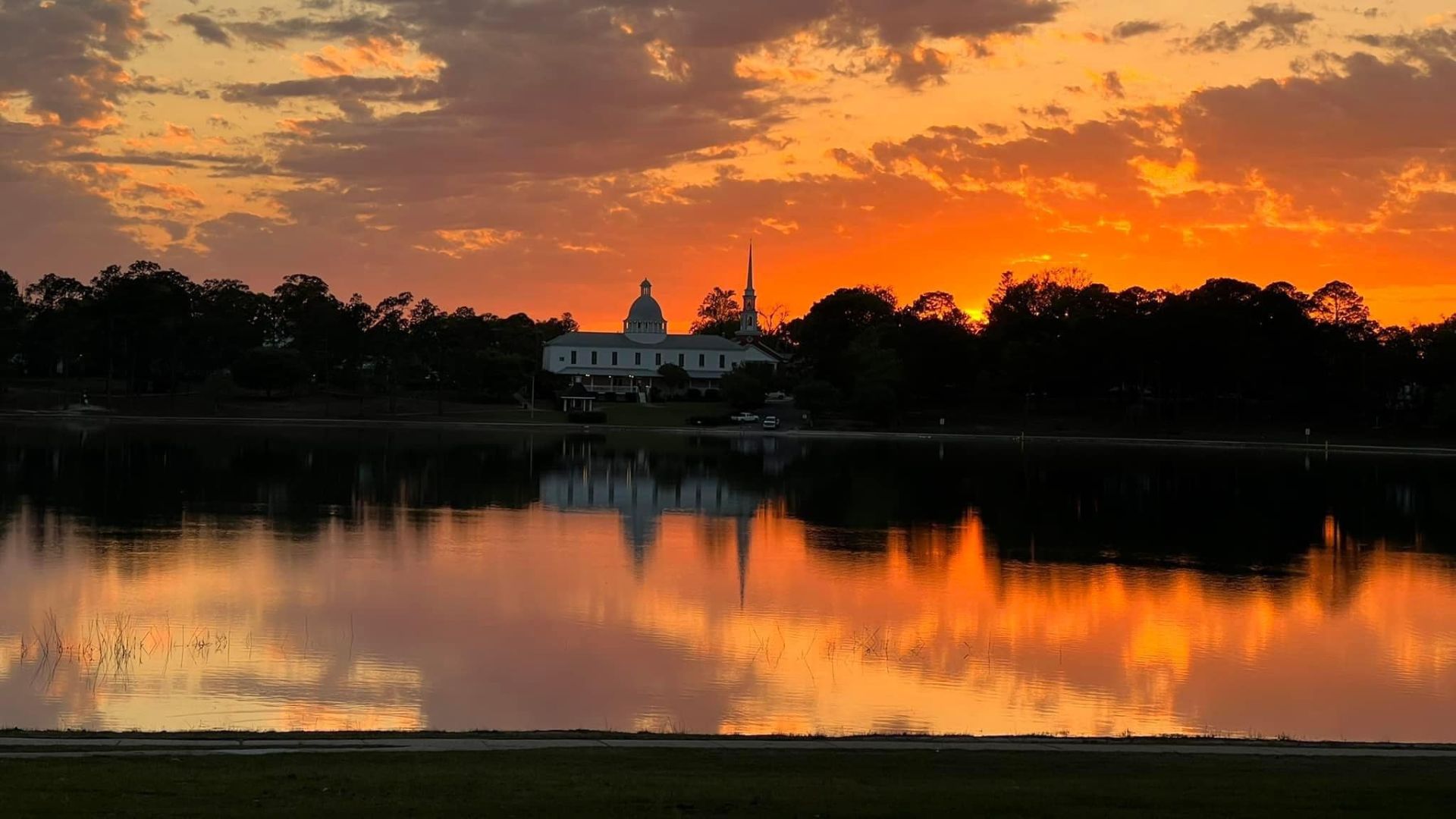
The Chautauqua Hall of Brotherhood is one of the most interesting landmarks. The hall was opened in 1909, but part of the historic structure was destroyed by Hurricane Eloise in 1975. Visitors today see surviving portions of the building, rather than the complete auditorium that once drew large audiences.
For food, downtown’s Baldwin Avenue offers independently operated choices. Main Street DeFuniak Springs lists Iron & Grape Italian Kitchen at 660 Baldwin Avenue and Perla Baking Co. at 766 Baldwin Avenue, making it possible to work a meal or pastry stop into the historic walk.
The park is a good place to finish the afternoon. Don’t assume the lake is open for swimming year-round: the city lists designated swimming dates from March through September and publishes water-testing information. Walking, admiring the buildings and watching birds are much easier activities to plan during winter.
4. Lake Placid
Most historic towns ask visitors to find their stories in a museum. Lake Placid makes them impossible to miss. Paintings cover the sides of buildings, and an ordinary walk becomes a kind of outdoor gallery where the town itself provides the frames.
Located in Highlands County in Central Florida, Lake Placid proudly calls itself the Town of Murals. The Lake Placid Mural Society began in 1992, and the group’s official guide now describes more than 47 large works. Some include sound features or hidden details, encouraging visitors to do more than glance at a wall before moving on.
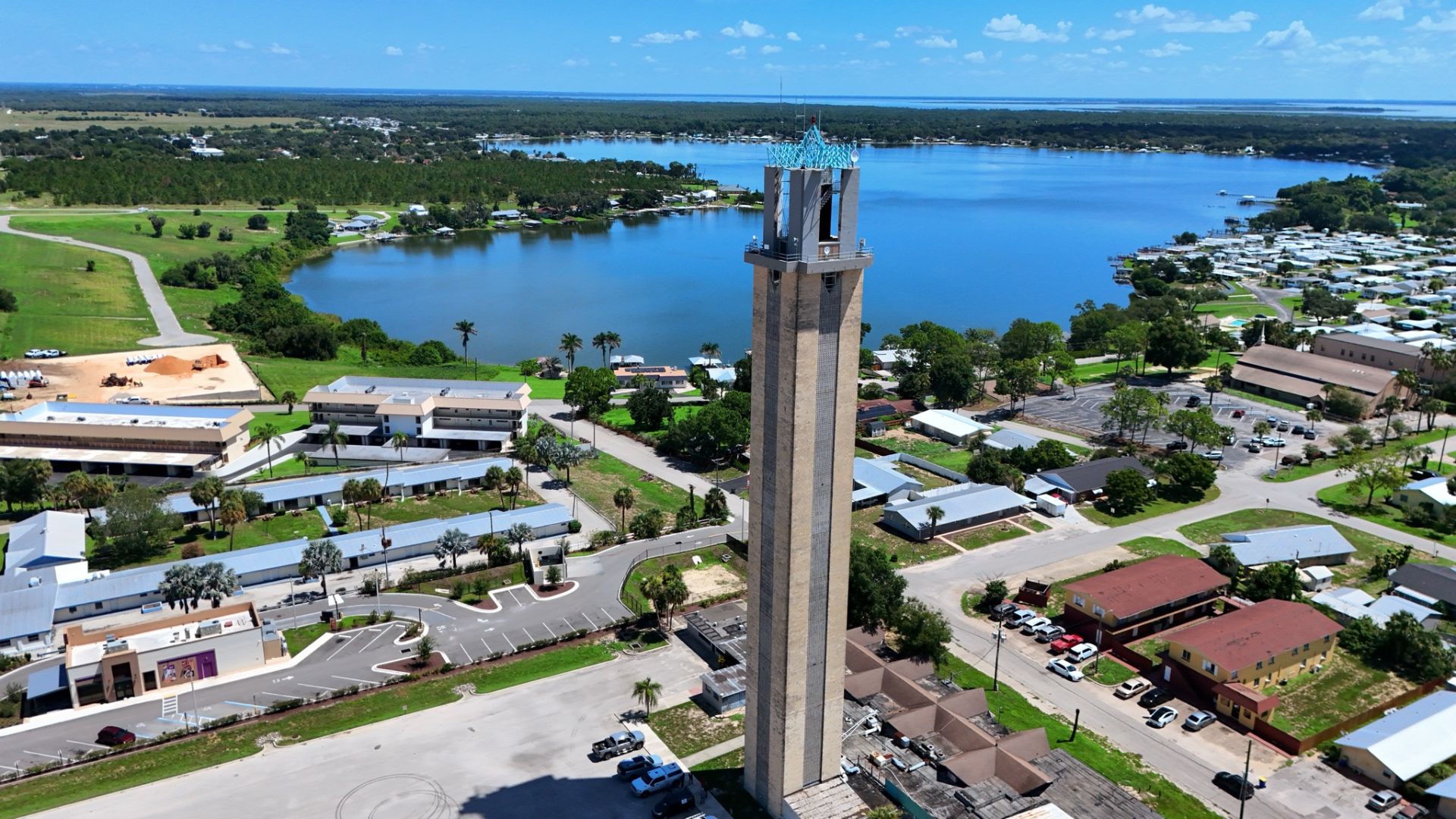
That makes the mural walk the signature activity. Start downtown, pick up a self-guided brochure or map, and look for the stories behind the pictures. The society lists its mural tour book for sale through local visitor outlets, with a small charge. It’s a good purchase if you want to understand what you’re seeing rather than just collect photographs.
For a meal, Morty & Edna’s at 231 North Main Avenue offers a fitting neighborhood-café atmosphere. The owners’ website describes their enthusiasm for scratch-made comfort food and a restaurant that became theirs after they discovered the community while visiting family. Published hours include breakfast and lunch during the week and some evening service on Friday and Saturday; check the current schedule if dinner is the plan.
The outdoor choice is Lake June-in-Winter Scrub Preserve State Park, about ten minutes west of town. Don’t let the name fool you: it isn’t a landscaped lakeside promenade. It protects rare Florida scrub habitat, with sandy walking routes, a short nature trail and opportunities to look for birds such as the Florida scrub-jay.
The park’s posted hours are 8 a.m. to sunset, with a $2-per-vehicle fee requiring exact change. Bring drinking water and sun protection; the open sandy habitat can feel much hotter than a shaded downtown street.
5. Arcadia
Arcadia does not make visitors work particularly hard to find its personality. Antique shops cluster around the historic downtown, and the storefronts invite a kind of browsing that makes people lose track of time.
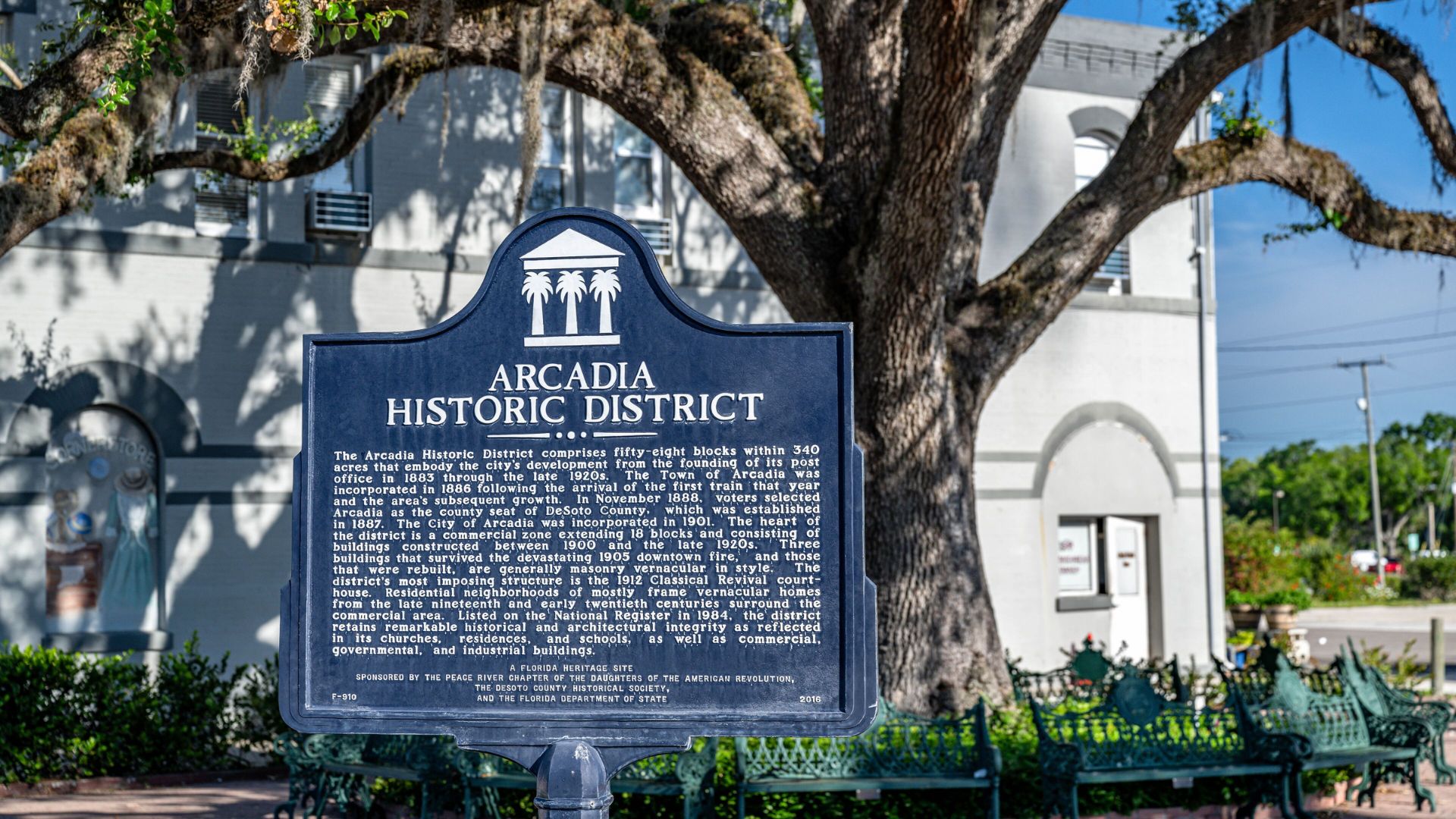
The city is the county seat of DeSoto County, set inland at the meeting of major routes including U.S. 17 and State Road 70. Its brick-lined downtown contains historic commercial buildings, shops and small places to eat. But the real event for collectors is the monthly antique fair.
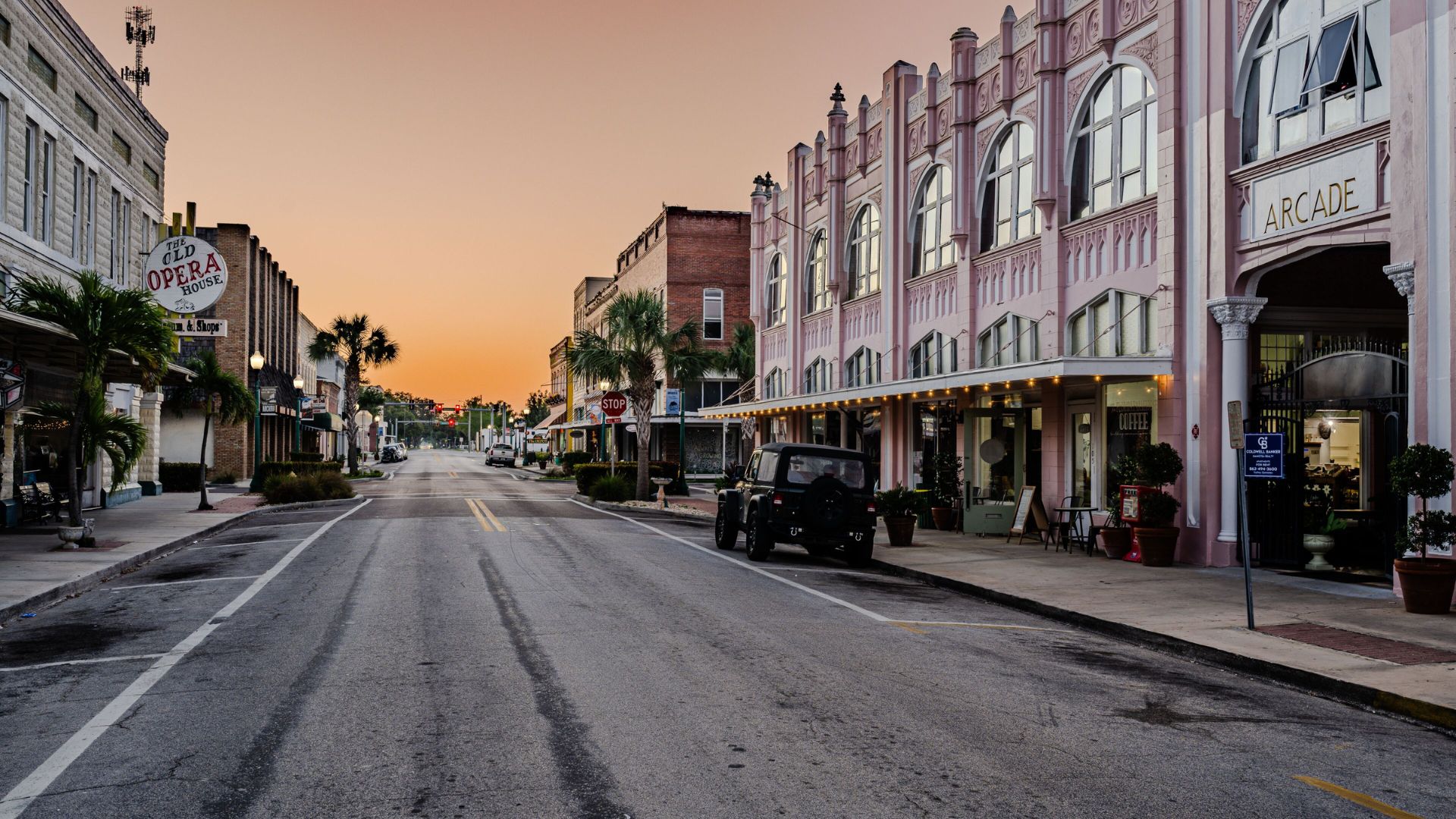
On the fourth Saturday of most months, vendors gather along and around West Oak Street. The city promotes the fair as one of Arcadia’s principal attractions, and the local tourism organization describes more than a hundred dealers during busy periods. The number varies with season and participation, so don’t expect an identical street market every month.
For lunch, the historic downtown has restaurants tucked between shops. A good strategy is to choose somewhere on or near Oak Street instead of driving across town mid-visit. Visit DeSoto lists Broken Spur Diner among local choices, but its 2026 move means you should verify its current address and reopening status rather than follow an older listing blindly.
The outdoor attraction lies along the Peace River, where paddling and nature trips offer a contrast to the town’s shelves of antiques. River conditions vary, and outfitters can advise on suitable routes, water levels and launch logistics. This is not a place to improvise an unfamiliar river trip without checking conditions.
6. Dunedin
Dunedin is not a tiny village. It has tens of thousands of residents and an active downtown, but parts of it still offer the atmosphere of a coastal town where you can park once and spend the afternoon walking.
The city sits north of Clearwater on Florida’s Gulf Coast. Its Scottish heritage is more than a clever marketing theme. City history traces the name Dunedin to a Scottish-derived form of Edinburgh, adopted in the nineteenth century. Cultural celebrations, street names and local traditions continue to reflect that connection.
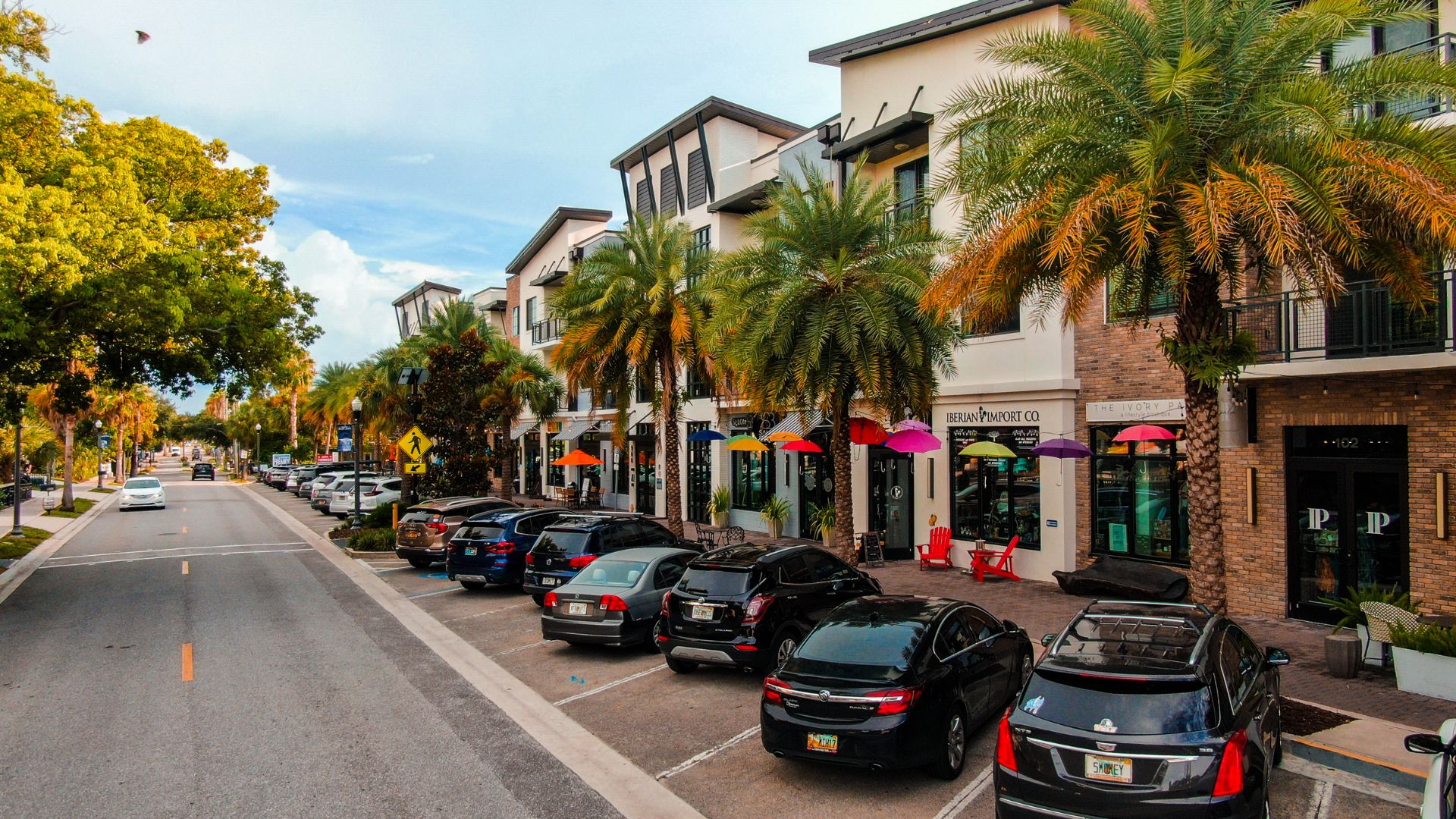
The signature way to explore is a walk along Main Street, perhaps with a detour onto the Fred Marquis Pinellas Trail. This paved regional trail crosses downtown, giving cyclists and pedestrians a route through the community without relying on busy roads for every short trip.
For a casual food stop, Dunedin Brewery at 937 Douglas Avenue is a well-established choice. Its own history dates the opening of Florida’s oldest still-operating distributing microbrewery to 1996, following founding work in 1995. The business has a kitchen and live music, though entertainment schedules change. Visitors who don’t want beer can focus on the food and atmosphere.
The outdoor centerpiece is Honeymoon Island State Park, reached across the Dunedin Causeway. Its beaches, trails and nature center provide easy access to a relatively natural shoreline. Visitors may also use the ferry service to Caladesi Island State Park, weather and operations permitting.
7. High Springs
High Springs may tempt you to make a very specific plan: drive into town, eat lunch, and head straight for the water. That’s understandable. The surrounding area contains some of North Central Florida’s best-known springs and river landscapes.
The community grew with railroad activity, and its local history is preserved by the High Springs Historical Society Museum. The museum operates in an old schoolhouse behind City Hall, with published Saturday hours from 11 a.m. to 4 p.m. and free admission, although donations are welcome.
For a meal, The Great Outdoors Restaurant at 18587 High Springs Main Street is a reliable local landmark. Its own website currently lists service Tuesday through Sunday, with Monday closed, and recommends reservations during busy periods. It is a good choice for travelers who want a sit-down lunch before heading toward the river.
Nearby natural attractions require more care than the brochures sometimes suggest. Poe Springs Park is open as a county recreation area, but its official page currently says the swimming area is closed until further notice because of water levels. It still has trails, picnic facilities and a boardwalk through cypress habitat, and the county lists free park admission from October through March.
Other regional options include Ichetucknee Springs State Park and the Santa Fe River, but individual springs have their own entry arrangements and access rules. A successful trip depends on checking the particular water activity you want to do.
8. Tarpon Springs
In Tarpon Springs, the traditional souvenir isn’t necessarily a seashell. It might be a natural sponge, a box of Greek pastries or a photograph of working boats along the waterfront.
The town’s famous sponge docks preserve an unusual chapter of Florida’s maritime history. Greek divers and their families played a central role in developing the industry here, bringing customs, food traditions and a lasting cultural identity to the Gulf Coast community.
The signature activity is a walk along Dodecanese Boulevard. Shops sell sponges and gifts, boat tours interpret local history, and restaurants make the street an inviting place to stop for lunch. The buildings and docks give the experience much more character than a standard waterfront shopping strip.
For a meal, Hellas Restaurant & Bakery at 785 Dodecanese Boulevard is an established family operation dating to 1970. The menu includes Greek specialties, and the attached bakery offers pastries such as baklava and other traditional desserts. Published hours distinguish the restaurant from the bakery, so it is worth checking the schedule if you want sweets rather than a sit-down meal.
The outdoor excursion is Fred Howard Park, reached from town and known for its Gulf shoreline and recreational areas. Another option is Sunset Beach, where evening views make a quiet conclusion to a day of dockside shopping. Beach access and parking rules can change, so look for current county or city notices.
Leave a little room for the unplanned stop
These eight places don’t have much in common at first glance. One is a tiny antiques town. Another looks toward a busy harbor. One celebrates murals, another honors an old educational resort, and Tarpon Springs tells its story through sponge boats and Greek food.
You don’t need to visit all eight on the same trip. In fact, they’re scattered across the state, and trying to squeeze them into one weekend would miss the point. Choose one near where you’re already traveling. Walk its main street. Ask what the town is known for. Leave a little time for the local park or waterfront.
Those aren’t always the things you set out to see. Sometimes, though, they’re exactly what you remember after the trip is over.