Florida springs where the water stays about 72 degrees, even in the middle of winter
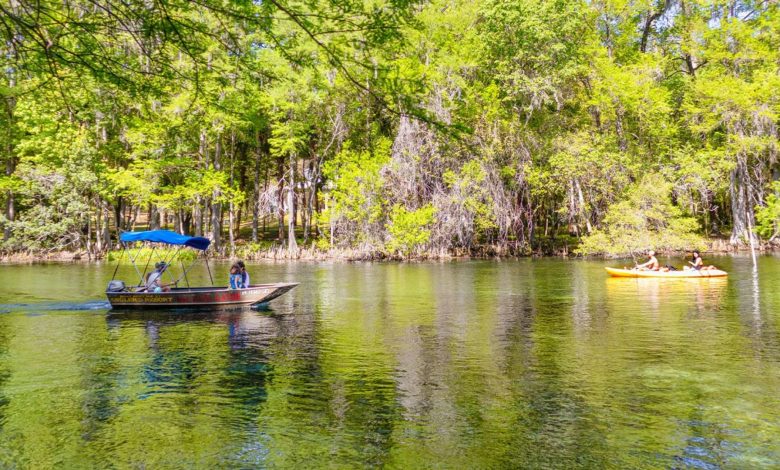
A January morning in Florida can begin with a jacket, a chilly breeze and a surprising sight: a ribbon of mist hanging over water that looks almost too blue to be real. The air feels like winter. The spring, however, has its own ideas about the season.
Slip into that clear water and you’ll discover why people keep coming back. Around 72 degrees is refreshing in July, when the pavement is hot and the humidity seems determined to follow you everywhere.
In January, the same water can feel relatively mild compared with the air. The temperature hasn’t suddenly changed. Your surroundings have.
Florida’s natural springs are connected to an enormous underground system of porous limestone and groundwater. Rain filters down, moves through the aquifer and resurfaces at openings that have attracted people and wildlife for thousands of years.
Not every spring runs at precisely 72 degrees, and cold-weather swimming rules vary. But these nine places reveal how different a simple dip can feel when the landscape changes around it.
1. Rainbow Springs State Park, Dunnellon
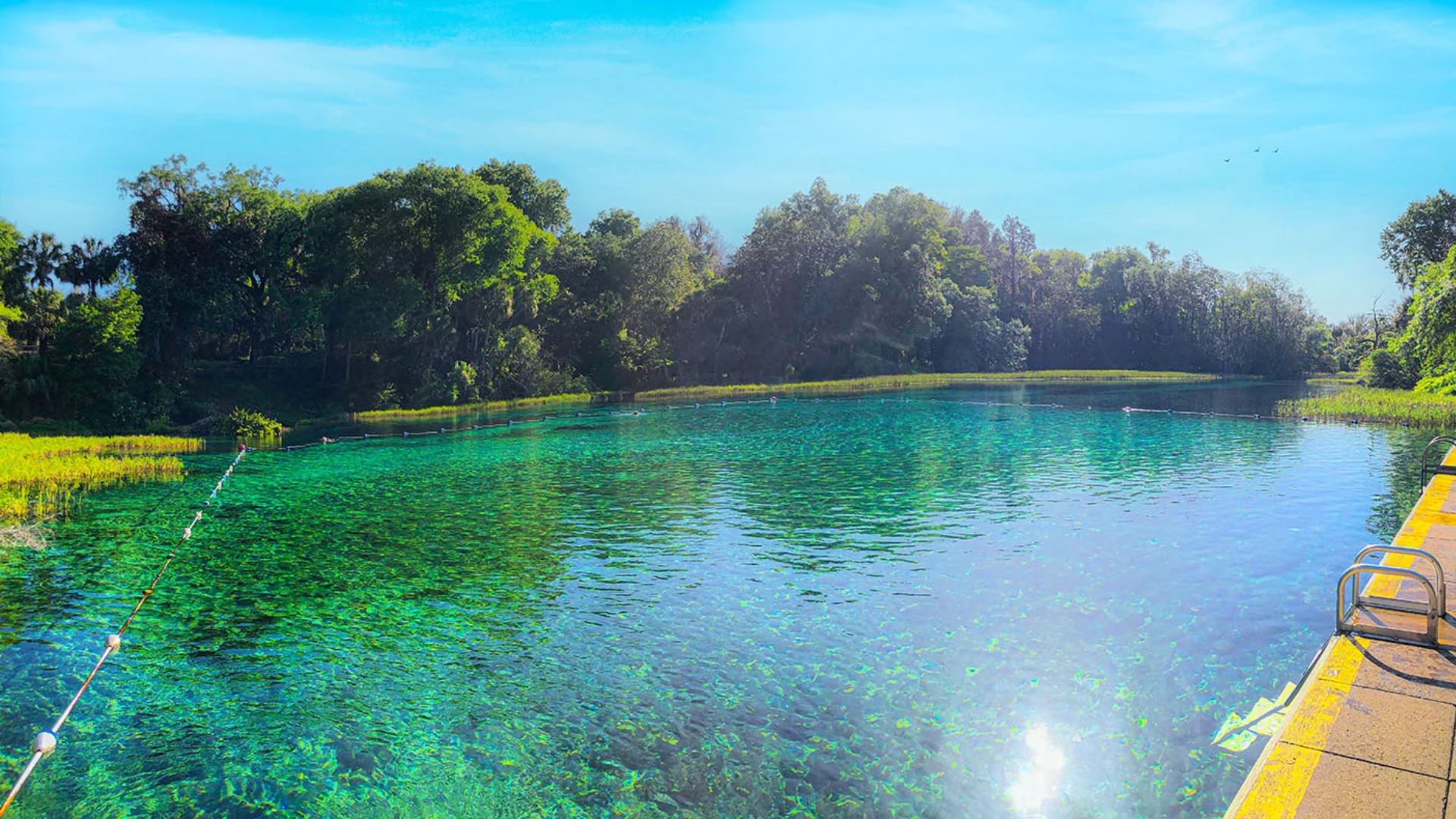
There is something almost theatrical about arriving at Rainbow Springs. The water is so transparent that the sandy bottom, underwater plants and passing fish can seem unusually close, even when they’re several feet below you.
Read also: Historic Florida restaurants where a good meal comes with a remarkable story
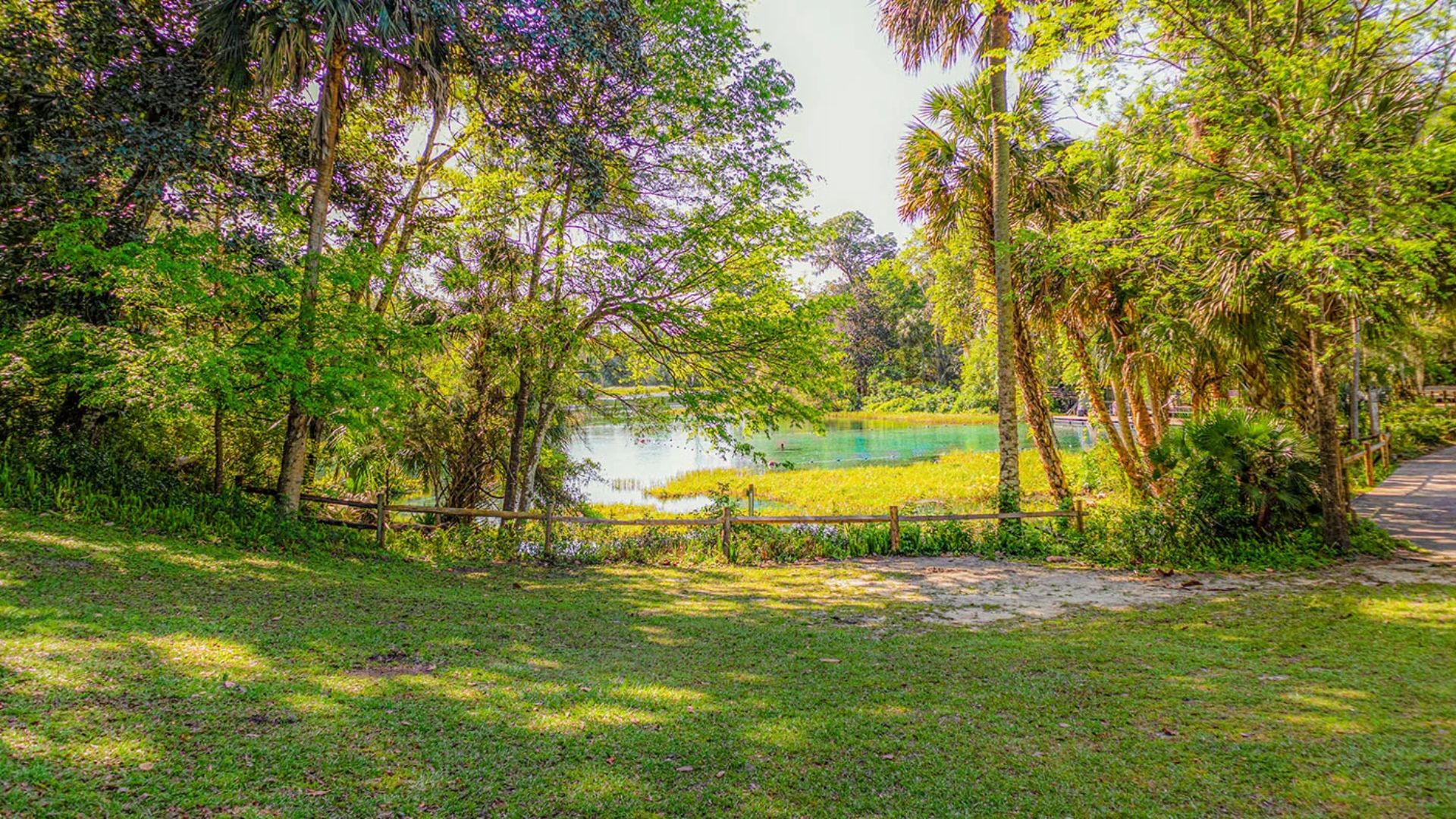
Around the headspring, gardens and paths provide a pleasant alternative for anyone who prefers to stay dry.
The main swimming area is deeper than many first-time visitors expect, with depths commonly ranging from roughly five to 18 feet. This is not a beach where small children can simply wade across the entire pool. Strong swimming skills and close supervision matter, and snorkelers need to respect the protected spring environment.
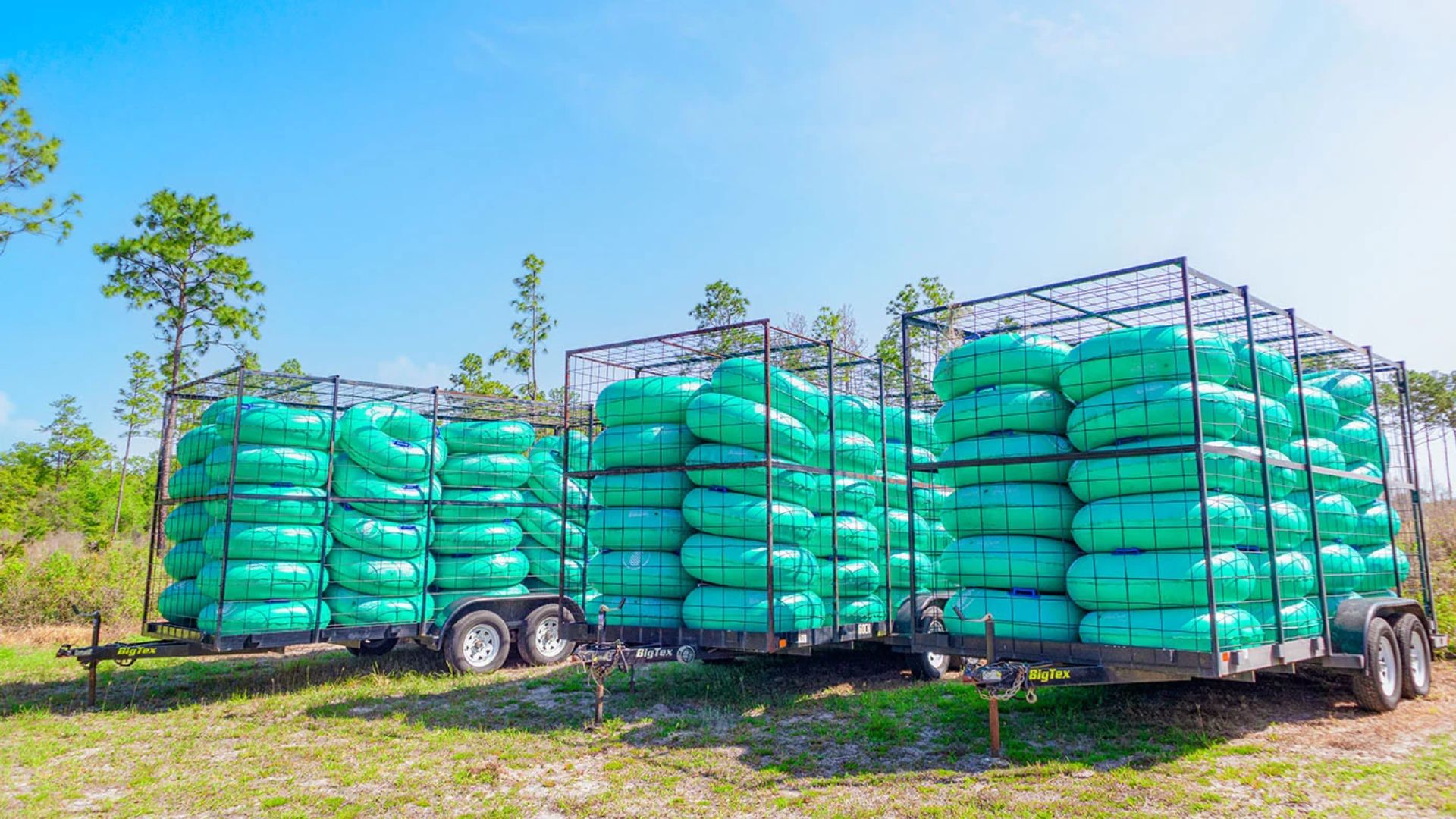
A separate experience waits downstream on the Rainbow River, where paddling and seasonal tubing have developed their own following. The springhead and the tubing operation use different access arrangements. Treat them as separate outings rather than assuming one ticket solves every logistical question.
Here’s the practical detail that matters most for winter 2026-27: day-use reservations are required at the headsprings entrance, including for passholders. The reservation system began April 29, 2026. Parking renovations from September 9, 2026, through February 4, 2027, also limit spaces.
Read also: The magnificent Florida holiday light displays worth a road trip this Christmas season
Reserve before setting out and do not count on finding an unplanned opening at the gate.
2. Wekiwa Springs State Park, Apopka
If your Florida vacation includes Orlando, Wekiwa Springs offers an entirely different picture from theme-park crowds. A short drive from the metropolitan bustle brings you to green water, forested riverbanks and the familiar sound of people trying to decide whether the spring is too cold for a swim.
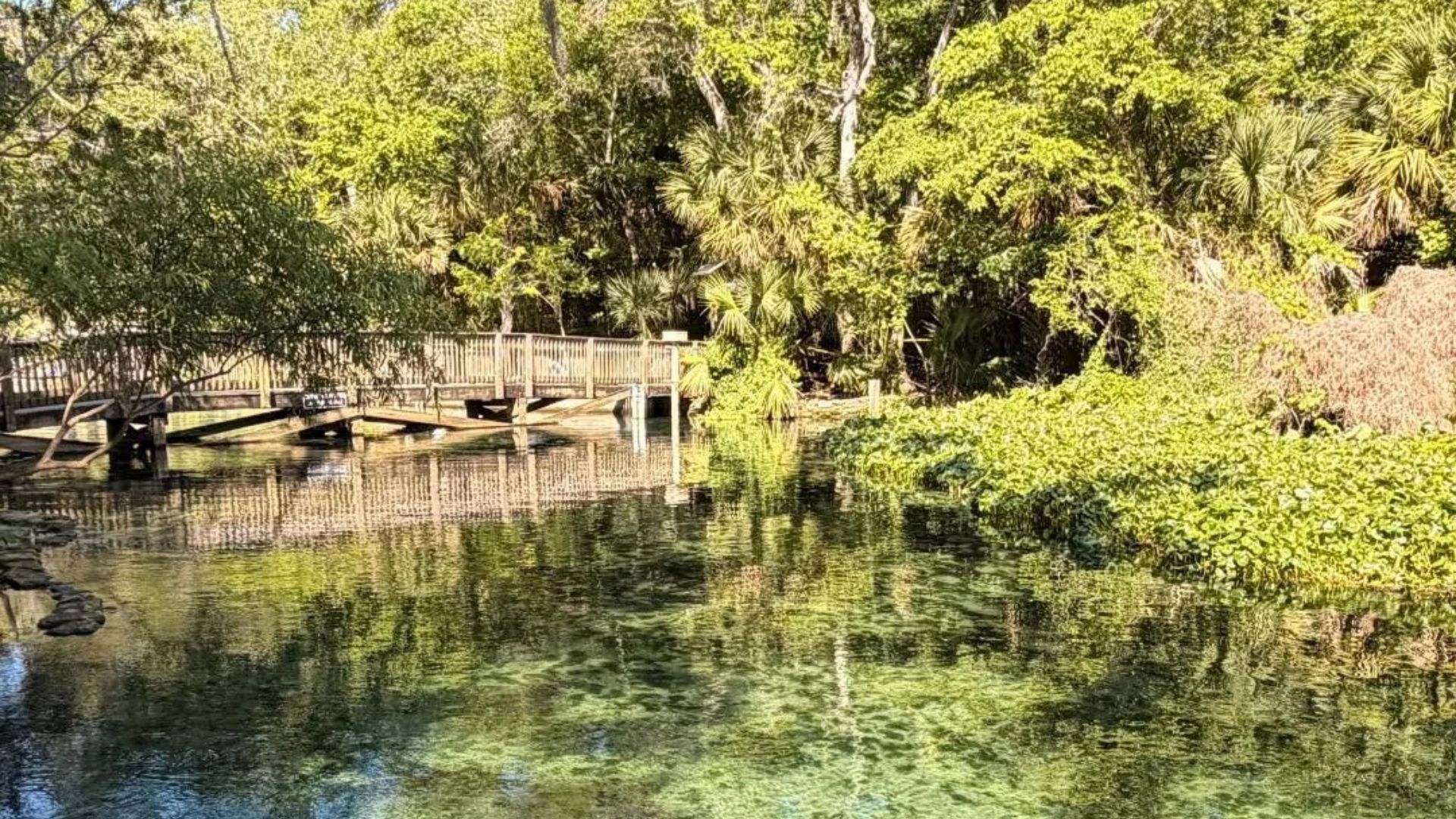
The developed swimming area covers about half an acre, with a grassy bank where visitors can spread out after getting out of the water. The spring maintains an average temperature near 72 degrees and feeds the Wekiva River, making the park popular with both swimmers and paddlers.
Read also: These 8 Florida scenic byways turn a drive into a whole vacation
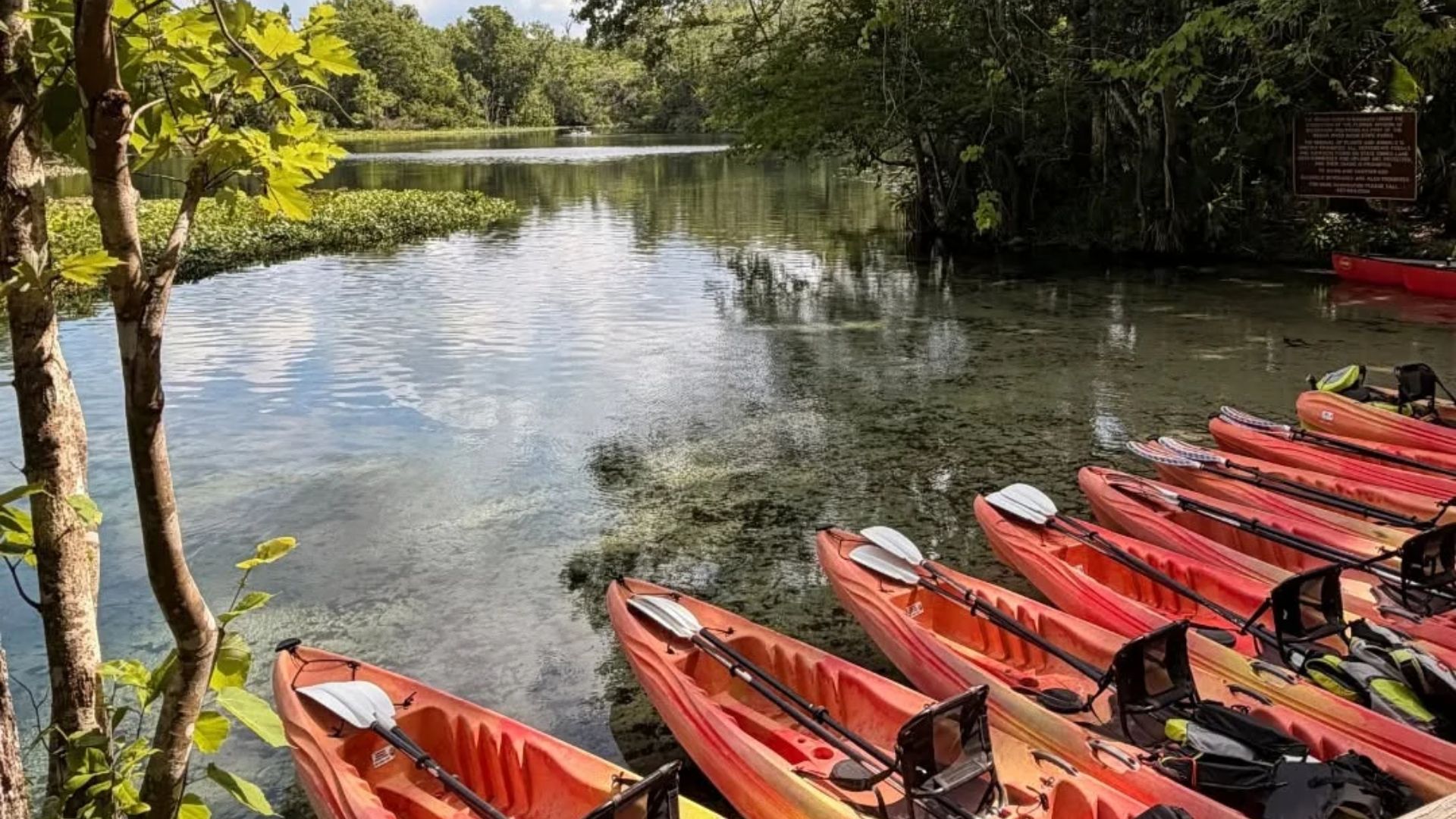
The river is part of the appeal. Canoes and kayaks introduce quieter stretches where visitors may notice turtles, wading birds and the thick vegetation characteristic of Central Florida waterways. Wildlife sightings are possibilities, not something any operator can guarantee.
Wekiwa is also a useful lesson in planning. Its day-use reservation requirement began in September 2025 and remains in force. All day visitors, including annual passholders, must reserve. The state’s posted standard entry fee is $6 per vehicle, and the park normally opens at 8 a.m. and closes at sunset.
A winter visit can be more comfortable than a muggy summer afternoon, but remember that the air can be much cooler when you climb out. Keep dry clothes close by and leave time for an easy walk beneath the trees.
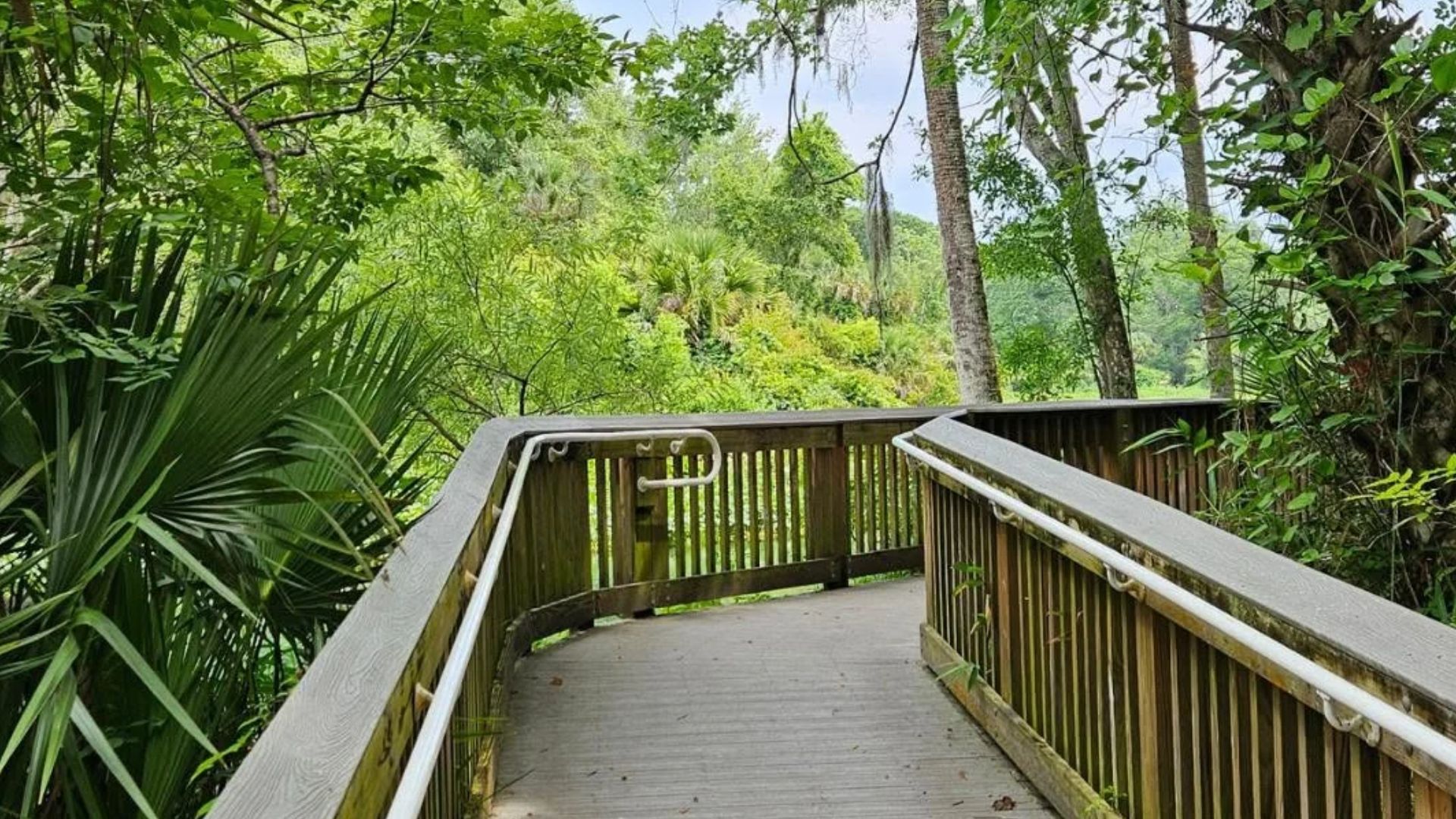
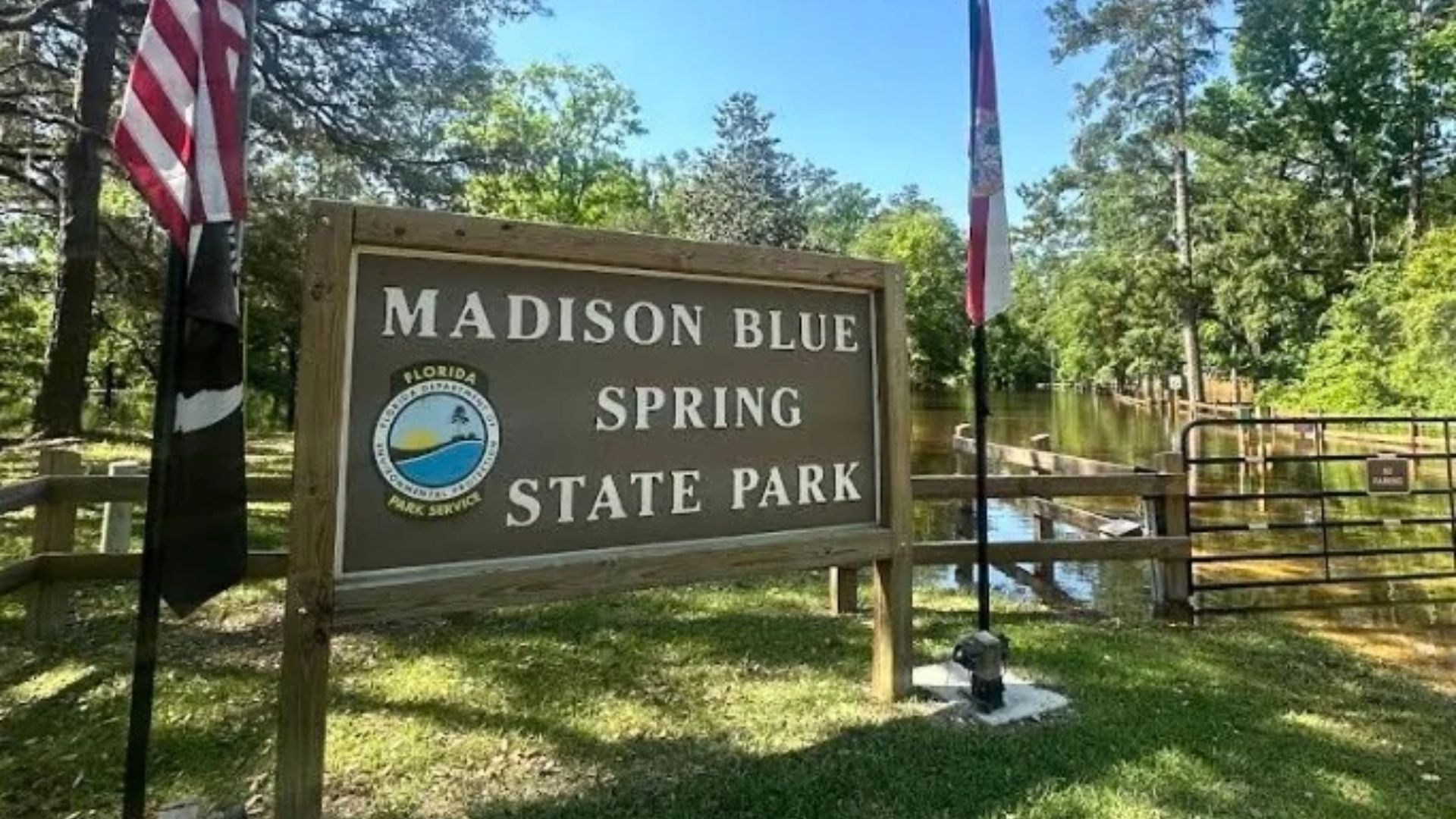
3. Madison Blue Spring State Park, Lee
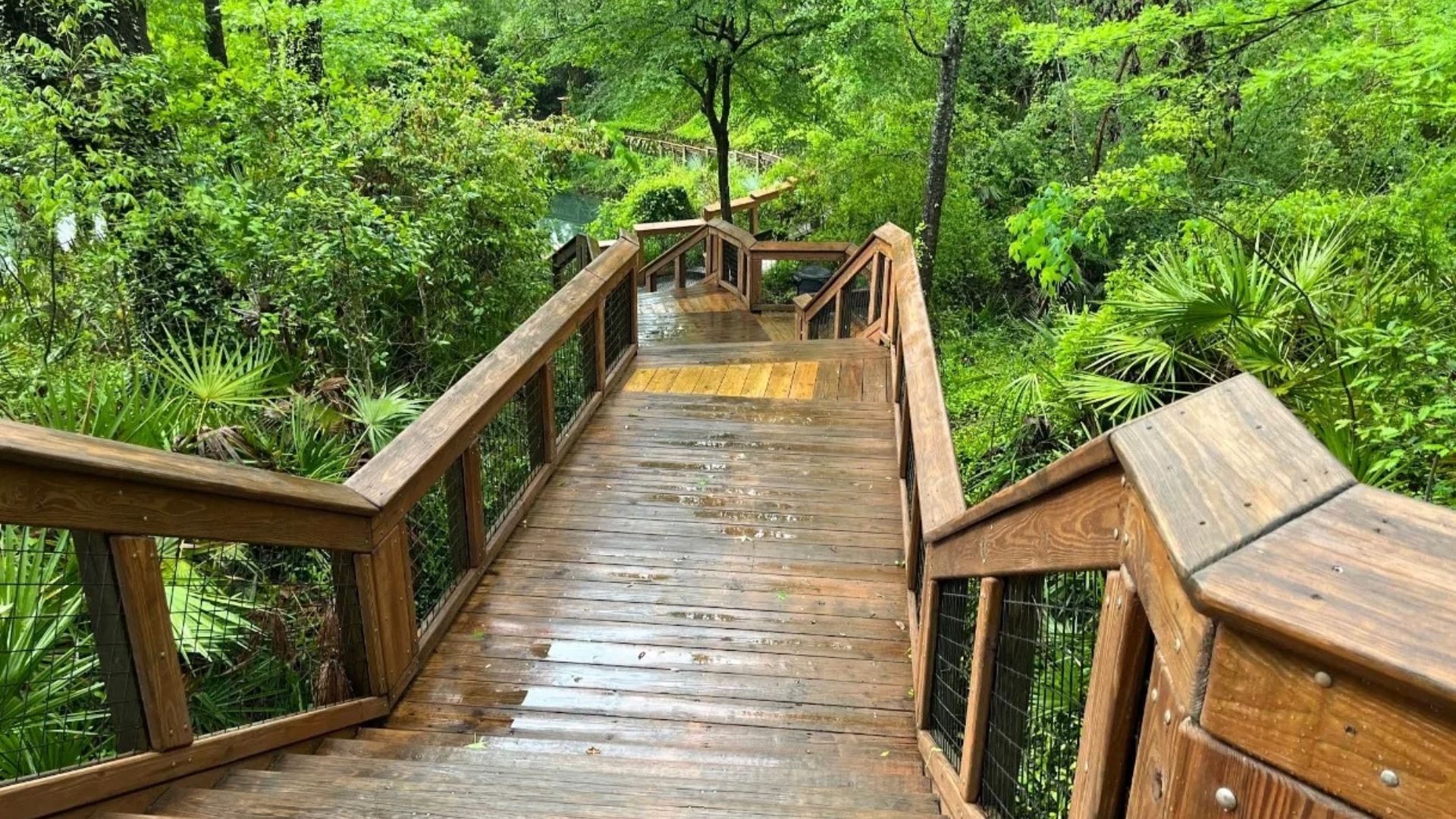
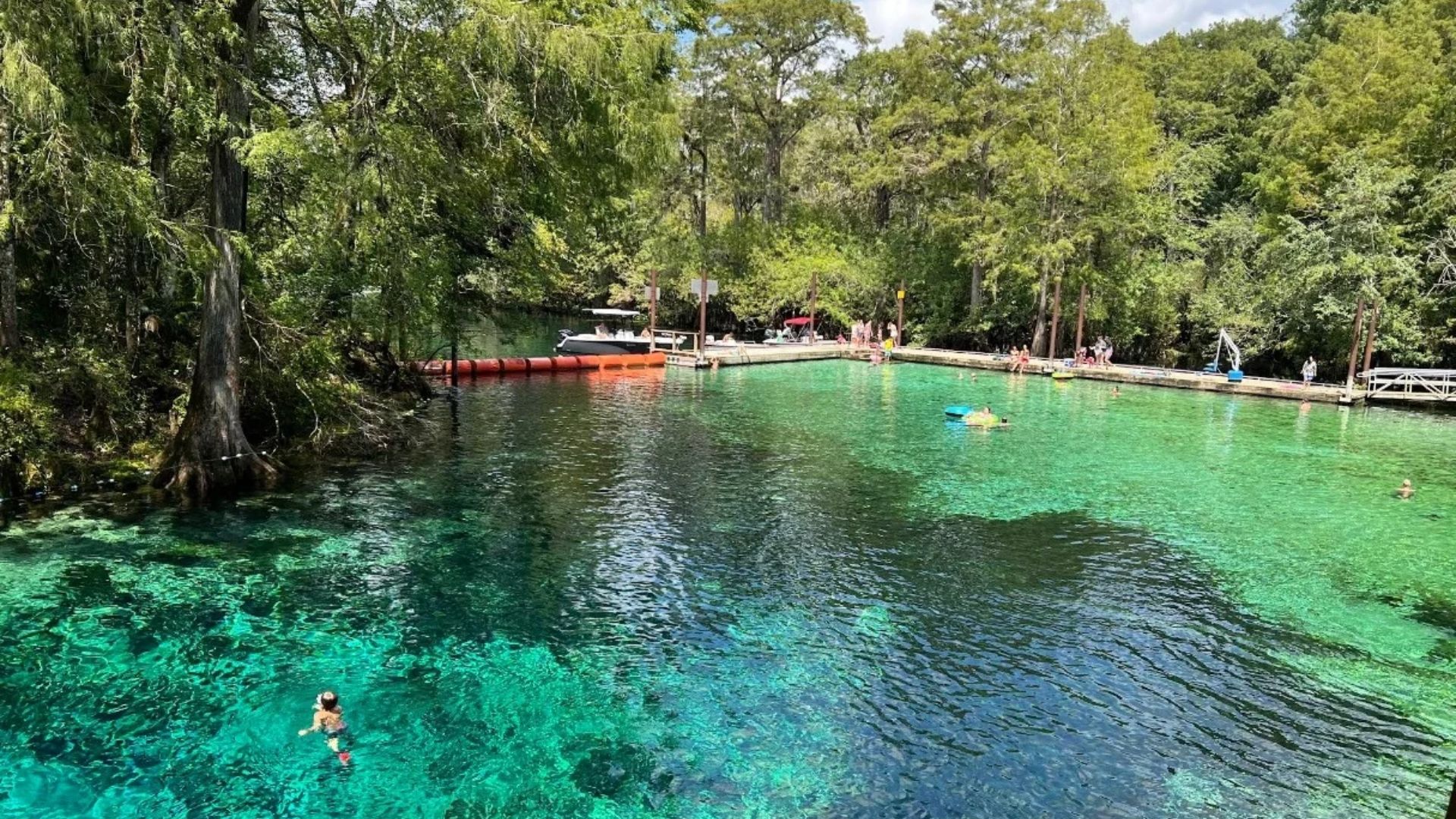
Madison Blue is the kind of spring that makes a small roadside detour feel like a discovery. Set near the Withlacoochee River in North Florida, the circular limestone basin looks strikingly different from the broad swimming areas of larger recreational parks.
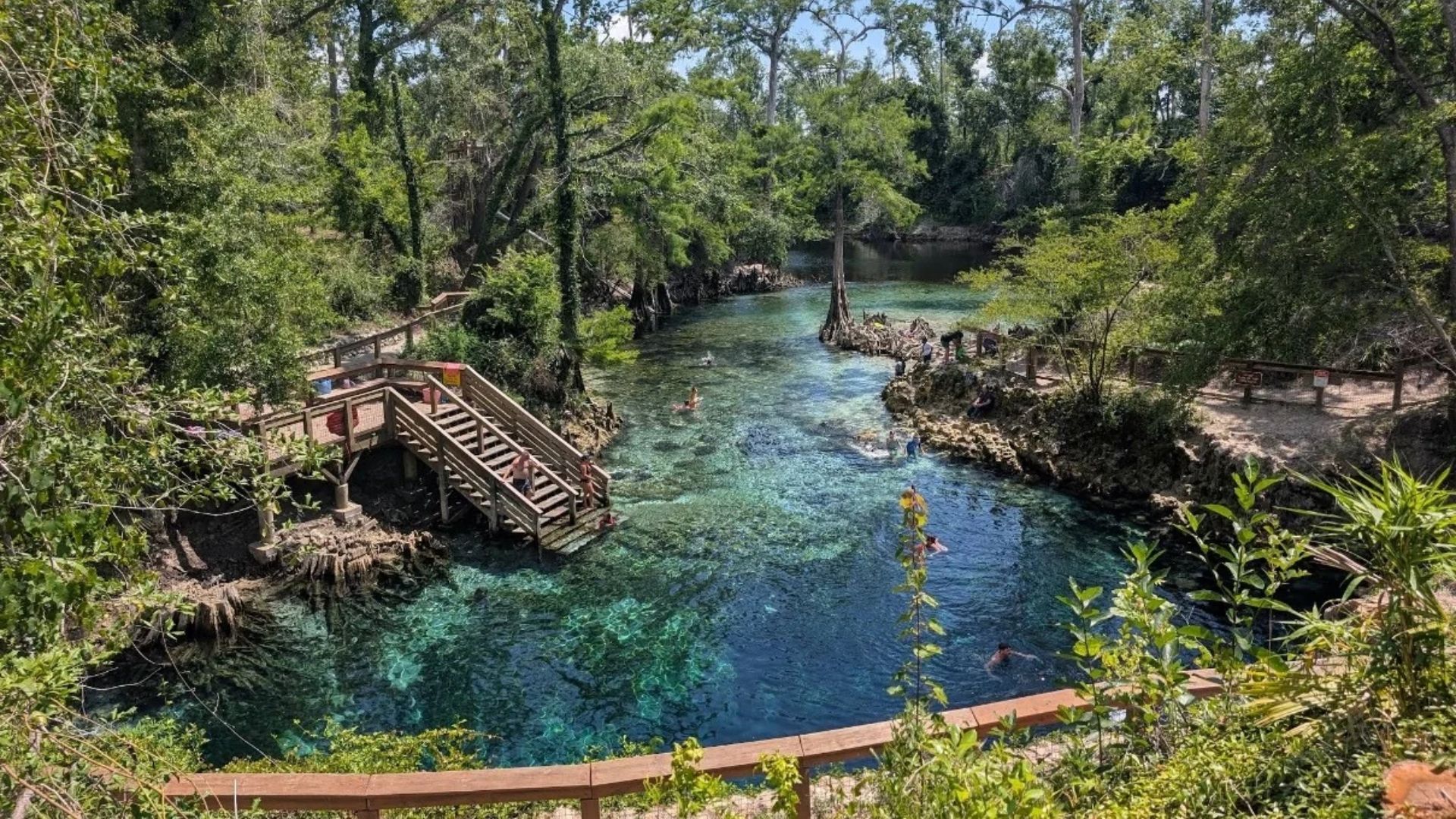
The spring pool is approximately 82 feet across and around 25 feet deep, although water level and visibility can change with conditions. Limestone edges frame the pool, and the surrounding forest offers relief from the open highway. This is an attractive stop for people who want to understand the geology beneath Florida’s famous clear water.
Read also: The most popular Florida beaches that rank among America’s best right now
It is also a recognized cave-diving destination. That does not mean an untrained swimmer should treat the submerged cave system as part of a casual adventure. Cave diving requires specialized certification, equipment and experience. Ordinary visitors should remain within designated recreational areas and follow posted signs.
Madison Blue usually operates from 8 a.m. until sunset, with posted admission of approximately $4 to $5 per vehicle depending on occupancy. The state warns that the park often reaches capacity on weekends and holidays between late morning and midafternoon. Drivers may not park along the road to wait for reopening.
Read also: Amazing Florida citrus stops where the old roadside tradition still tastes sweet
4. Fanning Springs State Park, Fanning Springs
One of the nicest things about Fanning Springs is its connection to the Suwannee River. Here, the water isn’t simply a picturesque swimming hole. It is part of a larger landscape of cypress trees, old river routes and wildlife moving between fresh water and the surrounding wetlands.
The state park’s swimming area is fed by water around 72 degrees year-round. Visitors can wade from the shoreline or use the designated access points, and a boardwalk through the cypress offers a rewarding alternative to swimming. A picnic beneath the live oaks can be just as appealing on a sunny winter afternoon.
Manatees sometimes enter the spring area during cold spells. That creates an important exception to ordinary recreation. Park staff may restrict water access when necessary to protect the animals, and visitors should never crowd or pursue them. Wildlife protection takes priority over a planned swim.
Fanning Springs also provides trails, picnicking and access to the Suwannee River for paddlers. It is a good choice for families with different interests because not everyone needs to enter the water to enjoy the park.
The posted vehicle entry fee is $6, and hours are generally 8 a.m. to sunset. A floating-dock improvement project announced in August 2026 means visitors may be asked to leave the water temporarily for safety. That is worth knowing before arranging a tightly timed visit. Bring comfortable walking shoes so a construction interruption doesn’t spoil your afternoon.
5. Alexander Springs, Ocala National Forest
Alexander Springs makes a strong case for keeping a bathing suit in your Florida road-trip bag. Within Ocala National Forest, its broad, sandy-bottom spring pool has a gentler look than the deep rock-sided basins found elsewhere in the state.
The basin is relatively shallow near the edges, allowing visitors to see limestone, aquatic plants and fish without immediately entering deep water. The setting feels distinctly wooded, with palms and forest rather than a city skyline framing the scene.
Swimming and snorkeling are the obvious attractions, but Alexander Springs is also known for paddling and its connection to the national forest’s trails. It is the one recreation area in Ocala National Forest where permitted scuba diving has traditionally been allowed. That activity involves its own rules and should never be confused with an ordinary snorkeling outing.
The springs are managed as a developed national-forest recreation area, so entrance and camping fees can differ from those at Florida state parks. Check the current Forest Service or concessionaire listing before visiting rather than relying on an old blog’s price. Winter hours may also differ from peak summer operations.
The most rewarding plan is simple: arrive with plenty of daylight, allow time to look beneath the surface and leave room for a walk afterward. A forest spring has an atmosphere that can be missed when a visit is reduced to a single hurried photograph.
6. Juniper Springs, Ocala National Forest
Juniper Springs offers a different mood altogether. The water emerges within an old, deeply green forest landscape, where palms, live oaks and subtropical vegetation make the swimming area feel almost hidden from the rest of Central Florida.
The spring complex has welcomed generations of visitors. Its developed recreation area includes a designated swimming pool and access to Juniper Run, a paddling route famous for clear water and twisting passages through the forest. The run can be challenging because of narrow turns, submerged obstacles and changing conditions, even when the water looks calm.
That distinction matters. Someone who only wants an easy swim should not feel obliged to commit to the full paddle. Enjoy the spring, relax in the surrounding recreation area and treat the canoe run as a separate activity requiring preparation and a realistic assessment of skill.
Juniper’s water stays comparatively steady in temperature while the air changes from one season to another. On a brisk winter morning, the surrounding greenery can make the water particularly inviting. The moment you step back onto the deck, however, you’ll appreciate a dry towel.
Expect a federal recreation-area fee rather than automatically applying the Florida state-park entrance schedule. Confirm operating hours, paddling availability and any shuttle arrangements with the current operator. Weekends can be busy even in cooler weather, and the springs may limit admission when their parking areas fill.
7. Ichetucknee Springs State Park, Fort White
Ichetucknee has a summer reputation built on tubing. People float downstream through clear water, pass beneath trees and discover how pleasant it can be to do almost nothing for an hour or two.
Winter tells a quieter story. The park remains open, but its different springs, launches and river-access points follow rules that change by location and season. Visitors shouldn’t assume that the busy summer tubing setup is operating in exactly the same way on a January morning.
For a winter outing, the headspring offers a beautiful place to appreciate the river’s beginning. The nearby Blue Hole Spring is another remarkable feature, but its depth and cave environment call for caution. Swimming access, timing and current rules should be checked before leaving home.
The park’s published admission is $6 per vehicle for two to eight people, with reduced rates for some smaller parties. Admission is first-come, first-served, and online advance payment does not guarantee entry or bypass a line. Different launch points have different closing times. Current notices also indicate Midpoint Launch has been closed for repairs.
That sounds like a lot of logistics for such a peaceful place, but it is worth understanding. The secret to enjoying Ichetucknee is not rushing toward the first river access you see. Pick the activity that suits your group, check which entrance serves it and let the spring’s extraordinary clarity supply the rest of the entertainment.
8. Ginnie Springs, High Springs
Ginnie Springs feels more like a private outdoor recreation destination than a traditional state park. Visitors come for clear water, swimming, snorkeling, camping and access to an interconnected collection of seven springs.
The blue water is the obvious draw, especially for snorkelers who appreciate excellent visibility. But this is also a popular destination for certified divers and overnight guests, and that mixture of activities gives the property a livelier atmosphere than some quieter public springs.
The practical distinction is admission. Ginnie Springs is privately operated and has its own pricing. The current published daily adult fee is $20 in the November-through-February off-season and $25 from March through October. Children ages four through twelve have reduced rates, and camping and diving cost extra.
Day passes stop being issued after 3 p.m. and expire at sunset. That makes an afternoon-only detour less sensible if you want time to swim. Pets are not permitted, and the site has rules about equipment, camping ages and use of its facilities.
For a winter trip, the lower seasonal admission may be welcome, but this is still not the least expensive spring on the list. Choose Ginnie when you want a dedicated day on the water and the amenities of an established private recreation park. Don’t treat its crystal-clear springs as an invitation to explore underwater caves without the necessary certification.
9. Devil’s Den Prehistoric Spring, Williston
Devil’s Den has the most dramatic entrance of the group. Instead of approaching a wide spring pool beneath open sky, visitors descend toward an underground chamber where light reaches the water from above.
The prehistoric setting is remarkable. The spring sits inside a cave-like space, and its unusual appearance has made it a destination for snorkelers and certified divers. It is not, however, a general swimming hole where everyone can wander down the stairs for a quick look.
The operator requires reservations for snorkeling. Sessions last 90 minutes, and a mask, snorkel and fins are mandatory; rentals cost extra. The main official snorkeling page currently lists $30 per person, although an older reservation page still displays a lower figure. Use the price shown during booking rather than assuming an outdated rate.
Children must be at least six, and snorkelers need to be strong swimmers because flotation devices are generally not allowed. The property also restricts access to the den for visitors who are neither snorkeling nor diving.
This is an excellent reminder that all Florida springs are not interchangeable. Devil’s Den offers an unusual, structured underwater experience, not a picnic-and-wade afternoon. Reserve a suitable time, arrive early enough for the briefing and respect the rules. The payoff is seeing a side of Florida that most drivers pass without knowing is there.
Before you pack the swimsuit
The phrase ’72-degree water’ sounds wonderfully simple. The reality is a little more interesting. At a spring, comfort depends on the air temperature, wind, sun and how long you stay in the water. The same dip that feels refreshing in July may be better kept short on a chilly winter morning.
Reservations are another consideration. Rainbow and Wekiwa require them for ordinary day entry. Madison Blue can reach capacity. Ginnie and Devil’s Den have private pricing and rules. A nearby state park may be open while a swimming area is temporarily restricted for construction or wildlife protection.
The original list for this trip included Gilchrist Blue Springs, and its water remains an outstanding natural feature. But the park announced that as of October 1, 2026, it has no day-use access because of construction. It would be misleading to recommend it as a normal winter swimming stop right now. Fanning Springs is the practical alternative included here.
Choose the spring that matches the experience you actually want. Some are built for relaxed family swimming; others are better for snorkeling, paddling or simply looking at the water. Pack dry clothes, check the latest official access notices and keep the itinerary flexible.
A Florida winter doesn’t always deliver sweater weather. But when it does, a clear blue spring can still make you reconsider how you planned to spend the day.