
Trump’s own chief of staff is secretly panicking, begging aides ‘not to lie to him so much’ about his popularity
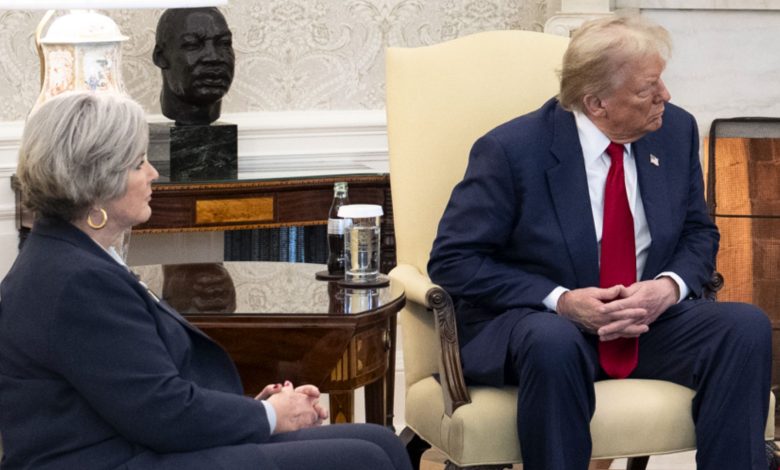
Florida – The decision came swiftly and without the traditional ritual of congressional debate.
On February 28, President Donald Trump moved forward with military action against Iran alongside Israel, setting in motion a conflict that has since rippled far beyond the battlefield.
What began as a show of force has evolved into a political storm at home. One that, according to Time, is now raising alarms within the president’s own inner circle.
At the center of that concern is White House Chief of Staff Susie Wiles, who has reportedly been urging those closest to the president to confront him with a clearer, more unfiltered picture of public sentiment.
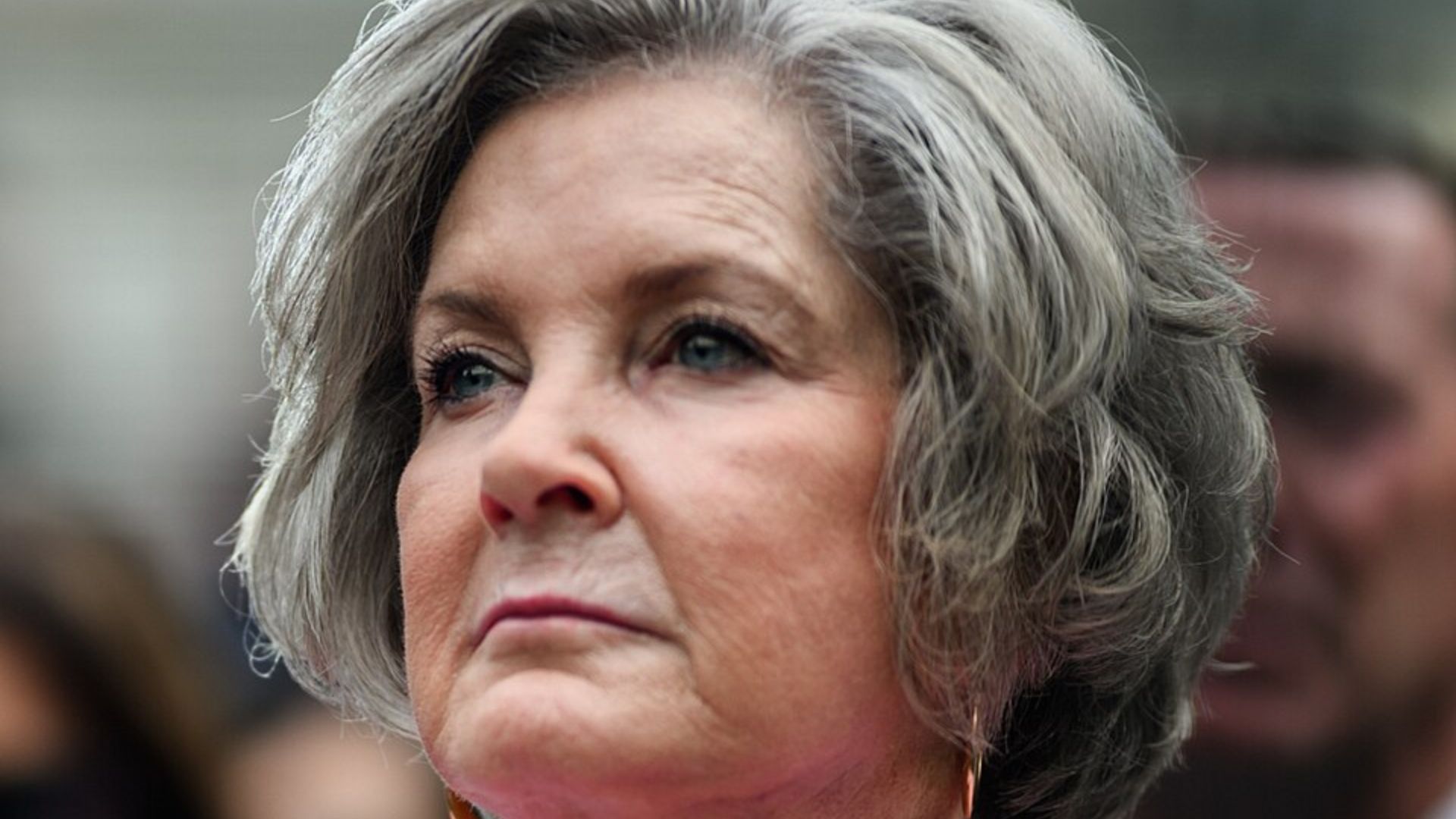
This comes at a time when Trump fired his close friend and ally Pam Bondi of Florida of her Attorney General post.
Sources familiar with internal discussions say she has been pushing colleagues to be “more forthright with the boss,” warning that the administration may be operating on an incomplete understanding of how deeply the war is being rejected across the country.
Her concern is not abstract, it is tied to what she sees as growing political and economic consequences that could shape the approaching midterm elections.
White House Chief of Staff Susie Wiles is reportedly urging White House aides to stop censoring reports of US military losses and Iranian military successes as well as plunging poll numbers and gas price trends from President Trump to make him realize what a disaster his great… https://t.co/bjpnjdQGbS
— David Pyne 🇺🇸 (@AmericaFirstCon) April 2, 2026
Polling data paints a stark picture.
A recent survey conducted by YouGov in partnership with The Economist shows only 28 percent of Americans support the war, while 59 percent oppose it, a sharp decline in backing within just a week.
Other surveys reinforce the same trajectory. Research from Ipsos and Associated Press-NORC Center for Public Affairs Research indicates opposition outweighs support by more than four to one.
Read also: More than $200 million headed to Florida to improve rural hospitals workforce and patient access
The divide runs across political lines, though not evenly. Among Democrats, opposition is nearly unanimous at 88 percent. Independents reject the war by a three-to-one margin. Republicans remain more supportive overall, with 62 percent in favor, yet even within that base fractures are emerging. While self-identified MAGA Republicans show strong backing at 79 percent, only 33 percent of non-MAGA Republicans share that view, a steep drop from just weeks earlier.
The shift is reflected in broader approval metrics. Only 30 percent of Americans approve of Trump’s handling of the conflict, while 60 percent disapprove, pushing his net rating on the issue to negative territory.
Fact-checking efforts examining the administration’s claims about both the war and the economy have added further scrutiny, intensifying questions around messaging and credibility.
Beyond polling, the economic strain is becoming increasingly visible. Following Iran’s blockade of the Strait of Hormuz, a vital artery for global oil shipments, energy markets reacted sharply.
Read also: Florida monster busted for selling meth and fentanyl while toddler overdosed under his roof
Oil prices surged by more than 50 percent, sending average U.S. gasoline prices above $4 per gallon. According to Deutsche Bank AG, transatlantic airfare has also climbed by roughly $200 compared to the previous month, adding another layer of pressure on consumers already feeling the ripple effects.
The human toll has been equally sobering. At least 13 American service members have been killed, with more than 300 injured since the conflict began. In a televised address lasting just under 20 minutes, Trump suggested the possibility of a near-term slowdown, only to pivot and say the war could continue for another two to three weeks. He warned that the United States could strike Iran “extremely hard,” including potential attacks on key infrastructure such as electricity facilities, if a ceasefire is not reached.
Public appetite for escalation appears limited. Just 14 percent of Americans support sending ground troops into Iran, while 62 percent oppose the idea. Resistance is especially strong among Democrats and independents, but even within Republican ranks, opposition slightly outweighs support. Among non-MAGA Republicans, a clear majority rejects the prospect.
Skepticism extends to the likelihood of diplomacy. Only 20 percent of Americans believe peace talks are currently underway, while nearly half say they are not. A majority also doubts that any agreement will be reached in the coming weeks, reinforcing a sense of uncertainty that continues to build.
Inside the White House, that uncertainty is now colliding with internal warnings. As Wiles presses for candor, the gap between perception and reality, between what the president hears and what the country feels, has become its own point of tension. Whether that gap narrows, or widens further, may shape not only the trajectory of the conflict, but the political landscape that follows.


