The ultimate list of Florida wildlife drives and boardwalks where winter brings the absolute best views
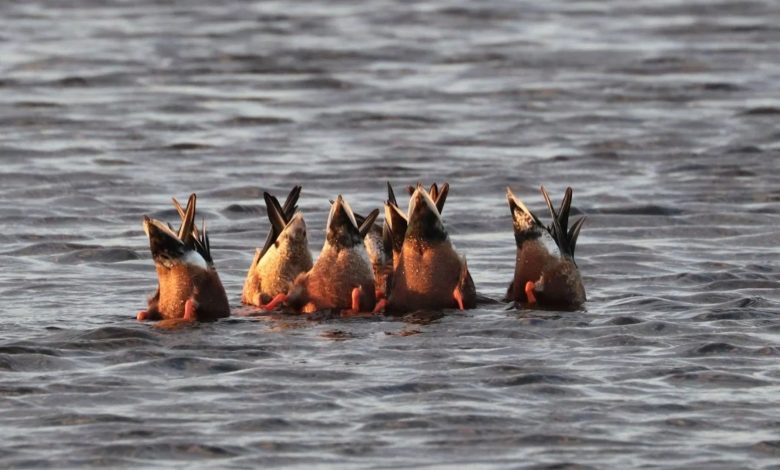
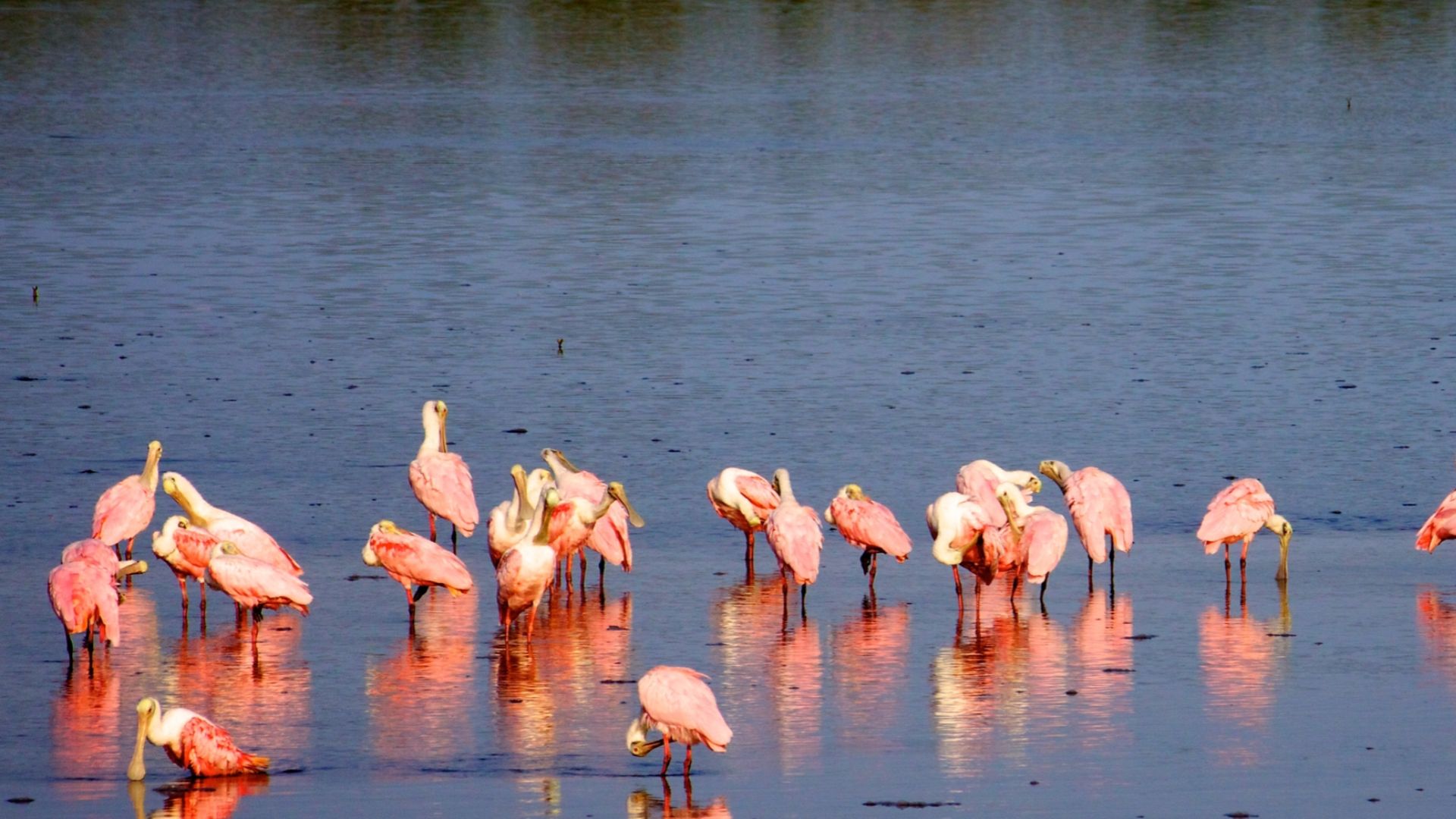
A roseate spoonbill lifting out of a Florida marsh looks almost too colorful to be believable.
Pink wings spread above the water, the bird glides past a cluster of white egrets, and somewhere nearby an alligator barely moves.
If you’re watching from a quiet boardwalk on a crisp winter morning, it can be hard to remember that busy highways and crowded shopping centers are only a few miles away.
Read also: The most popular Florida beaches that rank among America’s best right now
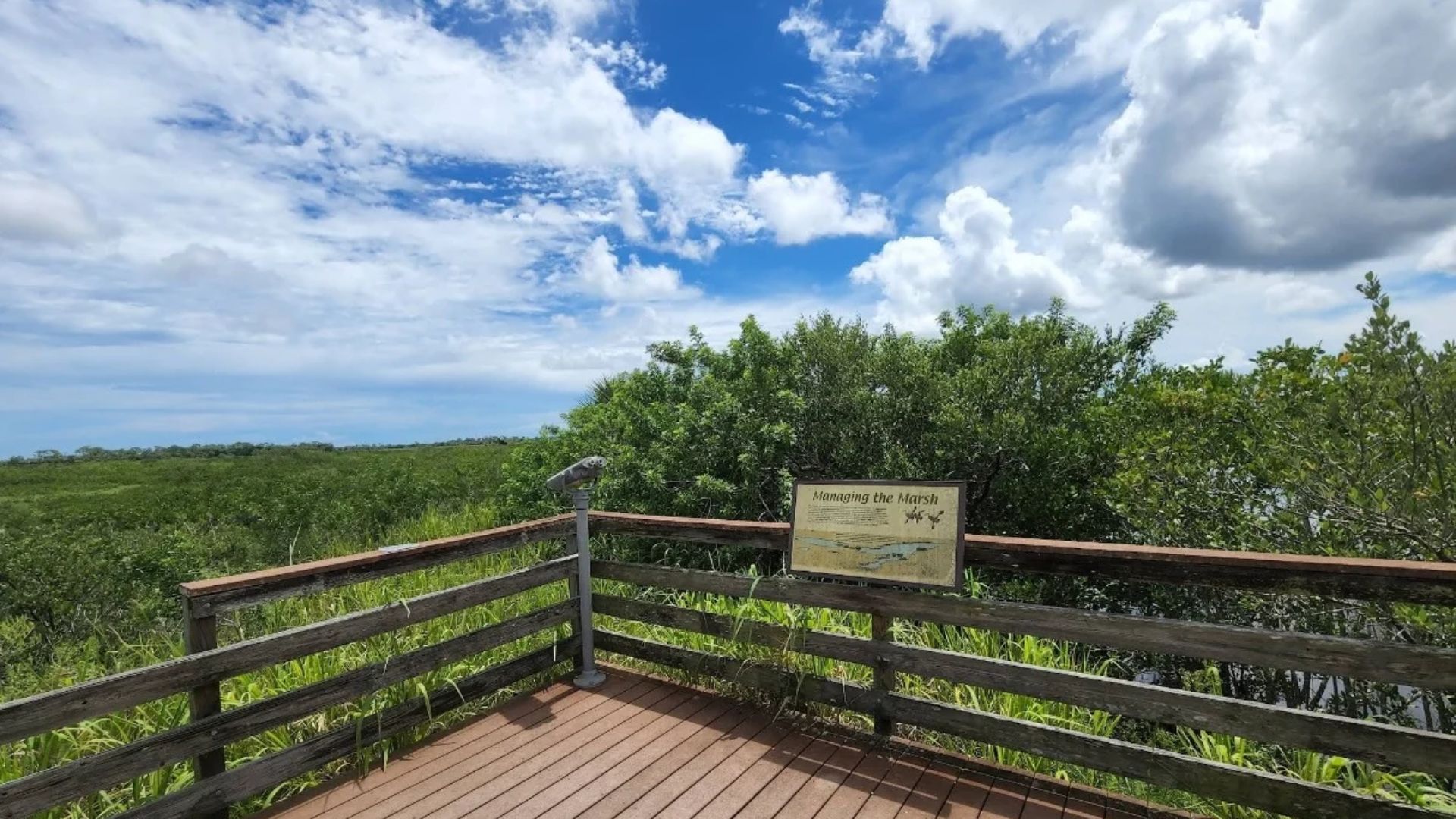
Florida’s wildlife doesn’t take the winter off. Quite the opposite. Cooler months bring migrating birds into wetlands across the state, and lower humidity makes a long morning outdoors considerably more comfortable. You can explore some places on foot, others from a slow-moving car, and a few by bicycle or tram.
The important thing is knowing what sort of visit each location allows. A refuge wildlife drive may charge for a vehicle pass, a state park may require an entrance fee, and a trail inside Everglades National Park isn’t automatically free simply because it has a boardwalk.
Read also: Amazing Florida citrus stops where the old roadside tradition still tastes sweet
These eight destinations offer different ways to get close to Florida’s extraordinary wildlife, without getting too close to the animals themselves.
1. Black Point Wildlife Drive, Merritt Island National Wildlife Refuge
There is something pleasing about a wildlife excursion that begins without leaving the driver’s seat. At Black Point Wildlife Drive, you can move slowly through coastal marshes, stop at designated viewing places and watch the landscape change as birds arrive and depart.
Read also: Not so known small Florida towns that feel like stepping back in time
The drive is a seven-mile, one-way route inside Merritt Island National Wildlife Refuge near Titusville. It lies in a remarkable location, close to the Kennedy Space Center complex, where space exploration and wild coastal habitat occupy neighboring landscapes.
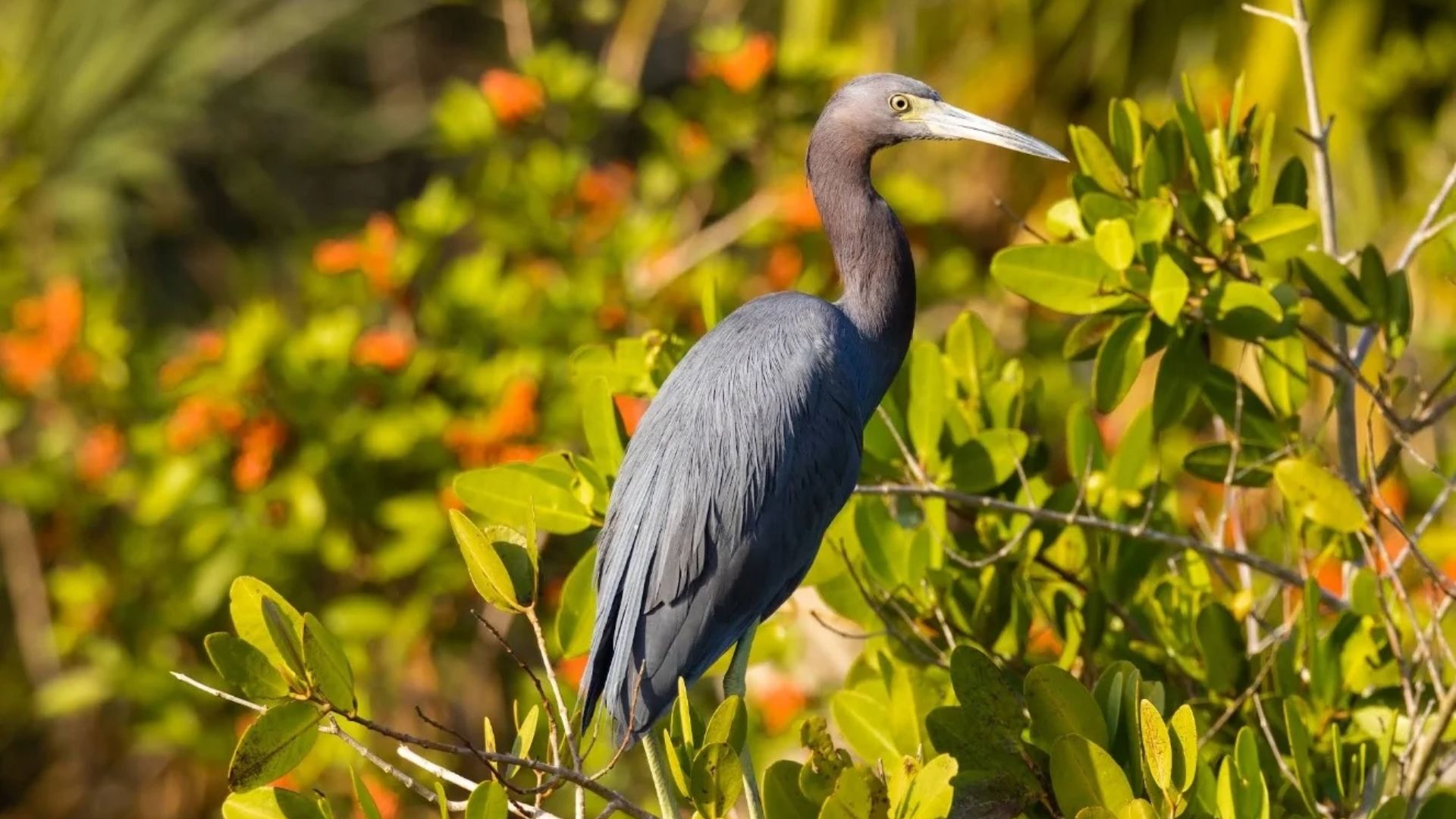
Winter is especially good for waterbirds. Look for herons, egrets, ibises and, with luck, roseate spoonbills. Different species prefer different water depths, which means the most interesting activity may be around a shallow pool rather than the biggest open-water view.
The refuge charges an entrance fee for the drive; current visitor information lists a $10 daily vehicle pass. Other parts of the refuge have different access arrangements, so buy the appropriate pass and follow the posted rules.
Bring binoculars. From a car, you can watch wildlife without repeatedly approaching birds that may be feeding or resting. If you see a particularly interesting gathering, pull completely into a designated stop rather than blocking the roadway.
The best time is often early morning, when light is softer and the road can be quieter. Weekend traffic increases as the day progresses. Also check refuge alerts before traveling, since space-center operations, flooding or management activities can temporarily close roads.
2. Wildlife Drive, J.N. “Ding” Darling National Wildlife Refuge, Sanibel
Sanibel is famous for beaches and shells, but the island’s mangrove wetlands are just as interesting when the tide and birds cooperate.
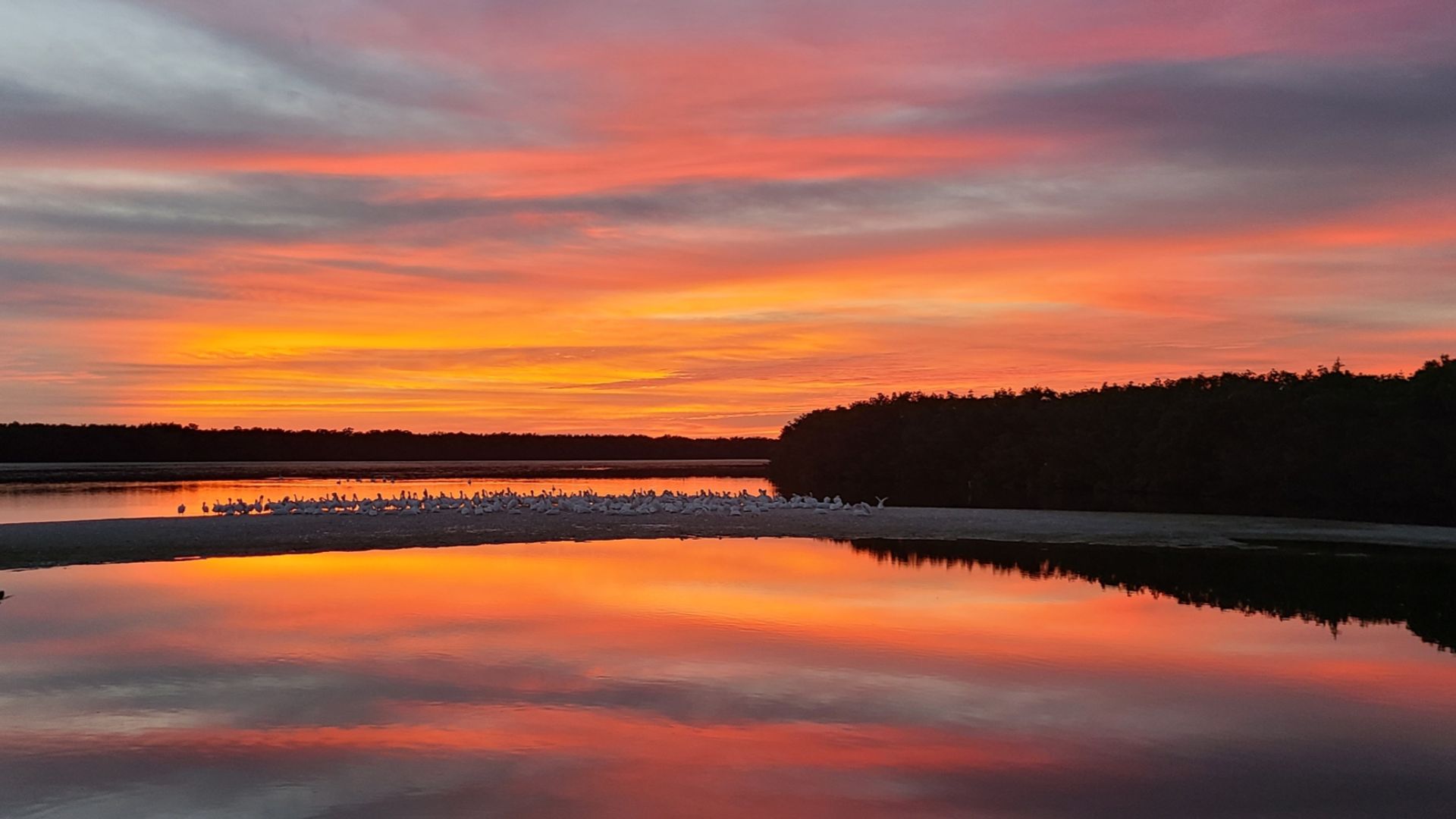
At J.N. “Ding” Darling National Wildlife Refuge, Wildlife Drive runs about four miles through estuarine habitat. Visitors can explore by vehicle, bicycle or on foot, following a route where tidal water and mangroves support an enormous variety of wildlife.
Roseate spoonbills are among the famous attractions, but they’re not the only birds worth watching. Herons, egrets, pelicans and shorebirds may be present depending on season, tide and weather.
The timing of the tide can make a surprisingly large difference. At lower water levels, shallow feeding areas may become more accessible to wading birds. A view that seems quiet at one hour can become lively later.
The drive is closed on Fridays, a detail that can easily derail a carefully planned island day. The refuge’s posted fee is $10 per private vehicle; walking and cycling have their own rates. The visitor and education center may offer a separate, more accessible introduction to the refuge.
Because Sanibel has experienced major hurricane damage in recent years, visitors should also check current road and facility conditions rather than relying on an old brochure.
Start with the refuge’s visitor information. Ask about the day’s tide and recent wildlife activity, and allow time to stop without rushing the cars behind you.
3. Paynes Prairie Preserve State Park, Micanopy
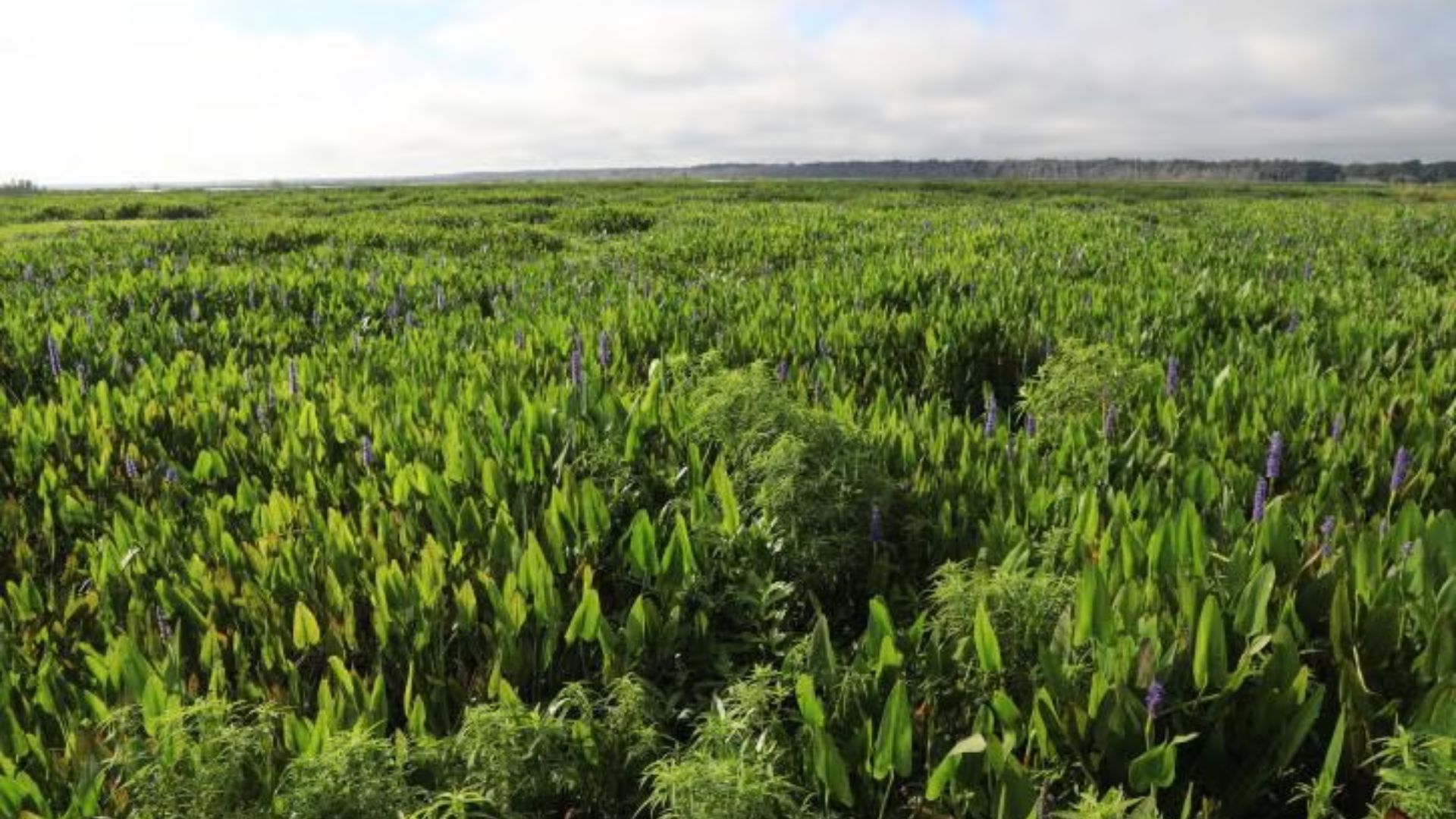
Paynes Prairie offers the sort of Florida view that can surprise someone expecting only palm trees and ocean beaches. A broad grassland stretches toward the horizon, and large animals occasionally appear where you might expect only birds.
The state park near Micanopy protects a landscape that includes open prairie, wetlands and forest. It is one of the few places in Florida where visitors may see free-roaming bison and horses. Their presence gives the park a character unlike most Florida wildlife destinations.
But a sighting is never guaranteed. The animals roam through a large area, and they may be far from public viewing points on any particular day.
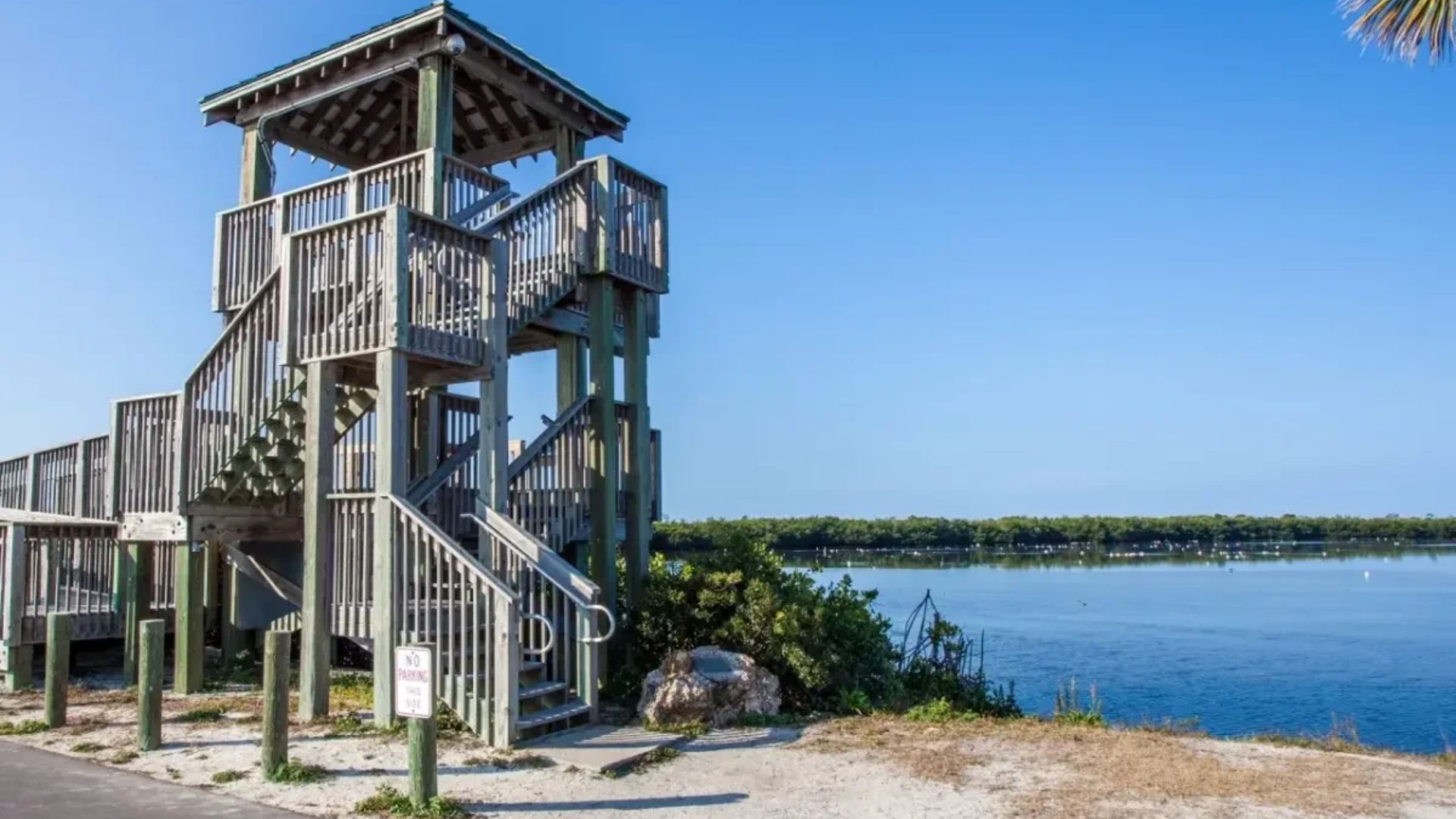
The park has hiking routes and an observation tower, with wildlife-viewing opportunities along several trails. The La Chua area is often discussed for its birds and alligators, although trail access can change with water levels and restoration work.
Florida State Parks lists the standard entrance fee at approximately $6 per vehicle for the main park entrance. Trailheads may have their own arrangements, so check the official access information before arriving.
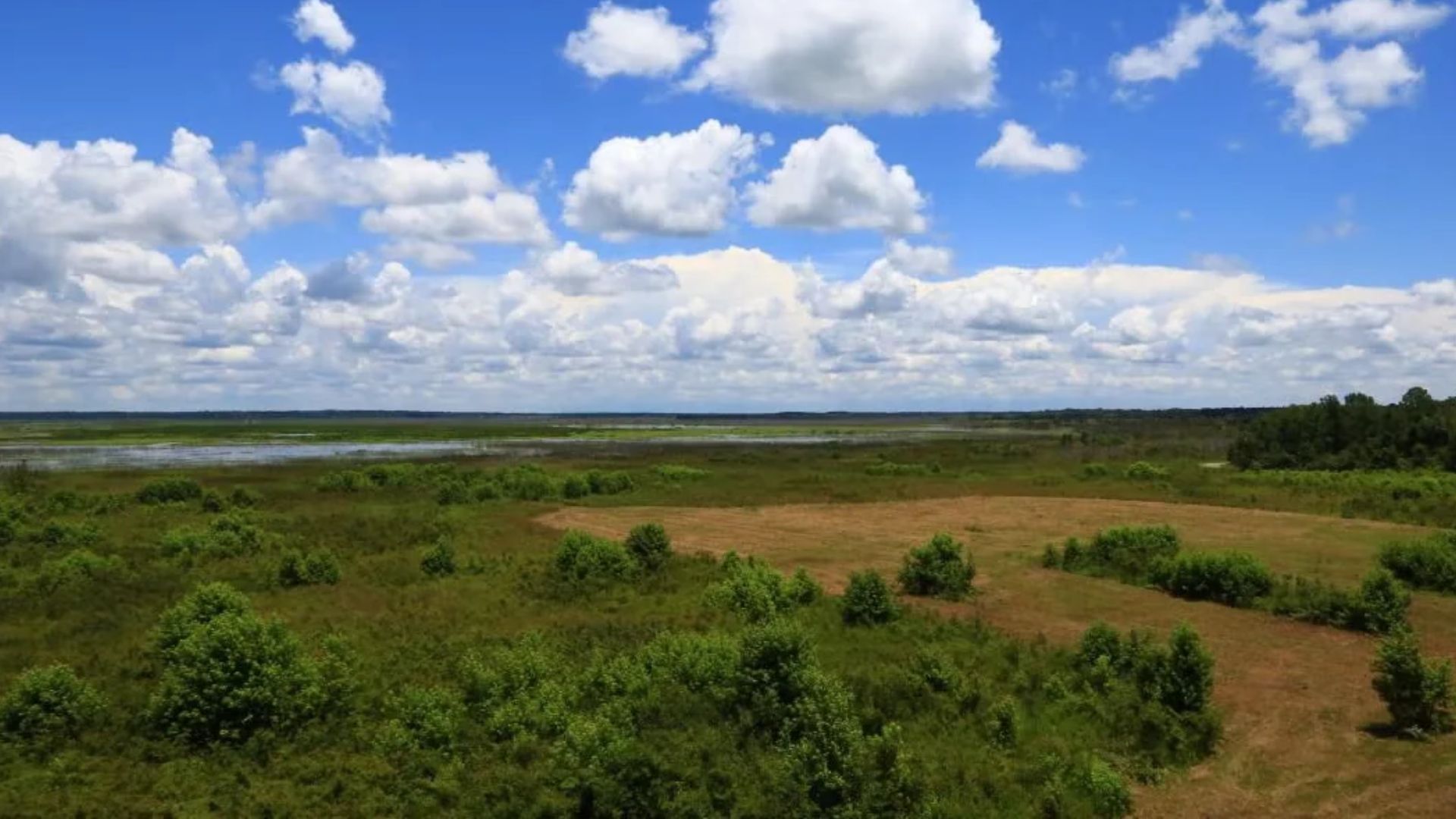
Winter can be an excellent time to walk because cooler temperatures make exposed sections more comfortable. Bring a hat and water anyway; open prairie offers less shade than a wooded trail.
Bison are large wild animals and can move much faster than they appear capable of moving. Never approach one for a photograph. Keep a safe distance from horses as well, and follow all posted guidance.
Pair a morning at the prairie with an afternoon in nearby Micanopy. Its shops and historic streets provide a comfortable contrast to the open landscape.
4. Wakodahatchee Wetlands, Delray Beach
Some of Florida’s best wildlife watching happens in places that are surprisingly close to neighborhoods and busy roads. Wakodahatchee Wetlands is one of them.
This constructed wetland in Delray Beach was developed as part of Palm Beach County’s water-reuse and environmental program. Today, its boardwalk is a popular place to observe birds, alligators and other wetland residents.
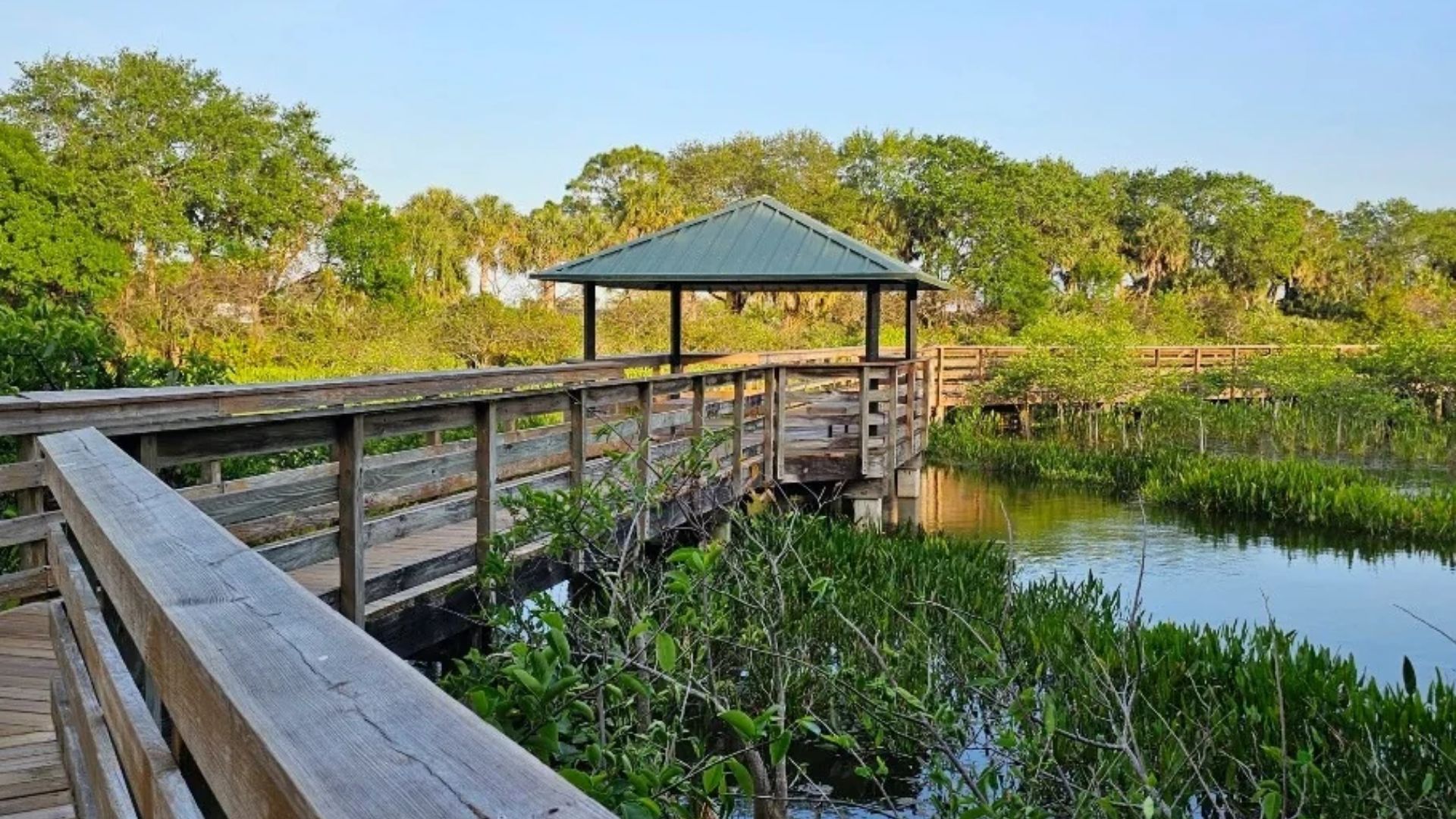
The elevated walkway makes it possible to appreciate nesting activity and feeding behavior without stepping into the marsh. Wood storks, anhingas, herons and egrets are among the species frequently associated with the site.
The arrangement is particularly good for casual wildlife enthusiasts. You don’t need a wilderness permit or a difficult hike to enjoy the surroundings. The boardwalk is relatively short and allows visitors to stop at viewpoints.
Admission is free, and access is generally tied to daylight hours. Verify seasonal opening and closing times before planning an unusually early or late visit.
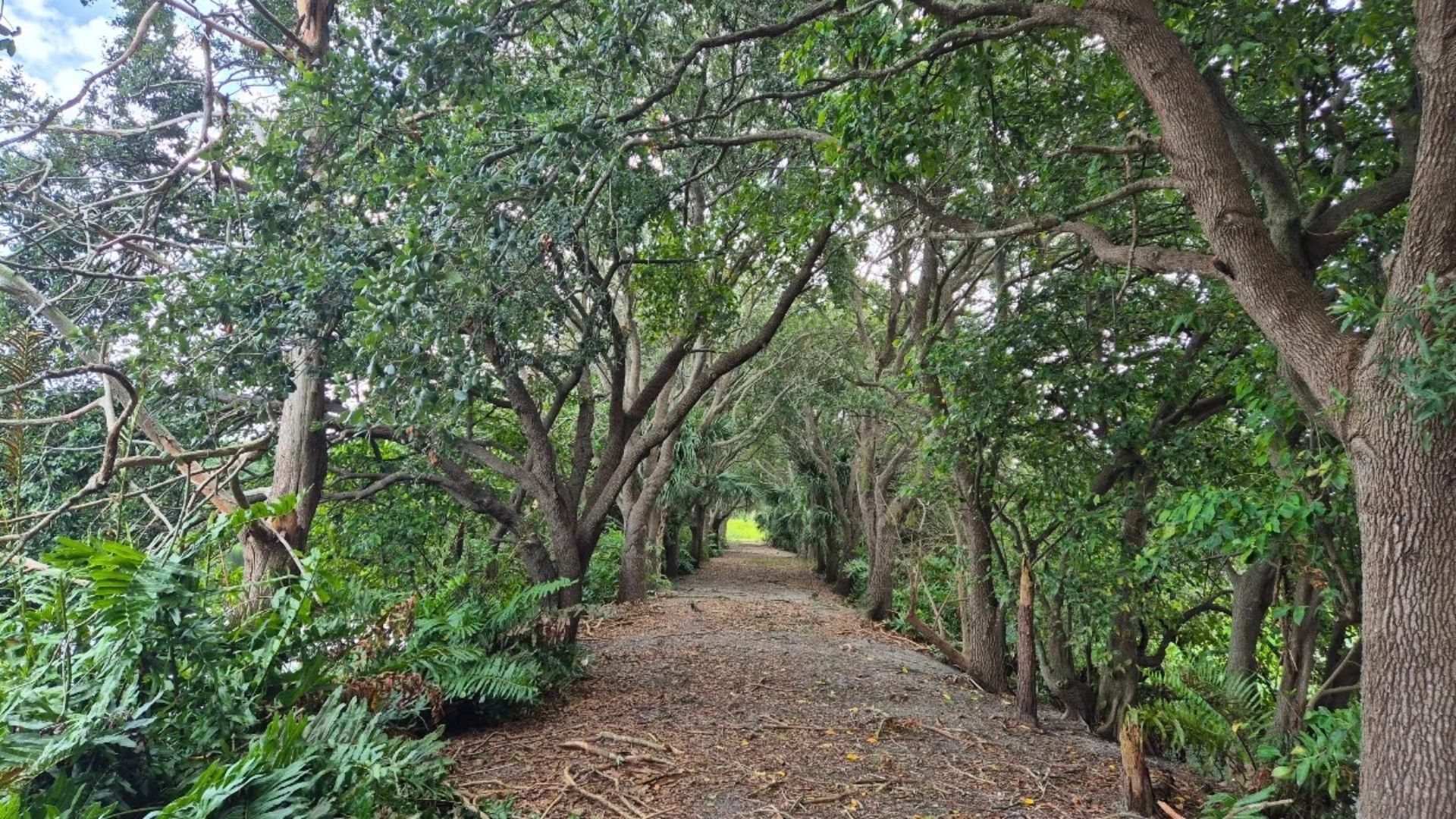
Winter and spring can be especially rewarding, although nesting activity varies from year to year. If birds are nesting, avoid loud behavior or crowding a viewing area for the sake of a photograph.
A camera with a modest zoom is useful, but binoculars can be even more enjoyable. They let you observe details such as a young bird waiting for food or an anhinga drying its wings without leaning toward a protected nesting area.
If you’re introducing children to birdwatching, Wakodahatchee is a particularly friendly starting point. They can see that looking closely at familiar wetlands often reveals more than a quick glance suggests.
5. CREW Bird Rookery Swamp, Near Naples
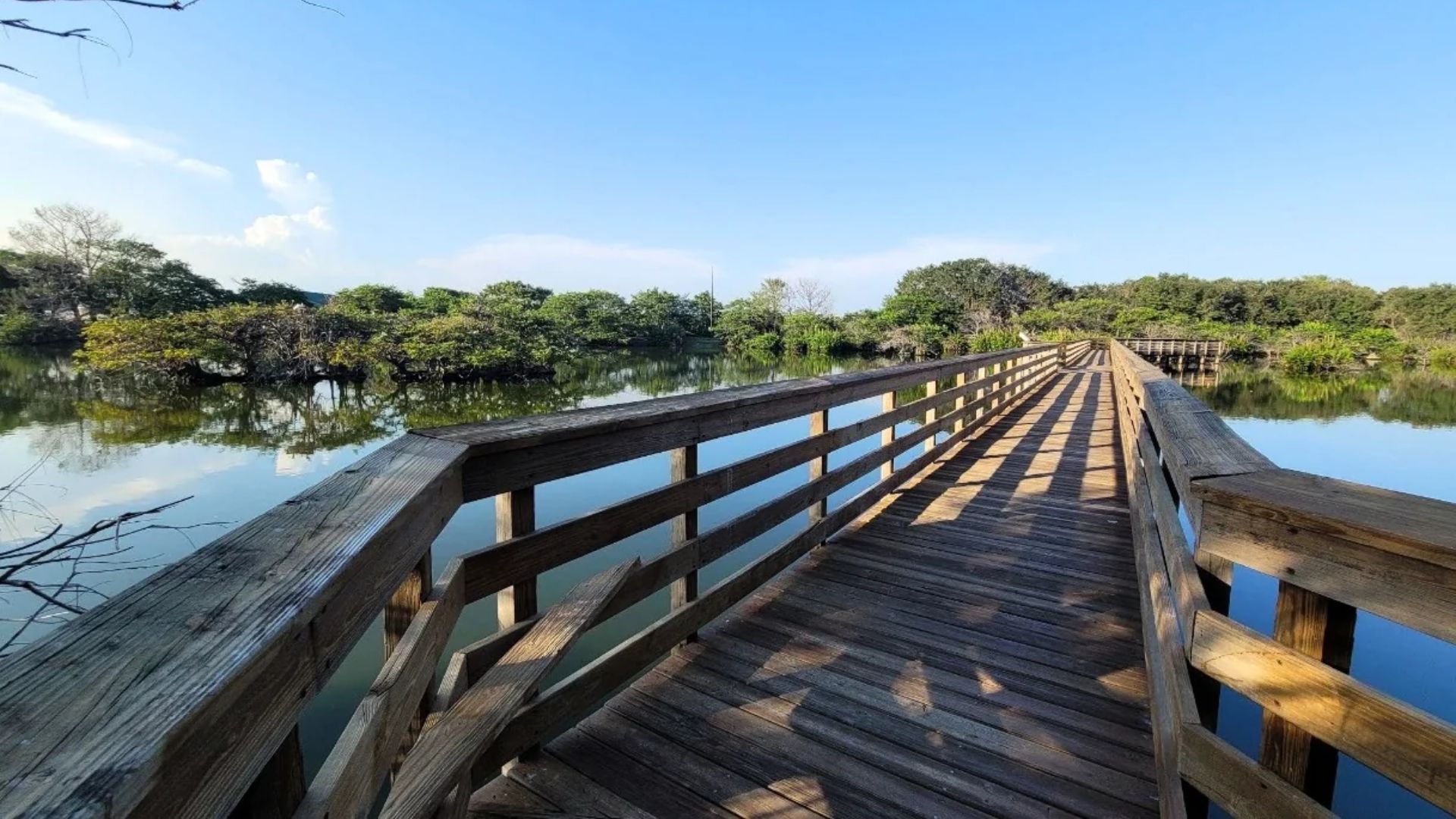
A Florida swamp can feel mysterious from the road. Step onto a maintained trail, however, and the landscape begins revealing its patterns: cypress trunks rising from wet ground, birds moving between branches, and flashes of sunlight reflecting from dark water.
The CREW Bird Rookery Swamp trail near Naples provides access to part of the Corkscrew Regional Ecosystem Watershed. Its trail system includes a long loop of roughly twelve miles, although visitors can enjoy a shorter out-and-back walk without attempting the entire distance.
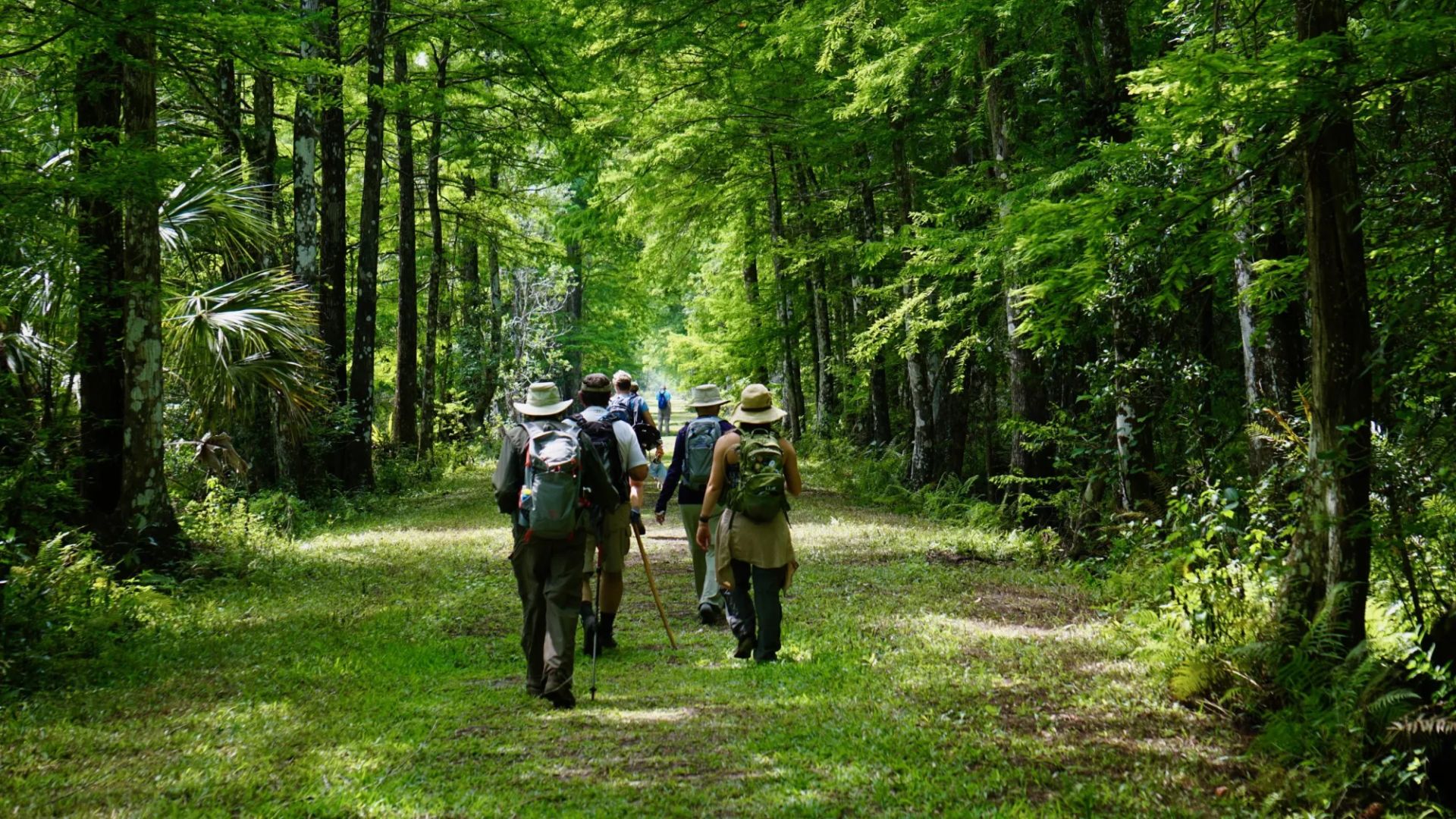
The main trail is generally flat, but that doesn’t automatically make it easy. Conditions can be wet, muddy or temporarily flooded. Biting insects may also be present, even outside the hottest months.
The attraction is the habitat itself. Look for wading birds, woodpeckers and other species adapted to swamp forest. Black bears occur in the broader region, but visitors should not plan around seeing one.
Entry to the trail is generally free. The access point is at 1295 Shady Hollow Boulevard West, east of Naples. Check the managing organization’s alerts before making a long trip, since water levels and maintenance can alter access.
Bring drinking water, closed-toe shoes and insect protection. A map is worthwhile if you’re exploring beyond the first section. Cell service is not a substitute for understanding where the trail leads.
The best plan for a casual visitor is to decide in advance how far to walk. Turn around while you still have enough energy and daylight to return comfortably.
Unlike a paved city boardwalk, Bird Rookery Swamp has a more natural, occasionally untidy character. That is not a flaw. It is the reason the place feels like an authentic encounter with Florida’s wetland landscape.
6. Shark Valley, Everglades National Park
The name is memorable, but don’t arrive expecting a parade of sharks. Shark Valley is an inland Everglades landscape where the main roadside wildlife stars are often alligators and wading birds.
The visitor area sits along the Tamiami Trail west of Miami. A roughly fifteen-mile paved loop extends through sawgrass habitat toward an observation tower with expansive views over the Everglades.
Here’s the detail that matters: ordinary visitor cars do not drive the loop. Travelers explore by walking, cycling or joining an authorized tram tour. The National Park Service charges an entrance fee for Everglades National Park, and tram tickets or bicycle rentals cost extra.
Winter is a particularly appealing season because temperatures are usually more comfortable and the drier months can concentrate animals near remaining water. Sightings vary, and alligators should be observed at a safe distance.
For first-time visitors, a tram tour can provide context. Guides explain the landscape and wildlife while travelers watch the scenery pass. Visitors who prefer more independence may choose bicycles, but the loop is longer than it looks in a photograph.
Parking can be difficult during the busiest winter hours. The National Park Service warns about long vehicle queues, particularly from late morning into the afternoon. Arrive early and check for current restrictions.
The open landscape can create a false sense of simplicity. There’s little shade on parts of the route, so bring water and sun protection even on a cooler day.
7. Anhinga Trail, Everglades National Park
If Shark Valley makes the Everglades feel enormous, the Anhinga Trail makes it feel wonderfully close.
Located near the Royal Palm area of Everglades National Park, this approximately 0.8-mile trail combines paved walking areas and boardwalks along a freshwater slough. It has become one of the park’s classic wildlife-viewing destinations.
Alligators may rest near the water or move slowly through the shallows. Anhingas, herons and other birds use the habitat, sometimes appearing close enough for excellent observation without leaving the designated path.
The short distance makes the trail suitable for many visitors who wouldn’t consider a long backcountry hike. But short doesn’t mean unimportant. The number and variety of possible sightings can make the experience surprisingly rich.
Winter’s drier conditions often produce especially good wildlife watching. Still, no visit guarantees a particular animal, and staying on the boardwalk is essential.
The trail lies inside Everglades National Park, so the park entrance fee applies. It is not a separate free roadside attraction.
Arrive in the morning if possible, when light is often attractive for photography and the temperature is comfortable. Bring binoculars even though some animals may appear fairly close.
A strong wildlife experience doesn’t mean getting within arm’s reach. Never feed an alligator, never block its path and give birds enough room to behave naturally.
Anhinga Trail pairs easily with other southern Everglades stops. But don’t hurry through simply because it is short. Find a place to pause, watch the water and give the scene time to unfold.
8. Corkscrew Swamp Sanctuary, Naples
Some boardwalks feel like a pleasant path through a wetland. Corkscrew Swamp Sanctuary feels like an introduction to an ancient forest.
Operated by Audubon near Naples, the sanctuary protects extensive wetland habitat, including old-growth bald cypress. Its boardwalk extends approximately 2.25 miles through different environments, allowing visitors to move from open habitat into forest with towering trees.
The changing scenery is part of the reward. Sunlight reaches the trail differently under the cypress canopy, and the sounds of birds can seem more pronounced when the surroundings grow quiet.
Wildlife sightings depend on conditions, but visitors may encounter wading birds, songbirds, turtles and other animals associated with the swamp. A quiet pace gives you the best chance to notice smaller details.
Corkscrew is a paid attraction, not a free public boardwalk. The sanctuary’s current admission information lists approximately $17 for adults, with separate prices for children and other categories. Check entry times because the latest admission may be well before closing.
The boardwalk makes the site more accessible than a muddy wilderness path, but appropriate footwear and water are still wise. Insect protection can be helpful, particularly if conditions are warm or damp.
Winter is a favorite time for many visitors, though the forest is interesting in every season. The experience is less about ticking a species off a checklist than understanding how water and trees shape the environment.
If you have time for only one extended boardwalk near Naples, this is a compelling option. It offers more than a glimpse of an animal. It offers a gradual introduction to the landscape that makes the animal’s presence possible.
The best wildlife encounters happen when you give them time
Florida’s winter wildlife season offers something different from a typical beach vacation. You may see a spoonbill from the comfort of a vehicle, watch a heron from a free urban boardwalk or spend hours beneath cypress trees where every rustle deserves attention.
Choose the experience that fits your day. Black Point and Ding Darling favor slow wildlife drives. Wakodahatchee works well for a quick introduction. Shark Valley offers a larger Everglades outing, while Corkscrew rewards visitors interested in old-growth forest and a longer boardwalk.
Fees and access rules vary substantially. National park admission isn’t the same as a wildlife-refuge pass, and a free trail may still have seasonal closures. Always check the managing agency’s current information.
Above all, keep wildlife wild. Watch from a distance, leave food packed away, stay on approved routes and never force an animal to change its behavior for a photograph.
The nicest reward is often the smallest one: realizing that the dark shape you nearly overlooked is an alligator, or watching a pink bird lift off a quiet marsh while the rest of the world is still thinking about breakfast.