Before Disney took over, these old Florida attractions were the stars of the show and they still attract visitors
Before a mouse became the face of Florida tourism, the state’s highways had a different kind of advertising campaign. Hand-painted signs promised underwater mermaids, enormous alligators, singing bells and a mysterious hill where cars seemed to defy gravity.
The attractions might have sounded impossible. That was rather the point.
Imagine the appeal of such a sign after hours on a two-lane road, with no phone to tell you exactly what waited around the next bend.
Read also: Historic Florida restaurants where a good meal comes with a remarkable story
You stopped because curiosity won. Perhaps the family bought postcards, somebody posed for a photograph and the car continued south with a story to tell.
Florida’s roadside tourism never completely vanished when the theme parks arrived. Some of its classics adapted. Others became public parks or museums.
A few survive because their strangeness is part of the fun. These eight destinations preserve different pieces of the era when the drive itself was a major part of the vacation.
Read also: The magnificent Florida holiday light displays worth a road trip this Christmas season
1. Weeki Wachee Springs, Weeki Wachee
A mermaid performing underwater sounds like the sort of thing a roadside billboard might exaggerate. At Weeki Wachee, it is the actual attraction.
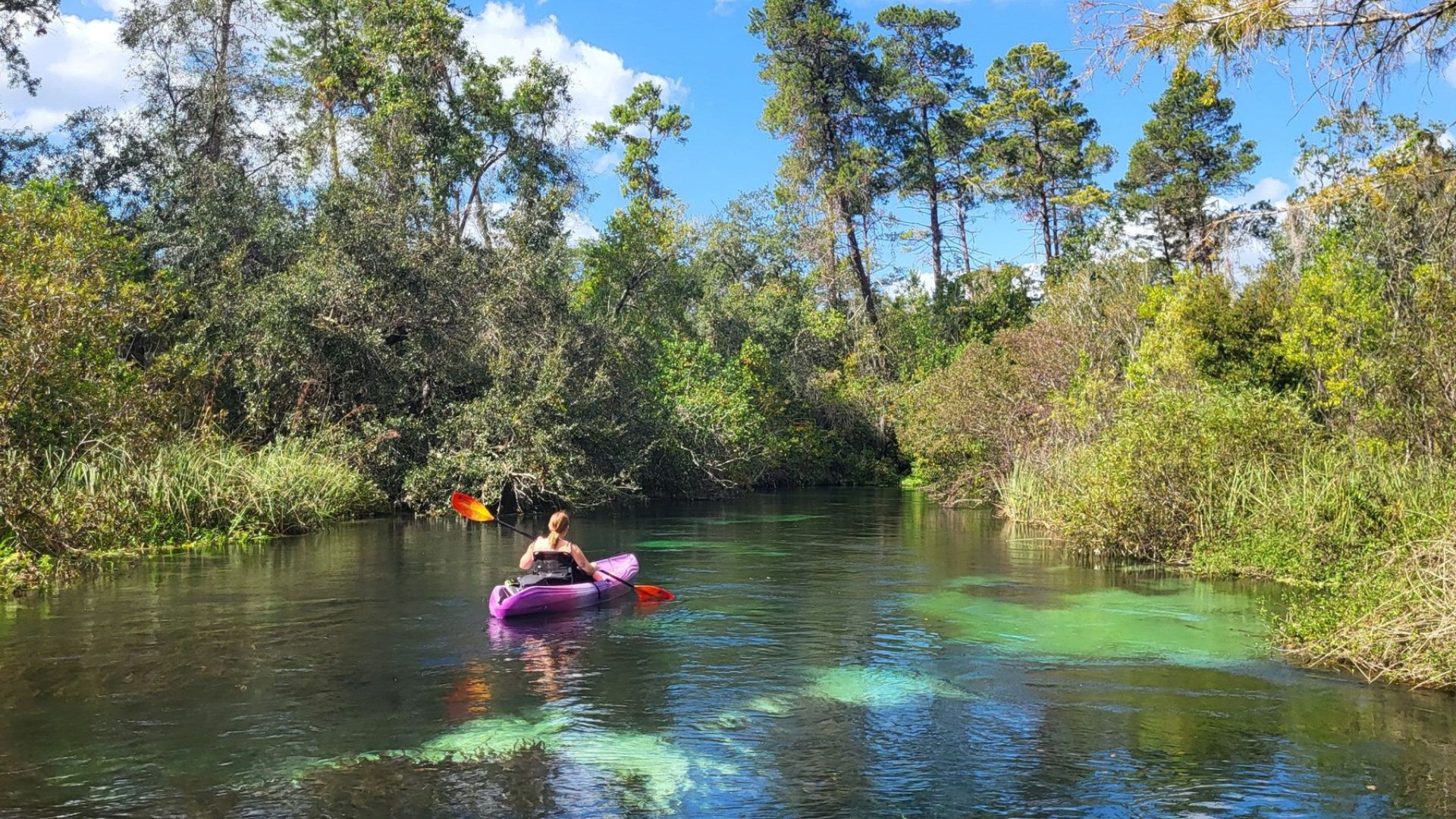
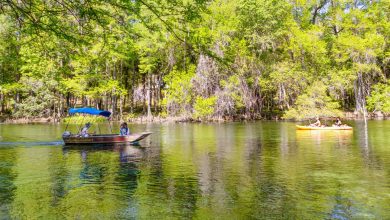
Newton Perry developed the spring as a tourist destination in 1947, turning its natural clarity into a stage for underwater performers. Instead of watching through an aquarium window filled with tropical decorations, visitors viewed a performance in a submerged theater built into a remarkable Florida spring.
Read also: These 8 Florida scenic byways turn a drive into a whole vacation
The show became nationally famous. In 1959, the American Broadcasting Company acquired the attraction and promoted the mermaids to a much wider audience.
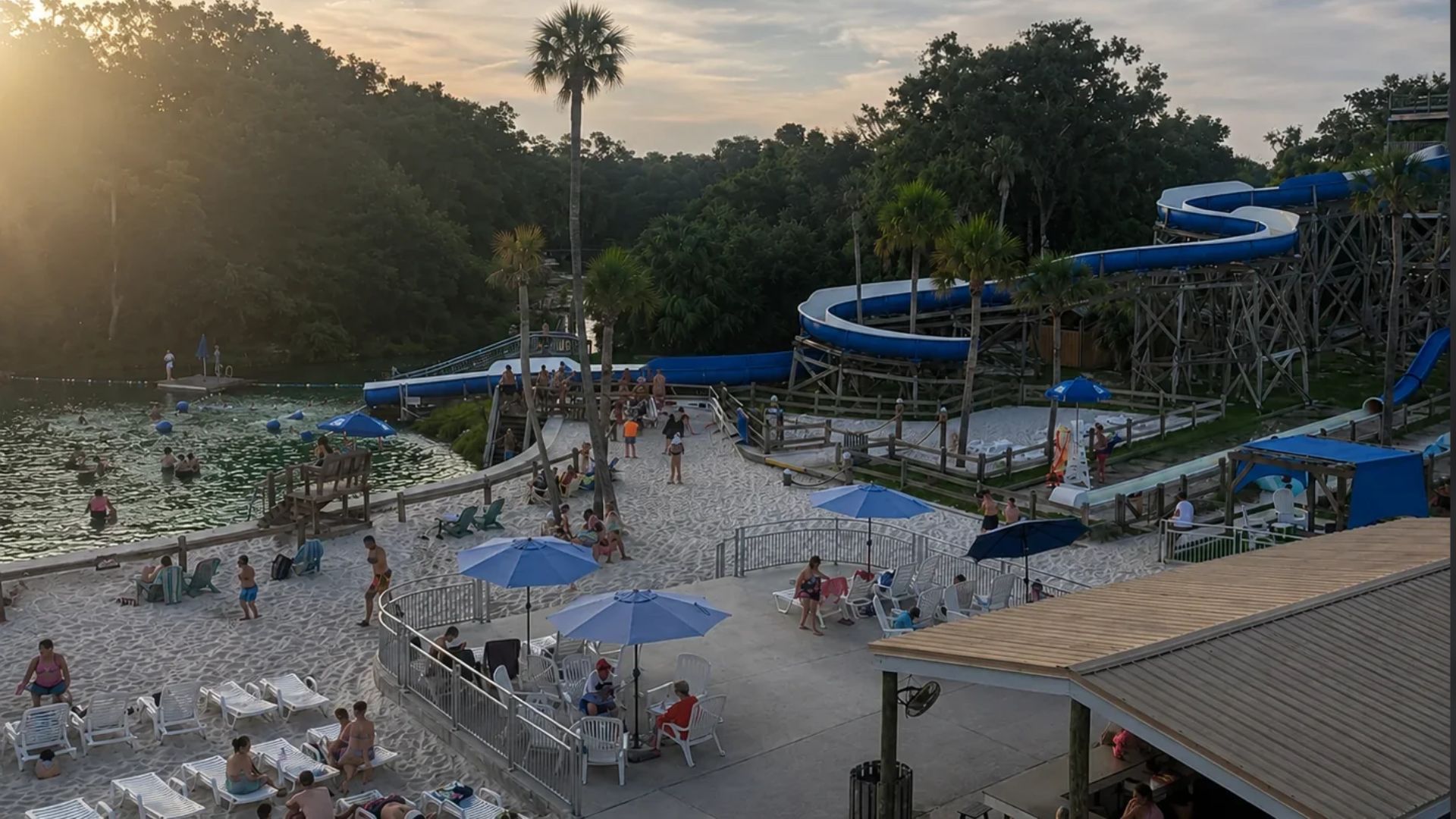
Weeki Wachee later became part of Florida’s state park system, but the unusual performance tradition continued.
Today’s visitors can see live mermaid productions and educational presentations, depending on the posted daily schedule. The park’s official materials list underwater shows at designated times, with seating first-come, first-served.
Severe weather and unusually cold temperatures can force cancellations because the performers work in natural spring water.
The park also has swimming and other recreation, though water slides and some facilities operate seasonally or may be undergoing improvements. It would be a mistake to assume that the same experience is available in every month.
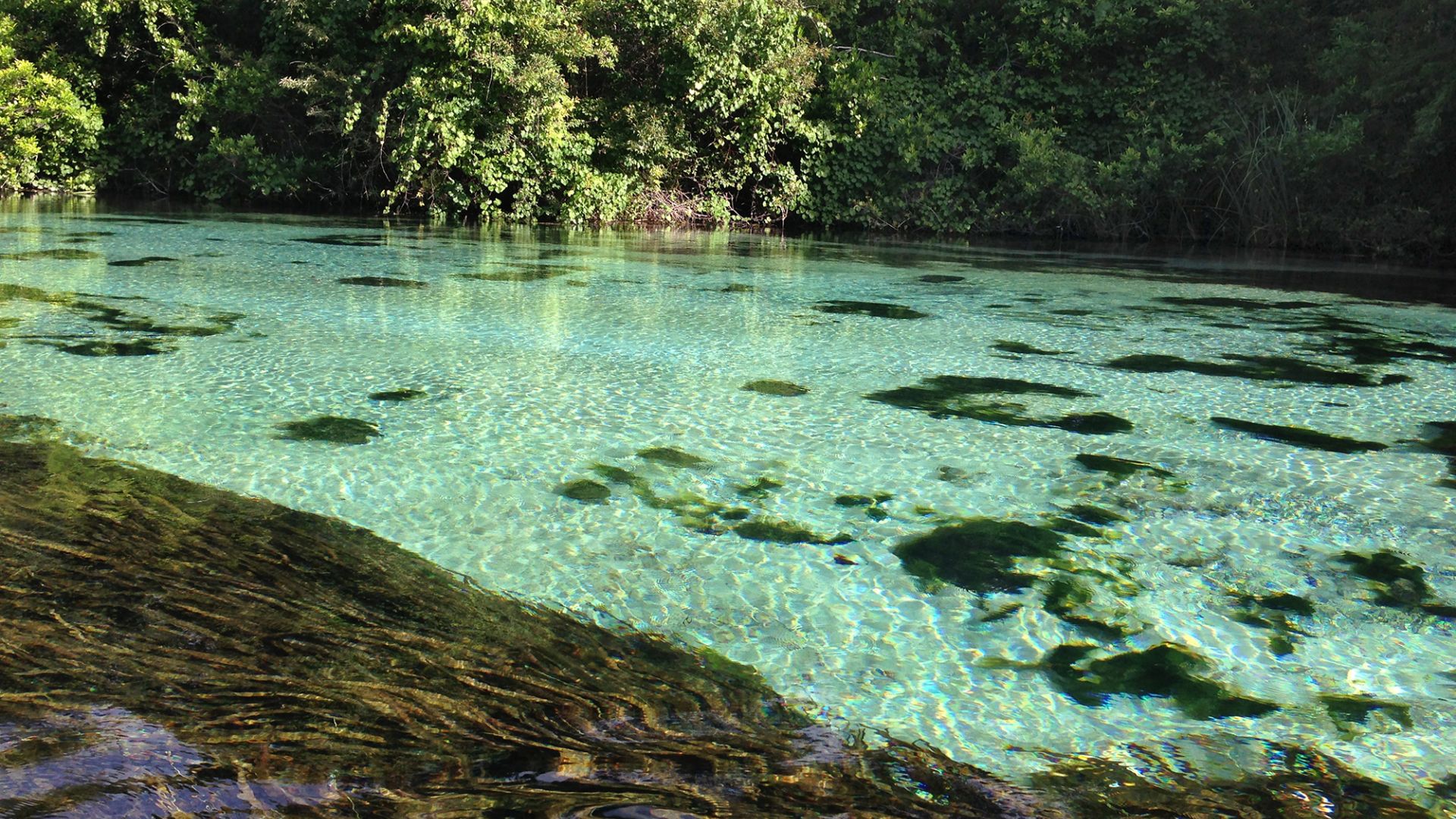
Go for the spectacle, but enjoy the setting, too. The real surprise isn’t that someone imagined an underwater fairy tale. It’s that the crystal-clear spring made the idea possible at all.
2. Gatorland, Orlando
Before Orlando became synonymous with giant entertainment complexes, Owen Godwin saw a simpler opportunity: people visiting Florida wanted to see alligators. In 1949, he opened the attraction that would become Gatorland.
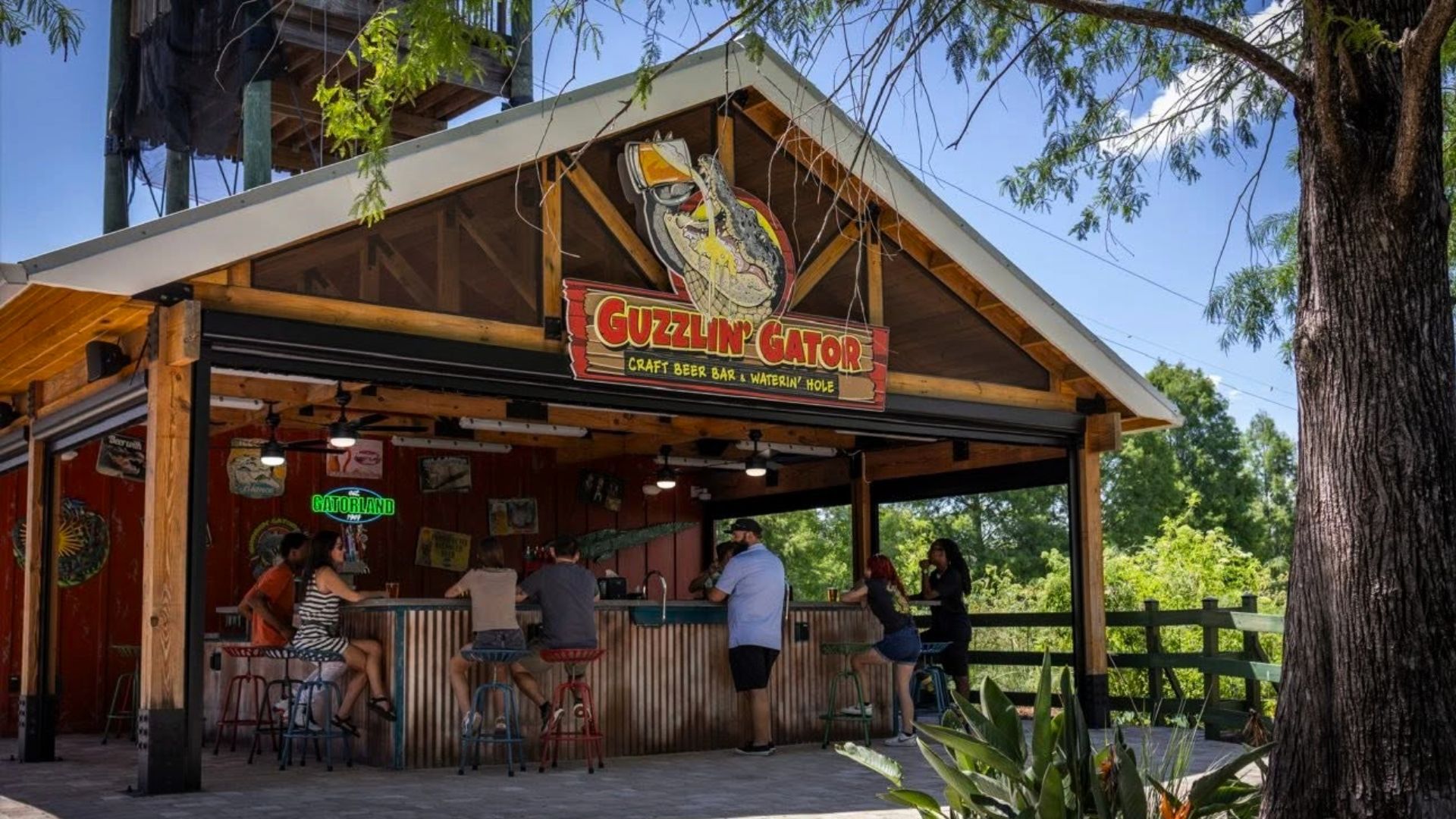
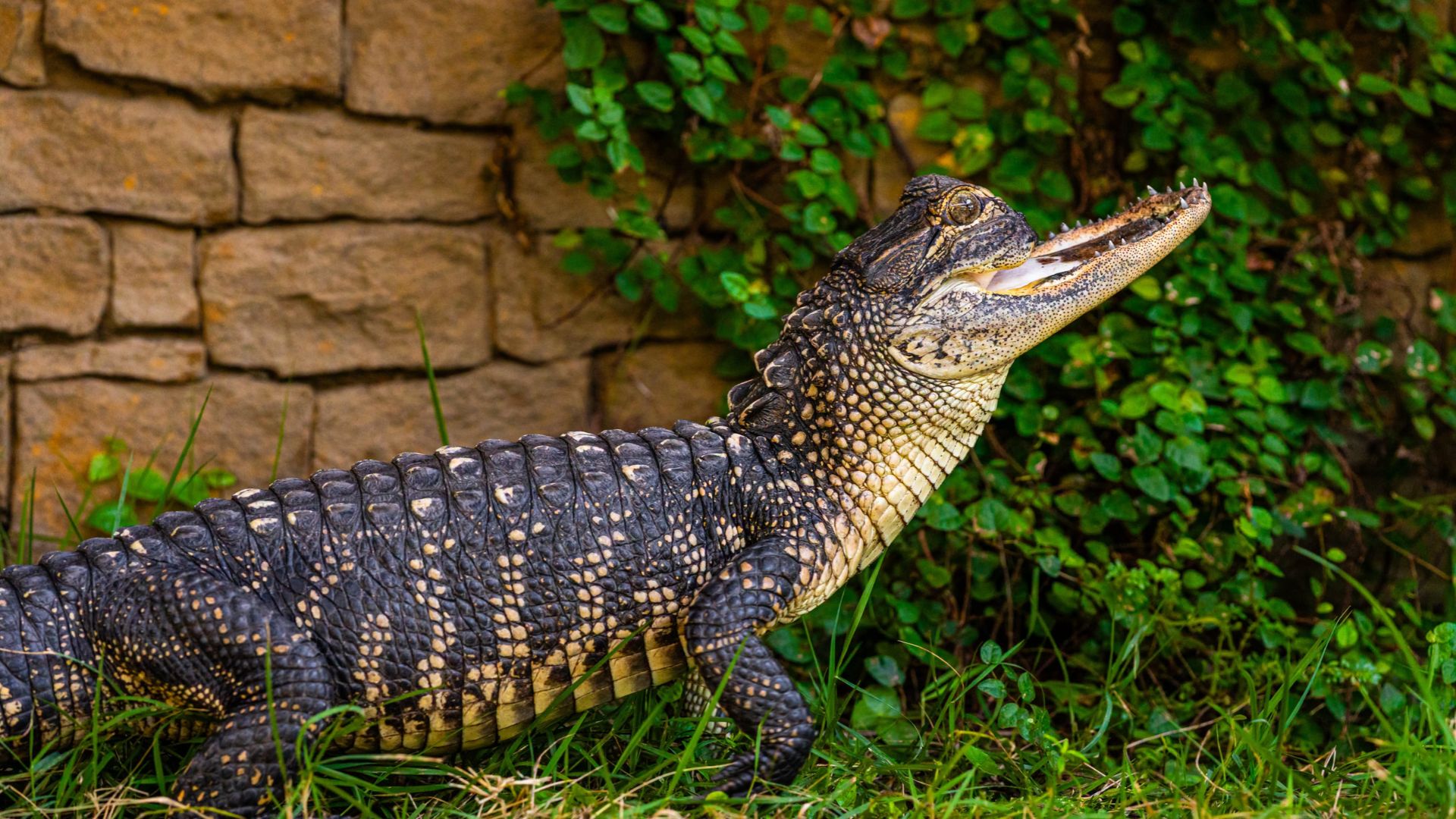
The business remains associated with the founding family and has grown into a sprawling wildlife park. The animals are the obvious reason to visit, including alligators and crocodiles of different sizes, but the attraction also introduces visitors to wetland habitats, conservation programs and the extraordinary adaptations of these reptiles.
Read also: The most popular Florida beaches that rank among America’s best right now
Gatorland has long embraced the playful side of roadside advertising. Its oversized entrance, dramatic signage and unapologetic enthusiasm belong to the age when an attraction needed to grab attention from a passing car window.
Today, visitors can choose between everyday exhibits and additional experiences sold separately. If a particular animal encounter or activity is important, check the current schedule and price rather than expecting it to be included with basic admission.
The most interesting experience may simply be watching an alligator remain astonishingly still. Its calm appearance can fool an observer into forgetting just how powerful the animal is. Follow staff instructions, stay within designated visitor areas and don’t mistake stillness for tameness.
Read also: Amazing Florida citrus stops where the old roadside tradition still tastes sweet
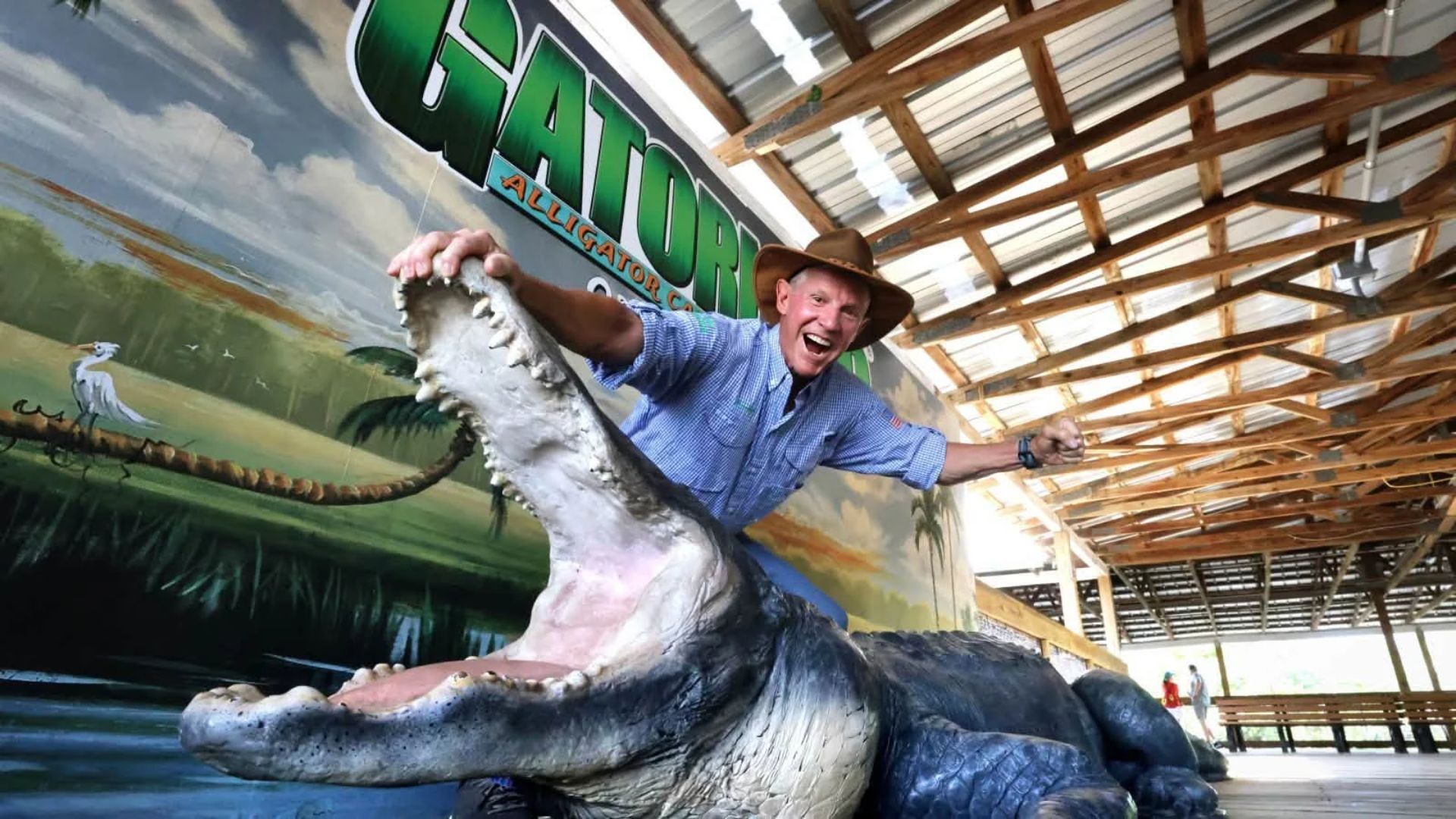
This is a place to see Florida wildlife in a managed setting, not a license to approach wild alligators elsewhere. That’s a lesson worth carrying onto the rest of a state road trip.
3. Bok Tower Gardens, Lake Wales
The attraction at Bok Tower Gardens doesn’t shout for attention. It rings.
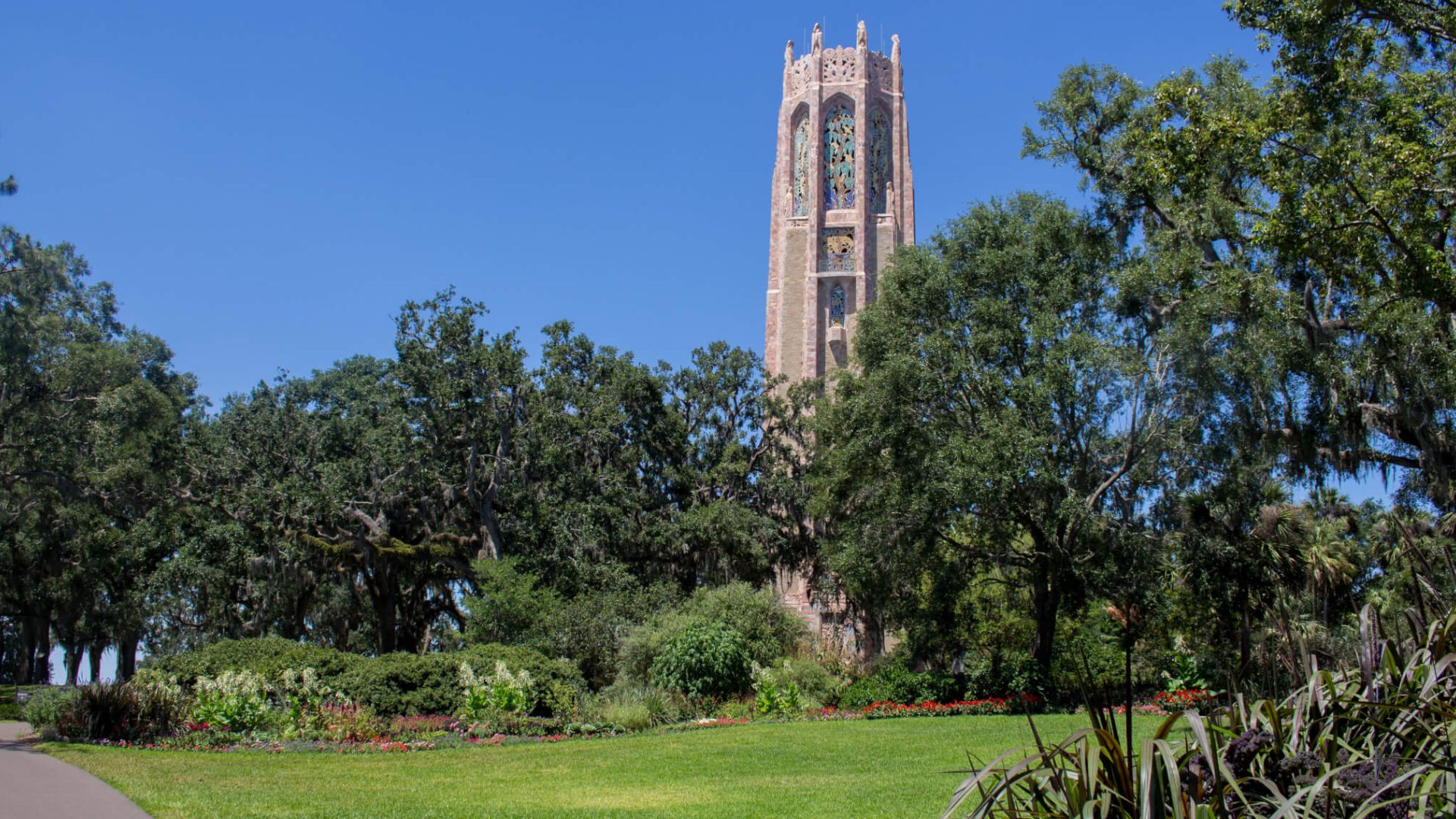
Opened in 1929, the gardens grew from the vision of publisher Edward W. Bok, who wanted to create a peaceful place combining landscape, art and music. The centerpiece is the Singing Tower, an ornate carillon structure rising above Iron Mountain in Central Florida.
Unlike a conventional bell tower, a carillon uses a keyboard mechanism to play tuned bells. The music carries across landscaped grounds where walking paths, gardens and quiet corners invite visitors to slow down. It is not difficult to imagine why this place offered a different promise from the loud signs lining the state’s highways.
Read also: Not so known small Florida towns that feel like stepping back in time
The tower’s architecture is striking, but the landscaping deserves equal attention. Seasonal flowers, mature trees and carefully arranged views make the property feel more like a place for lingering than a one-photo stop.
Check the official performance and admission schedule before your visit. Music times can change, and special events may affect which parts of the gardens are accessible. The carillon is best appreciated with time to sit and listen rather than rushing from one viewpoint to another.
Pair Bok Tower with nearby Spook Hill for a distinctly old-fashioned Lake Wales day. One stop asks you to listen quietly. The other invites you to question what your eyes are telling you. Together they capture how many kinds of wonder early Florida tourism was willing to offer.
4. Spook Hill, Lake Wales
There is no elaborate ticket booth at Spook Hill. In fact, the attraction hardly looks like an attraction at all. It’s a stretch of road in Lake Wales with a marker explaining where to position your car for an unusual visual trick.
The idea is simple. From the marked point, the surrounding landscape creates the impression that a vehicle in neutral moves uphill. Visitors have repeated the experiment for generations, helped along by stories that attach local mystery to the spot.
But the phenomenon is an optical illusion, not evidence that gravity behaves differently in Lake Wales. The shape of the road, nearby terrain and misleading horizon cues make a slight slope look like the opposite of what it is.
That doesn’t make the stop less enjoyable. Quite the opposite. Discovering how readily perception can be fooled is an entertaining part of the visit. The experience also invites a little friendly disagreement among people in the car about which direction the road actually rises.
Spook Hill is free and lies on a public road near Bok Tower Gardens. Because it isn’t a controlled theme-park ride, ordinary traffic safety rules are essential. Follow posted directions, use the marked area and never block moving traffic to repeat the experiment.
The appeal is modest and delightfully old-fashioned. You might spend only a few minutes there, but the memory tends to outlast many more elaborate attractions. Sometimes a good roadside stop needs nothing more than a strange claim and a safe place to investigate it.
5. Coral Castle Museum, Homestead
Coral Castle seems to belong to two Florida eras at once. It reflects the eccentric entrepreneurial spirit of old roadside tourism, yet it also stands as an extraordinary example of what a determined individual can create over many years.
Edward Leedskalnin began working with huge blocks of limestone in the 1920s, shaping a collection of walls, sculptures and unusual objects that eventually became Coral Castle. Visitors have long been fascinated by how he handled the heavy material and why he devoted so much of his life to the project.
That curiosity has generated plenty of speculation. The important distinction is that imaginative explanations about hidden powers are stories, not established engineering facts. The stones, tools and physical structure are remarkable without inventing supernatural causes.
Today the museum at 28655 South Dixie Highway in Homestead offers guided visits and an introductory film. Its official site lists adult admission at $25 and says tickets are purchased on arrival. One part of the website displays a later closing time than another, so confirm current hours directly before driving a long distance.
The best way to experience Coral Castle is to allow yourself time to look carefully. Notice the scale of the walls and the unusual shapes, then consider the patience involved in creating them.
There is a particular kind of roadside magic in a place that becomes more interesting when the exaggerated legend is separated from the real work. Coral Castle has both in abundance.
6. Skunk Ape Research Headquarters, Ochopee
Florida’s roadside history has never been limited to things that can be neatly explained. In the Everglades, the Skunk Ape legend supplies another kind of attraction entirely.
Stories describe a mysterious, large, foul-smelling creature said to inhabit parts of South Florida. The legend is often compared with Bigfoot. It belongs to regional folklore, and no credible scientific evidence establishes that such an animal exists.
That hasn’t stopped visitors from enjoying the story. At the Skunk Ape Research Headquarters, located on the Trail Lakes Campground property along Tamiami Trail in Ochopee, the legend has become part of a quirky roadside stop.
The headquarters is associated with Dave Shealy and includes displays and merchandise connected to the supposed creature. The site also sits in a region where real wildlife and wetland landscapes provide more than enough reasons to explore responsibly.
Treat the attraction as folklore and entertainment rather than a verified wildlife research institution. The surrounding Everglades deserve a different level of seriousness: alligators, birds, water conditions and changing weather are real concerns.
The headquarters lists its address as 40904 Tamiami Trail East. Confirm visitor access and any fees before stopping, particularly if you’re combining the visit with a longer journey through the Big Cypress and Everglades region.
It’s exactly the kind of place an old Florida traveler might have noticed from a sign, wondered about for miles and finally pulled over to investigate.
7. Sunken Gardens, St. Petersburg
The name sounds mysterious, but Sunken Gardens offers something gentler: a historic tropical garden tucked into the middle of a city.
Its origins go back more than a century, when George Turner Sr. began developing a lush botanical landscape in a low-lying area. The gardens grew into one of Florida’s enduring roadside attractions, long before the modern tourism economy transformed the state.
Visitors today can follow paths through a densely planted environment where the greenery sometimes feels almost impossibly rich. Palms, flowers, water features and mature tropical plants help create an experience that’s very different from the beaches nearby.
This is a place to walk slowly. The pleasure is not tied to completing a ride or catching a single scheduled performance. Instead, the attraction rewards attention: the way leaves overlap, a shift in color between plantings, or a quiet corner that seems far removed from city traffic.
Sunken Gardens is now a city-operated attraction, with normal admission and seasonal programming. Check its official calendar for hours, special events and any maintenance closures. Since the grounds are botanical rather than an indoor museum, comfortable shoes and a plan for the weather make sense.
The gardens are also an appealing example of how old Florida attractions can remain relevant by doing what they were originally good at. Here, the selling point is still the chance to step into another world for an hour or two, without needing to leave the city.
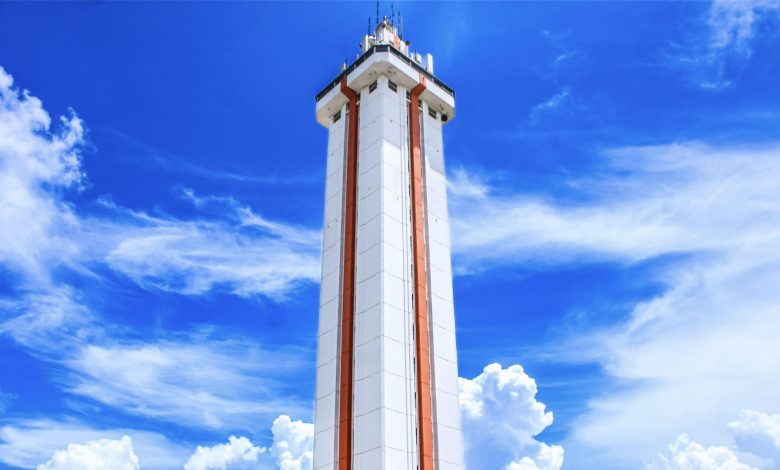
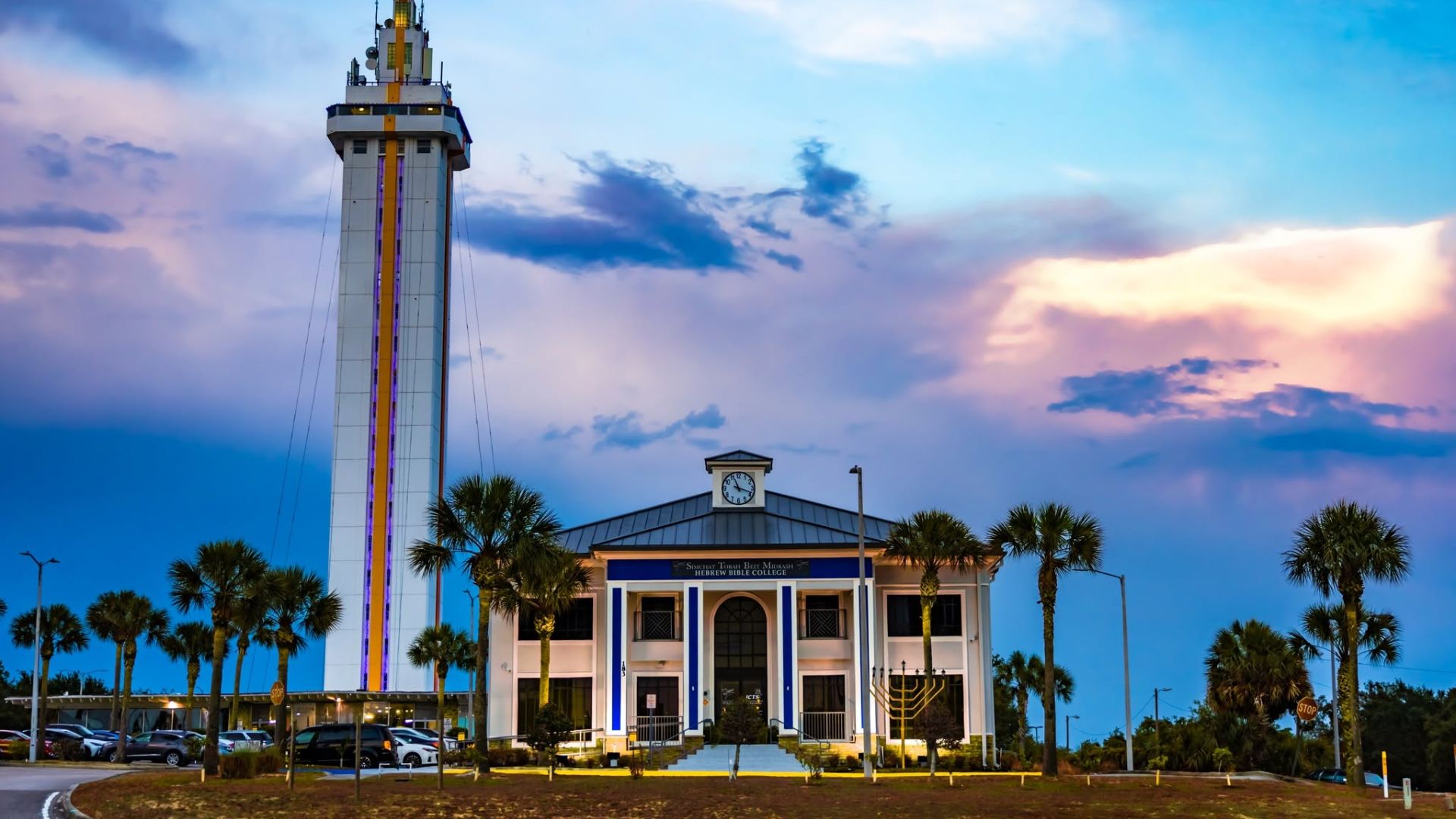
8. Florida Citrus Tower, Clermont
In 1956, a tower overlooking Central Florida’s orange groves offered a remarkable promise: climb high enough, and the landscape would spread out in every direction as a sea of citrus trees.
The Florida Citrus Tower in Clermont became one of the state’s recognizable roadside landmarks. Its observation level gave visitors a perspective on the vast agricultural industry that shaped the region before suburban development changed much of the surrounding land.
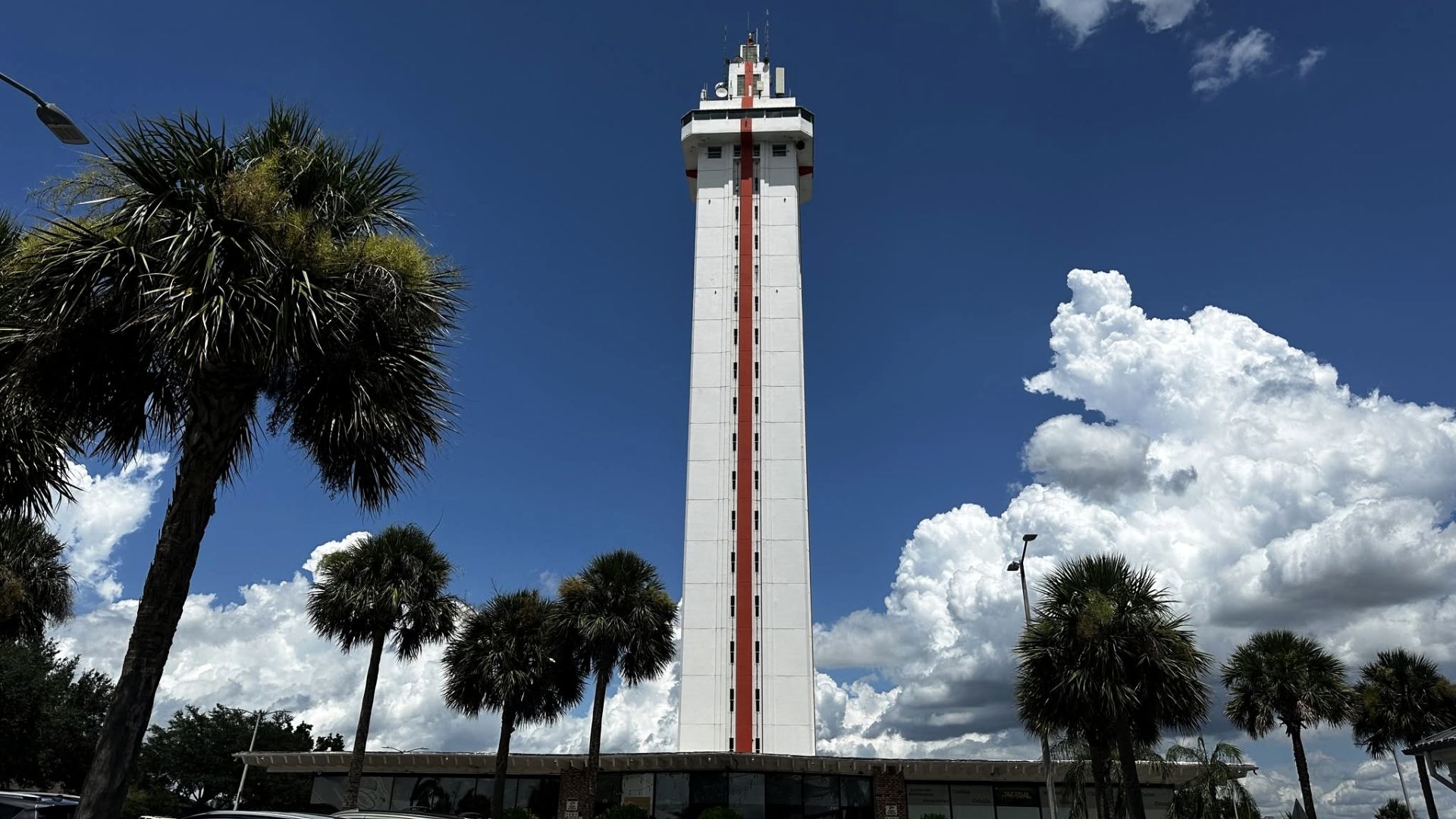
The view today is very different. Clermont has grown, and many areas once covered in groves have become neighborhoods, roads and commercial districts. That transformation gives the tower another kind of historical value. It lets visitors see just how extensively Central Florida has changed.
The building continues to be associated with visitor activities and businesses, although exact observation-deck access, ticketing and operating arrangements should be checked on the official tower website before traveling. Historical attractions sometimes update how their spaces are used without changing the familiar exterior.
If access is available, look beyond the immediate skyline and try to imagine the region before the surrounding development. The original attraction was about scale: the extraordinary extent of citrus production visible from above.
The Florida Citrus Tower is less spectacular in the theatrical sense than Weeki Wachee or Gatorland. Its interest lies in the way a simple observation platform became an icon of the era when orange groves were part of Florida’s public image.
Take the old road when you can
These attractions aren’t all close together, so this is better understood as a collection of regional outings than one frantic day. Lake Wales offers the easy pairing of Bok Tower Gardens and Spook Hill. Orlando and Weeki Wachee make a Central Florida route with very different styles of entertainment. St. Petersburg has Sunken Gardens, while the Homestead-to-Ochopee area offers the eccentric contrast of Coral Castle and the Skunk Ape story.
The old billboards promised amazement. What survives today is more interesting than a promise alone: gardens that still grow, historic buildings, a community’s shared legends and attractions that continue adapting after decades of change.
You don’t have to pretend every piece of the marketing was literally true to enjoy it. Stop, look around, learn a little history and give yourself permission to appreciate something wonderfully odd.
The next big attraction will still be there. So will the highway. But some of the best Florida stories begin when you turn off the main road to find out what that strange sign was talking about.