Republicans face total meltdown: Step by step, GOP and Trump are losing Florida and numbers don’t lie

Florida – Republicans have watched a series of warning signs flash across the map in recent months.
In Virginia, Pennsylvania and other battlegrounds including Florida, setbacks in key districts have raised fresh questions about whether the party can keep its footing heading into the next congressional election cycle.
What once looked secure in some places has started to look more fragile, and the latest numbers out of South Florida suggest that pattern may now be reaching a district that should, on paper, be comfortably Republican.
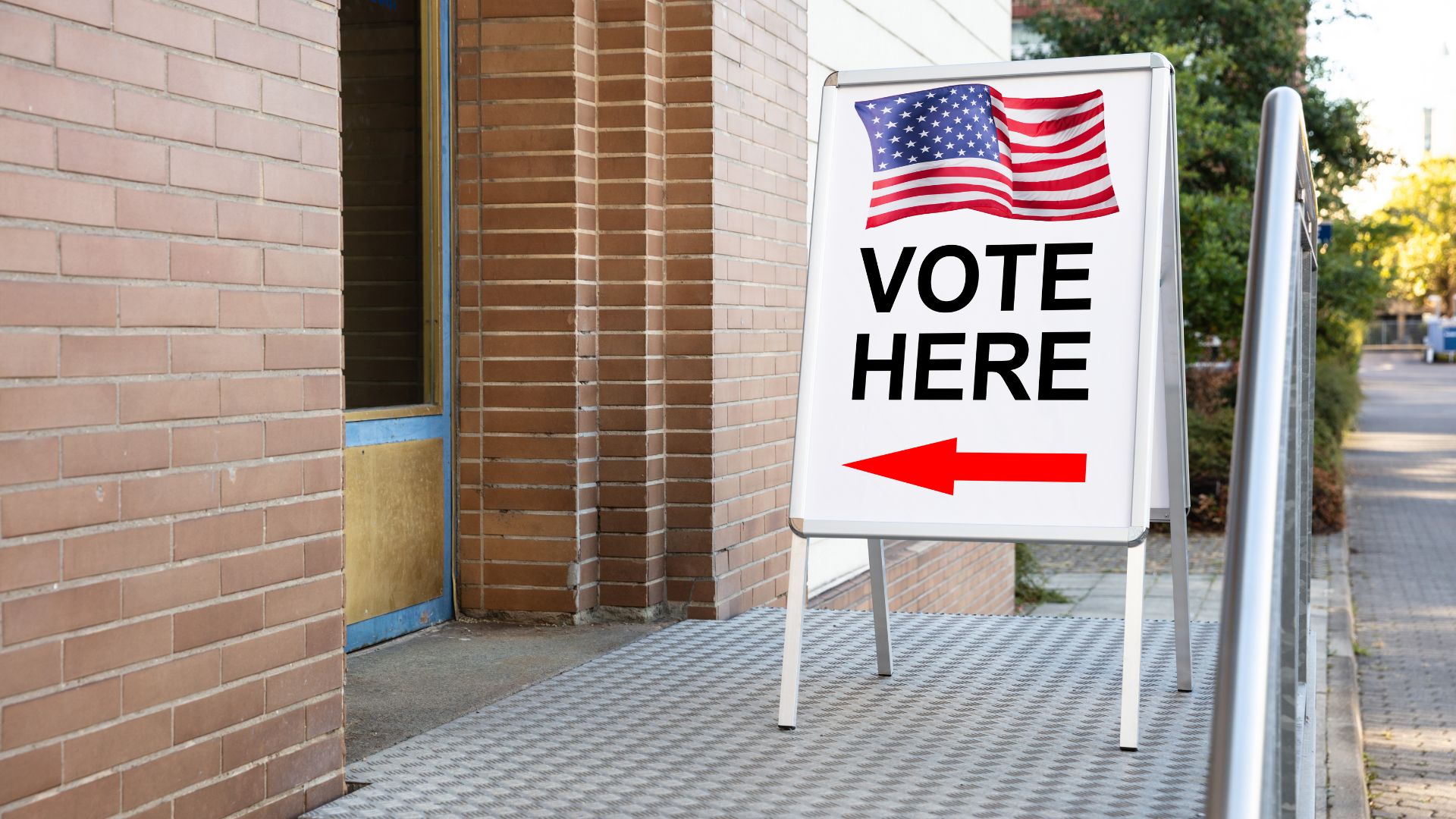
That is what makes the new polling in Florida’s 28th Congressional District so striking.
In a seat Donald Trump carried by 25 points in the 2024 presidential election, Republicans are no longer sitting on the kind of cushion many would expect.
Instead, the contest appears to be tightening, turning a district that once looked safely in the GOP column into one worth watching.

A new survey conducted by EDGE Communications and MDW Communications found Republicans holding only a narrow advantage in the district.
When candidate names were left out, Republican support stood at 45 percent, compared with 41 percent for Democrats, a gap small enough to fall within the poll’s margin of error of plus or minus 4.3 percentage points.
Once the candidates were named, incumbent Republican Congressman Carlos Giménez led Democratic challenger Hector Mujica by six points, 46 percent to 40 percent, while 14 percent of voters remained undecided, according to reporting by Florida Politics.
That is a remarkable shift in a district where the recent electoral history suggests a far more comfortable Republican edge. Giménez won reelection there in November 2024 with 64.6 percent of the vote, while Democratic candidate Phil Ehr received 35.4 percent.
In the presidential race, Trump carried Florida with 56.1 percent, defeating Kamala Harris, who won 43 percent statewide. In the 28th District specifically, Trump posted an even stronger showing, defeating Harris 62.36 percent to 36.96 percent.
The new poll suggests that advantage may not be translating as cleanly into the 2026 congressional environment.
Among third-party and no-party voters, Mujica held a small lead over Giménez, 39 percent to 34 percent, with 27 percent still undecided. That slice of the electorate could become a decisive force if the race continues to narrow, especially in a midterm climate where independent voters often play an outsized role.
The stakes stretch beyond one South Florida seat.
Republicans are working with a slim House majority, and every competitive district matters if they want to preserve enough votes in Congress to advance Trump’s agenda. A loss in a district like this would not only chip away at that margin, but also deliver a symbolic blow in Trump’s home state, where Republicans have come to expect strength rather than slippage.
It would also arrive at a moment when Democrats have shown unexpected energy in Florida special elections, adding to the sense that political gravity in the state may not be moving in only one direction. Even in districts with a recent Republican pedigree, the numbers now suggest that frustration over daily life issues could be reshaping the field faster than party labels alone might indicate.
Christian Ulvert, founder and president of EDGE Communications, told Florida Politics,
“This data confirms what we’re seeing across South Florida: voters are frustrated with the cost of living and tired of the same political dysfunction,” Christian Ulvert, founder and president of EDGE Communications, told Florida Politics.
“The path to victory for Hector Mujica in CD 28 runs through independent voters, who are already breaking away from Republicans and looking for a credible alternative focused on affordability and accountability.”
Read also: More than $200 million headed to Florida to improve rural hospitals workforce and patient access
The poll was conducted in early March among 514 voters. EDGE Communications is advising Mujica’s campaign, a detail that will naturally shape how Republicans view the numbers. Even so, the survey adds to a larger political story now unfolding across several states: districts that once seemed locked down are starting to look competitive again.
The election is set for November 3, 2026. Between now and then, what happens in Florida’s 28th District may say a great deal about whether Republican strength in Trump-friendly territory remains solid or whether another crack is beginning to widen.