“This is really a dangerous road”: Controversial Trump-fueled bill moves forward as war on unlawful voting escalates in Florida
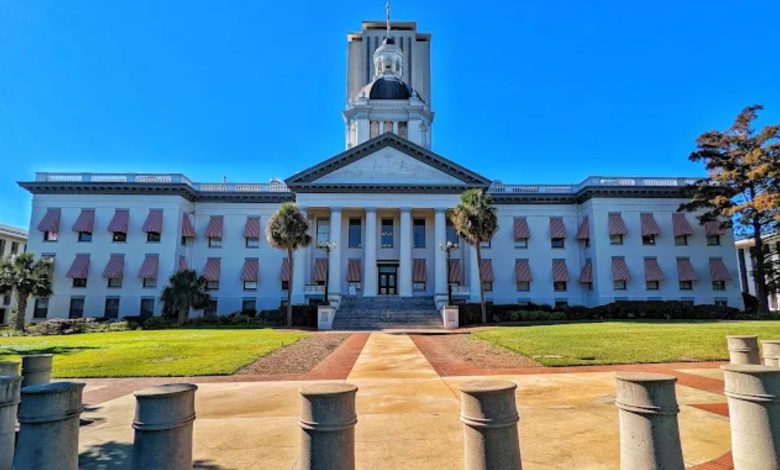
Florida – Florida lawmakers moved forward this week with two controversial pieces of legislation that together signal how aggressively the state’s Republican leadership intends to reshape both election rules and the boundaries of local government authority.
By week’s end, measures tied to election security and cultural policy had cleared the GOP-controlled Legislature, placing both bills on a path to the desk of Gov. Ron DeSantis.
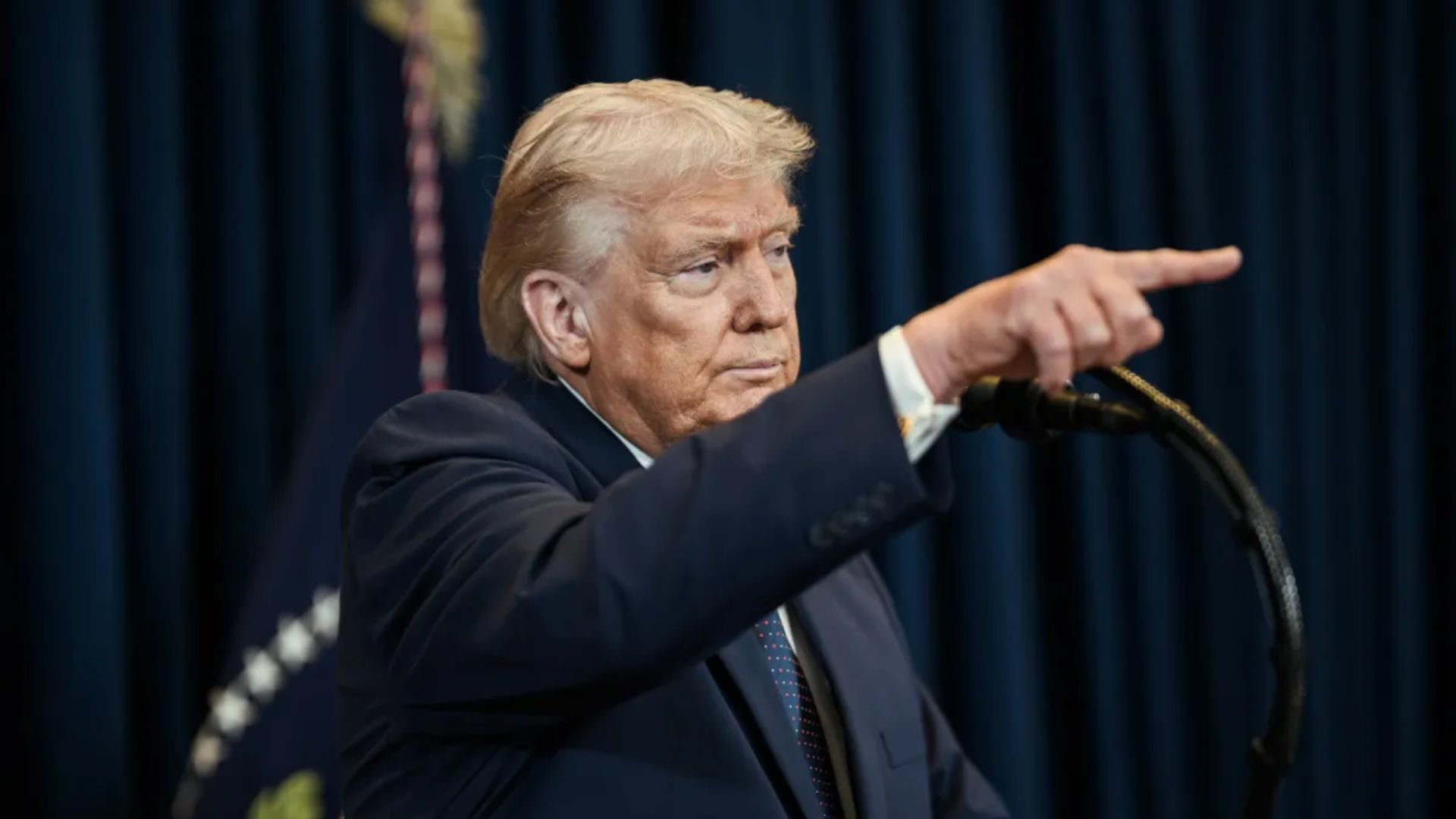
One of the most significant developments came Thursday evening, when the Florida House approved a sweeping elections proposal modeled after the federal SAVE America Act championed by President Donald Trump.
The legislation introduces strict new proof-of-citizenship requirements for voters, a policy supporters say will strengthen public confidence in elections.
Yet the timing of those changes carries an important twist.
The new requirements would not take effect until January of next year, after the upcoming midterm elections. That delay means voters heading to the polls in the next national cycle would not be subject to the stricter documentation rules.
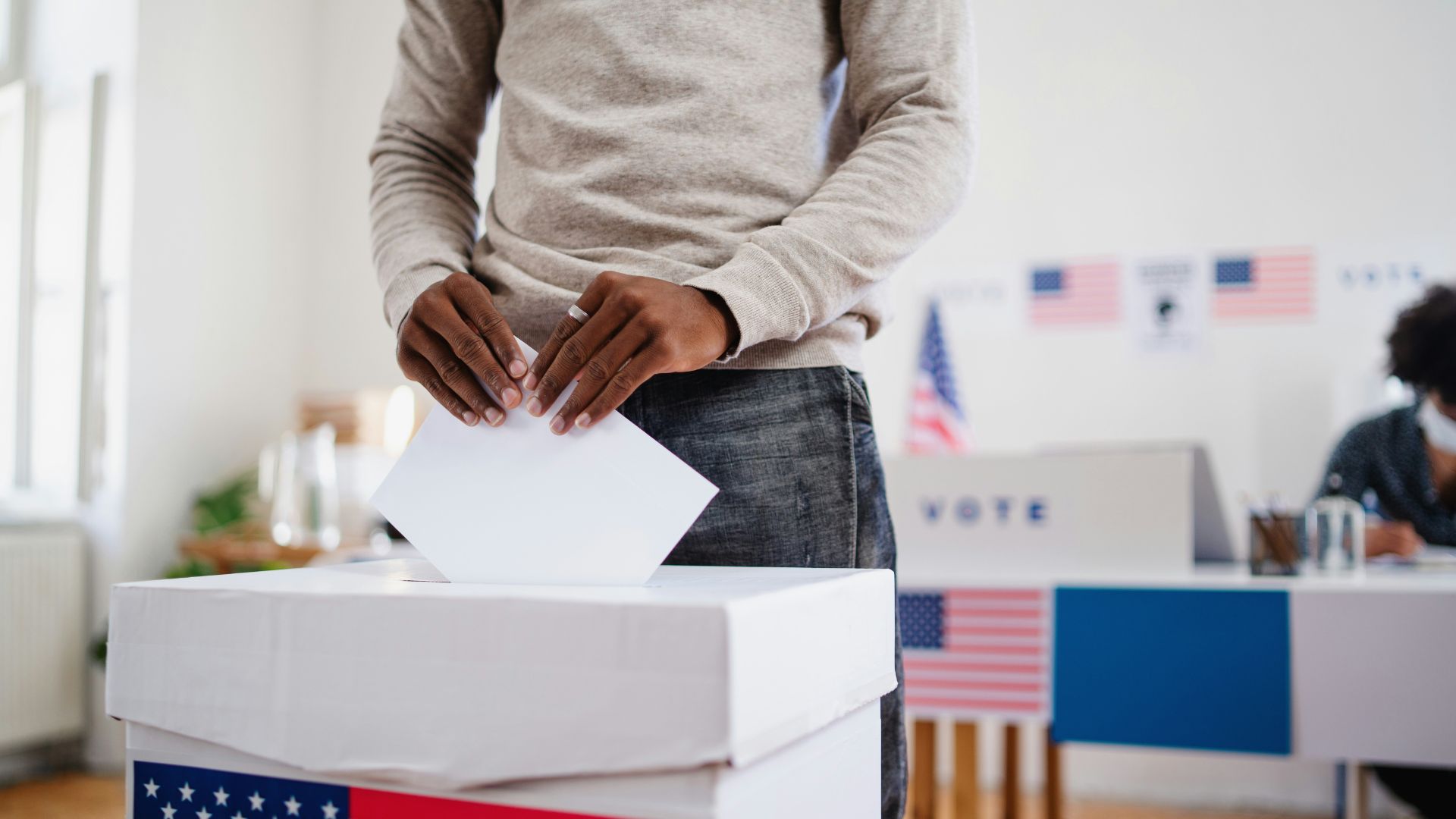
Despite the delayed implementation, Republican backers argued the bill represents a necessary step toward protecting election integrity in a state that already advertises itself as a national leader in election administration.
State Sen. Erin Grall, a Republican who sponsored the measure, framed the legislation as preventative rather than corrective.
“Yes, we have safe elections in Florida,” Grall said during debate.
“But they don’t stay safe and secure if we don’t pay attention to the large gaps that exist where we can address additional fraud.”
The proposal ultimately passed the House in a 77-28 vote after clearing the Senate earlier in the day by a 27-12 margin. Only one Republican senator voted against the bill.
Gov. DeSantis quickly signaled support for the effort, writing in a social media post that Florida has already implemented many provisions similar to those included in the federal SAVE America Act but that the new law would further reinforce the state’s reputation for strong election safeguards.
The Florida version of the SAVE Act is about to pass the Legislature.
Although Florida has already enacted much of what the federal legislation contemplates, this will further fortify our state as the leader in election integrity. https://t.co/Jvj0bKwH8q
— Ron DeSantis (@RonDeSantis) March 12, 2026
The measure arrives against a backdrop of longstanding debate over noncitizen voting. Florida law already prohibits noncitizens from participating in elections, a restriction that was formally added to the state constitution in 2020. Still, officials say a small number of cases have been uncovered.
More than 9% of American citizens of voting age don’t have proof of citizenship readily available, according to the Brennan Center for Justice. In Florida, that’s more than one million people.
According to a 2025 report from Florida’s Office of Election Crimes and Security, investigators reviewed more than 835 individuals suspected of illegally registering or voting. Of those, 198 were believed to be noncitizens, and 170 cases were referred to law enforcement.
Supporters argue the new verification process will help prevent similar incidents. They note that many residents already possess identification meeting federal REAL ID standards, which require documents such as birth certificates to verify citizenship.
Grall said roughly 99 percent of Floridians with driver’s licenses already meet those requirements. Even so, she acknowledged that about 872,000 residents lack identification that satisfies the new standards.
Democrats and voting rights advocates warn the changes could create barriers for some voters, including seniors who registered decades ago and individuals whose legal names changed after marriage or divorce.
“This is really a dangerous road that we are going down,” said state Sen. Tina Polsky, a Democrat, according to Politico.
Notably absent from the legislation were new restrictions on voting by mail, an issue Trump has repeatedly targeted in calls for tighter election laws. Florida’s system allows any eligible voter to request a mail ballot, a practice expanded following the disputed 2000 presidential recount. While the state has added some administrative limits in recent years, the new bill leaves the core policy unchanged.
At the same time lawmakers were advancing the election measure, another contentious proposal moved through the Legislature addressing diversity and local government authority.
That bill, which passed the House earlier in the week in a 77–37 vote, would expand the governor’s power to suspend elected local officials who promote certain diversity, equity, or inclusion initiatives, including public support for Pride events.
Under the proposal, cities and counties would be restricted from funding or promoting programs that reference race, gender identity, or sexual orientation. The legislation would also prevent local governments from supporting outside organizations that provide related training or programming.
Supporters argue the goal is to prevent taxpayer funds from being used for ideological advocacy. Critics contend the measure could discourage local leaders from publicly recognizing LGBTQ+ residents or community celebrations.
The enforcement mechanism is particularly controversial. Florida’s constitution already allows governors to suspend officials for misconduct in office. The new bill expands that concept by defining certain diversity-related actions as potential grounds for removal.
Suspended officials would be able to appeal only to the Florida Senate, where Republicans currently hold a commanding majority.
Together, the two measures illustrate the direction Florida’s leadership is taking on both electoral rules and cultural policy, pushing forward legislation supporters describe as strengthening integrity and accountability, while opponents warn it could reshape the political and civic landscape of the state.