
“Oppressive and ineffective form of taxation”: Florida GOP to make millions of homes tax-free overnight
Florida – This week, Florida’s long-running battle over property taxes took a big turn when four proposed constitutional amendments got one step closer to being on the ballot and in the hands of voters. Together, they outline a broad plan to lower or even eliminate property tax bills for many homeowners, while keeping school funding the same and protecting police enforcement budgets.
On Tuesday, the House State Affairs Committee looked at all four measures, which were filed in October. The committee moved each measure forward with Republicans in charge, sending them on to the powerful Ways and Means Committee for additional debate. If they get beyond that, the resolutions will go to a full vote in the House and then to the voters in Florida.
House Joint Resolution 201 is the main part of the package. It goes right to the heart of municipal taxes. HJR 201 would create a homestead exemption that effectively wipes out all non-school property taxes on primary residences. In practice, that would mean that communities and counties could no longer collect property taxes on homes that people live in for most local services, such parks and fire protection. School millage remains in place.
A similar trend can be seen in the other plans, which all target distinct parts of the tax base. HJR 205 is made for older people in Florida. It would exempt homeowners aged 65 and over from paying non-school property taxes on their homes. This would help seniors who may be living on fixed incomes as property prices and costs keep going up.
HJR 209 is about homeowners who are having trouble with their insurance premiums going up. This plan would raise the homestead exemptions for non-school property taxes by $100,000, but only for properties that have a full multiperil insurance policy. The bill links more tax breaks to households that carry broad insurance coverage, which is a tribute to Florida’s volatile insurance market.
HJR 211, the fourth proposal, is about portability. It would let the whole amount of benefits that have built up over time under constraints on taxable value growth to be moved to a new homestead for non-school levies. In simple terms, homeowners who relocate would be able to keep all of their tax breaks instead of losing some of them when they change addresses.
Even though they are different, all four resolutions have one strict rule: local governments can’t slash financing for law enforcement only because they are getting less money from property taxes. It’s apparent what the message is: politicians want to lower taxes without letting police budgets diminish as a result. Supporters also say that the modifications are not meant to cut school funding.
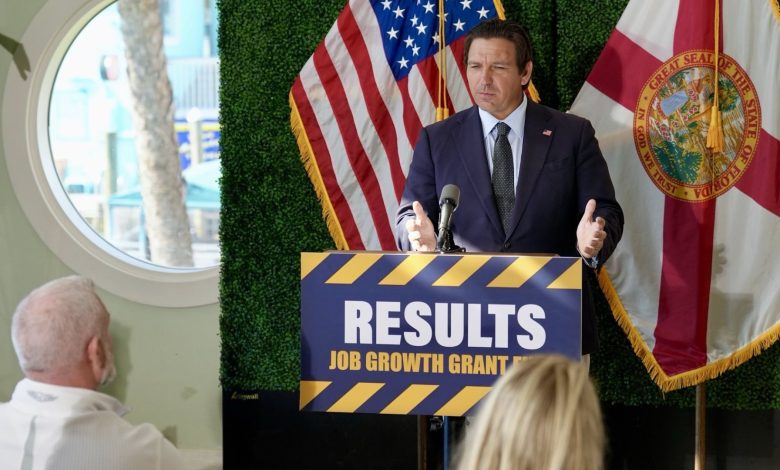
The campaign comes at the same time that Governor Ron DeSantis is making his own strong case against property taxes on primary homes. He has said that homeowners are being treated like long-term renters of their own government. He says that paying property taxes every year is like “paying rent to the government” even after the mortgage is paid off. DeSantis’ bigger plan would get rid of property taxes on homes completely and rely more on sales taxes, corporate taxes, and taxes on rents, second homes, and commercial structures.
Property taxes are local, not state. So we’d need to do a constitutional amendment (requires 60% of voters to approve) to eliminate them (which I would support) or even to reform/lower them…
We should put the boldest amendment on the ballot that has a chance of getting that… https://t.co/WpOQmjNl0X
— Ron DeSantis (@GovRonDeSantis) February 13, 2025
Economists and housing experts have warned against that broader strategy. Market analysts say that research shows that if property taxes on primary houses were completely removed, property values across Florida might go up by 7% to 9%. This would mean a windfall of $200 billion to $250 billion for homeowners. Current owners might like that jump, but it might make it even harder for first-time buyers to get into the market and put even more pressure on renters who don’t have homestead status.
Some economists also point to a bigger risk. If Florida had a smaller tax base and then the whole country went into a recession, the state could see its budget and housing market both go down at the same time. About one in ten residences is a vacation home. If there is a big economic shock, second-home owners might have to sell, which would swamp the market with listings, lower prices, and cut into tourism-related expenditure when state revenues are already low.
For now, lawmakers are making several smaller, more focused changes instead of one big reform. DeSantis has spoken out against that plan, saying that there should be one big bill and warned that too many measures that are similar could mislead voters. There are now seven amendments to property taxes that could be on the ballot in 2026.
No matter what the ultimate form of the changes is, voters will get the last say. Property taxes are a major source of income for local governments and are linked to the state constitution. This means that any change must be approved by at least 60% of Floridians in a future election. The four House resolutions still need to pass the Ways and Means Committee, and HJR 209 already has a hearing set for December 10. They also need to get complete support from the legislature before they can go to the ballot.
Florida is getting closer to a big change in how it pays for local government. On one side of the scale is the promise of lower or even no property tax obligations for homeowners. On the other hand, there are cautions about how hard it is for renters to find affordable housing and the uncommon but substantial potential of a fiscal and housing shock. The next steps in the Capitol will decide which version of that future voters will have to accept.


