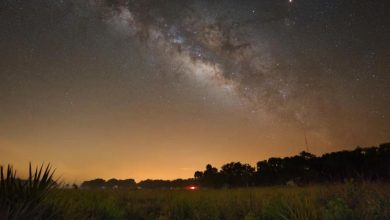
Only four traditional Florida drive-ins are still showing movies, and their screens keep a disappearing tradition alive
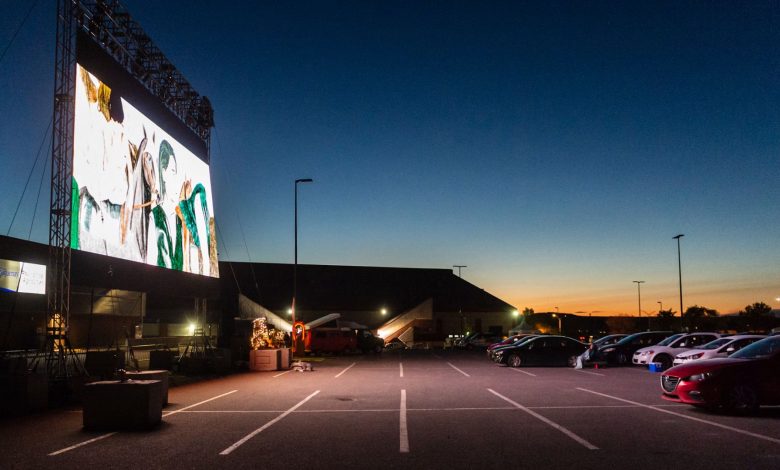
The lights go down, but nobody has to find a seat.
Children settle under blankets in the back of the car. Someone adjusts the radio until the soundtrack comes through the speakers, while the smell of popcorn drifts from a concession stand that looks as though it belongs in another decade.
Beyond the windshield, a movie screen waits against the night sky.
For much of the twentieth century, an evening like this was a familiar part of American life. Florida had drive-in theaters scattered across the state, from growing suburbs to highway towns.
Read also: Florida has two certified dark sky parks, and these 7 places make room for the Milky Way
Families could bring restless kids, couples could have a little privacy, and everyone could experience a night at the movies without leaving the car.

Most of those screens are gone. Land became more valuable, technology changed, and indoor multiplexes took over. A drive-in that survives today is more than a business; it is a stubborn reminder that watching a movie can still be an outing rather than a transaction.
Four traditional drive-ins remain active in Florida, each with its own personality and a few practical rules worth knowing before you pull into the lot.
Read also: No bridges to these 7 Florida islands, where the boat ride is part of the escape
1. Silver Moon Drive-In in Lakeland
Silver Moon has been welcoming moviegoers since 1948, a history that makes it one of Florida’s oldest surviving drive-ins. At 4100 New Tampa Highway in Lakeland, it still operates two outdoor screens and shows double features.
The setting feels deliberately simple: vehicles lined up facing a giant rectangle of light, with a concession stand providing the old familiar distractions.
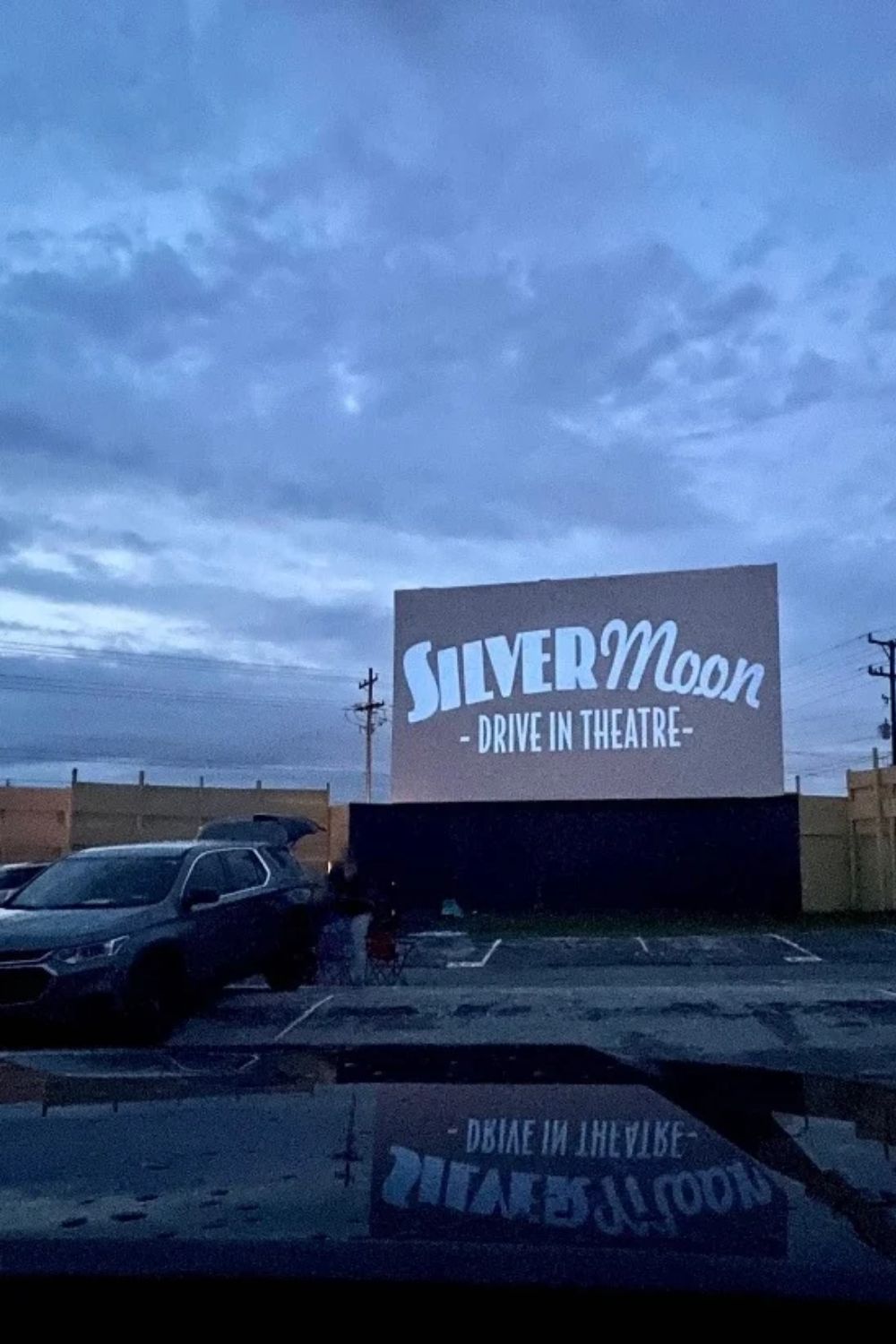
Part of the charm is hearing a film through your own FM radio. Silver Moon’s website lists different frequencies for its two screens, so check the instructions when you arrive rather than guessing.
Make sure your car’s sound system can operate without running the engine continuously, and learn how to switch off automatic headlights and daytime running lights if your vehicle allows it.
Silver Moon is also a swap-shop destination. Its weekend market adds a daytime chapter to a property many people associate only with night. That continuity matters: a drive-in survives by becoming part of the community’s routine, not merely a place where visitors take nostalgic photographs once a decade.
The theater advertises movies throughout the week, including double features that offer more time outside for the price of admission. Showtimes and titles change regularly; its own website is the reliable place to see what is actually playing.
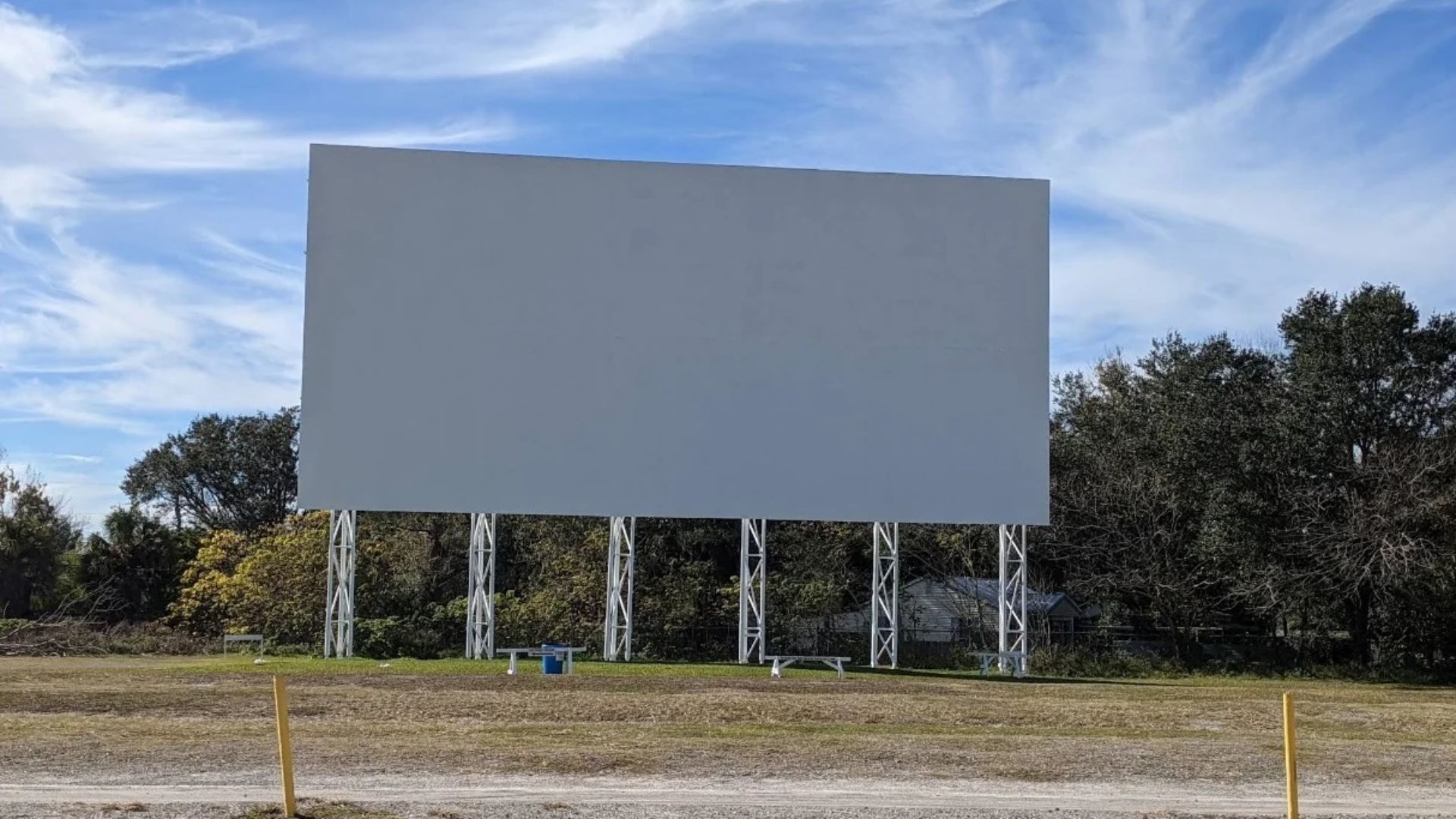
Arriving early lets you choose a comfortable space rather than navigating around parked vehicles in the dark.
Bring a blanket even during Florida’s milder seasons. Temperatures can fall surprisingly quickly after sunset, especially for people sitting with windows partly open. A little preparation turns a long night in the car into something cozy rather than uncomfortable. If you want a classic drive-in evening with the broadest choice of nights, Silver Moon is an especially easy place to begin.
2. Joy-Lan Drive-In in Dade City
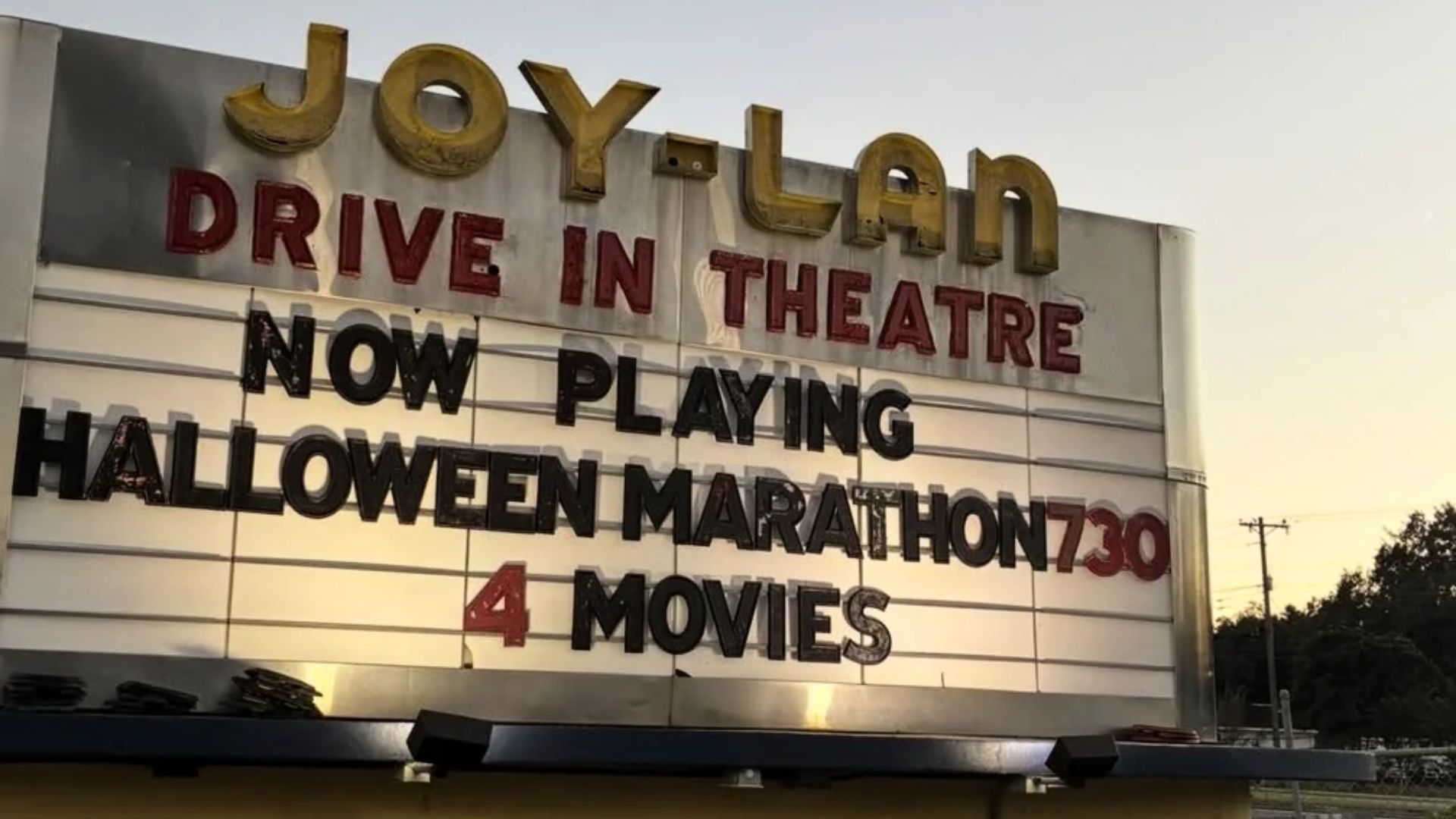
Joy-Lan opened on Halloween night in 1950, which seems like an excellent birthday for a place devoted to movies under the stars. Today the Dade City theater remains a single-screen operation, smaller and more intimate than some of the larger surviving venues.
Its address is 16414 U.S. Highway 301, and the atmosphere feels much closer to a small-town tradition than a modern entertainment complex.
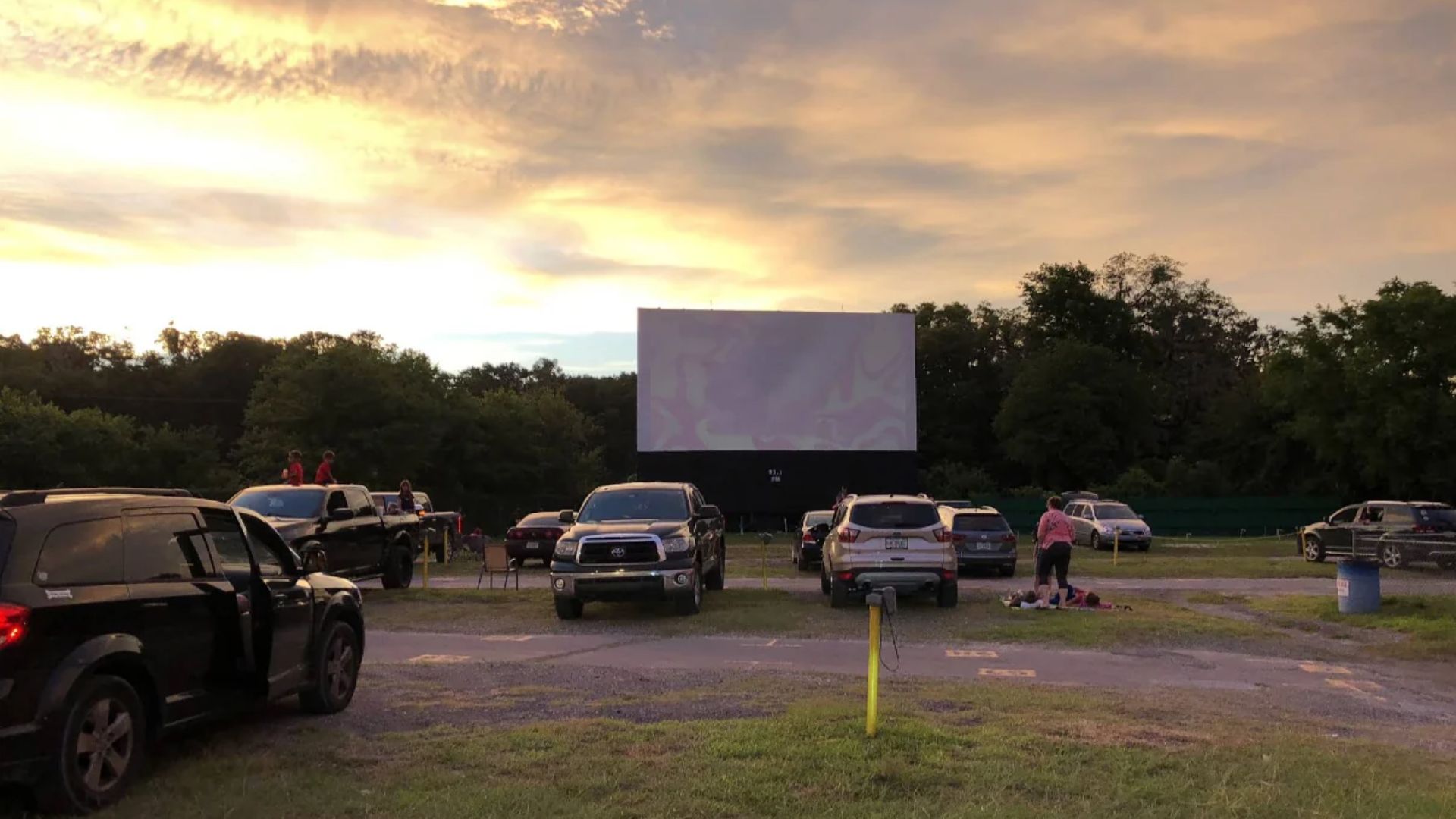
The business shares ownership connections with Silver Moon, but its personality is different. There is one screen, a familiar roadside entrance and the simple question of which double feature is showing this week. Current scheduling lists five movie nights a week, with Monday and Tuesday closed.
That makes checking the calendar before driving an essential step.
Sound comes through FM radio, with the theater listing 93.1 as its movie frequency. There is no need to bring an old-fashioned external speaker, but a working receiver is important. A small portable battery-powered radio can be useful if you worry about running down your car battery during two films.
Joy-Lan also holds a Sunday swap shop, traditionally beginning early in the morning. The daytime market and nighttime movie showings give the property two different roles in the local community. Even if you come only for the film, that old-fashioned mix helps explain how the theater has remained part of Dade City life for more than seven decades.
Read also: Gator tail, crab mallets and waterfront tables – 6 Florida fish camps keeping the old ways alive
For a relaxed visit, aim to arrive while there is still some daylight. It is easier to locate the snack bar, read the site rules and pick a space without headlights moving around the lot. A drive-in doesn’t require elaborate planning, but a few quiet minutes before showtime make the experience feel much less rushed.
3. Ocala Drive-In in Ocala
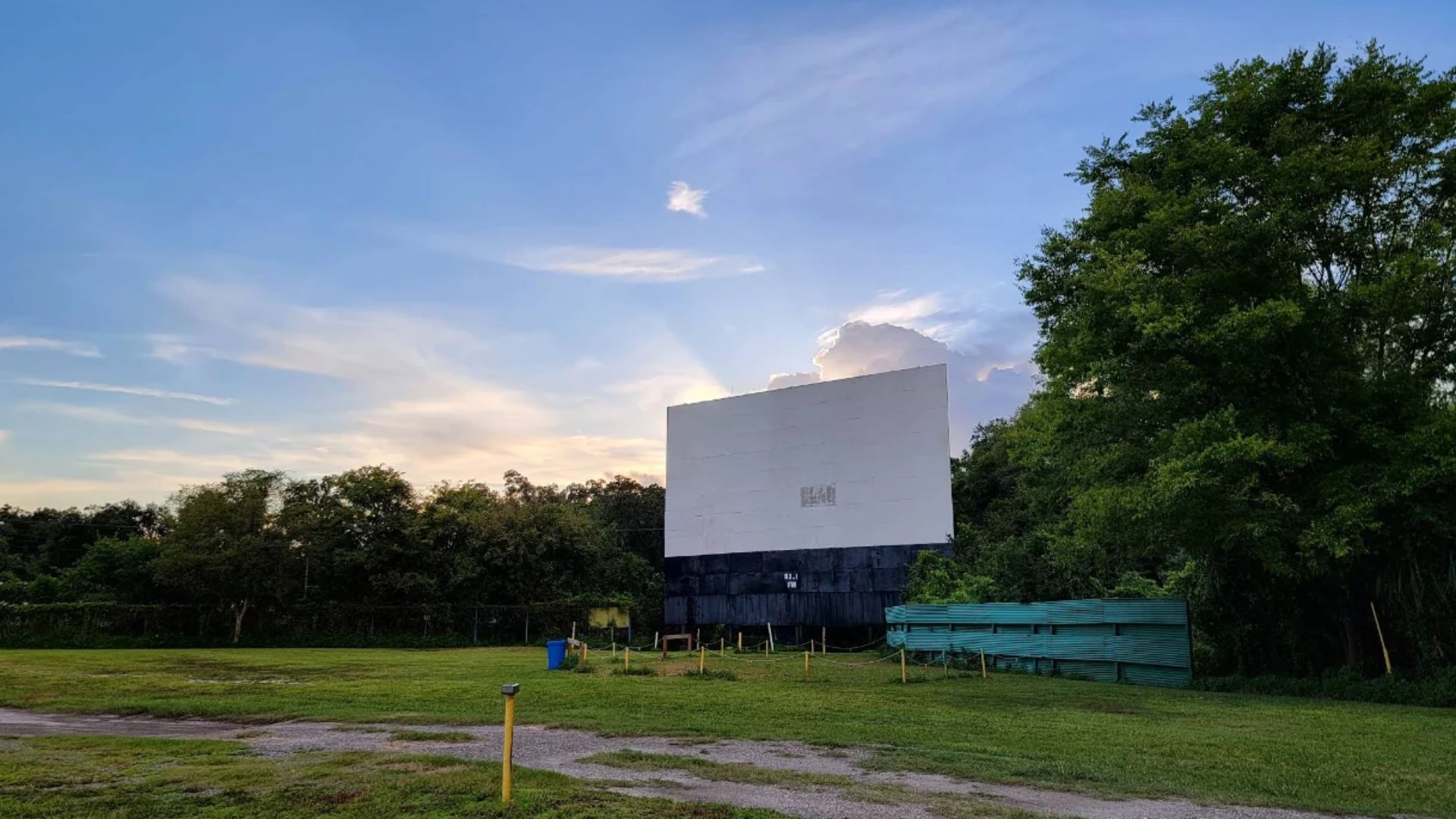
Ocala’s drive-in is another survivor with more than one screen. At 4850 South Pine Avenue, the theater advertises double features, FM audio and a surprisingly approachable ticket price. Its published admission is $6 for adults and $3 for children ages 6 to 12, with younger children free.
Those rates give it much of the affordability that made drive-ins attractive in the first place.
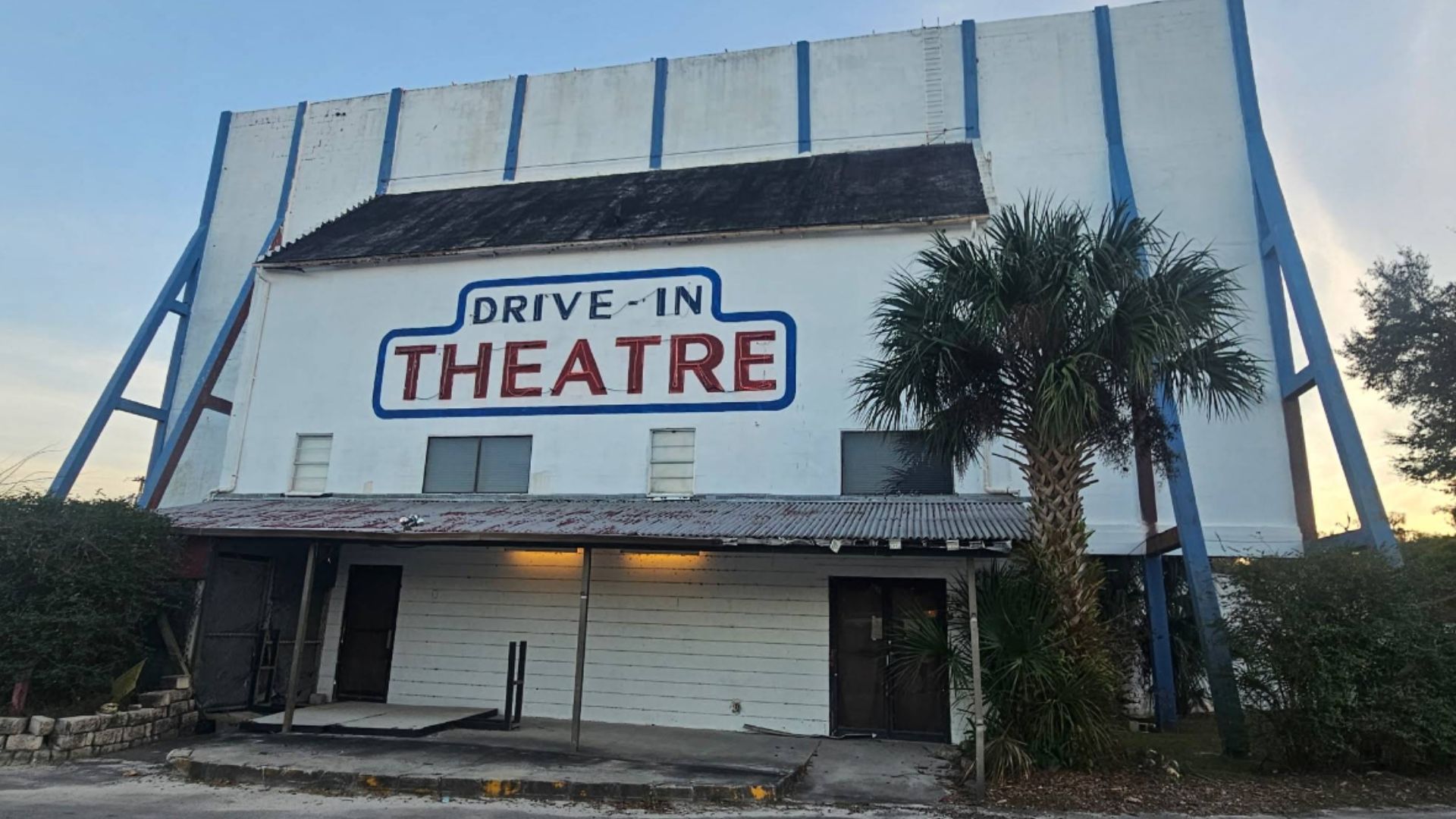
The operation promotes regular screenings and keeps an online coming-soon page with film announcements. The exact gate and movie times shift according to the titles and season, so check that page before setting out. A drive-in is not like a multiplex where every film begins in a standardized climate-controlled room. Sunset timing matters, and the theater needs darkness before the picture can look its best.
The theater is also known for its casual approach to the audience. Its site describes the venue as pet-friendly and accepts both cash and major cards. That doesn’t mean every pet will enjoy a night surrounded by cars and movie sounds. Keep animals secure, clean up after them and choose a location that will not disturb neighboring visitors.
Ocala’s drive-in represents the fragility of this kind of business. Historic venues can face redevelopment pressure and changing ownership circumstances even when they continue showing movies. That makes it worth checking the current program rather than relying on a years-old directory. At present, the theater publishes upcoming screenings and continues to welcome audiences.
A practical tip: plan to stay for both films only if everyone in your car wants to. A double feature sounds romantic until tired passengers start counting the minutes. For families with small children, one movie, a shared snack and a comfortable drive home may be plenty. There is no prize for being the last car to leave.
Read also: Florida springs where the water stays about 72 degrees, even in the middle of winter
4. Ruskin Family Drive-In in Ruskin
The first film shown at the Ruskin Family Drive-In was Singin’ in the Rain in 1952. It’s hard to imagine a more fitting opening for a place where weather has always been part of the experience.
More than seven decades later, the theater still welcomes moviegoers at 5011 U.S. Highway 41 North, south of Tampa.
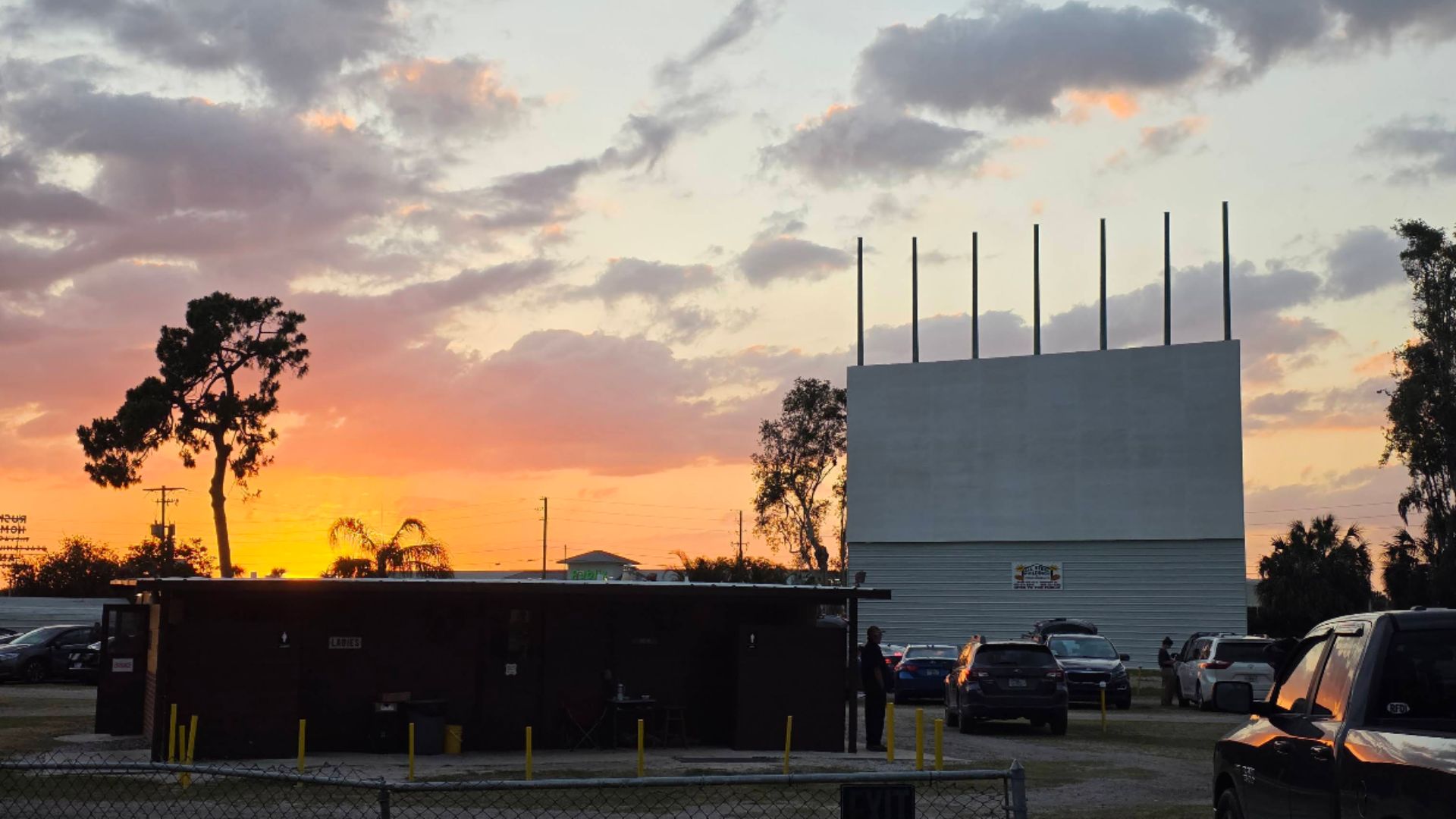
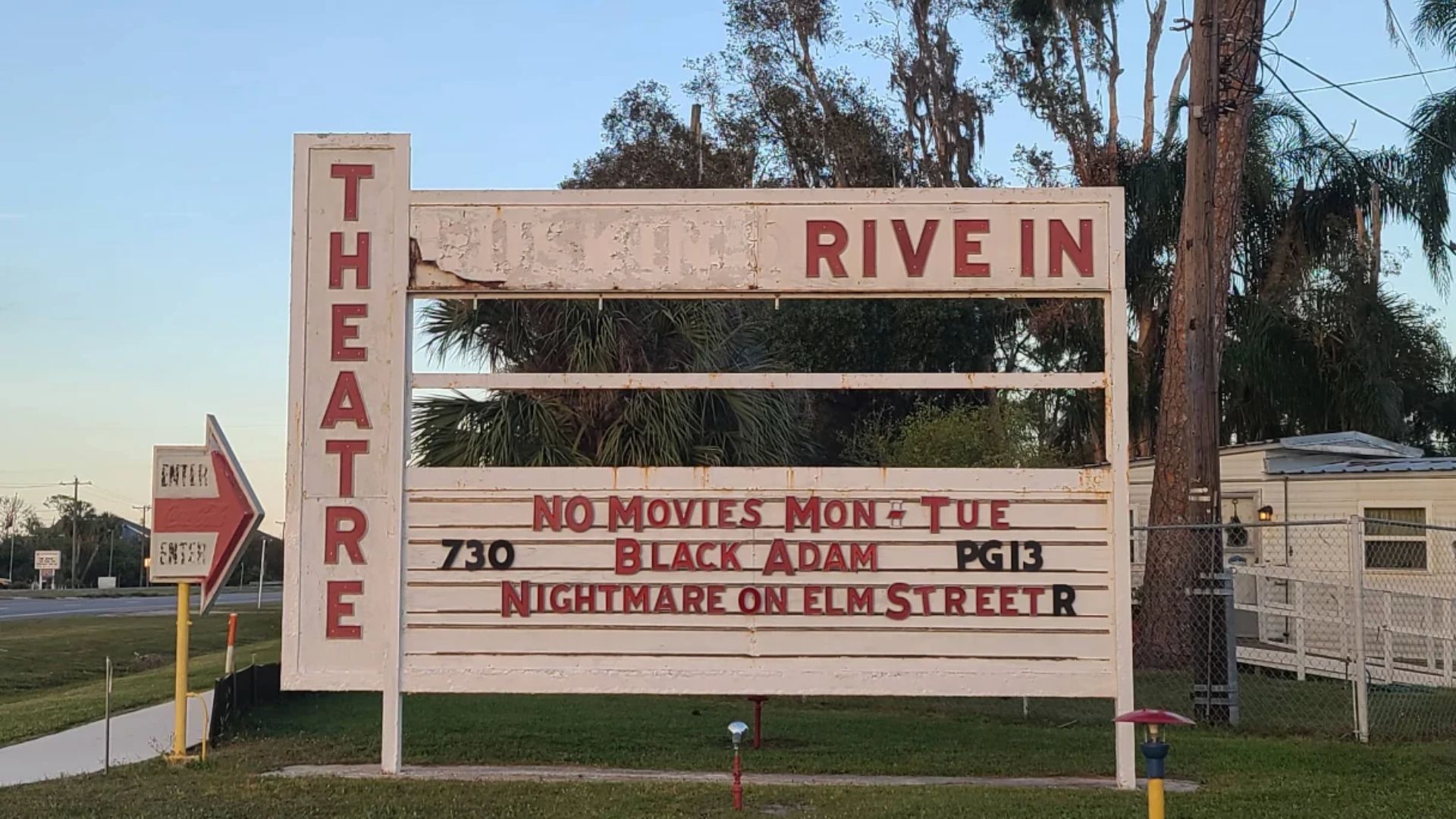
The business proudly calls itself the last family drive-in, a phrase that describes its identity rather than a formal national designation. Its website emphasizes family outings, a snack bar and a straightforward evening of entertainment. After damage caused by Hurricane Milton in 2024, the theater faced serious challenges, but the current operation again advertises movie nights.
One practical detail deserves bold attention: Ruskin accepts cash, not credit cards or checks. Bring enough for admission and snacks before joining the entrance line. There is nothing particularly charming about discovering a cash-only policy after a long drive, especially if the nearest ATM requires leaving your place in line.
The theater has reduced its regular movie schedule, with current information indicating showings Thursday through Sunday rather than every night. It also asks guests to arrive early on weekends, when the lot can fill. As with the other locations, the published film program is more useful than an old article quoting yesterday’s operating hours.
Ruskin’s atmosphere is a reminder of what made drive-ins popular in the first place. People share an experience without sitting shoulder to shoulder in an indoor auditorium. The children have some room to settle in, couples can talk quietly before the movie, and the outdoor setting becomes part of the evening. That’s still an attractive proposition in a world filled with screens at home.
Why the drive-in experience feels different
A drive-in is not a better version of every conventional theater. Picture and sound quality depend on the weather, equipment and how carefully you prepare the car. Someone’s headlights may briefly interrupt the scene. An unexpected rain shower can send windows up and make the evening feel less romantic than it did in the brochure.
But those imperfections are part of the experience. The movie becomes something you do together in a shared outdoor space, not simply content delivered to your seat. Families can pack extra layers, choose snacks before the previews and make a night of it. Couples can turn a short drive into a familiar but genuinely different date.
The most important piece of equipment is often your radio. Modern vehicles can switch off electrical accessories automatically or demand that the engine be running. Test the settings before arriving. If the car’s battery is weak, bring a portable FM radio or consider a simple battery-powered alternative. Check the theater’s specific audio instructions, because frequencies vary by site and screen.
Headlights are the other small obstacle. Learn how your car handles lights while parked. When you arrive, keep beams away from the screen and other vehicles, and follow the staff’s parking instructions. Larger SUVs may have designated areas to avoid blocking smaller cars. Turn off bright interior screens if they disturb neighboring moviegoers.
A little planning makes the evening better
Bring blankets, a reusable water bottle where permitted, and enough patience for a leisurely departure. Concession stands are part of the surviving drive-in business model, so buying a snack there helps support the operation. Food rules vary, and some venues may restrict outside food or charge related fees. Read the rules instead of assuming every lot is a public picnic area.
Florida’s weather deserves respect. Afternoon storms may clear before sunset, but lightning and heavy winds can delay or cancel shows. Mosquitoes can also be an uninvited audience, especially during warm months. A simple insect-repellent plan and comfortable clothing are more valuable than an elaborate picnic arrangement you won’t actually use.
For weekend visits, arrive before the first feature and leave enough time to park, visit the restroom and choose snacks. Never assume that a drive-in with two screens is showing the same film on both. Check the schedule for the particular feature you want, and remember that double features may include films unsuitable for younger children later in the evening.
Finally, be considerate. Keep noise low, do not leave an engine running in a way that affects others, secure pets and supervise children near moving vehicles. A drive-in is an outdoor movie theater, not an open playground. The best nights happen when everyone understands that small courtesy keeps a shared tradition enjoyable.
Four screens of Florida history worth protecting
It is tempting to mourn the many Florida drive-ins that have disappeared. The old Fort Lauderdale Swap Shop, Fun-Lan and other lost venues remind people how quickly a piece of everyday culture can vanish when the business no longer works. But the four survivors are not simply monuments to the past. They are places selling tickets and showing movies today.
Silver Moon has the appeal of a long-running Lakeland institution. Joy-Lan offers a small-town evening in Dade City. Ocala keeps double features accessible at a modest price. Ruskin continues the family-centered tradition that began with a musical in 1952. Each asks visitors to make an actual trip instead of merely admiring a nostalgic photograph.
There may be easier ways to watch a movie. You can stream one without leaving the couch, and indoor cinemas have the advantage of air conditioning and predictable weather. But neither can quite reproduce the moment when a giant outdoor screen brightens, the radio settles into the opening soundtrack, and an entire parking lot goes quiet together. That’s why these four places still matter.