Florida’s top court just gave cops insane new powers: Police can now drag you across county lines for DUI
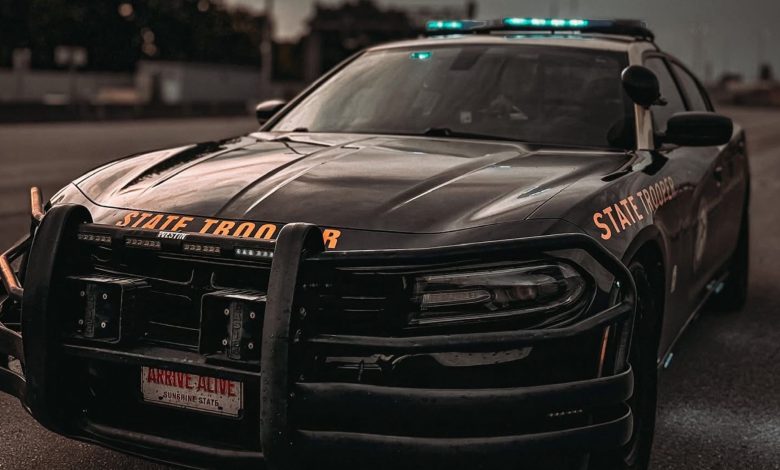
Florida – The Florida Supreme Court settled an ongoing dispute about police jurisdiction and city limits this week. The court said that officers do not lose their power to investigate DUIs just because they cross city lines to administer a breath test.
The ruling, which came down on Tuesday, addresses what prosecutors called a hazardous gap that could have harmed drunk driving prosecutions across the state. The question was whether a city police officer could legally take a DUI suspect outside the city lines to get to a working breathalyzer machine. The court decided that Florida law allows these kinds of acts and that they are often unavoidable.
Bryan Allen Repple was arrested for DUI in the City of Maitland, which led to the case. A local police officer took Repple into jail and breath-testing facility located in unincorporated Orange County. The test showed that Repple’s blood alcohol level was higher than the legal limit. That result later led to a court battle.
Repple’s defense said that the officer was no longer operating with official authority once he left the city. The argument was based on the “color of office” doctrine, which says that a municipal officer’s responsibilities are usually limited to the city where they work. The trial court and the Sixth District Court of Appeal both agreed that the breath test should be suppressed since the officer had no legal right to ask for it outside the city limits.
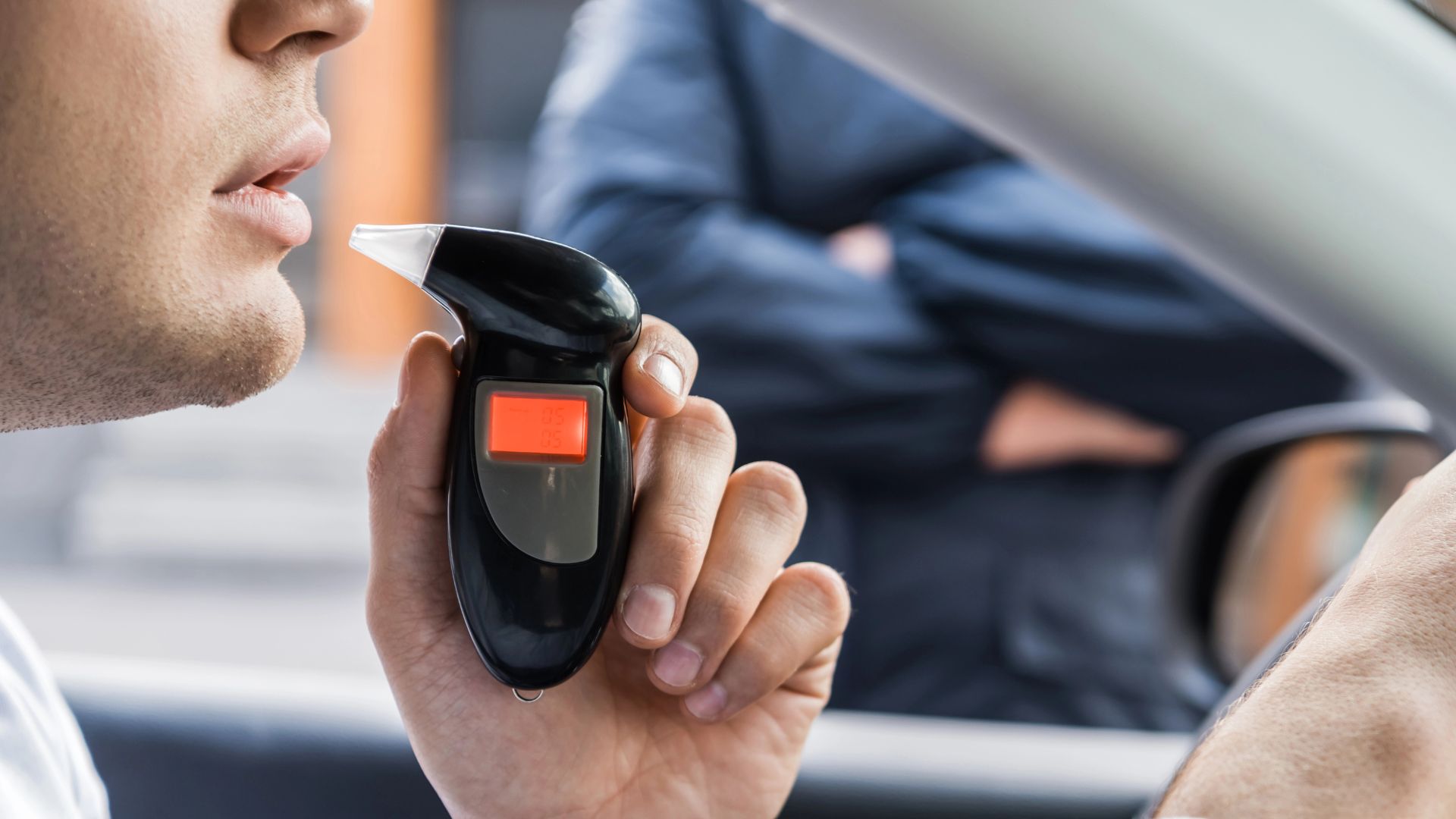
The Florida Supreme Court did not agree with that line of thought. Justice Charles Canady, who wrote for the majority, noted that Florida’s implied consent rules would be severely undermined if police officers couldn’t travel to do required tests. If a driver is legally arrested for DUI, they must take a breath, blood, or urine test.
Canady said that when the Legislature gave police the power to arrest drivers for DUI, it also gave them the power to do what was required to finish the investigation. That means taking a suspect to a place where a breath test can be done.

The ruling stressed that breath testing is not an optional or separate step in the DUI procedure, but a very important one. The court decided that not letting officers use testing facilities that are beyond the municipal limits would go against the law’s intended purpose.
The decision also settles a disagreement between Florida’s appellate courts. The Sixth District agreed with Repple, but the Fifth District Court of Appeal had already affirmed a DUI arrest involving a Winter Park officer who took a suspect outside of the municipal limits for testing. The Supreme Court’s ruling backs up the Fifth District’s approach and makes it the standard across the state.
The justices all agreed on the result, but they didn’t all use the same logic to get there. Justice Jamie Grosshans agreed with the outcome but said that even if the officer had technically gone beyond his authority, suppressing the evidence was not the right thing to do. Justice Jamie Grosshans said that jurisdictional boundaries are there to protect the city’s power, not to give defendants a route to evade prosecution.
Justice Meredith Sasso disagreed, saying that the majority was giving police more power than the law allowed. She said that the courts shouldn’t make any changes like that; the Legislature should.
The verdict makes it clear that DUI prosecutions in Florida will not be thrown out just because police officers cross city or county lines to do breath-alcohol tests. This means that these arrests will still be valid in courts across the state.