
Florida GOP lawmakers defy Trump, crash his huge promise after joining Dems in surprise vote: “We have to get this right”
Florida – For months, the fight over Temporary Protected Status has hung over Miami’s Haitian community like a gathering storm.
This week, that pressure reached Congress, where an immigration debate that usually follows strict party lines took an unexpected turn.
Three Florida Republicans joined Democrats to advance legislation that would keep protections in place for Haitians at risk of losing them.
Read also: Florida company preyed on mentally ill and unemployed to pocket ACA subsidies
This created a rare break with President Donald Trump and giving South Florida’s Haitian families a badly needed moment of relief.
The House voted 224-204 on Thursday to extend TPS for about 350,000 Haitians for another three years, pushing back against an administration still trying to end the program through the courts.
In Florida, the vote carried immediate weight.
This was not some distant clash inside Washington. It touched one of the nation’s largest Haitian communities, where the loss of TPS has been feared not only as a political setback, but as a threat to families, jobs and daily stability.
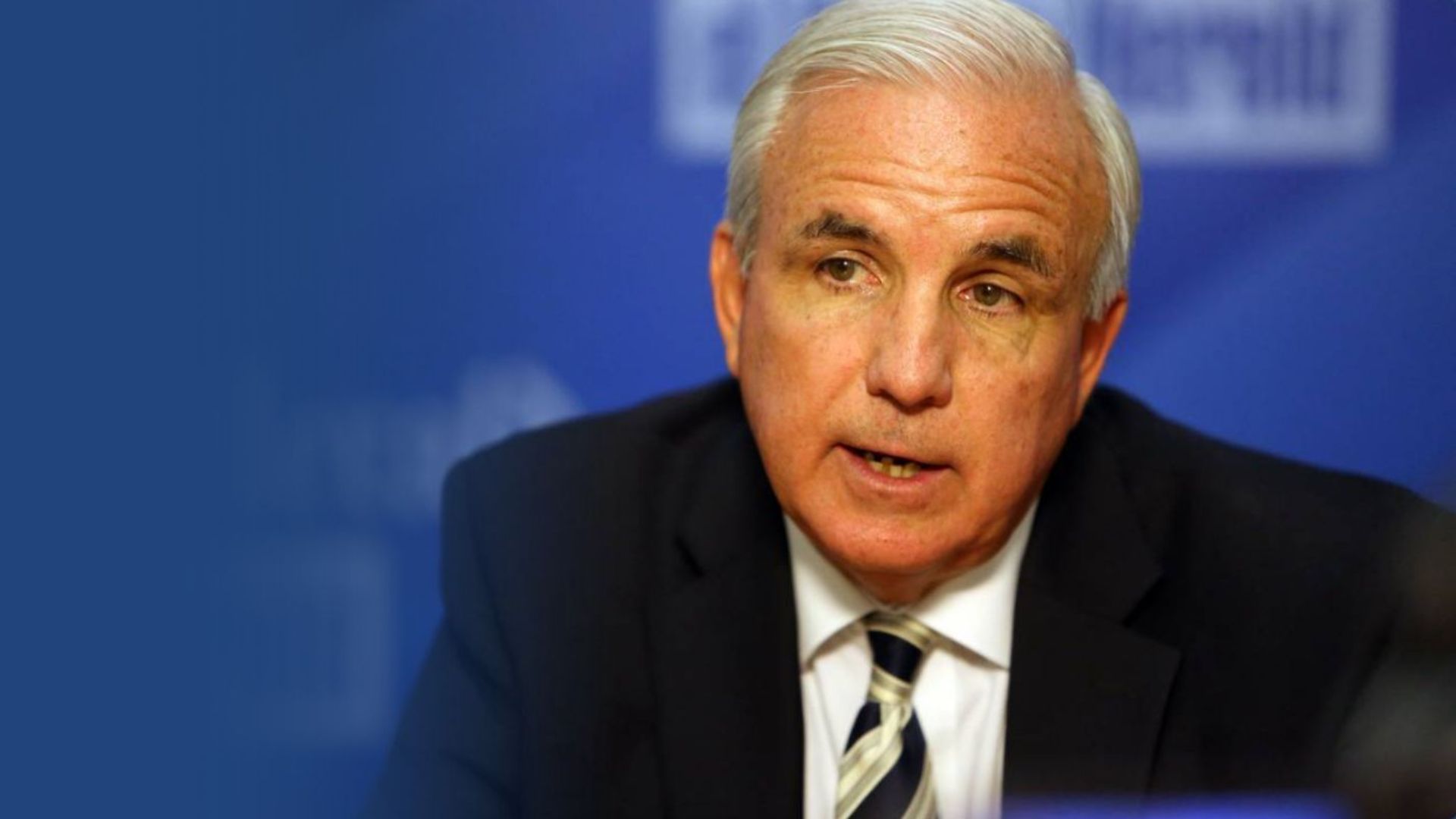
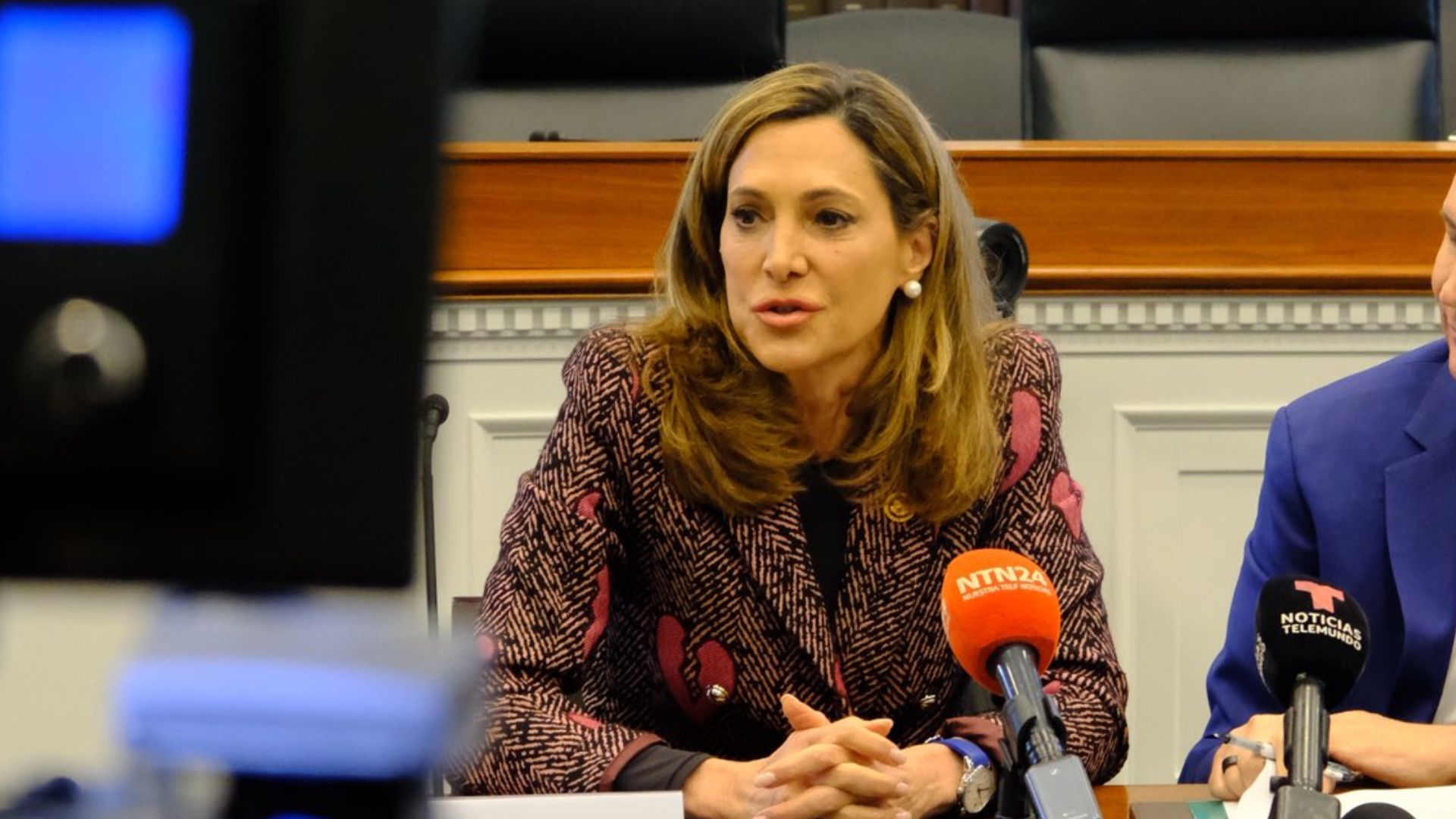
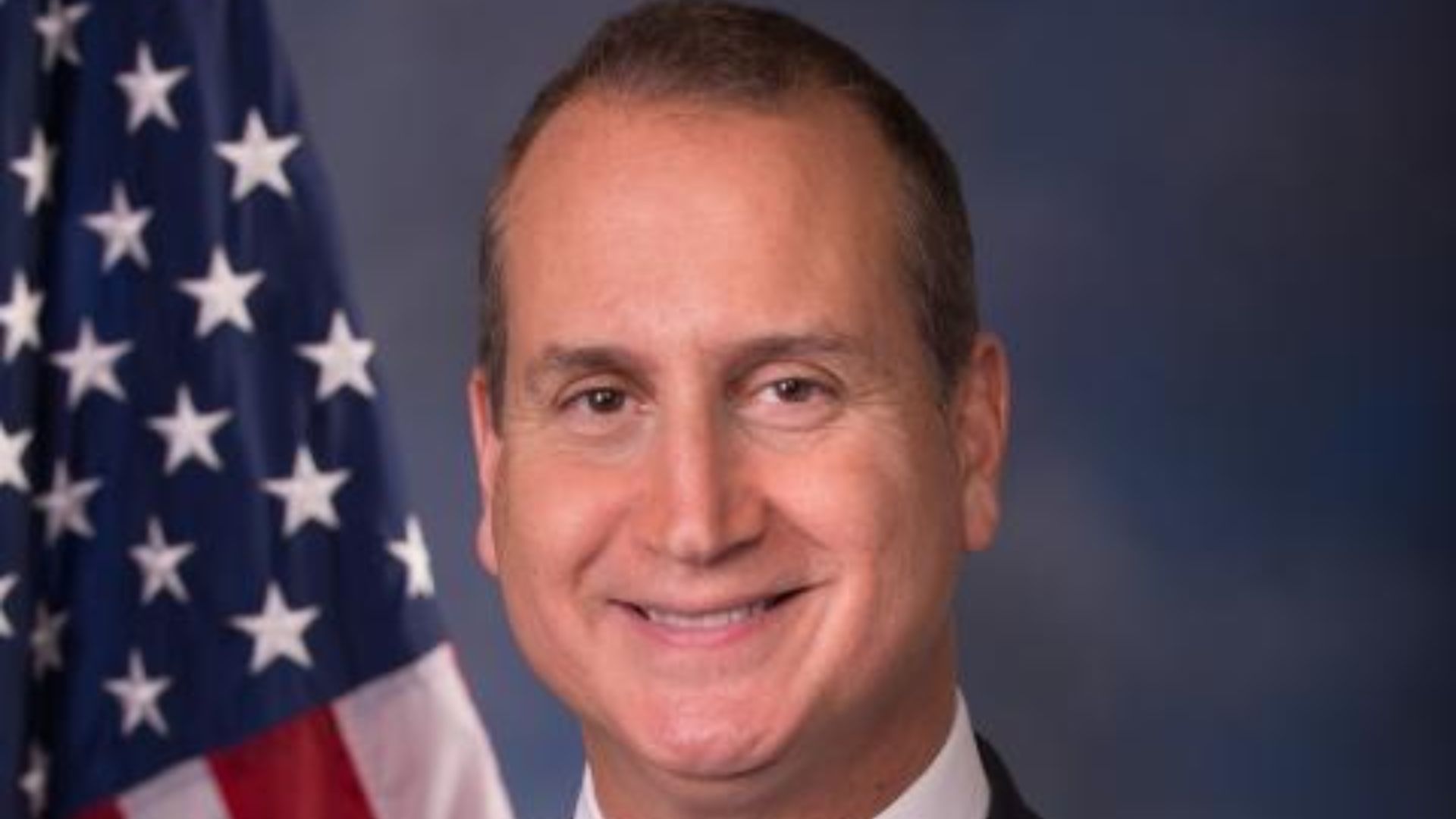
The three local Republicans at the center of the vote were María Elvira Salazar, Mario Díaz-Balart and Carlos Giménez. They were among 11 Republicans who crossed party lines to help move the Haiti measure forward, a striking development on an issue where such defections are rare.
Salazar had already made her position clear in late March.
From Haiti to Venezuela, we have to get this right. TPS exists for a reason, to protect people who cannot safely return home,” Salazar wrote in a post on X.
“I represent thousands in my district who would face persecution or jail if we send them back too soon. We cannot strip protections before conditions truly change,” she added.
From Haiti to Venezuela, we have to get this right.
TPS exists for a reason, to protect people who cannot safely return home.
I represent thousands in my district who would face persecution or jail if we send them back too soon. We cannot strip protections before conditions…
— Rep. María Elvira Salazar (@RepMariaSalazar) March 30, 2026
Those words landed hard in South Florida, where the Haitian presence is woven into the region’s civic and economic life.
The area is home to an estimated 130,000 Haitian-born residents and nearly 300,000 people with Haitian roots, with Miami-Dade County at the center of that community. More than 100,000 Haitians with TPS are believed to live in South Florida, making the region especially vulnerable to any rollback.
That is why neighborhoods such as Little Haiti and North Miami have responded so forcefully for months.
Community leaders, mayors and clergy have all argued that Haiti’s crisis is far from over and that ending protections now would bring harm on both sides of the Florida Straits.
After a federal court ruling in February paused the program’s termination, Miami-Dade Mayor Daniella Levine Cava weighed on the issue.
“Miami-Dade is home to the largest population of Haitians in the country,” Cava said.
“From hospitals and schools to neighborhoods and small businesses, Haitian TPS holders are essential to the economy and culture of Miami-Dade County. My heart goes out to all those who have been living with fear and uncertainty and waiting anxiously for this moment,” she added.
Miami Mayor Eileen Higgins was equally direct.
“Miami is a city of immigrants, built by immigrants, and our Haitian community is part of the backbone of our city,” she said, warning that “continuing to push legal uncertainty instead of providing stability is wrong, and it puts families, workers, and critical systems like healthcare at risk.”
In another statement, she called the renewed legal push against TPS “cruel” and said it was creating “unnecessary fear and instability for hundreds of thousands of people who are living and working legally, raising families, and contributing to our communities.”
Religious leaders have echoed that urgency.
The fear inside the community has been unmistakable.
The economic stakes have also shaped the fight.
More than 113,000 Haitians with TPS are in Florida’s workforce, contributing $1.3 billion in state and local taxes, while many work in health care, child care, construction and elder services. In South Florida, that makes the issue impossible to dismiss as abstract politics.
The bill still faces an uncertain path in the Senate, and the broader legal fight is not over. But in Miami, the House vote felt like a crack in a hard wall, narrow, fragile, but real.
For a community exhausted by fear, that was enough to be felt as hope.


