
“He committed a war crime”: Dems launch full-scale war on Trump cabinet member, Trump’s dream team may be slowly crumbling
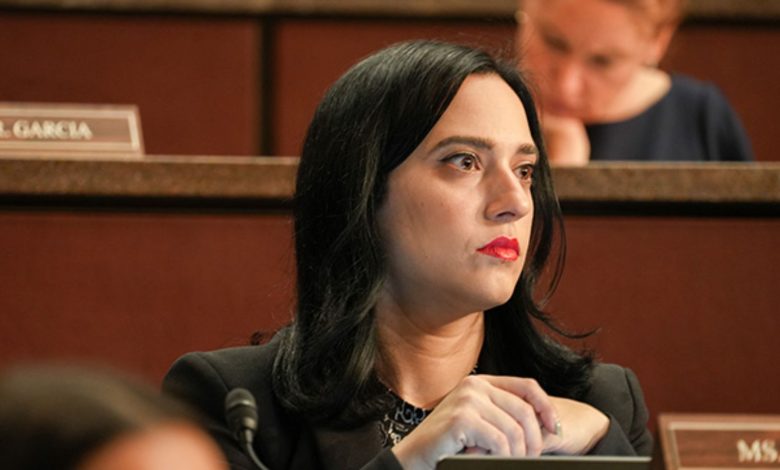
Arizona – The Trump administration is showing signs of growing tension after the sudden dismissal of Pam Bondi of Florida, one of Trump’s closest allies in the cabinet and very good friend.
This decision has fueled internal unease and intensified public speculation about who could be next.
What first appeared to be a single high-profile firing is now being viewed as part of a broader reckoning, with reports suggesting that concerns over loyalty and job performance are driving a wider review of senior officials.
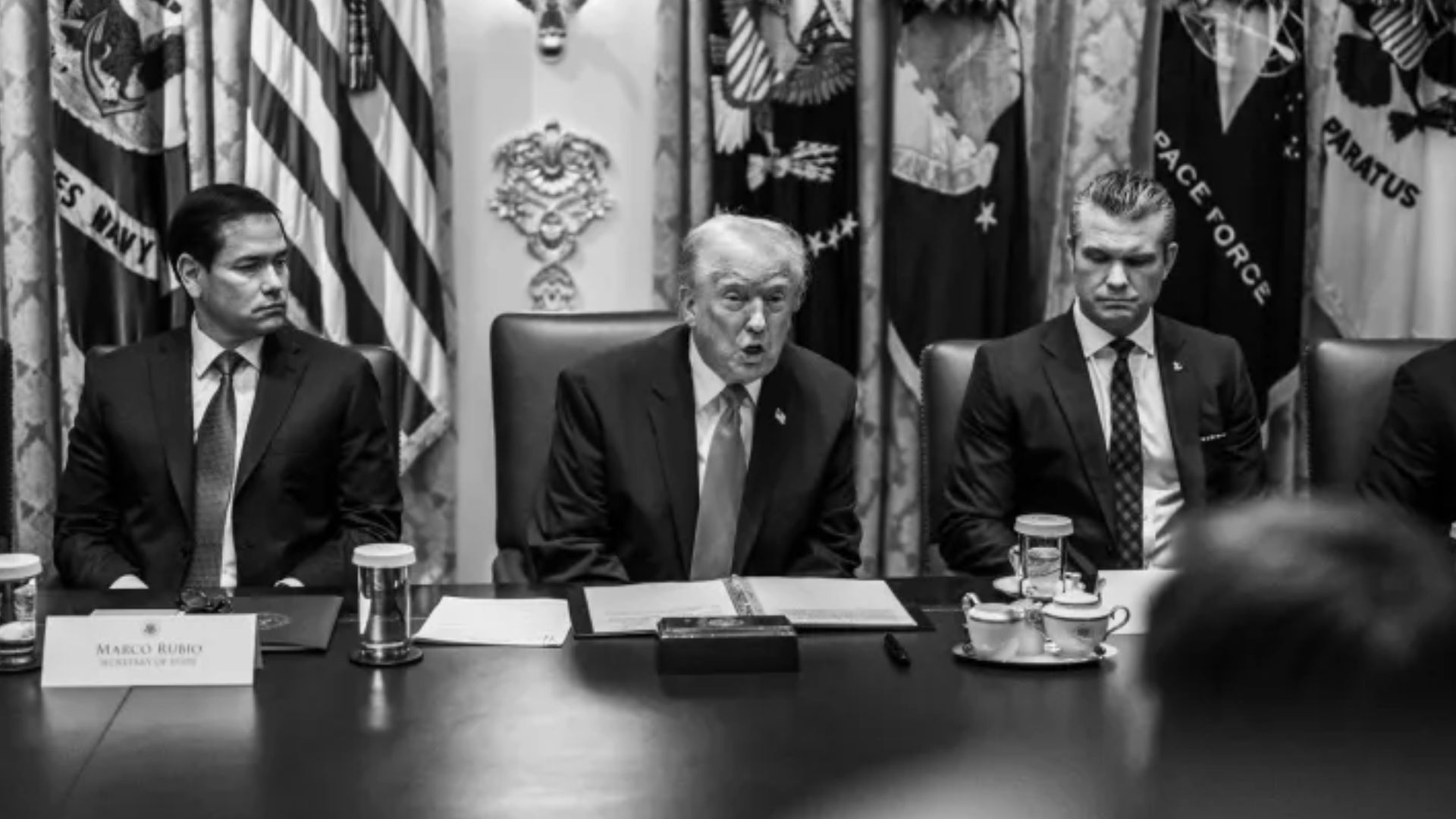
According to those reports, several prominent figures, including Defense Secretary Pete Hegseth and Director of National Intelligence Tulsi Gabbard, are facing increased scrutiny and could potentially be vulnerable as well.
The situation has added to questions about stability inside the Trump White House, with critics pointing to growing pressures and early signs of division within what had been expected to function as a closely aligned second-term team.
A Democratic lawmaker from Arizona has just added more fuel to these reports as she started a formal procedure to impeach one of Trump’s closest cabinet members.
A fresh impeachment battle opened in the House this week as Rep. Yassamin Ansari formally introduced articles of impeachment against Defense Secretary Pete Hegseth, casting the fight as a test of both constitutional limits and moral accountability.
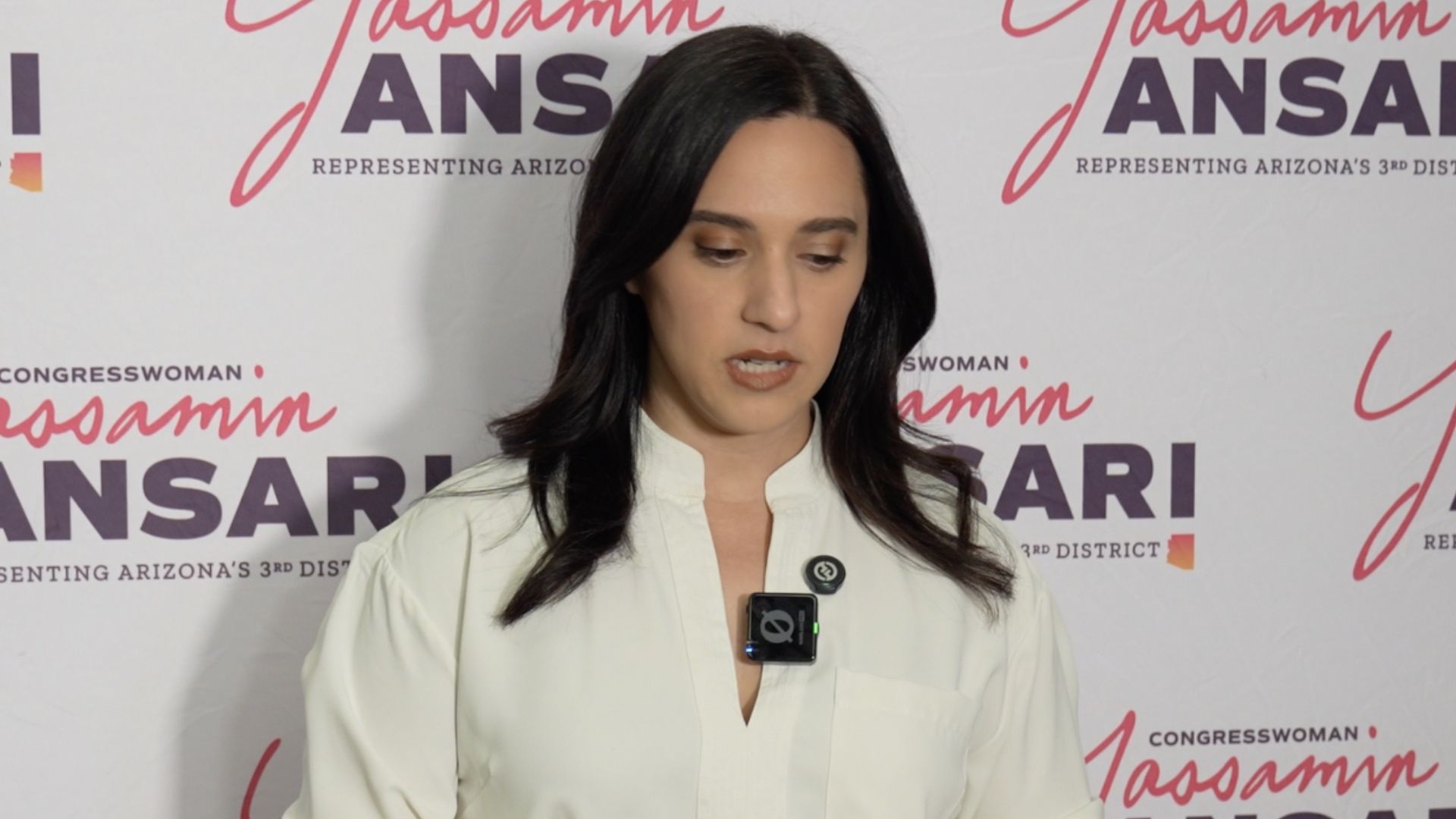
In her filing and accompanying statement released Wednesday, April 15, Ansari argued that the case is not just about one official’s decisions, but about whether Congress will defend its authority when military action moves ahead without its approval.
I’ve introduced Articles of Impeachment against Pete Hegseth for violating his oath, endangering U.S. servicemembers, and committing war crimes, including attacks on civilians and a girls’ school in Minab, Iran. Only Congress can declare war; his actions demand immediate removal. pic.twitter.com/DumPolylo2
— Congresswoman Yassamin Ansari (@RepYassAnsari) April 15, 2026
At the center of her argument is a blunt constitutional claim: only Congress can declare war.
Ansari says that line was crossed through U.S. military operations tied to the ongoing conflict with Iran, and she contends that

either authorized or enabled actions that pulled the country deeper into hostilities without lawful authorization.
In her view, the issue is larger than politics. It is about war powers, civilian safety and the chain of responsibility when force is used abroad.
“Pete Hegseth did not follow his oath to the US constitution,” Ansari told the press. “He committed a war crime in Iran with the attack on a school that killed over 160 children. So not only do we need to end this war, but we need to hold accountable and prosecute anyone in the US administration who may have committed war crimes.”
Ansari: I filed articles of impeachment against Hegseth today. He did not follow his oath to the Constitution. He committed a war crime in Iran with the attack on a school that killed over 160 children. We need to prosecute anyone who committed war crimes. I have no doubt that if… pic.twitter.com/7oblu5PVdn
— Acyn (@Acyn) April 15, 2026
The resolution lays out six articles of impeachment, building a case that blends questions of legality, oversight and military conduct. Among the accusations are engaging in an unauthorized conflict with Iran, violating the law of armed conflict, mishandling classified or sensitive information, obstructing congressional oversight and abusing the power of the office.
The articles argue that Hegseth’s conduct has weakened confidence in the armed forces and placed American servicemembers in greater danger.
One of the most explosive elements in the filing is its focus on a deadly strike earlier this year in Minab, a city in southern Iran. According to the impeachment case, the strike hit a girls’ school and caused heavy civilian casualties, including children.
The episode has become the emotional and political core of the dispute, turning an already fierce debate over military authority into a far more painful reckoning over the human cost of modern conflict.
Ansari’s filing points to international reporting, including coverage from Reuters, which indicated that preliminary U.S. assessments suggested American responsibility was likely.
At the same time, the matter remains unresolved in a formal sense: investigations are still ongoing, and no final public determination has been announced.
That uncertainty has left Washington in a familiar but volatile place, where the facts are still being examined even as the political consequences begin to harden.
The Democratic congresswoman, who is the first Iranian American Democrat elected to Congress, has framed the impeachment push as both a constitutional necessity and a human rights imperative.
Her message is that allowing such actions to pass without a response would normalize executive overreach in matters of war.
To her, the danger is not limited to one strike or one conflict. It is the possibility that the balance of power continues to drift away from Congress while civilian harm is pushed to the margins.
The Pentagon, however, has rejected the accusations in strong terms.
Officials have described the impeachment effort as politically motivated and have defended the department’s conduct, stressing that U.S. policy does not permit the intentional targeting of civilians. They have also pointed to an internal review into the Minab strike that remains underway, suggesting that final judgments should wait until that process is complete.
The road ahead for the impeachment effort appears steep.
In a Republican-controlled House, there is little indication that leadership is prepared to move against Hegseth. That makes the filing unlikely to gain the traction needed for real legislative momentum. Yet its significance does not rest solely on its chances of success.
It reflects growing Democratic anger over the administration’s handling of the Iran conflict and renews a deeper fight over who holds the power to take the nation into war.
So while the impeachment case may face long odds, it has already succeeded in sharpening the debate.
As the Minab investigation continues, Washington is likely to see even more argument over accountability, civilian protection and the constitutional boundary between military action and democratic consent. In that sense, this clash is not fading. It is only beginning.


