
Sen. Scott unleashes hell on Trump urging him to choke off Cuba’s last remaining blood money: “The regime is financially fragile”
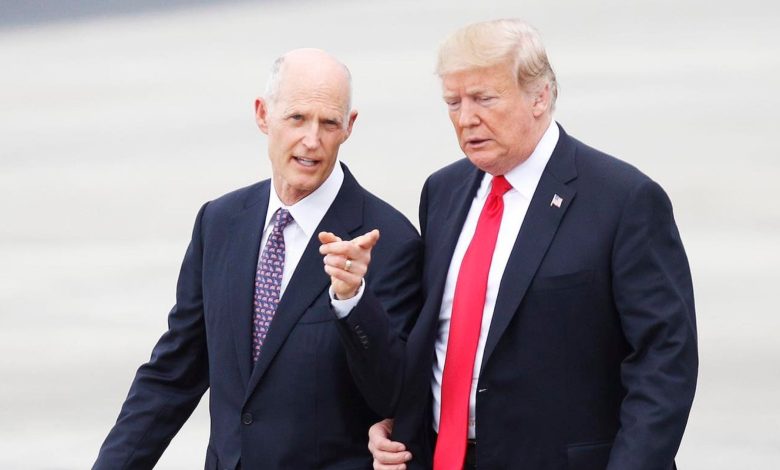
Pressure on Havana’s ruling apparatus is entering a new phase.
Sen. Rick Scott calls for the United States to go beyond energy-related restrictions and strike at what he describes as two of the Cuban regime’s most important financial lifelines.
In a letter to President Donald Trump, Scott praised the administration’s hardline record on Cuba and urged it to widen the scope of the January 29, 2026 Executive Order aimed at countering threats posed by the Cuban government.
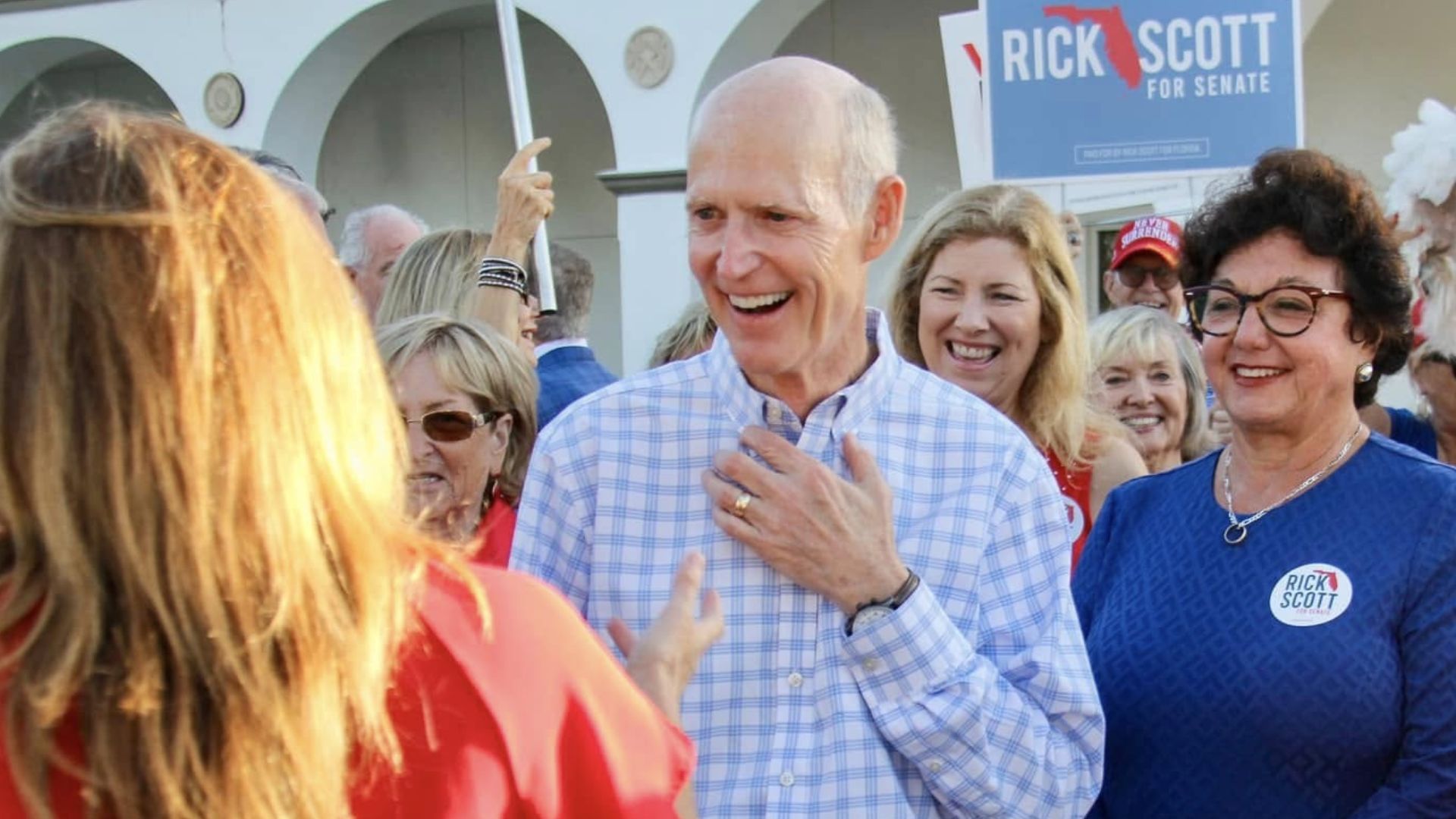
Scott’s message arrives at a moment of sharp tension. Cuba’s communist leadership is still facing accusations of repression even as it announced what he dismissed as a “mass pardon” that, according to the letter, did not free a single political prisoner.
Against that backdrop, Scott argued that symbolic gestures are meaningless while the state continues to jail dissidents, suppress basic freedoms and fund its machinery of control through powerful streams of foreign cash.
Read also: Florida company preyed on mentally ill and unemployed to pocket ACA subsidies
At the center of his appeal are two targets: Cuba’s overseas medical missions program and GAESA, the military-run conglomerate formally known as Grupo de Administración Empresarial S.A. Scott portrayed both as pillars of the regime’s survival, not merely economic enterprises but instruments that help preserve political power.
He pointed first to the medical missions program, which he said sends more than 20,000 Cuban health workers to over 50 countries.
According to the letter, the Cuban government keeps between 75 and 90 percent of their wages while workers endure passport confiscation, surveillance and threats involving their families.
Scott described the system as coercive and said it generates billions of dollars each year, making it the regime’s largest export sector.
In his view, countries that continue contracting for these workers are not simply filling medical staffing gaps; they are helping bankroll forced labor and sustaining an authoritarian state.
Scott argued that Trump’s earlier actions showed this kind of pressure can produce results.
He pointed to visa revocations imposed in August 2025 on officials in Brazil, Grenada and several African nations, saying those moves sent a clear signal. He said multiple countries, including Guatemala, Honduras, Jamaica, Paraguay, Guyana, St. Vincent, and the Grenadines, have already taken steps to phase out or restructure their Cuban medical mission arrangements. Now, he wants that strategy extended further, with Mexico specifically named as a country that should face consequences if it remains non-compliant.
His second major target is GAESA, which he described as the regime’s financial backbone.
According to the letter, the conglomerate controls an estimated 40 percent of the Cuban economy and dominates sectors ranging from tourism and ports to banking, retail and remittances.
Scott warned that when foreign governments enter infrastructure agreements with GAESA, they are not engaging in ordinary business. Instead, he argued, they are deepening the military’s grip on the economy while offering the regime legitimacy and access to long-term capital.
To counter that, Scott urged the administration to use the authority in the January 29 order to apply tougher measures against nations that continue active medical mission contracts or maintain new or existing infrastructure deals with GAESA.
“Thanks to your continued pressure the illegitimate Castro-Díaz-Canel regime is financially fragile and the world is closer seeing a free Cuba than it has been in decades. Your January 29 Executive Order built a bold framework to cut off the regime’s illicit profits, now is the time to extend it to every revenue stream keeping the dictatorship alive. Medical mission proceeds and GAESA infrastructure deals are the next front. I stand ready to support any complementary legislative action your administration requires,” Scott wrote in the letter.
His proposals include secondary tariffs on third countries facilitating revenue for the regime, visa restrictions on officials tied to such agreements, suspending or conditioning U.S. foreign aid for governments that keep funding Cuba through these arrangements, and barring U.S.-linked entities from signing infrastructure memorandums with GAESA or its subsidiaries.
At the same time, Scott said countries that cut ties with Havana’s labor export system, move to direct-pay models that bypass the Cuban government, or cancel GAESA agreements should be recognized rather than punished.
The broader message running through the letter is that Cuba’s rulers are vulnerable, and that vulnerability, in Scott’s telling, should be pressed harder.
He argued that the current framework already built by Trump can go further and that the moment has arrived to widen the campaign from oil and sanctions architecture into every major source of regime income.
For Scott, the struggle is no longer only about isolating Havana. It is about closing the channels that, he says, keep repression funded and keep a free Cuba out of reach.


