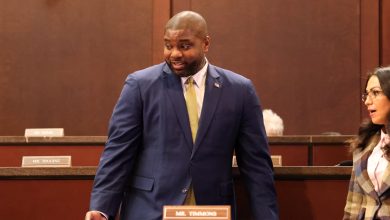
Trump’s rising star Byron Donalds backs JD Vance’s DOJ referral to expose Minnesota’s massive fraud, calls for ‘full accountability’
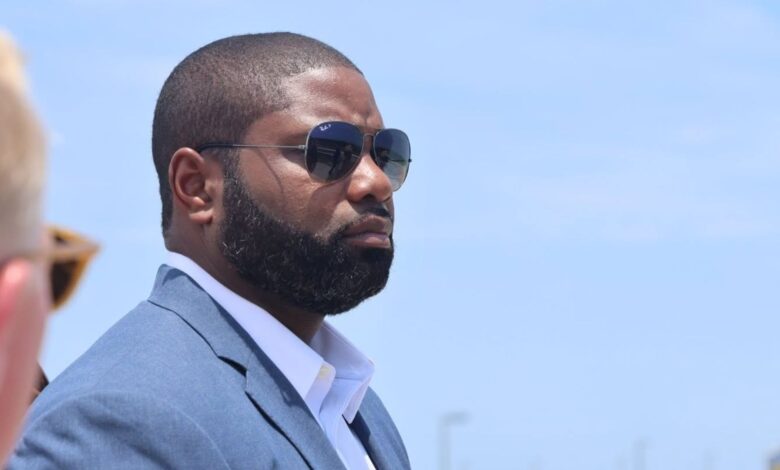
Florida – Since President Donald Trump returned to office in January 2025, fraud in taxpayer-funded programs has become one of Washington’s sharpest political fights.
The White House has framed the effort as a broad campaign to recover public money, tighten weak systems and punish those who used federal benefits programs as easy targets.
That campaign is now pointed squarely at Minnesota, where a new Republican-led congressional report has accused senior state officials of ignoring years of warning signs while massive fraud allegedly spread through social service programs.
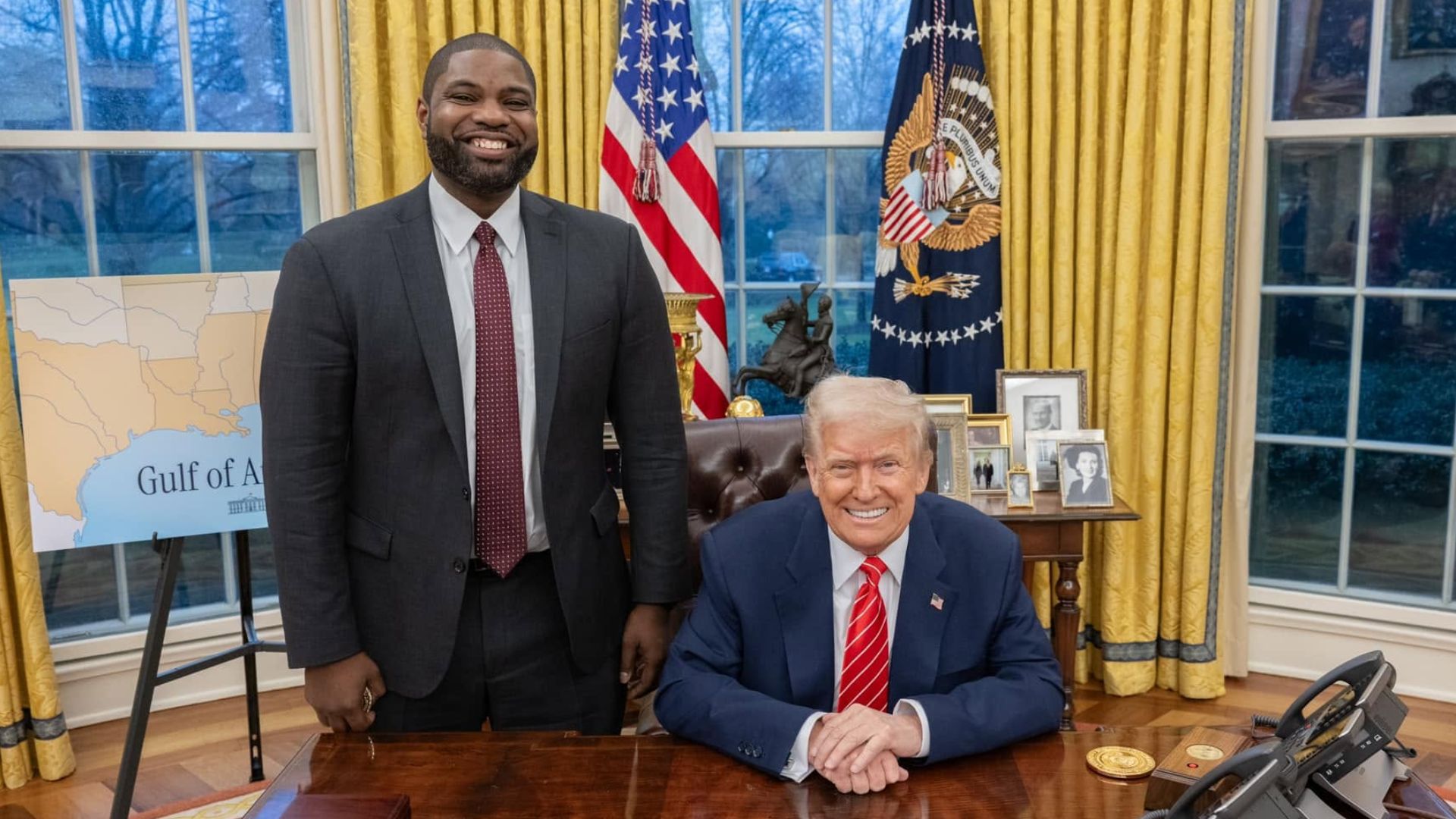
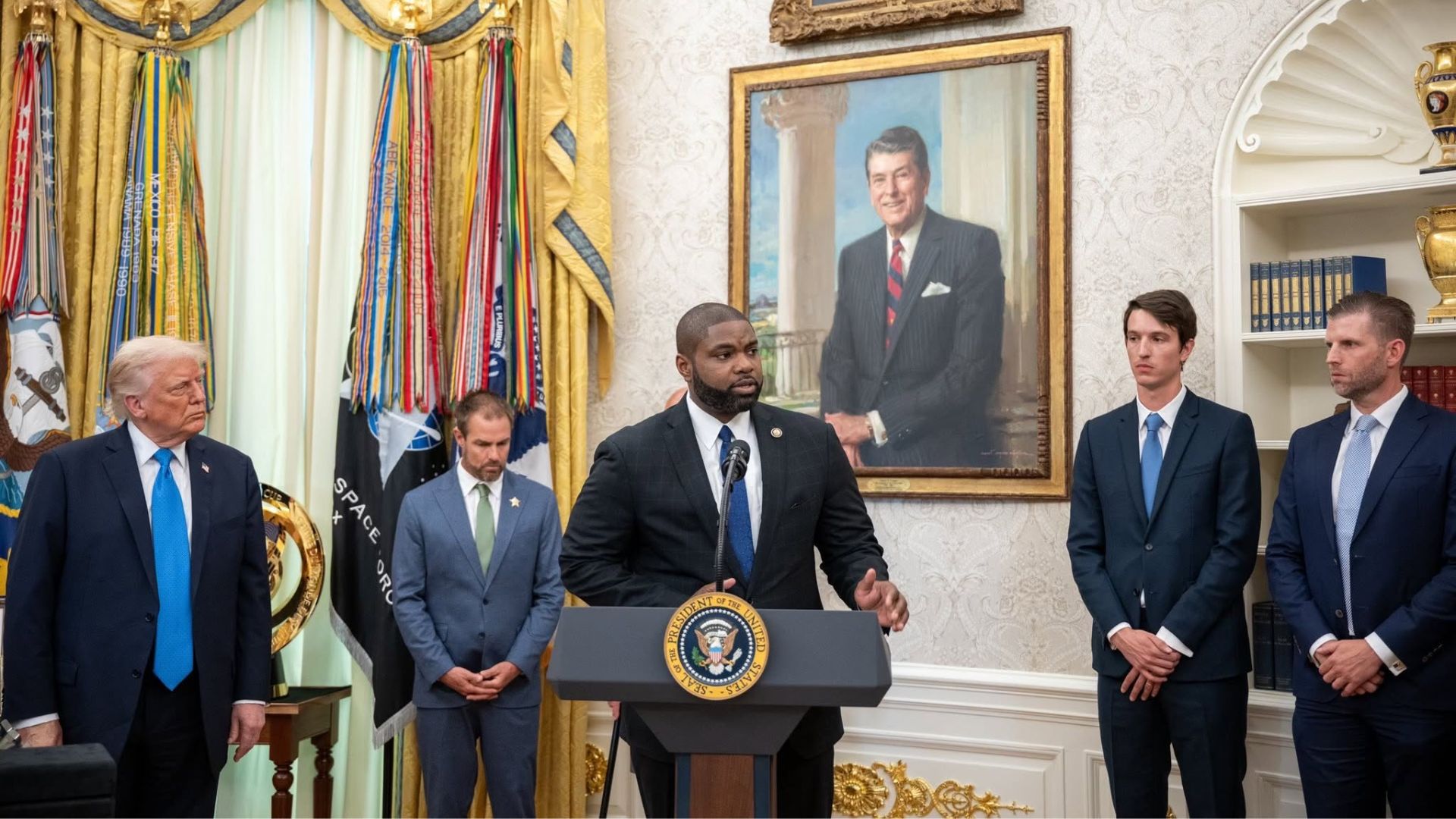
The latest pressure came from Congressman Byron Donalds of Florida, a Trump-endorsed Republican candidate for governor who has emerged as a leading contender in the GOP primary.
Donalds publicly backed Vice President JD Vance after Vance referred allegations involving Minnesota officials to the Justice Department’s National Fraud Enforcement Division.
On X, Donalds wrote: “Thank you, VP @JDVance. Minnesota state officials didn’t just allow rampant waste, fraud, and abuse to run wild under their watch—according to whistleblowers, they weaponized their power to silence those who spoke up. It’s time for full accountability.”
Thank you, VP @JDVance.
Minnesota state officials didn't just allow rampant waste, fraud, and abuse to run wild under their watch—according to whistleblowers, they weaponized their power to silence those who spoke up.
It’s time for full accountability. https://t.co/nB5tNCztwS
— Congressman Byron Donalds (@RepDonaldsPress) June 9, 2026
Donalds’ statement followed the June 8 release of a House Committee on Oversight and Government Reform staff report titled “The Cost of Doing Nothing: How Tim Walz and Keith Ellison Fueled Minnesota’s Fraud Explosion.”
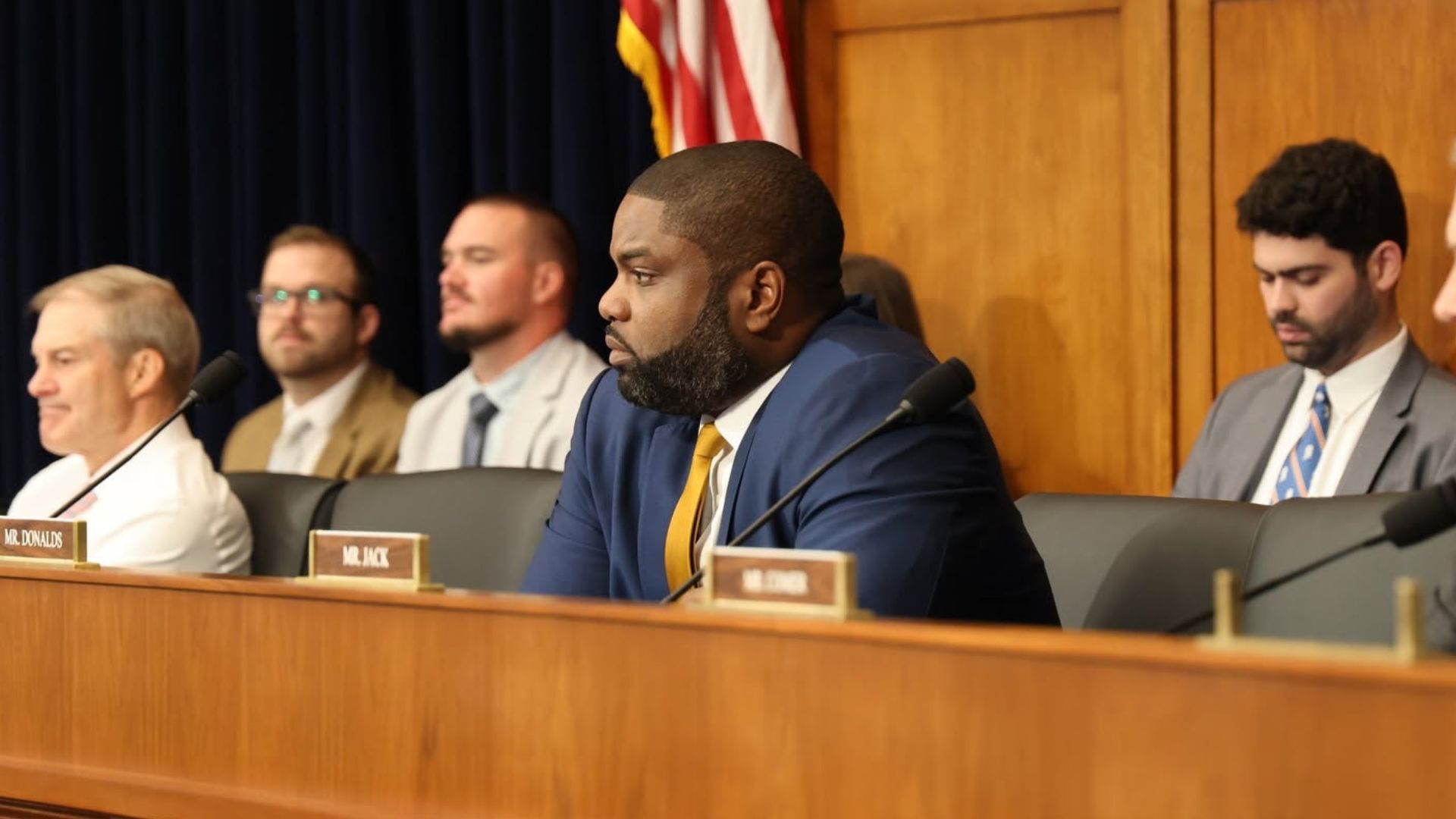
The committee said the report was based on documents and testimony gathered during its investigation into federally funded social programs in Minnesota.
According to the committee, Governor Tim Walz, Attorney General Keith Ellison and other senior officials were aware of credible fraud concerns as early as 2019, had authority to stop payments or suspend questionable providers, and failed to act aggressively enough.
The report centered on two broad areas: child nutrition programs and Medicaid-related services. In the child nutrition cases, including the Feeding Our Future scandal, the committee said about $300 million in federal child nutrition funds were lost.
In Medicaid and related social programs, the report said as much as $9 billion may have been lost or placed at serious risk. The committee also alleged that concerns over lawsuits, political fallout and accusations of discrimination were repeatedly cited as reasons payments continued even after red flags appeared.
Those claims have turned the Minnesota fraud issue from a state-level scandal into a national political flashpoint. Vice President Vance, who has been tied closely to the administration’s anti-fraud push, asked federal prosecutors to examine whether state officials facilitated fraud, blocked efforts to stop it, lied about what they knew, or retaliated against whistleblowers.
“Minnesota state officials are not above the law,” Vance wrote on X.
I’ve referred these allegations to DOJ’s new Fraud Division for criminal investigation. Minnesota state officials are not above the law, and if they facilitated fraud, lied under oath about what they knew, or harassed and intimated whistleblowers, they must face justice. https://t.co/EatSBh9Gh6 pic.twitter.com/7JeFcgkTV0
— JD Vance (@JDVance) June 9, 2026
The Justice Department’s National Fraud Enforcement Division had already been expanding its work in Minnesota before this latest referral. In May, the department announced an expansion of the Health Care Fraud Midwest Strike Force, more law enforcement resources for Minnesota fraud prosecutions and the hiring of 15 additional prosecutors focused on Medicaid fraud nationwide.
DOJ officials said the division was created to investigate and prosecute fraud against the American people and to support the White House Task Force to Eliminate Fraud, a government-wide effort chaired by Vance.
For Donalds, the issue lands at the center of his political brand. The Florida congressman serves on the House Financial Services Committee and has also participated in Oversight Committee work on Minnesota fraud.
In March, his office said he joined a hearing titled “Oversight of Fraud and Misuse of Federal Funds in Minnesota: Part II,” where Walz and Ellison were invited to testify under oath. His office said the committee’s investigation focused on allegations that criminals stole money intended to feed children, support autistic children, house low-income and disabled Americans, and provide health care to vulnerable Medicaid recipients.
The political stakes are also clear. Trump has endorsed Donalds in Florida’s 2026 gubernatorial race, calling him a “TOTAL WINNER” and giving him his “Complete and Total Endorsement.”
A Emerson College poll cited by The National News Desk showed Donalds far ahead in the Republican primary field, with 46% support compared with single-digit support for several rivals and a large bloc still undecided.
Minnesota officials have strongly pushed back. A spokesperson for Walz dismissed the House committee’s work as politically motivated and said the governor is glad fraudsters are going to prison.
Ellison called the allegations unfounded and described Vance’s referral as a “political stunt,” arguing that government power should not be used to target political opponents.
Still, the fight is far from over. Supporters of Vance and Donalds say the scale of the alleged losses demands full transparency and criminal consequences wherever laws were broken.
Critics say the federal scrutiny is selective and politically charged. What is no longer in dispute is that Minnesota’s fraud scandals have become a defining test of the Trump administration’s promise to chase waste, fraud and abuse wherever it says taxpayer money was allowed to disappear.