These 8 Florida scenic byways turn a drive into a whole vacation
Some Florida roads are best treated as a way to get somewhere else. You watch the signs, follow the traffic and think mostly about how much farther you have to go.
Then there are roads where the view beyond the windshield keeps interrupting the conversation, and suddenly nobody is in much of a hurry to arrive.
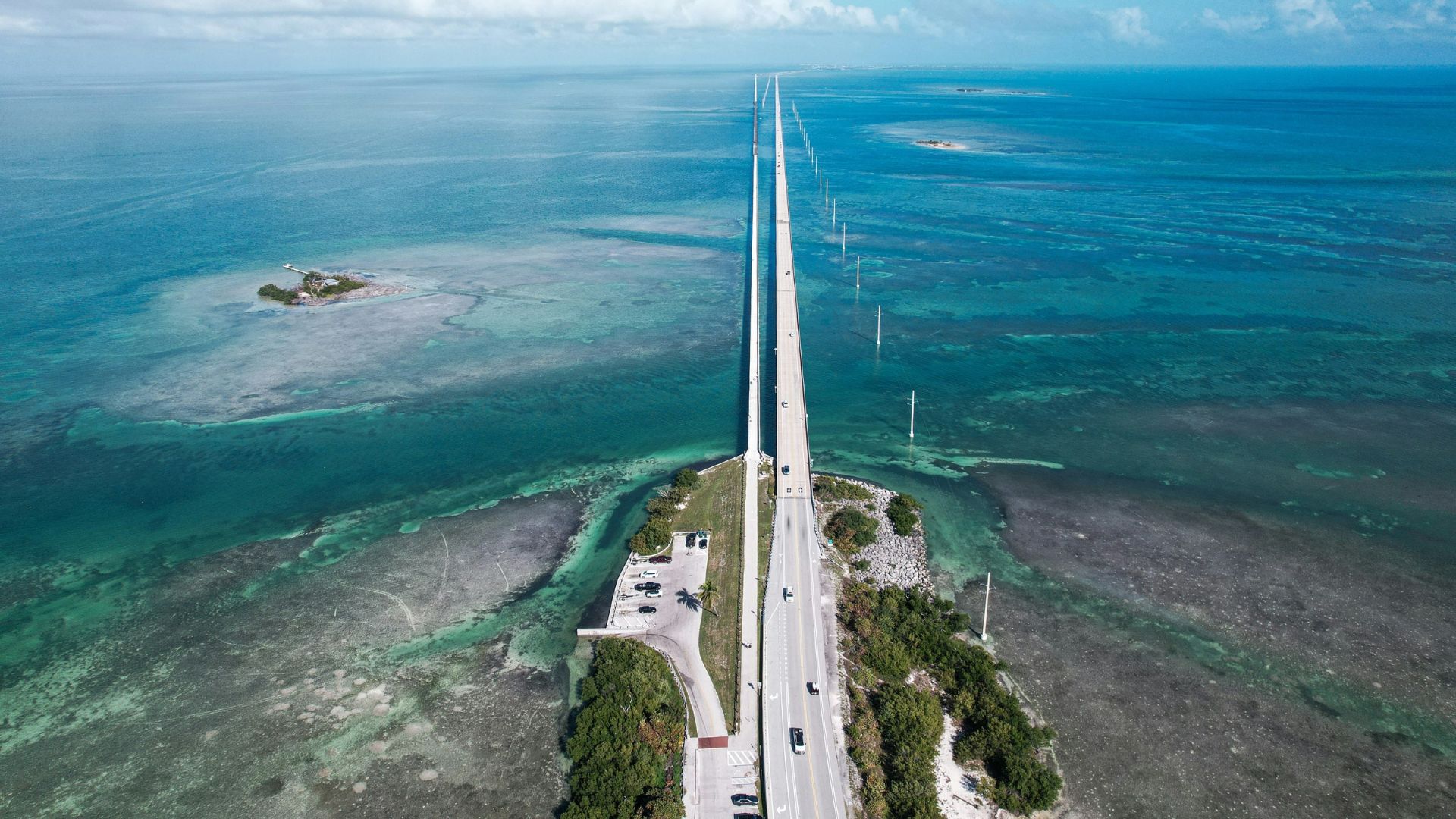
A two-lane highway slips between an ocean beach and an old coastal town. A bridge rises above turquoise water, revealing little islands scattered toward the horizon.
Somewhere inland, live oaks arch over the pavement, and a historic main street appears just when you were thinking about finding coffee.
Florida’s scenic byways make a strong case for building a vacation around the drive itself. The state has 27 designated scenic highways, including nationally recognized routes.
They connect coastlines, forests, marshes and towns with enough individual personality to reward travelers willing to slow down. These eight are particularly good places to begin.
Read also: The most popular Florida beaches that rank among America’s best right now
1. Florida Keys Scenic Highway
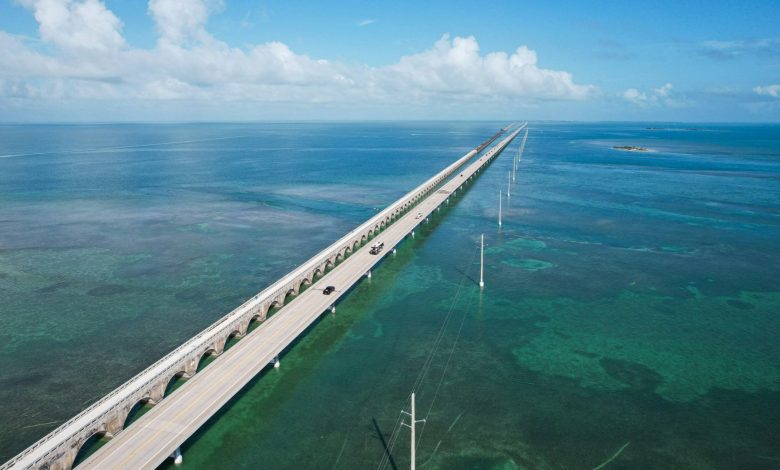
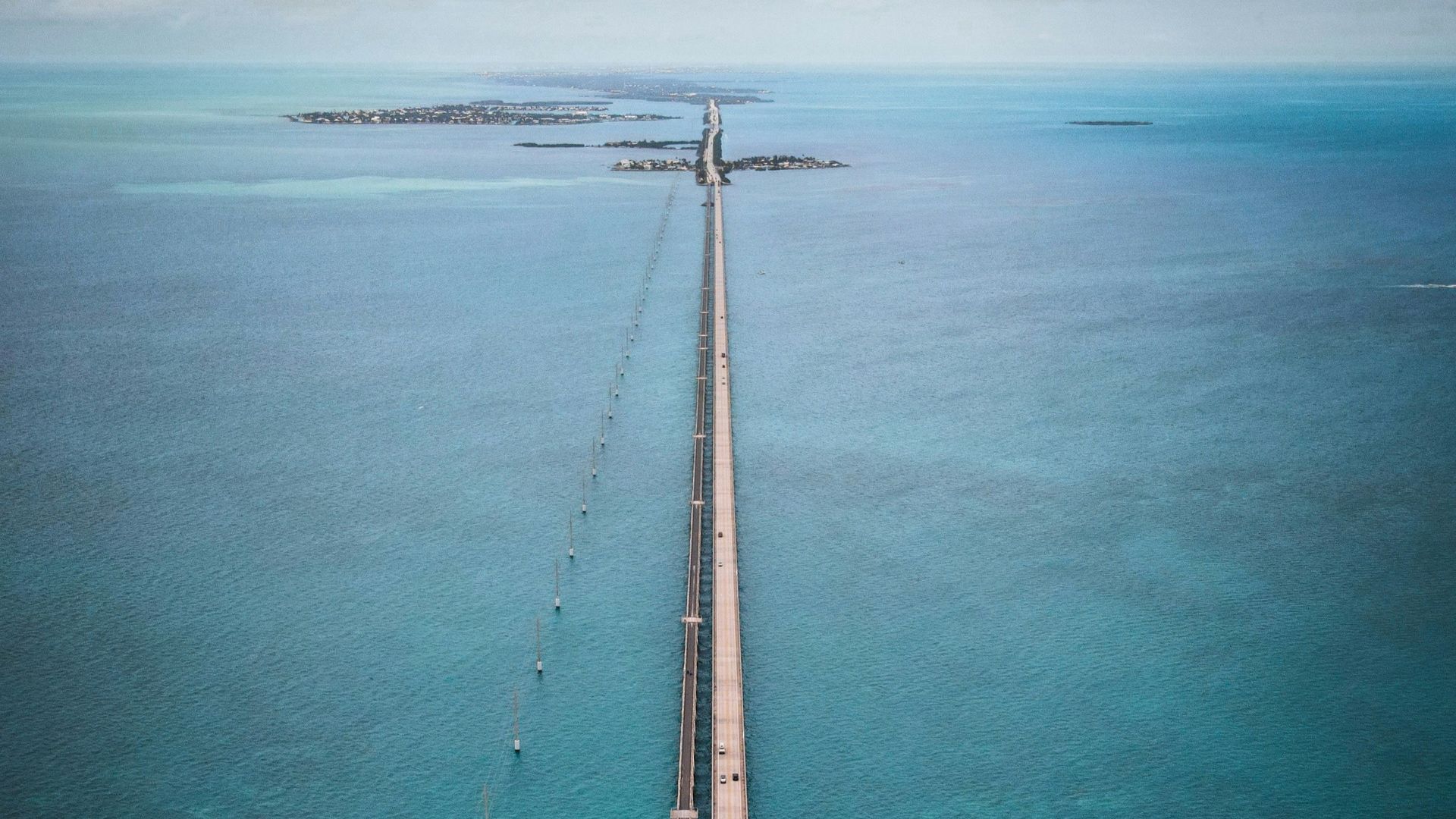
There is a point along the Overseas Highway when the road seems to be floating above the sea. Water stretches to either side, small islands appear ahead, and the horizon becomes a much bigger part of the scenery than the land.
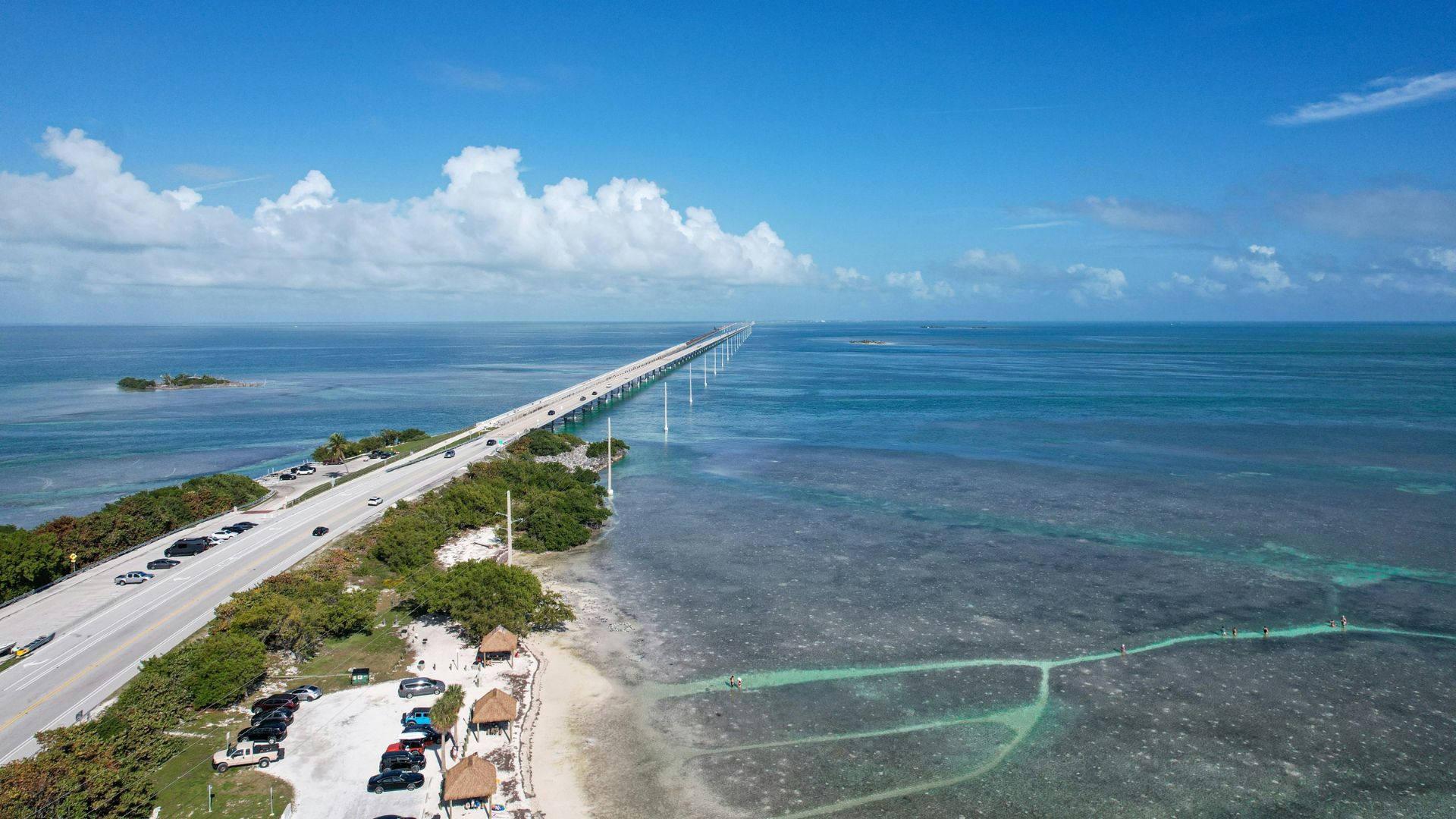
The Florida Keys Scenic Highway follows roughly 110 miles of U.S. 1 through the islands toward Key West. It is an All-American Road, a federal designation reserved for routes of exceptional scenic or cultural value. The drive deserves the attention.
The Seven Mile Bridge is the famous moment, but don’t reduce the experience to that crossing. Each section offers something different: roadside seafood stops, marinas, mangrove shorelines and small communities with their own rhythms.
Read also: Amazing Florida citrus stops where the old roadside tradition still tastes sweet
An easy plan is to begin around Key Largo, visit Islamorada and continue south, leaving time for a stop in Marathon before reaching the Lower Keys. Bahia Honda State Park provides a particularly appealing beach-and-bridge view, although the state park charges admission and may limit access during periods of high demand.
Traffic can become heavy, especially on weekends and holiday travel days. This is not a drive to measure by the fastest navigation estimate. A single backup can change the schedule dramatically.
If you’re going all the way to Key West, consider making the journey part of a multi-day trip. You may discover that stopping for lunch beside the water is more memorable than arriving an hour sooner.
And when the bridge stretches ahead with nothing but blue on either side, even impatient travelers usually understand why the road itself is famous.
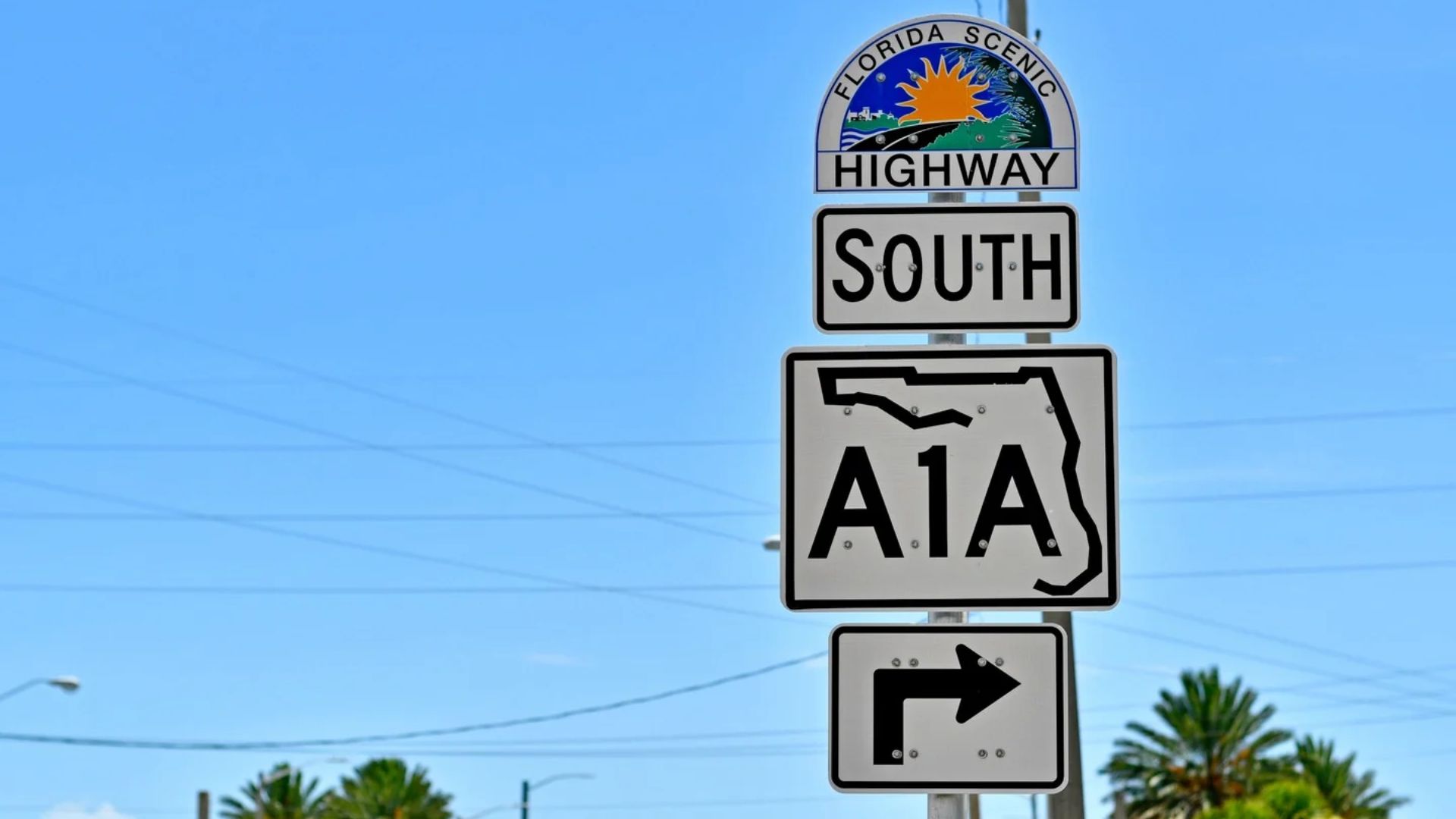
2. A1A Scenic and Historic Coastal Byway
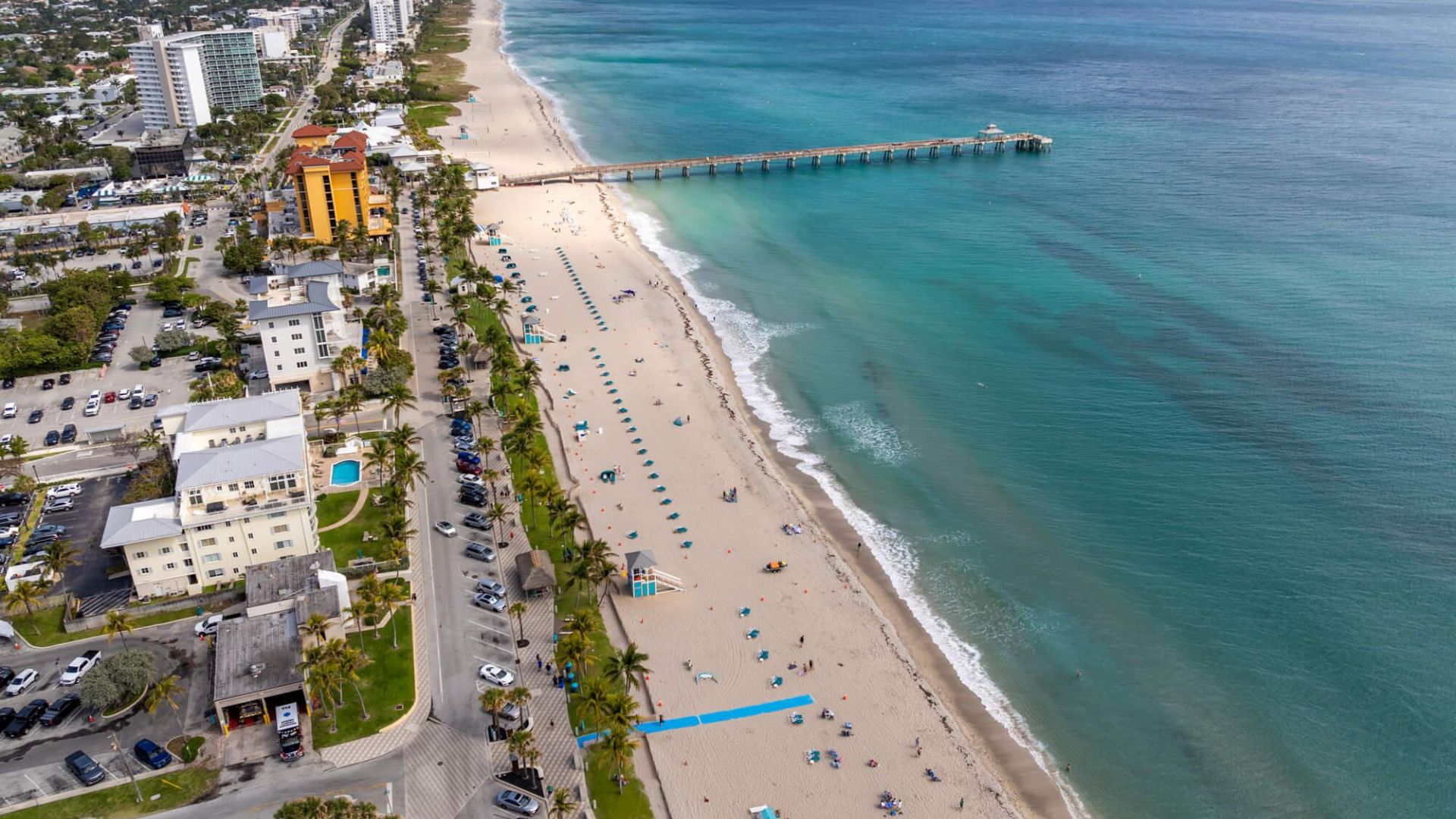
Northeast Florida’s A1A Scenic and Historic Coastal Byway offers a different ocean experience. Instead of hopping between tropical islands, the route follows barrier-island landscapes near St. Augustine, combining Atlantic beaches with historical places and coastal communities.
Read also: Not so known small Florida towns that feel like stepping back in time
The designated corridor covers about 72 miles and received All-American Road recognition in 2021. Portions run through undeveloped coastal scenery where dunes, marshes and protected lands remain prominent.
Fort Matanzas National Monument makes a worthwhile stop. The historic Spanish outpost sits south of St. Augustine, with a visitor center and a ferry connection to the fort when boat service is operating. Reserve time to check the National Park Service’s current tour arrangements.
Farther north, St. Augustine provides a complete change of atmosphere. Its historic district is compact and walkable, with shops, old buildings and enough places for lunch to turn a brief break into an afternoon.
This is also a route for travelers who appreciate small discoveries. A boardwalk through coastal vegetation, a beach access point or a view across a salt marsh may be every bit as satisfying as a famous landmark.
Watch for wildlife and keep to established parking areas. Scenic highways are still working roads, and stopping on narrow shoulders to photograph a view can be dangerous.
The nicest approach is to make the drive without treating the entire corridor as a single checklist. Choose two or three stops. Then leave some time for the stretch of roadway between them, which is where the coastal character becomes most apparent.
3. Big Bend Scenic Byway
If you think every Florida coast looks like a line of high-rise resorts, the Big Bend has a pleasant surprise waiting.
This approximately 220-mile byway crosses parts of Leon, Wakulla and Franklin counties in the Panhandle. Its Coastal Trail and Forest Trail offer contrasting landscapes: quiet shoreline communities, estuaries, pine forests and long views across the region’s natural areas.
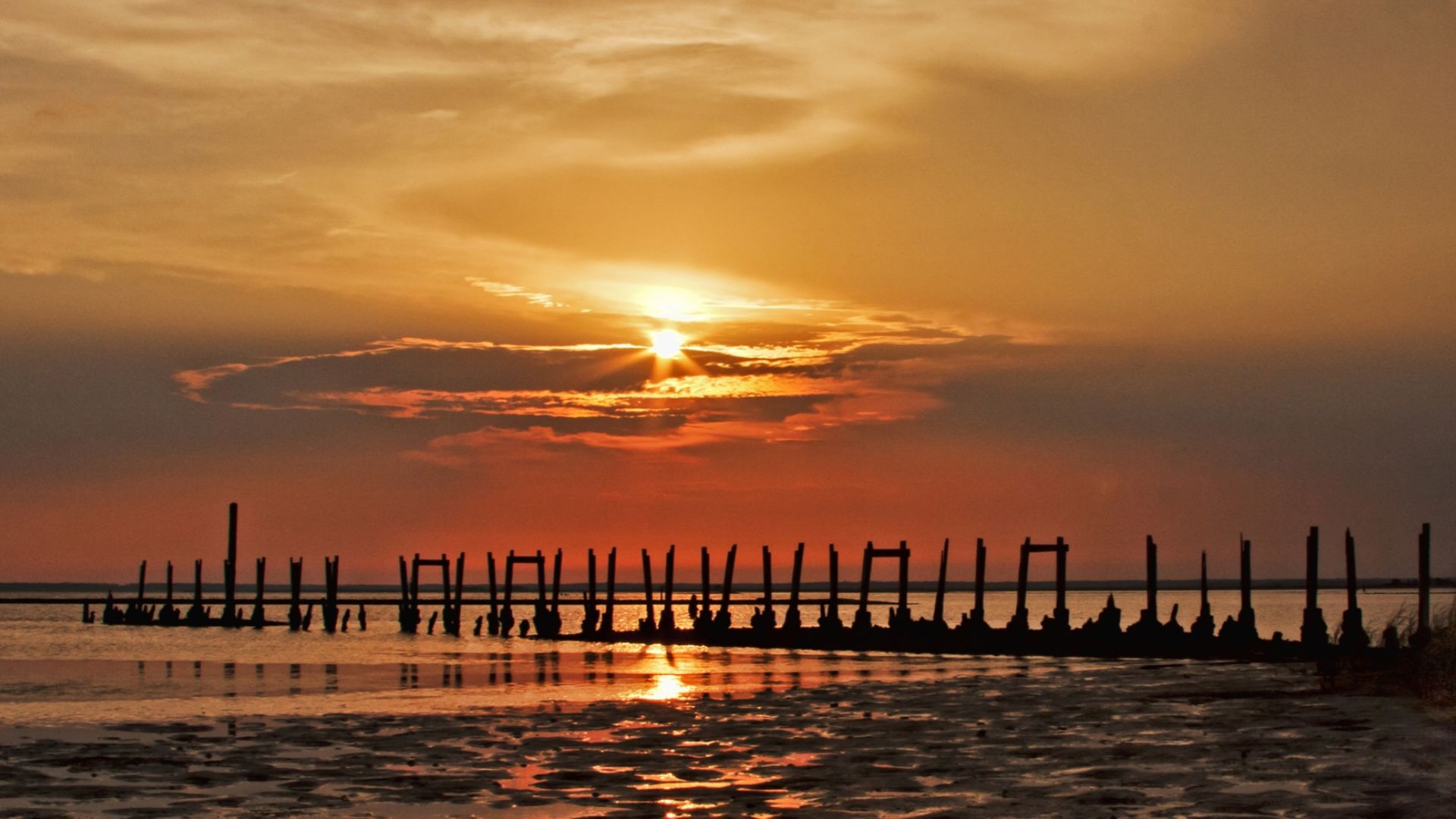
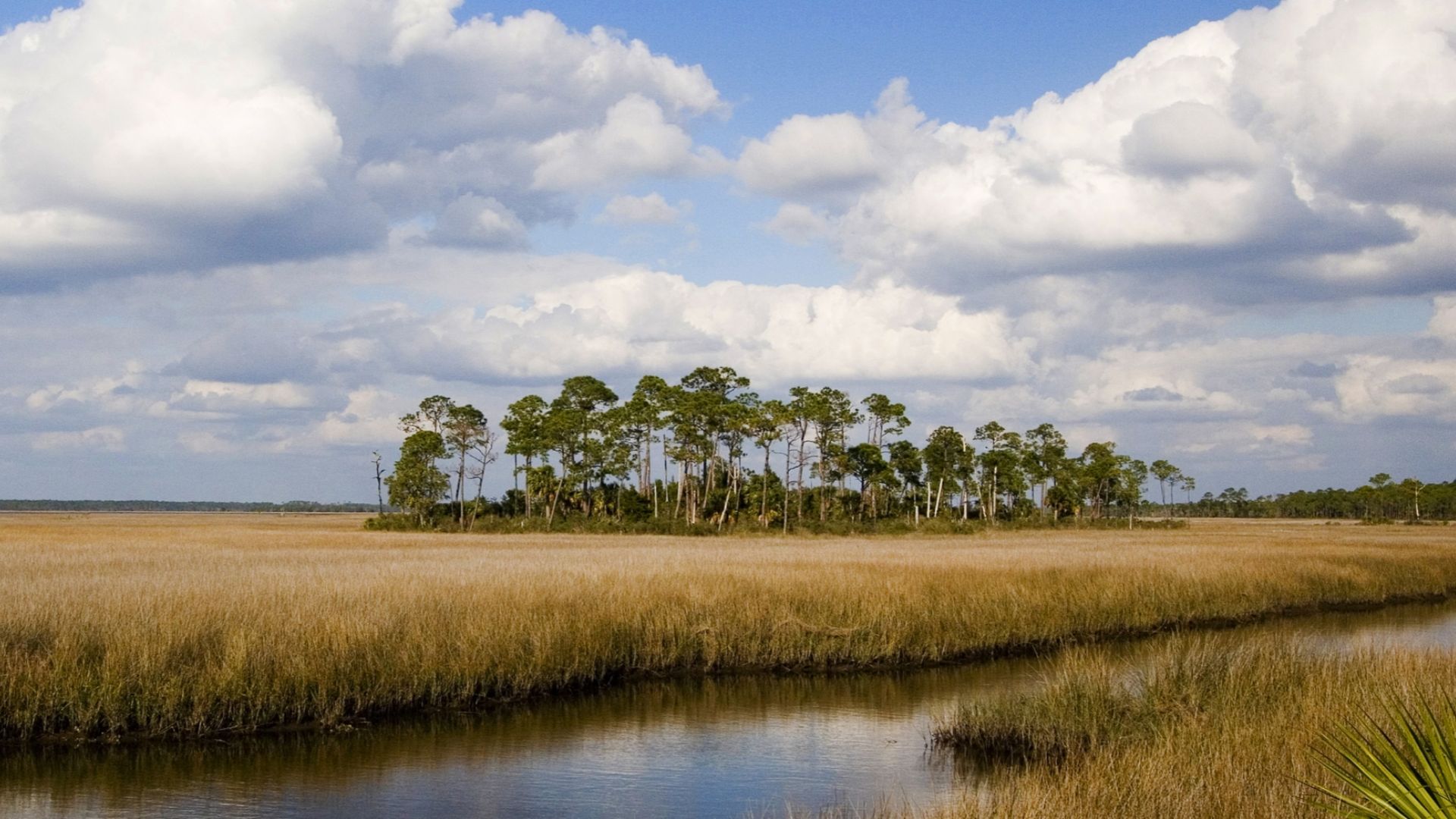
The area has a different personality from South Florida. Towns are smaller, fishing remains visible and the roads can pass through places where the marsh seems to extend forever.
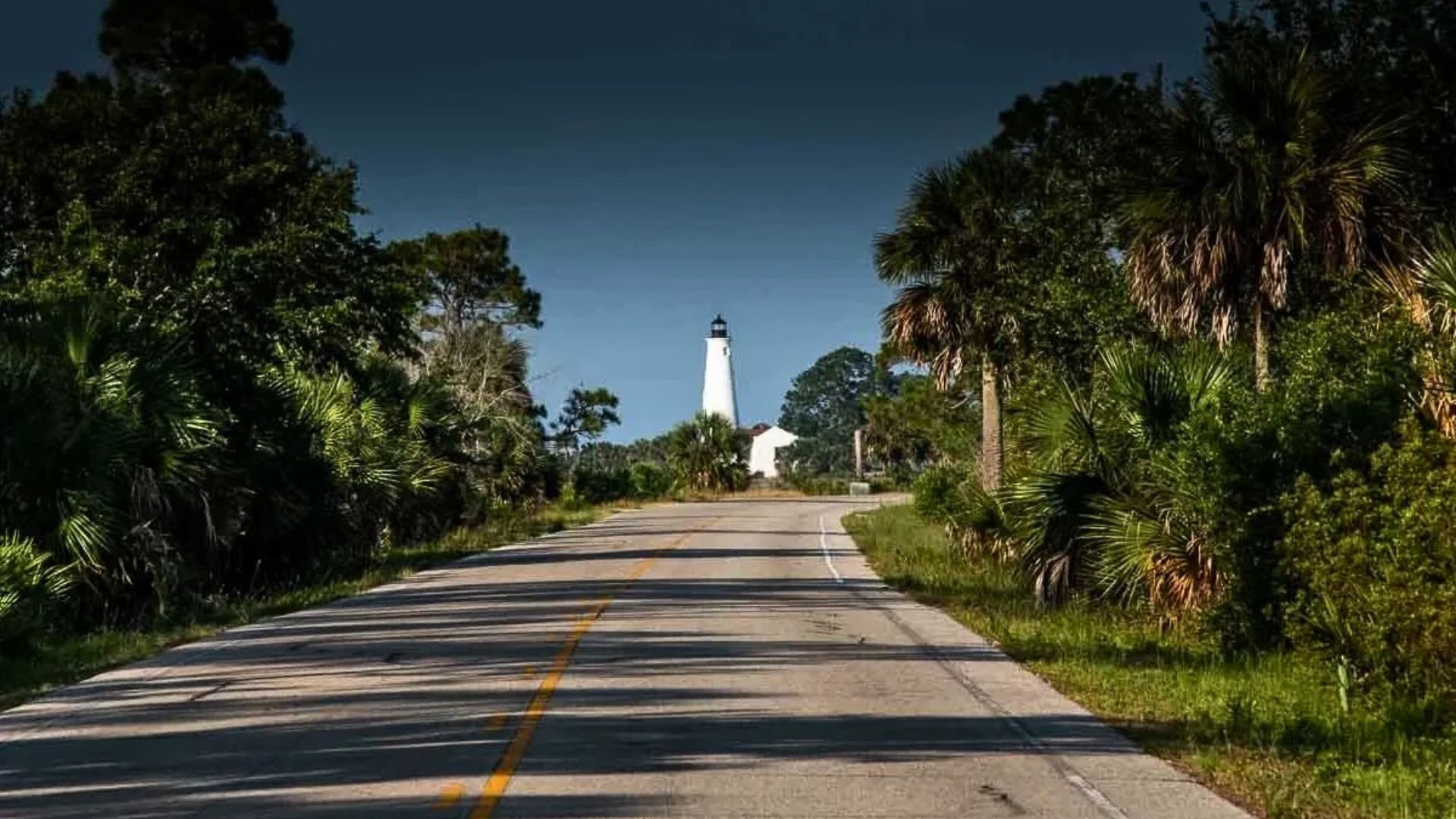
St. Marks National Wildlife Refuge is one of the signature stops. Its lighthouse and coastal habitat make the refuge especially appealing for birders, although entrance fees and access rules apply. Winter brings migratory species, while warmer months create their own wildlife activity.
Other appealing destinations include Wakulla Springs State Park and Apalachicola, where historic streets and seafood traditions provide reasons to pause. Check individual park and attraction schedules rather than assuming everything along the byway is open daily.
This is not a road where every mile promises an attraction sign. Much of the charm comes from the quiet spaces between towns.
Bring fuel and water before entering less developed stretches. Cellular coverage may vary, and roadside services aren’t as frequent as they are on major interstate corridors.
The Big Bend rewards a patient driver. Somewhere between forest and coast, you’ll notice that the absence of big attractions is part of the attraction.
4. Scenic Highway 30A
Some scenic drives are famous for empty roads. Scenic Highway 30A is famous for making a relatively short drive feel full of possibilities.
The designated route covers about 24 miles along the Gulf Coast in Walton County, passing communities such as Grayton Beach, Seaside, WaterColor, Alys Beach and Rosemary Beach. Each looks a little different, from beach cottages and neighborhood restaurants to carefully designed town centers.
The sand is an important part of the landscape. Northwest Florida’s Gulf beaches are known for pale sand and clear water, although conditions vary with wind, weather and seasonal marine life.
Grayton Beach State Park is an excellent stop for visitors who want a walk through coastal dunes and natural habitat. The park charges a vehicle fee, and parking can fill quickly on busy summer days.
The route also includes opportunities to explore rare coastal dune lakes. These unusual ecosystems make the area more interesting than a simple succession of vacation rentals.
One practical warning: don’t expect the drive to be fast. Bicycles, pedestrians and frequent turning traffic are part of the experience in many communities. That slower pace can be enjoyable if you planned for it, but frustrating if you’re trying to get somewhere by a strict deadline.
Visit in winter or early spring if you prefer easier parking and less beach traffic, although some businesses reduce their hours outside summer.
Thirty-A works best when you accept that a bakery stop, an interesting bookstore or a short beach walk may become the highlight. The highway provides the connection. The little coastal neighborhoods make the story.
5. Ormond Scenic Loop and Trail
Just north of Daytona Beach, the Ormond Scenic Loop and Trail feels like a different Florida. Large trees shade portions of the road, marshes open beside the pavement, and the route passes through a combination of riverfront and coastal environments.
The loop is commonly described as approximately 34 miles, although the exact distance depends on which connecting roads a traveler chooses. It received National Scenic Byway designation in 2009.
The remarkable part is how quickly the landscape changes. You may be driving beneath a canopy of trees one moment and approaching an Atlantic beach the next. A crossing near the Halifax River provides another perspective on the area’s waterways.
Tomoka State Park is an appealing outdoor stop. It protects a landscape associated with the Timucua people and offers paddling, trails and wildlife viewing. The park has a separate admission fee.
For a quieter excursion, spend time appreciating the road’s tree-lined stretches rather than planning too many destinations. The route is particularly attractive in morning light, when the road is less busy.
Remember that parts of the loop pass through residential areas. Drive at posted speeds, be considerate of cyclists and avoid making impromptu U-turns when something catches your eye.
This drive is a reminder that scenic Florida doesn’t always require a remote wilderness. Even near busy beach cities, a carefully chosen road can reveal an older, quieter version of the coast.
6. Indian River Lagoon National Scenic Byway
The Indian River Lagoon is more than a pretty stretch of water. It is a complex estuary, and the communities along its shores reflect a close relationship between boating, fishing, wildlife and coastal development.
The designated Indian River Lagoon National Scenic Byway covers roughly 233 miles across segments of Florida’s central Atlantic coast. It is a long route, best explored in sections rather than attempted as a hurried day trip.
The landscape changes as you move along the lagoon. Some areas are residential or commercial. Others offer water views, small parks and access to protected coastal habitat.
Merritt Island National Wildlife Refuge is one of the strongest wildlife stops in the broader region. Its Black Point Wildlife Drive offers a seven-mile route through marsh habitat, particularly rewarding during winter birding season. A refuge entrance fee applies to that drive.
Farther south, communities such as Sebastian and Vero Beach provide opportunities for waterfront walks, seafood lunches and relaxed shopping.
For a family trip, select one stretch and give it a theme. Perhaps you’re following the water in search of birds. Maybe you’re stopping at historic downtowns. Or you simply want a quiet afternoon with a few scenic pullouts.
The byway’s length can be misleading. Covering 233 miles of roadway is entirely different from experiencing 233 miles of coastline. A leisurely two-hour section may reveal more than a full-day race across the entire route.
7. Old Florida Heritage Highway
If you want to understand why people romanticize old Florida, drive south of Gainesville when the light begins filtering through mature oak trees.
The Old Florida Heritage Highway runs approximately 45 miles through the Alachua County landscape around U.S. 441. It offers a mix of rural scenery, historic settlements and protected lands that feels strikingly different from modern coastal resort corridors.
Micanopy is an essential stop. The town’s antique shops, small eateries and historic buildings give visitors a comfortable place to park the car and wander. Its oak-shaded streets are particularly appealing on a mild winter afternoon.
Nearby Paynes Prairie Preserve State Park introduces a completely different scene. Broad grasslands and wetlands provide habitat for birds, alligators and free-roaming bison and horses. There is a state park entry fee, and wildlife sightings are never guaranteed.
The best way to enjoy this route is to combine a small-town lunch with an outdoor stop. Browse Micanopy in the morning, then spend time on a trail or observation platform at the prairie.
Winter can be especially pleasant here because cooler temperatures make walking easier than the humid height of summer. Bring binoculars if wildlife interests you; birds often provide the most reliable activity.
The byway’s charm is quiet rather than dramatic. It doesn’t need a spectacular bridge or a famous skyline. A country road, a few enormous trees and an old storefront can be enough.
8. Tamiami Trail, Windows to the Gulf Coast Waters
The Tamiami Trail is famous for connecting Tampa and Miami, but the designated Windows to the Gulf Coast Waters scenic section deserves attention for its own character.
This roughly 70-mile corridor along the southwest Gulf Coast includes waterways, mangrove landscapes and communities whose histories are tied to fishing and coastal life. It is a driving route rather than a single uninterrupted sightseeing path, so plan stops before setting out.
Depending on the section you choose, the experience may include bay views, bridges, small marinas and local parks. The landscape is subtler than a mountain overlook, but it has its own appeal: water appearing unexpectedly between trees, wading birds near a shoreline and boats moving through quiet channels.
Consider adding a visit to a public waterfront park or an established nature preserve along your chosen section. Check current access before relying on older tourist information, particularly where storms or restoration work have affected coastal facilities.
This is a good route for travelers who enjoy exploring the space between well-known Gulf destinations. Don’t expect every turn to deliver a panoramic ocean view. The interesting moments often arrive in smaller glimpses.
An early start helps with traffic, and winter’s generally milder weather makes walking stops more comfortable. Keep a little flexibility for road construction and changing coastal conditions.
The reward is a Florida coast seen at a human pace, rather than from the window of a speeding interstate journey.
How to plan a byway road trip without rushing it
The temptation with a scenic-highway list is to circle every destination and try to visit them all. Resist it. Florida is much longer than many people realize, and these eight routes cover widely separated parts of the state.
Choose one region. For an island-focused vacation, the Keys make an obvious choice. If history and Atlantic scenery appeal, look toward A1A. The Big Bend suits travelers drawn to quieter communities, while Old Florida Heritage offers a rewarding combination of rural landscape and small-town browsing.
Check individual attraction fees, even when driving the road is free. The scenic-highway designation does not include free entry to state parks, federal refuges or private attractions.
Also remember that winter is a good season for many Florida drives, but it brings shorter daylight hours and busy holiday travel. Rain, coastal winds and road work can affect even a carefully planned route.
Pack water, allow time for meals and avoid turning scenic pullouts into unsafe parking places. A road is best enjoyed when nobody feels rushed or pressured to stop suddenly.
The nicest Florida drives leave room for a change of plans. You may have chosen the route because of a famous beach or an old historic town. But halfway through, you might find yourself beside a quiet stretch of marsh, watching birds move over the water, and realize the best part of the vacation was never at the end of the road.