Historic Florida restaurants where a good meal comes with a remarkable story
A waiter carrying a Cuban sandwich across a tiled dining room might not seem like a history lesson. Then you discover the restaurant served cigar workers before automobiles transformed the streets outside, and that the same family has been running the business for more than a century.
Florida’s food history is not confined to one kind of building. It lives inside a huge Spanish restaurant in Tampa, a narrow dining car in Palatka, an old sugar mill where customers cook their own pancakes and a roadside pub covered with dollar bills.
Read also: The magnificent Florida holiday light displays worth a road trip this Christmas season
Some places feel elegant. Others have the unapologetic charm of a neighborhood counter.
What connects them is the experience of eating somewhere that has a story beyond the menu. These seven stops offer different ways to taste that history.
A few businesses are themselves more than a hundred years old; others occupy older structures or preserve more recent chapters of Florida culture. Each is worth understanding on its own terms.
Read also: These 8 Florida scenic byways turn a drive into a whole vacation
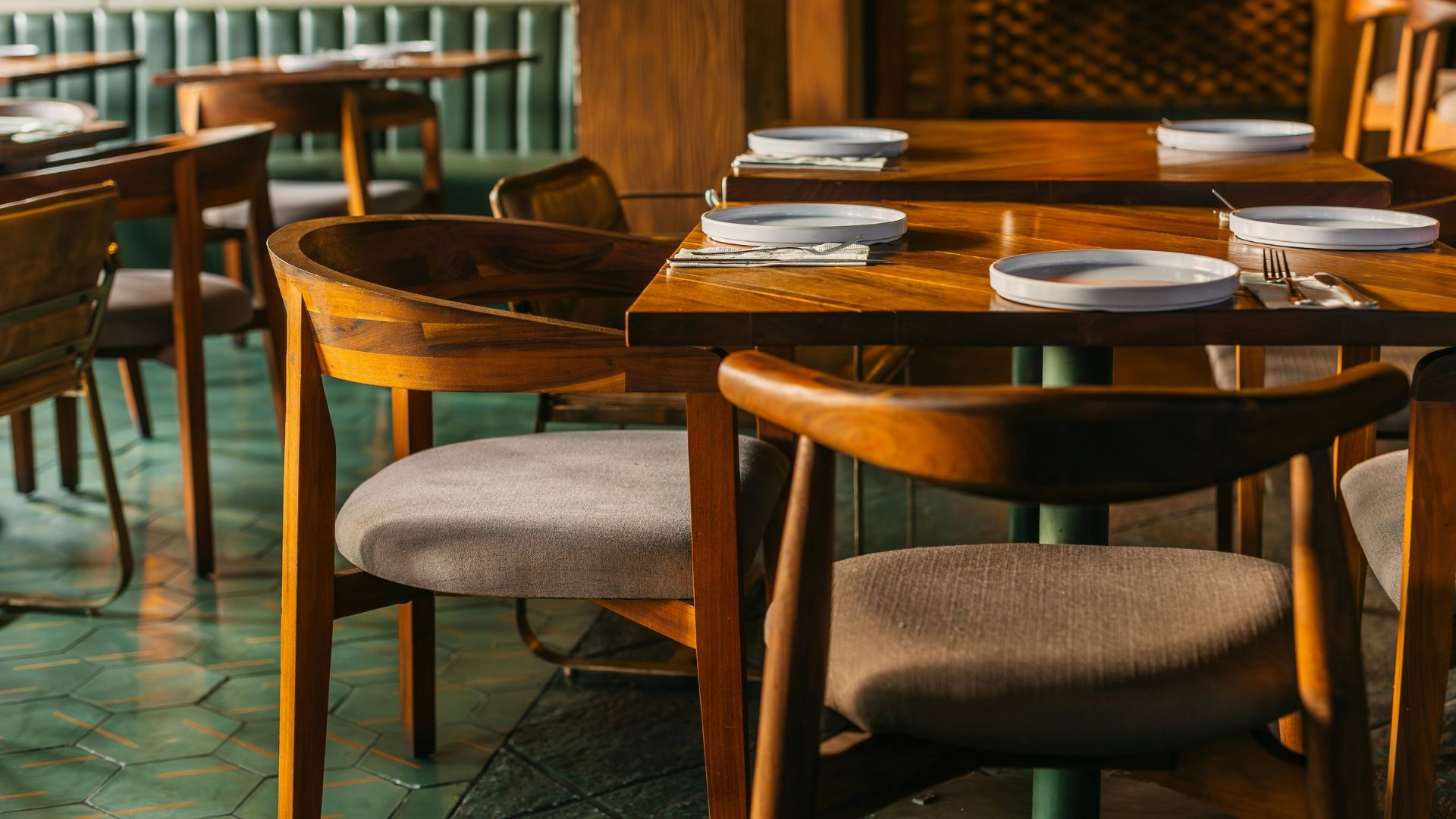
1. Columbia Restaurant, Tampa
The Columbia’s dining rooms could almost be an attraction without food. Tilework, historic photographs and ornate interiors stretch across a full block of Ybor City.
Yet the restaurant began with a far simpler ambition: serving the people working in Tampa’s busy cigar district.
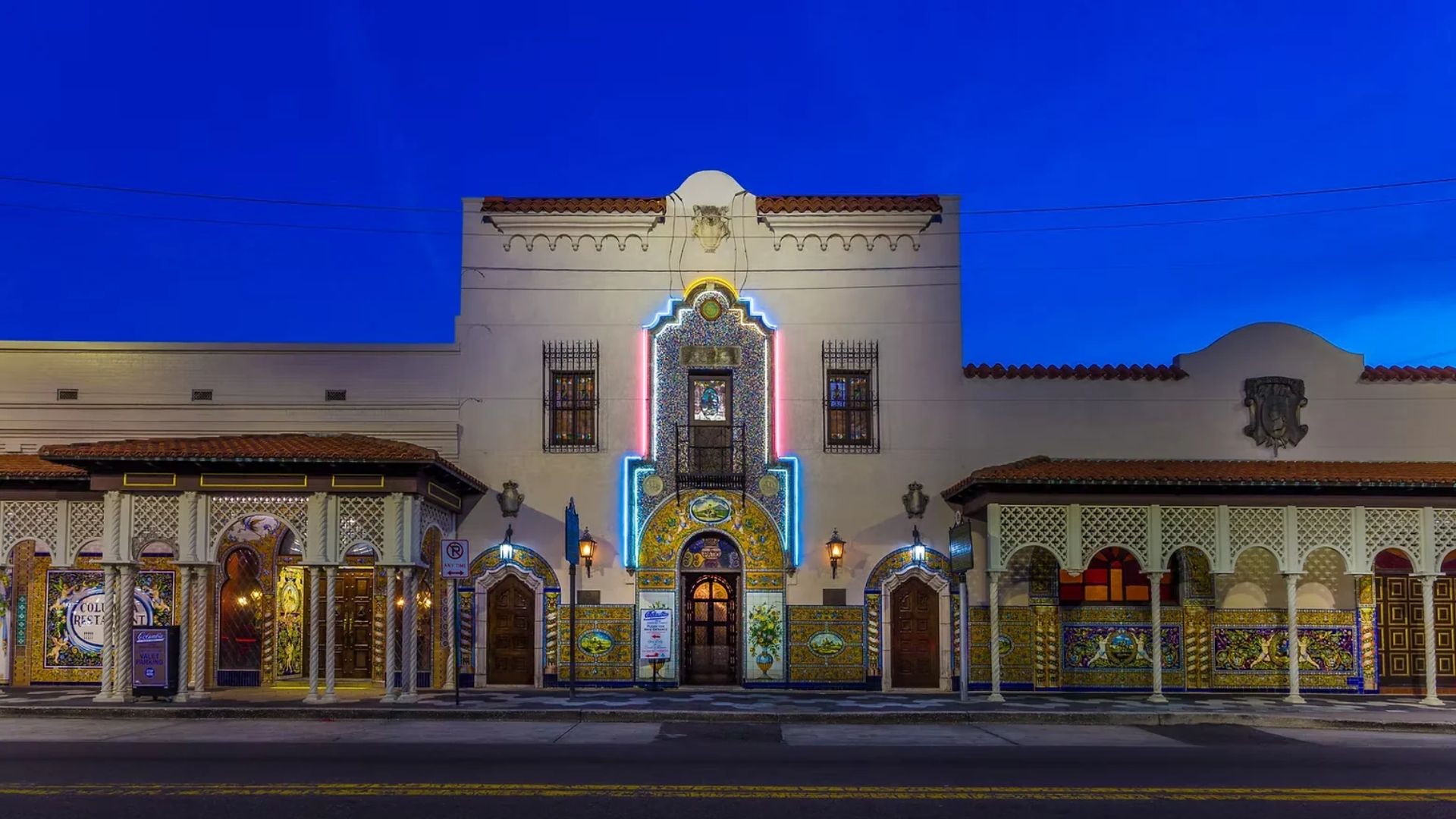
Casimiro Hernandez Sr. was associated with the Columbia Saloon in 1903 and transformed it into the Columbia Restaurant in 1905.
That distinction resolves an apparent contradiction in some histories. The saloon dates to 1903; the family restaurant identifies 1905 as its founding year.
Over five generations, the Hernandez and Gonzmart families expanded the business. Today the original location occupies roughly 52,000 square feet and seats as many as 1,700 guests in 15 dining rooms.
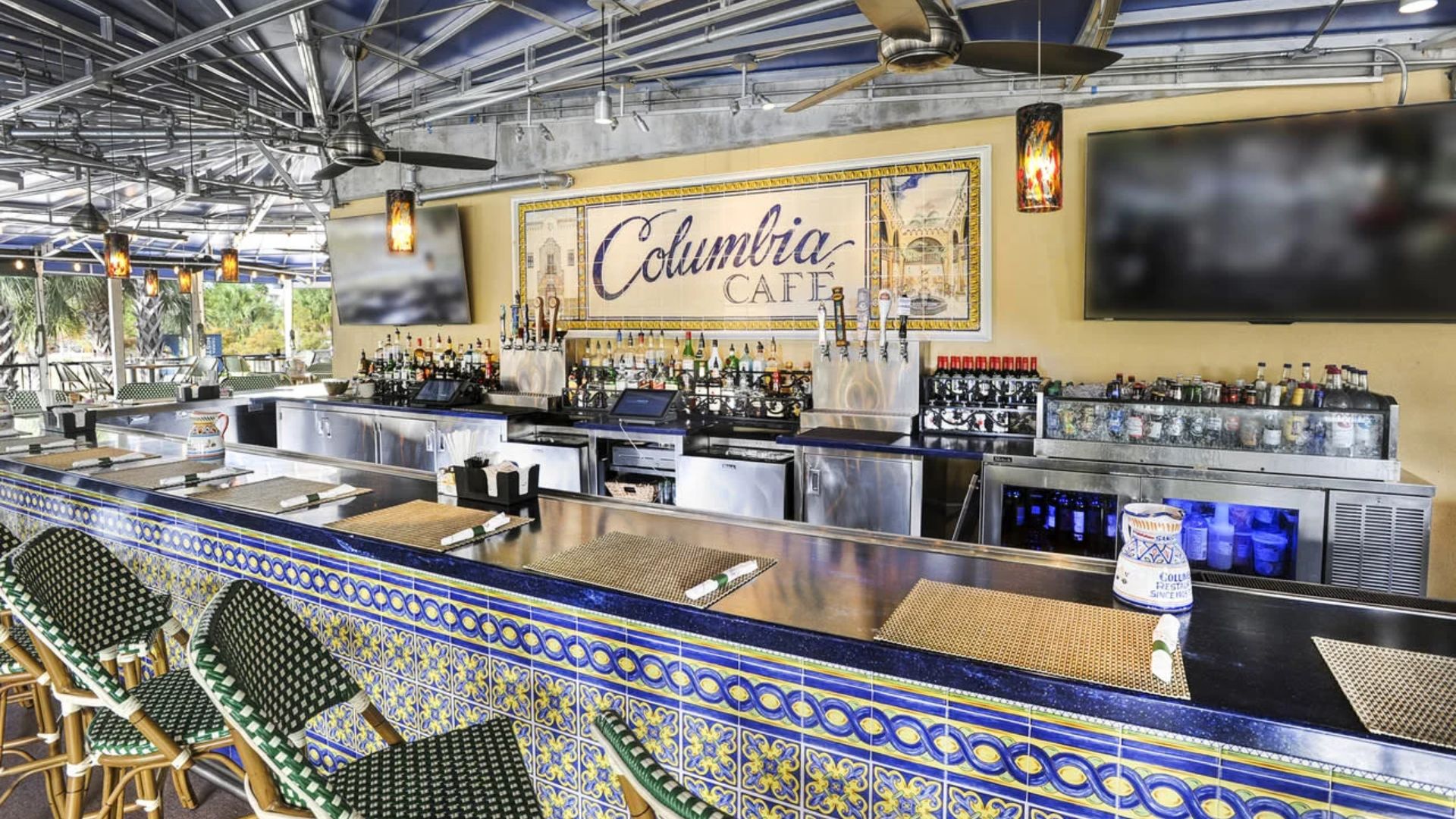
The owners describe it as the world’s largest Spanish restaurant, a claim that should be understood as the business’s own description.
The famous Original 1905 Salad is an excellent order, tossed with ham, Swiss cheese, olives, Romano and a distinctive dressing. The Cuban sandwich also tells a Tampa story: it includes salami, an ingredient that helps distinguish the local tradition from many Miami versions. Spanish bean soup offers something hearty and closely linked to the early menu.
Read also: The most popular Florida beaches that rank among America’s best right now
The Ybor City restaurant is at 2117 East Seventh Avenue and generally opens daily for lunch and dinner. Reservations are sensible, particularly for evening dining or special performances. Take time to look around before leaving.
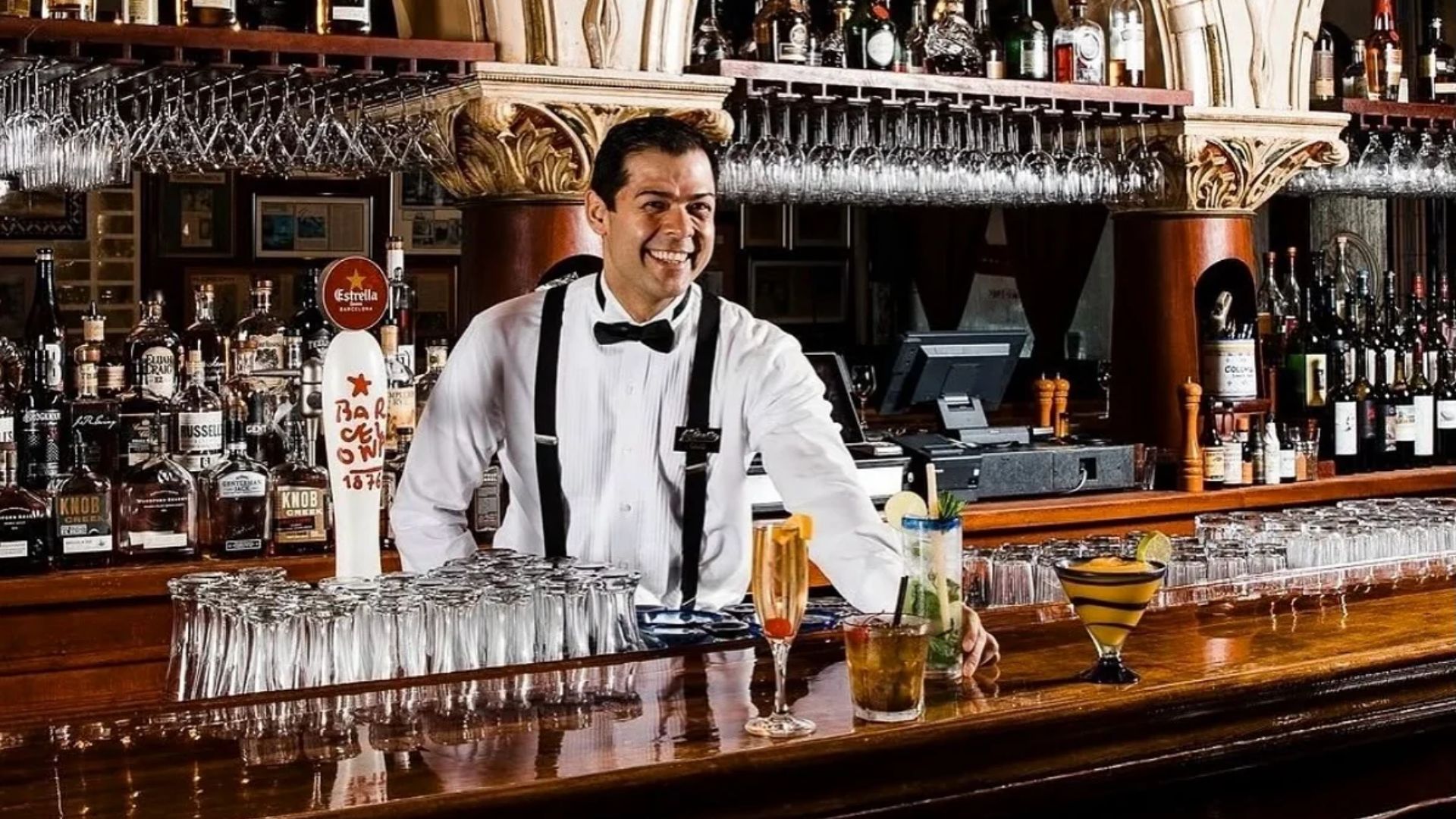
The surroundings are not simply decorative; they reflect a family business that changed alongside the neighborhood.
2. Angel’s Dining Car, Palatka
Angel’s doesn’t look like the sort of restaurant that spent years designing a brand identity. It looks like what it is: a narrow old dining car where customers can sit close enough to hear the everyday conversation around them.
Read also: Amazing Florida citrus stops where the old roadside tradition still tastes sweet
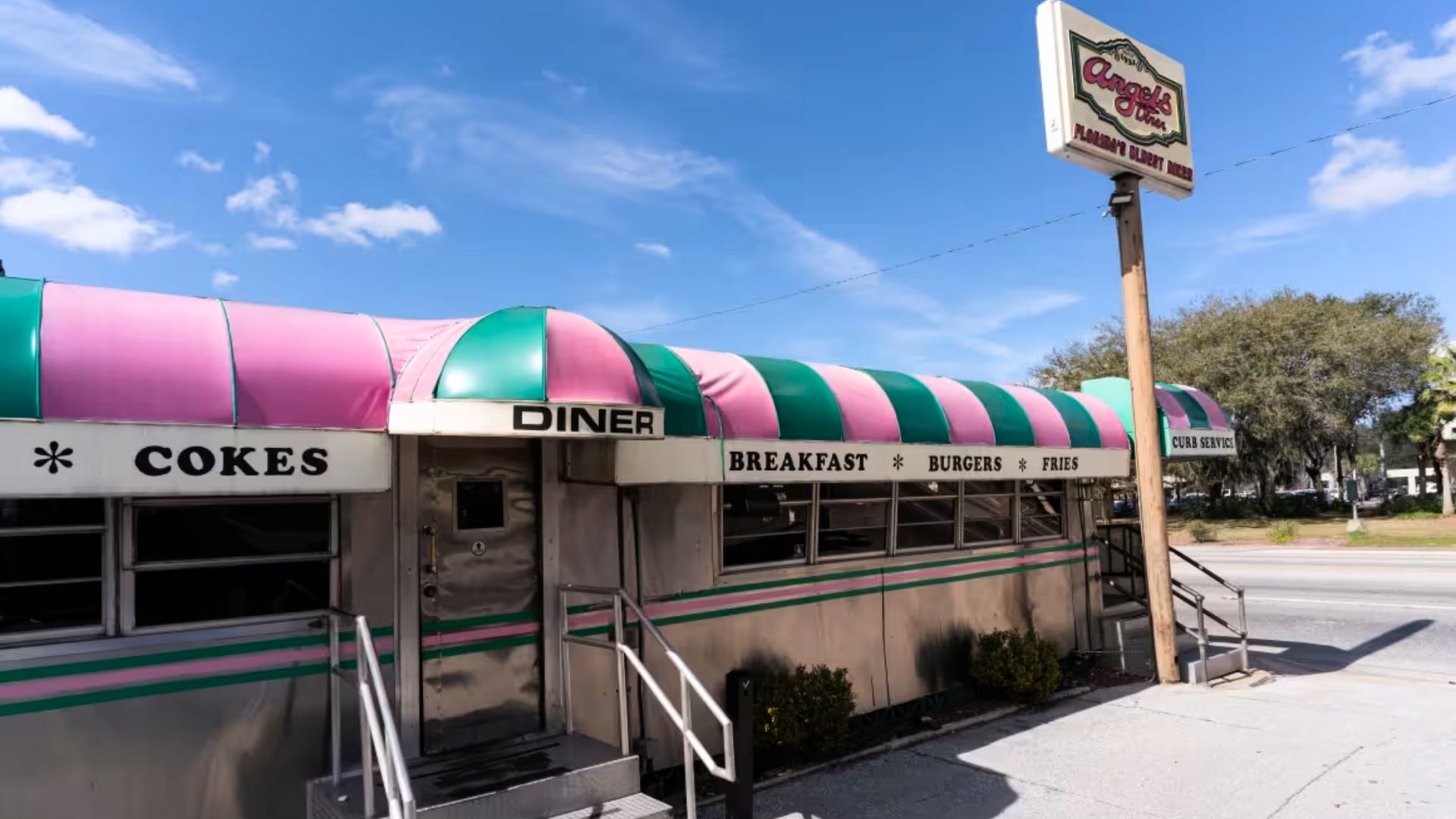
The business opened in 1932 and has become known as one of Florida’s oldest surviving diners. A local Chamber of Commerce feature published in August 2026 confirms that it is operating at 209 Reid Street, close to downtown Palatka’s shops and galleries.
The building is much smaller than a conventional restaurant, which makes the experience part of the attraction. A seat at the counter gives you a look at the pace of a traditional diner. Tables provide a little more room, while the business is also associated with the car-service traditions of earlier decades.
The menu is built around familiar American comfort food. Breakfast and burgers are natural choices for a first visit; they fit a place where the atmosphere is as important as an elaborate description of the dish. Ask about the day’s offerings if you’re hoping for a particular old-fashioned special.
Read also: Not so known small Florida towns that feel like stepping back in time
The Chamber currently lists Sunday-through-Thursday hours of 7 a.m. to 9 p.m. and Friday-and-Saturday hours through 10 p.m. As with any independent restaurant, confirm those times before a long drive.
Palatka is worth more than a quick meal. You can explore the historic center and nearby riverfront afterward. But leave a little time for Angel’s itself. The building’s compact size turns an ordinary diner breakfast into something resembling a visit to a working piece of history.
3. Old Sugar Mill Pancake House, De Leon Springs
Most restaurants would prefer customers to keep their hands away from the cooking equipment. At the Old Sugar Mill Pancake House, bringing the griddle to the table is the whole idea.
The restaurant stands inside De Leon Springs State Park, in a building that reproduces the old sugar mill setting. Florida State Parks describes it as a roughly century-old replica of the original nineteenth-century mill. That matters: the building is historically inspired, not a completely intact structure from the 1830s.
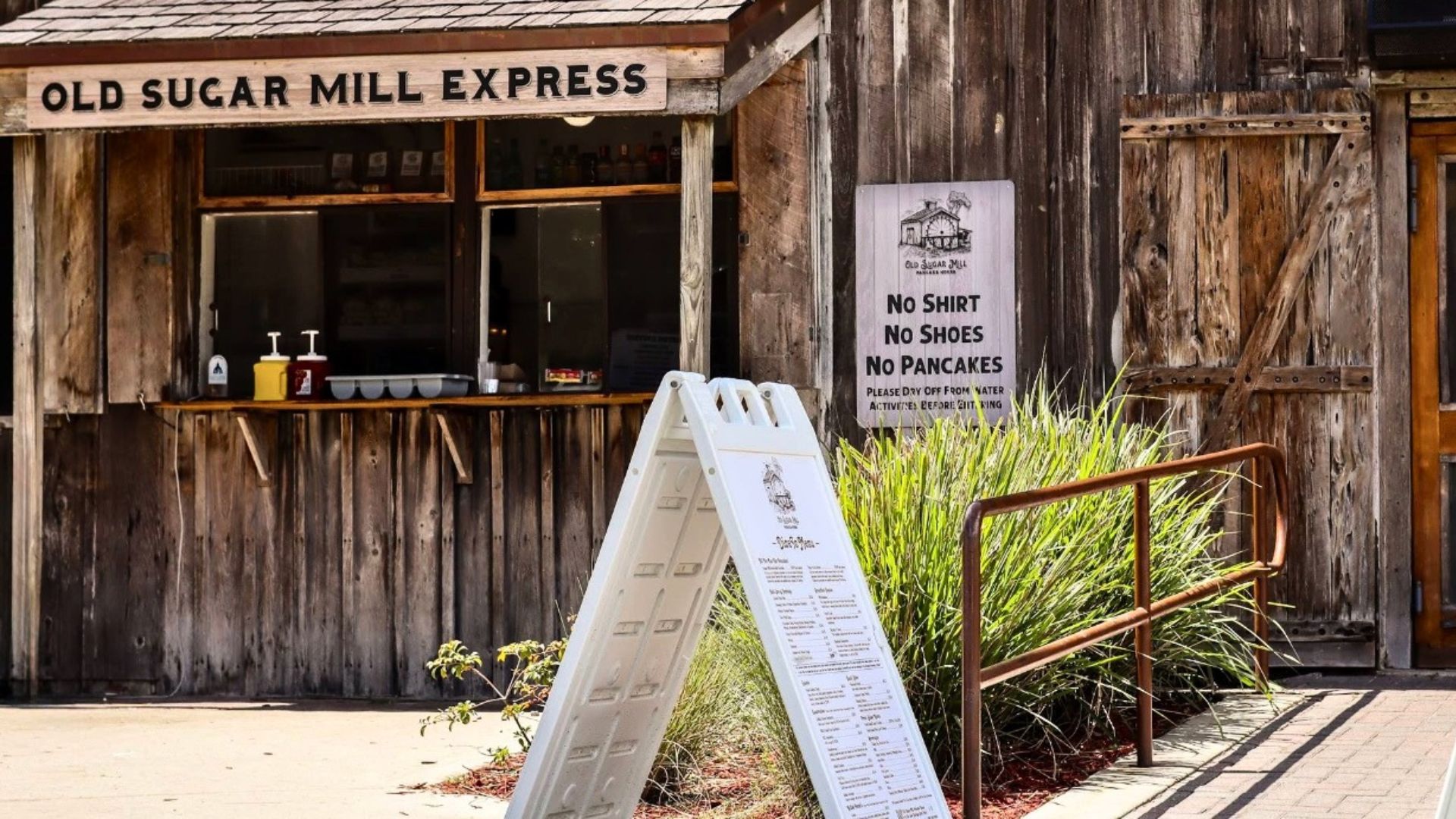
Inside, diners prepare pancakes on griddles built into the tables. You pour the batter and manage the timing yourself, which is entertaining for families as well as a reminder that a simple breakfast can become an activity.
The operator advertises unlimited build-your-own pancakes and an expanded menu of additional food and drinks. Reservations can be made for parties within the stated limits, a useful option because a popular breakfast counter inside a park can be busy.
The restaurant currently lists daily hours from 8 a.m. to 4 p.m., with reservations available during a slightly shorter window. Park admission is required in addition to the price of the meal. Check De Leon Springs’ current entry rules before arriving.
The surrounding park gives this stop an extra dimension. Visitors can enjoy spring scenery and explore nearby natural areas before or after breakfast. It is particularly pleasant on a cool morning when a hot griddle sounds more appealing than immediately getting into the water.
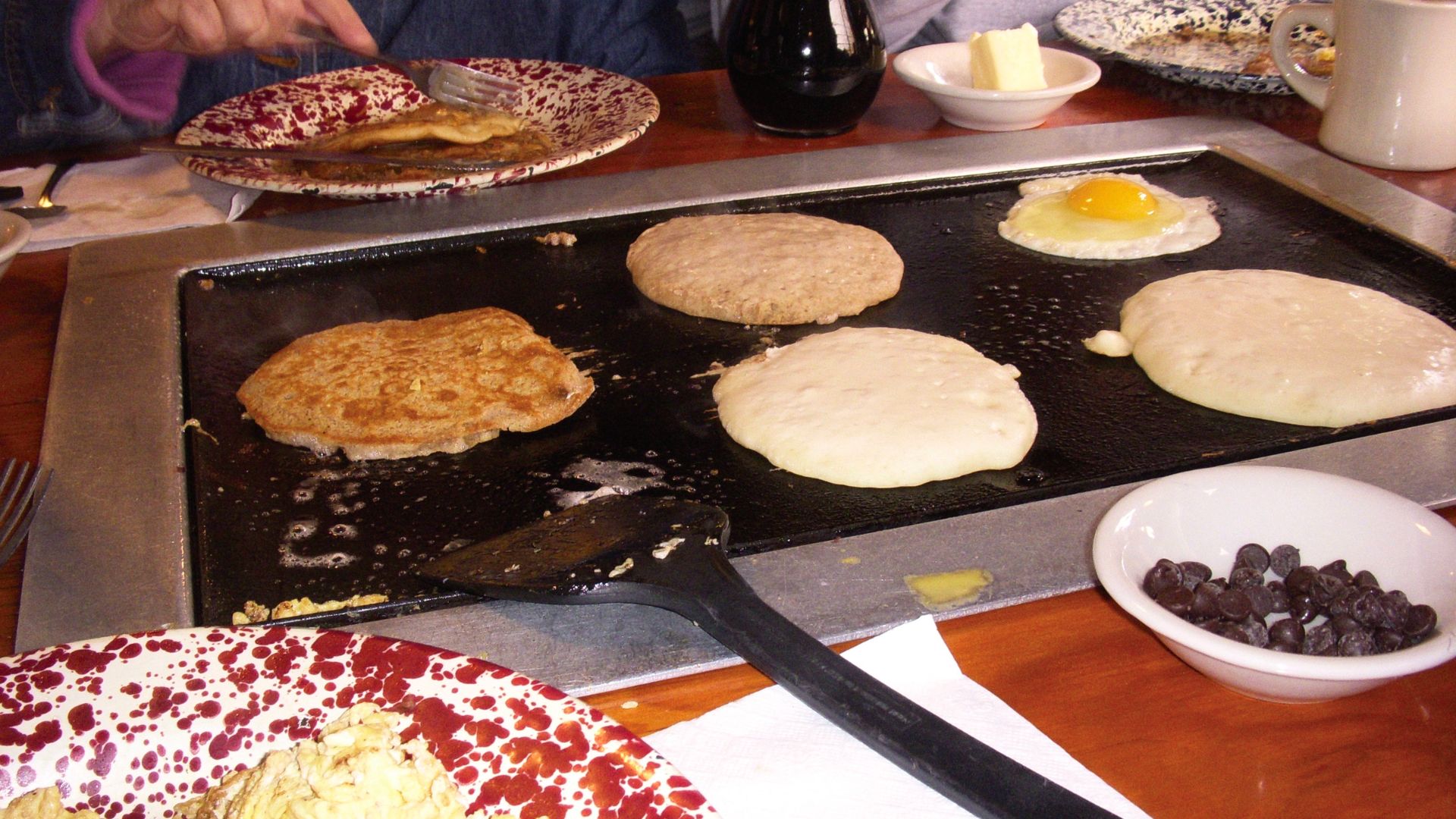
The best part is how easily the experience stays with you. Plenty of restaurants serve pancakes. Far fewer ask you to make them while sitting inside a historic sugar-mill setting.
4. The Yearling Restaurant, Cross Creek
Some Florida restaurants preserve history with antiques and carefully arranged exhibits. The Yearling draws much of its character from the landscape outside.
Cross Creek is a small rural community associated with writer Marjorie Kinnan Rawlings, whose novel The Yearling helped bring a particular version of rural Florida into American literature. The restaurant takes its name from that book, not from a claim that its building dates to the author’s lifetime.
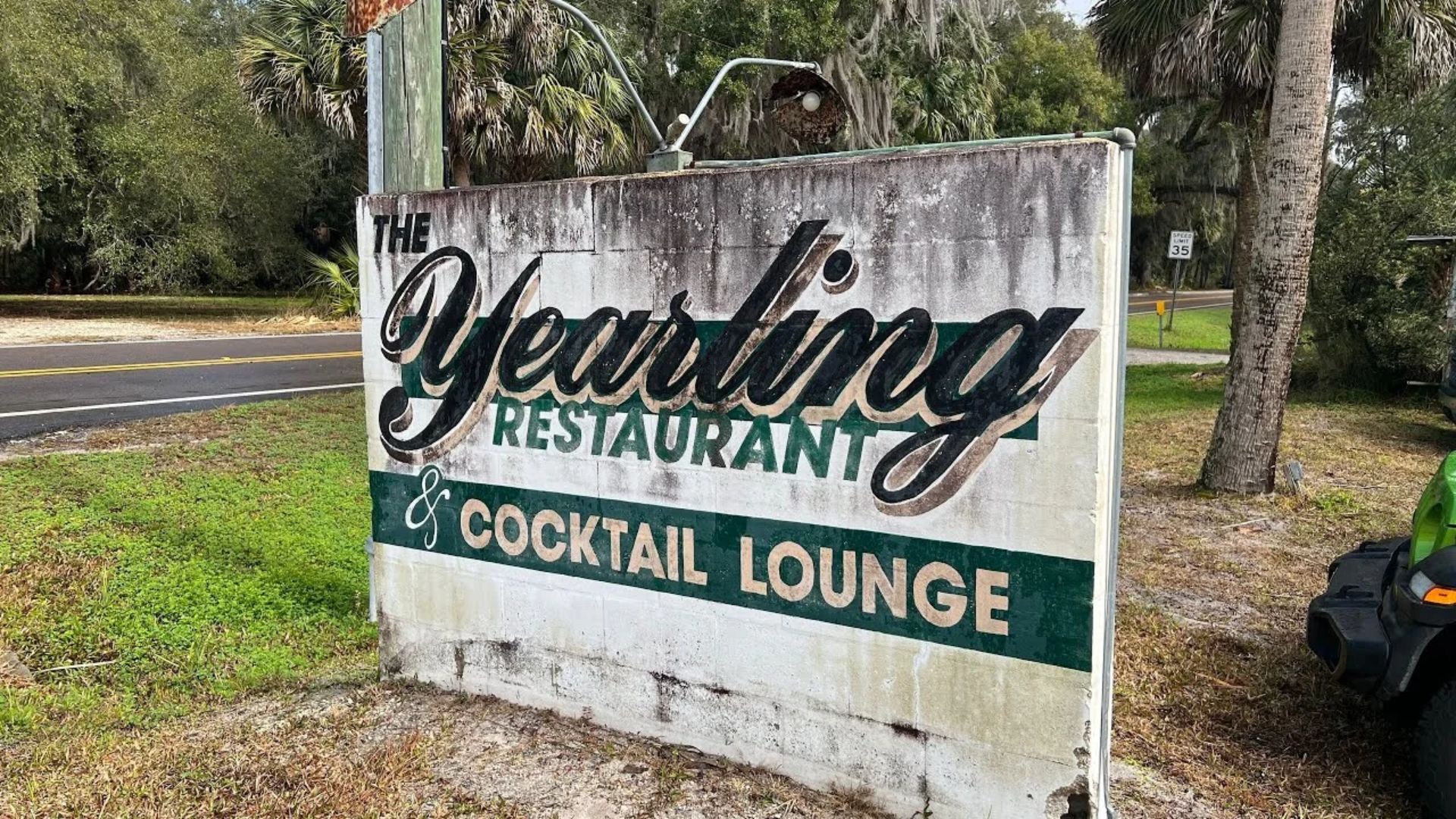
Established in 1952, The Yearling serves Southern and so-called Cracker-style dishes associated with older rural food traditions. Seafood, traditional sides and regionally inspired preparations connect the menu with the area’s hunting, fishing and agricultural history.
The restaurant describes its setting beneath old oaks and offers cabins for visitors who want to spend more than a mealtime in Cross Creek. That changes the pace of the outing. Instead of racing back to the nearest highway, guests can explore the surrounding countryside and learn more about Rawlings’ connection with the community.
The business’s current state restaurant license remains active, and its own website continues to promote the restaurant and cabins. Exact service hours should be checked directly before driving to 14531 East County Road 325, since older directory listings are inconsistent.
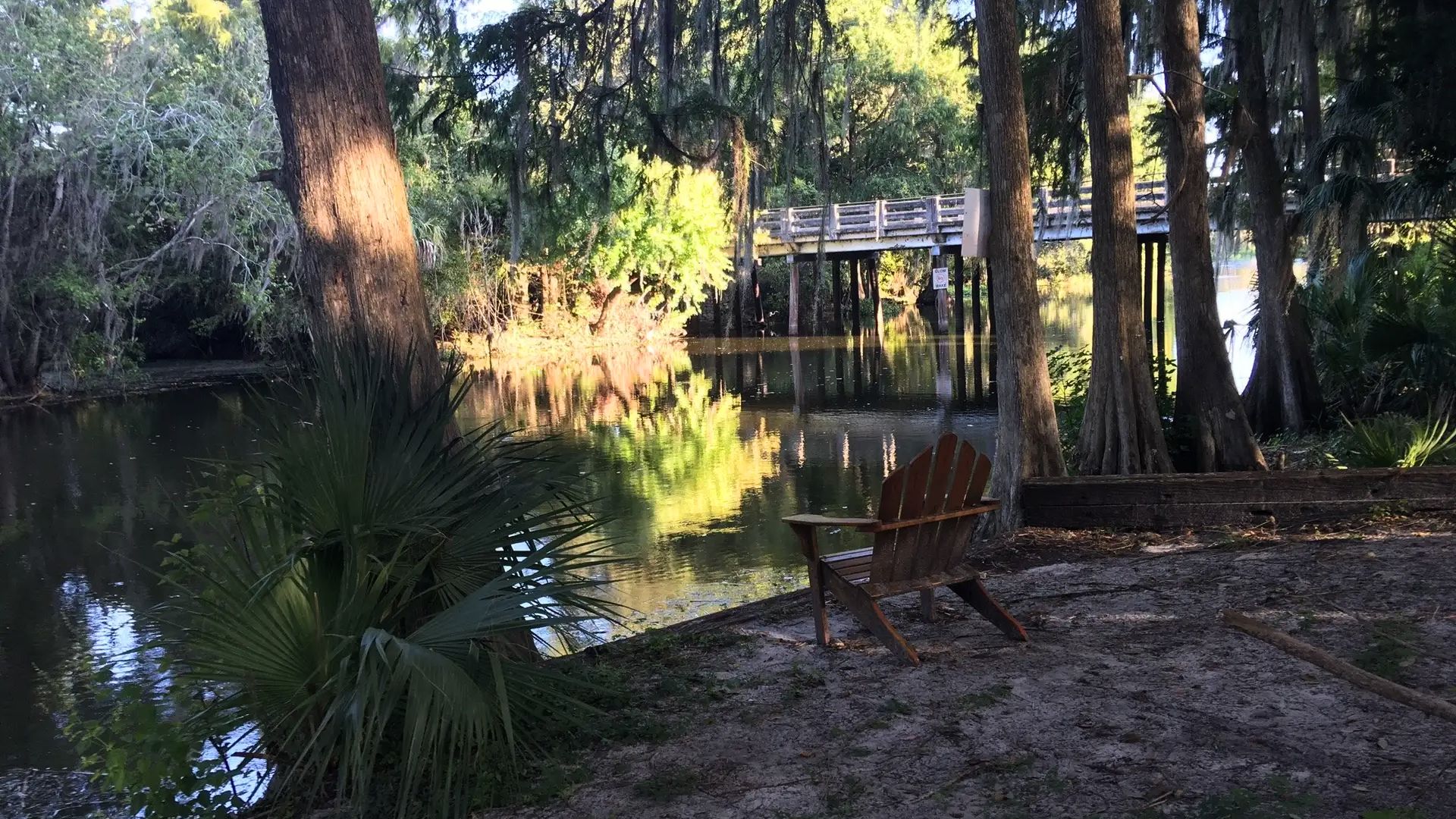
The ideal order is one that reflects the place rather than a generic burger. Ask about regional fish, hush puppies and seasonal sides. The story here is not that every menu item has survived unchanged since the 1950s. It is that a restaurant still invites visitors to understand a corner of Florida that urban tourism can easily overlook.
5. Café Alcazar, St. Augustine
Imagine eating lunch in the deep end of what was once a grand indoor swimming pool. That is the odd pleasure of Café Alcazar.
The restaurant sits inside the former Alcazar Hotel, now the Lightner Museum, in historic St. Augustine. Henry Flagler’s hotel opened in 1888 and was known for the grand entertainment facilities of its era, including an extraordinary indoor pool.
The café occupies part of the old pool space, making the architecture itself part of the meal. Looking around, you can begin to picture the building’s previous life as a destination for wealthy travelers exploring Florida at the height of its nineteenth-century resort boom.
Unlike many of the other stops on this list, Café Alcazar is chiefly a lunchtime restaurant, not an all-day or late-evening dining destination. Its current official page lists service from 11 a.m. until 3 p.m. every day, with reservations strongly recommended in the busier October-through-March season.
The kitchen offers salads, sandwiches, seafood and other lunch choices. Rather than tying the visit to one supposedly timeless recipe, choose something that appeals and make time to appreciate the surroundings.
The café is at 25 Granada Street, reached through the Lightner Museum building. If you are exploring St. Augustine, it makes an interesting change from the many eateries along the busiest historic streets.
It would be misleading to describe Café Alcazar itself as a 130-year-old restaurant. The historic interest lies in the hotel and the swimming-pool setting. That distinction makes the experience no less unusual.
6. No Name Pub, Big Pine Key
You may think you have seen a restaurant with an interesting wall collection. Then you enter No Name Pub and discover almost every surface is covered with dollar bills.
The rambling building on Big Pine Key dates to the early 1930s and has served different purposes over the decades. It began in an era when the surrounding road network and ferry routes looked very different from today’s Overseas Highway.
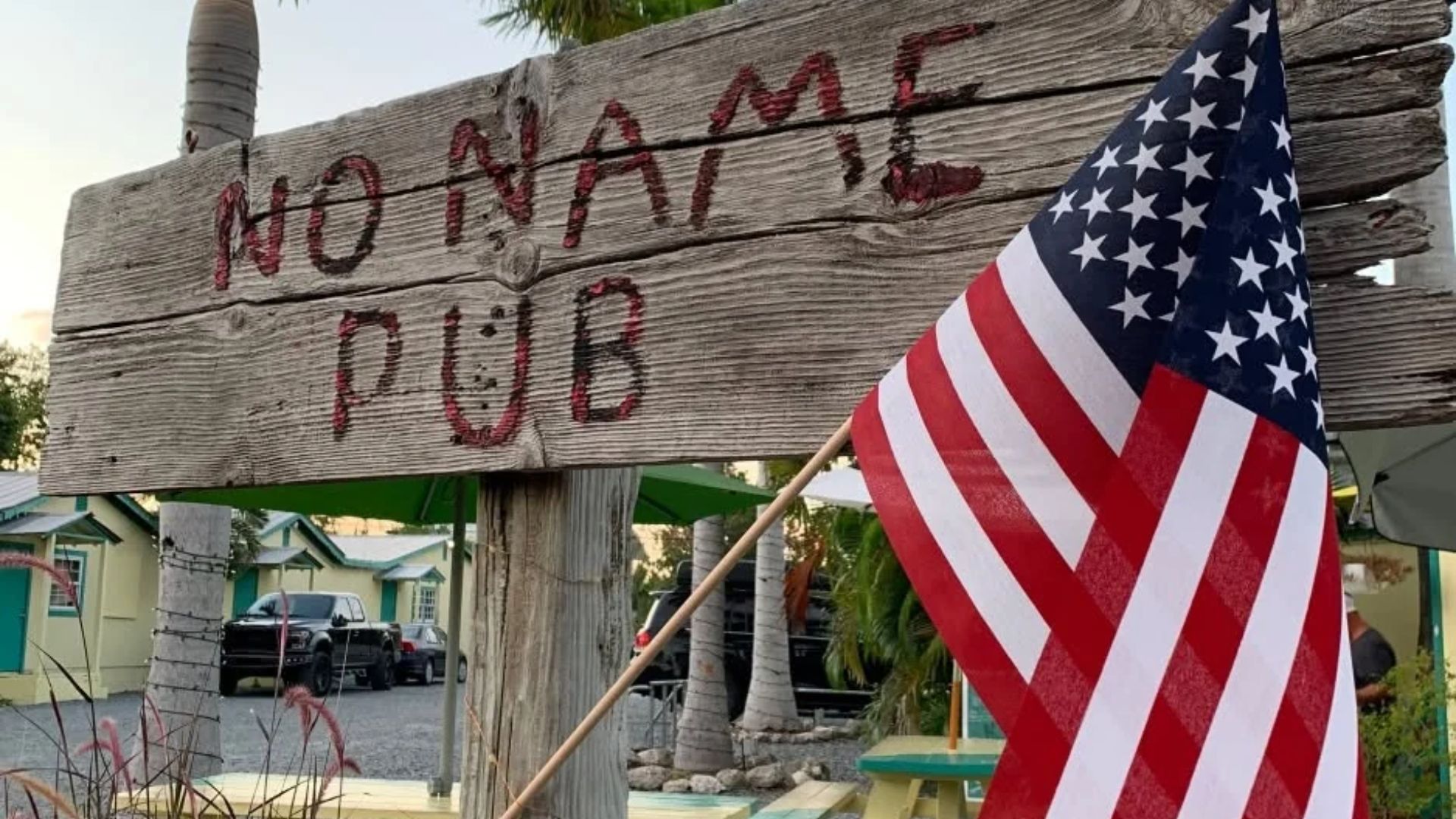
Inside, bills bearing messages and names cover walls and ceilings. Estimates of their total value have circulated for years, but the number keeps changing as visitors add more. There is little need to settle on a precise dollar figure; the overwhelming visual effect is the memorable part.
The pub has built a reputation for pizza, smoked fish dip and other casual Keys food. Order a pizza if you want the familiar house specialty, then look around at the collection that has grown into its most recognizable feature. The atmosphere is more relaxed neighborhood hangout than ceremonial historic restaurant.
Recent Keys tourism listings place it at 30813 Watson Boulevard, with daily service. A 2026 regional article also confirms the pub remains a functioning dining destination. This is not a spot to seek out for a fancy dining room or elaborate presentation. Come for the eccentric setting and the kind of meal that fits a laid-back island afternoon.
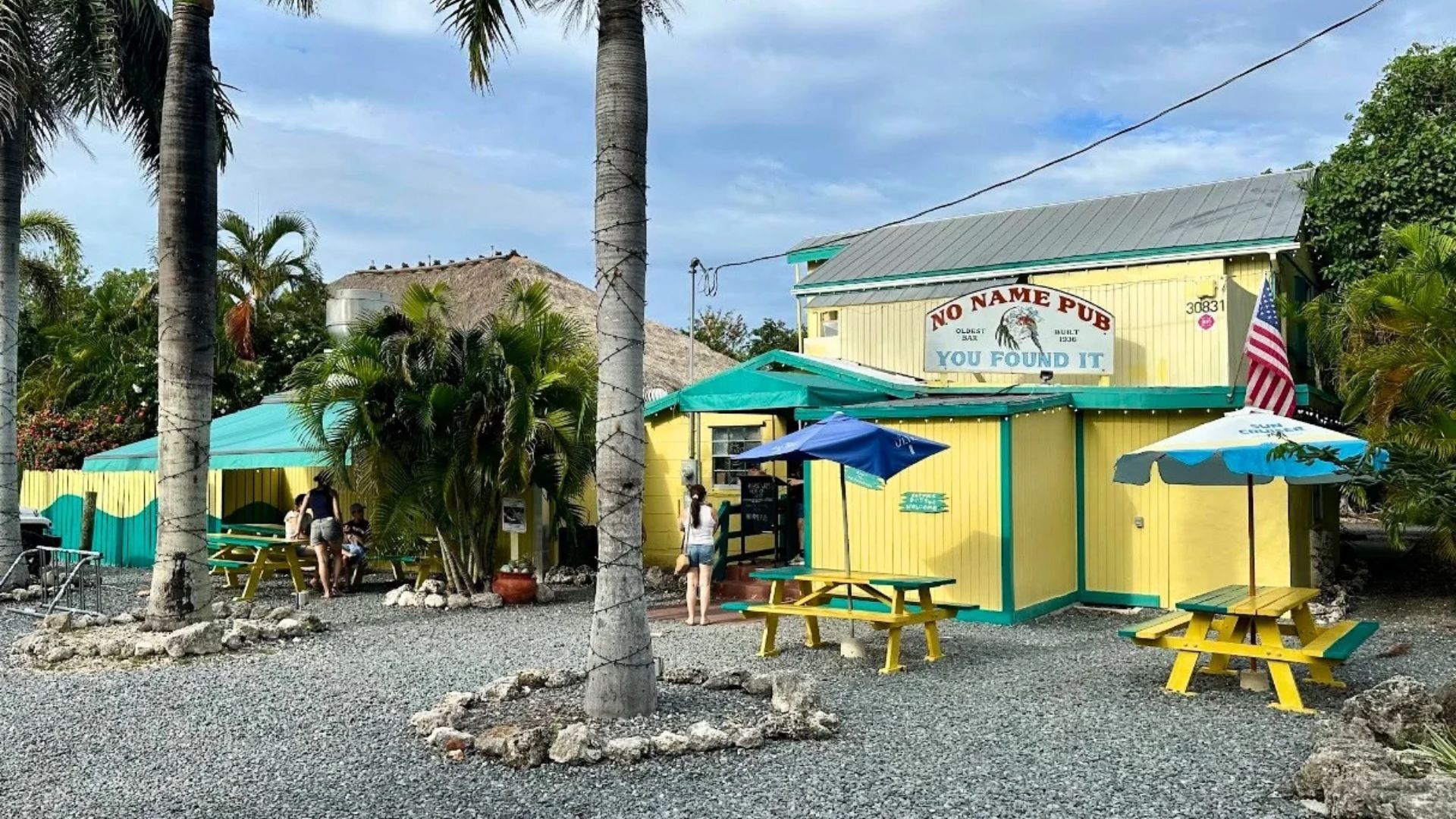
The history is a little messy, which is appropriate. Old roadside businesses rarely move through the decades without changing their purpose. That is part of what makes their survival interesting.
7. The Seminole Inn, Indiantown
A historic hotel restaurant offers a different kind of Florida nostalgia. Instead of walking into an old diner car or a bustling city block, guests enter a building that once belonged to the state’s early twentieth-century lodging culture.
The Seminole Inn is associated with Indiantown’s history and the development of its railway and agricultural community. The hotel was established in the 1920s, and its Southern-style architecture has remained an important local landmark.
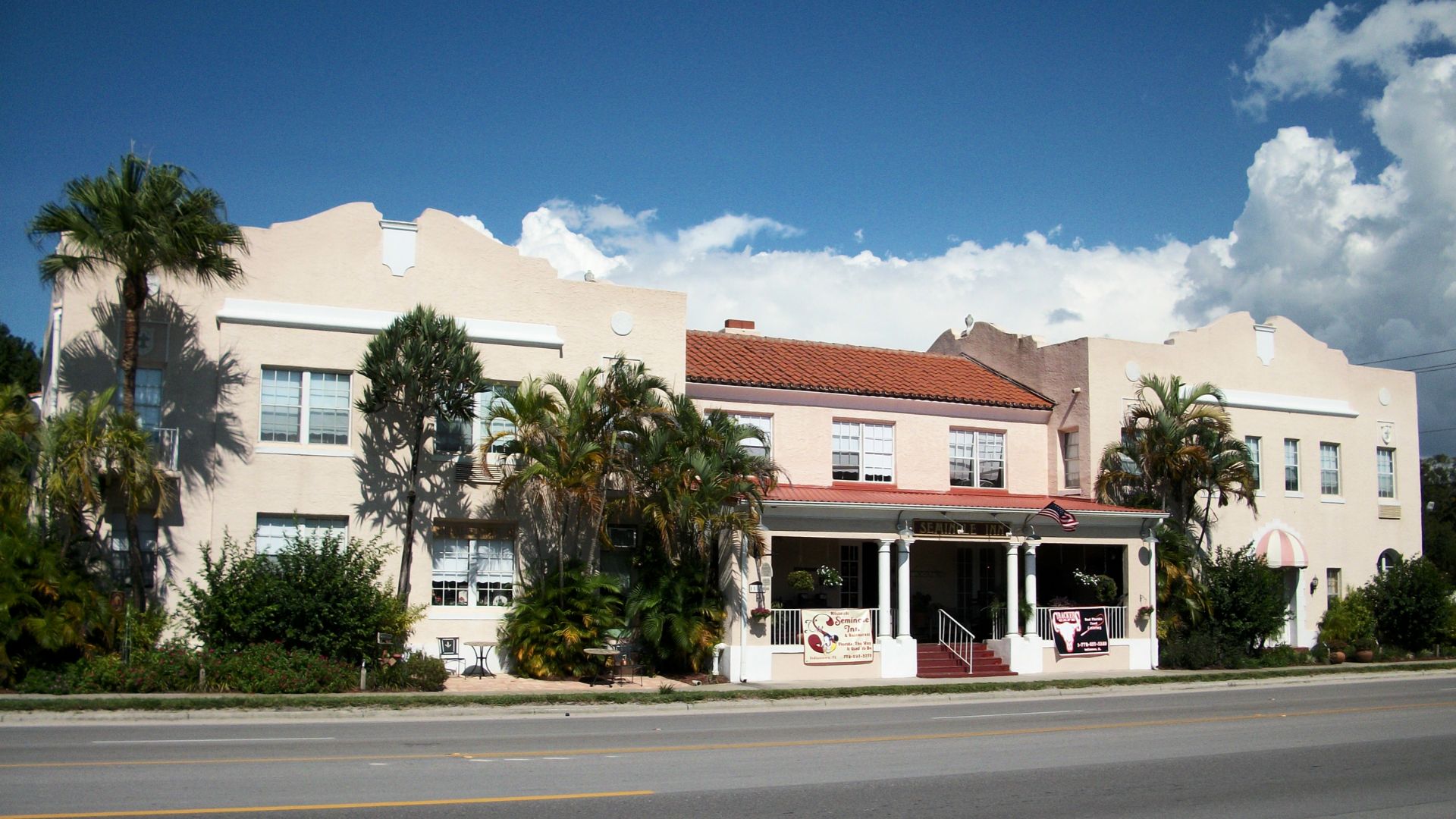
Visitors have long associated the property with traditional dining, including weekend or Sunday meals promoted in earlier descriptions. However, service patterns, private events and restaurant availability can change independently of hotel accommodations. A current historical listing alone does not establish that a particular brunch is served every week.
The safest approach is to contact the inn and ask whether dining is available on the day you plan to visit. If it is, the experience is worth enjoying slowly, with a little time to appreciate the building and the surrounding town. If dining is restricted to certain events or private arrangements, treat the inn as an architectural stop rather than guaranteeing a meal.
That may sound less romantic than promising an always-open Sunday buffet, but reliable travel writing should distinguish a historic building from a confirmed restaurant reservation.
Indiantown offers a quieter side of South Florida, away from large beach resorts and fast-moving urban corridors. The Seminole Inn’s appeal comes from that context. Even before ordering, you are encountering a reminder that Florida visitors were looking for comfortable places to stay long before the interstate highway system existed.
The best history lesson is sometimes lunch
There is no single atmosphere shared by these seven places. Columbia has grand rooms and family traditions. Angel’s is compact and unpretentious. The Old Sugar Mill turns pancakes into an activity. Café Alcazar makes a former pool part of the dining room. No Name Pub celebrates its wonderfully unusual collection of dollar bills.
Their histories are not all the same age, and their menus have changed over time. That is precisely why they are interesting. Restaurants survive by adapting to new customers while retaining something that makes them recognizable.
Before visiting, check the current schedule, especially for lunch-only operations and historic inns with variable dining arrangements. Order a signature dish where one is documented, but leave room for surprises.
A good Florida meal can satisfy an appetite. In a place with a genuine story, it can also help you see how the state became what it is today.