Gator tail, crab mallets and waterfront tables – 6 Florida fish camps keeping the old ways alive
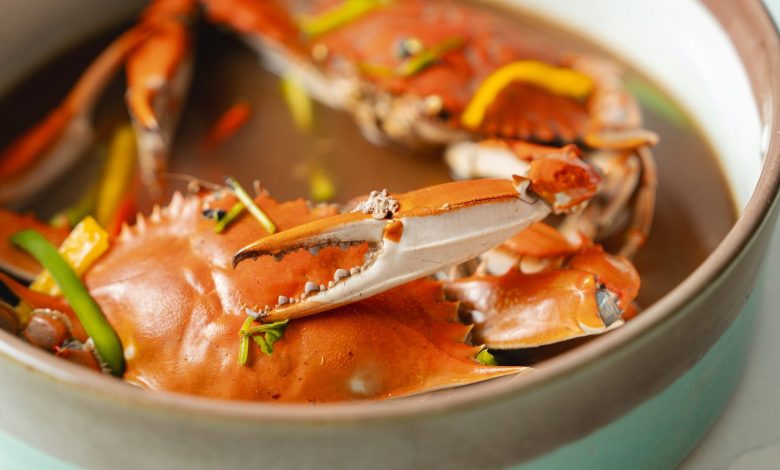
There is a particular sound you hear at a proper Florida fish camp.
It isn’t the music, although there may be plenty of that. It’s the slap of water against a dock, a motor idling somewhere out of sight, and the gentle clatter of plates arriving at a table where nobody is dressed for an important occasion.
A basket of fried seafood appears, somebody reaches for a lemon wedge, and the afternoon starts moving at a much more agreeable speed.
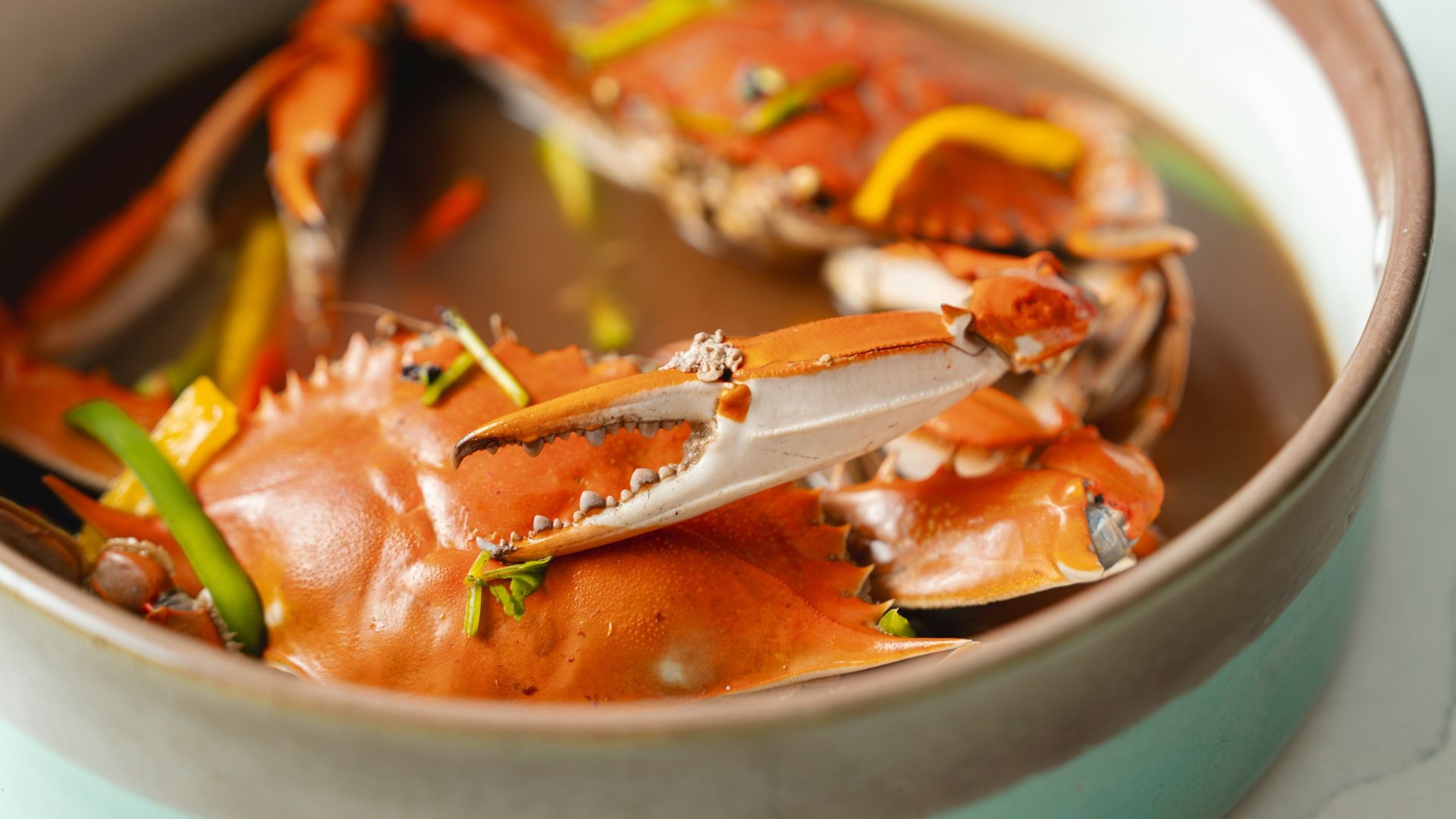
Before Florida’s coast filled with high-rise hotels and carefully branded beach bars, small waterfront businesses served fishermen, families and travelers who wanted a straightforward meal. Some began as bait shops, processing houses or riverside gatherings.
Others arrived later but borrowed the practical spirit of those older places: fresh seafood, casual service and a view that doesn’t require a reservation at a fashionable restaurant.
Not every surviving fish camp is unchanged, and that distinction matters. Buildings are repaired, businesses change hands and menus adapt. What makes these six stops interesting is their connection to a slower, working-waterfront Florida, where the meal is only half the reason to pull up a chair.
Read also: Florida springs where the water stays about 72 degrees, even in the middle of winter
1. Goodrich Seafood and Oyster House in Oak Hill
Goodrich sits beside the water at 253 River Road in Oak Hill, south of New Smyrna Beach. The restaurant has a long story, but it didn’t begin as the dining room visitors know today.
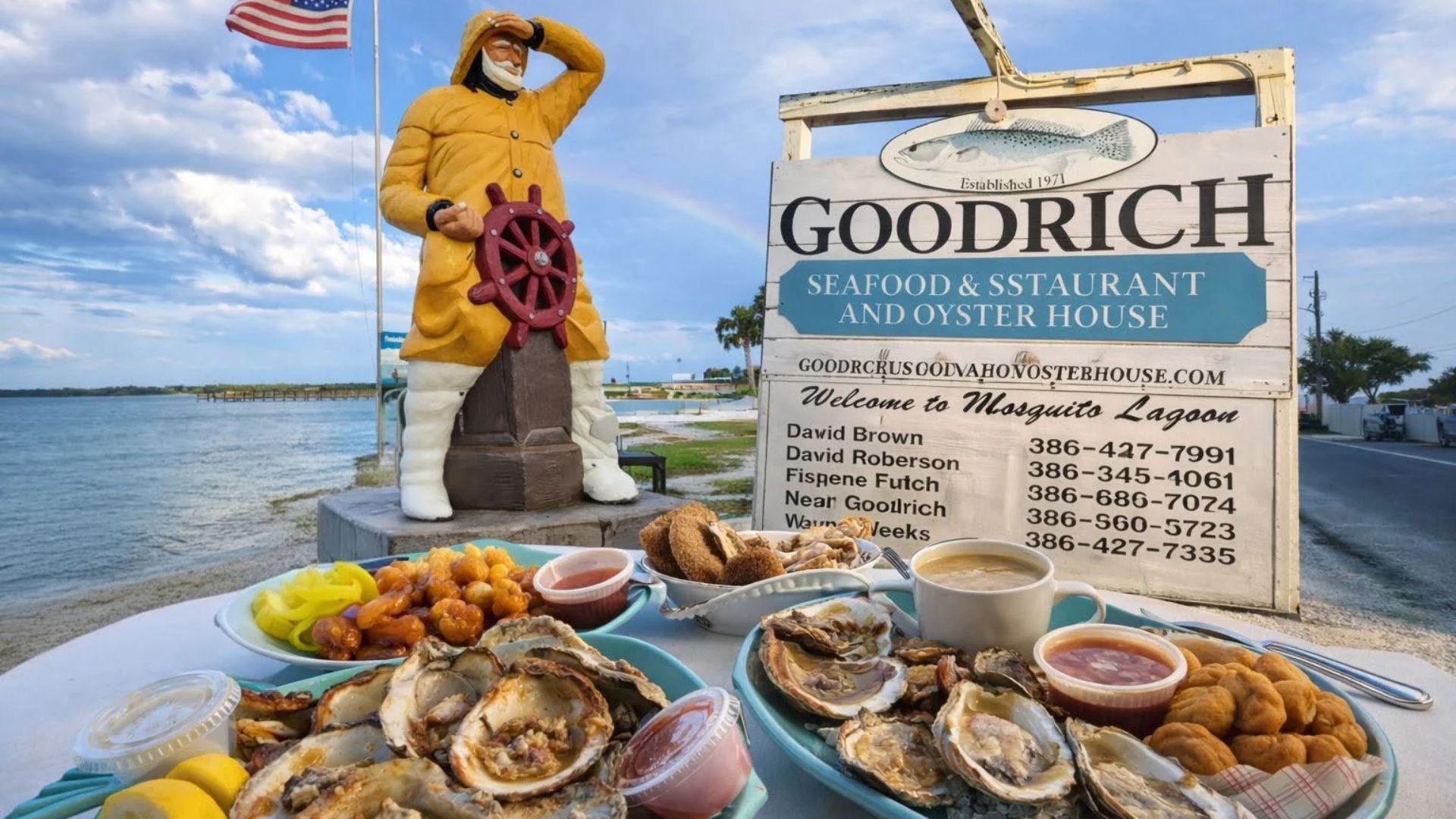
Around 1910, brothers Jeff and Clarence Goodrich established a seafood operation involving wholesale and retail fish and blue-crab processing. The family’s roots in the community stretch across nine generations.
That history helps explain why the setting feels connected to the local economy rather than invented for tourists. Commercial fishing was not a theme; it was the reason the business existed. Over the decades, the operation weathered fire, storms, changes of ownership and rebuilding.
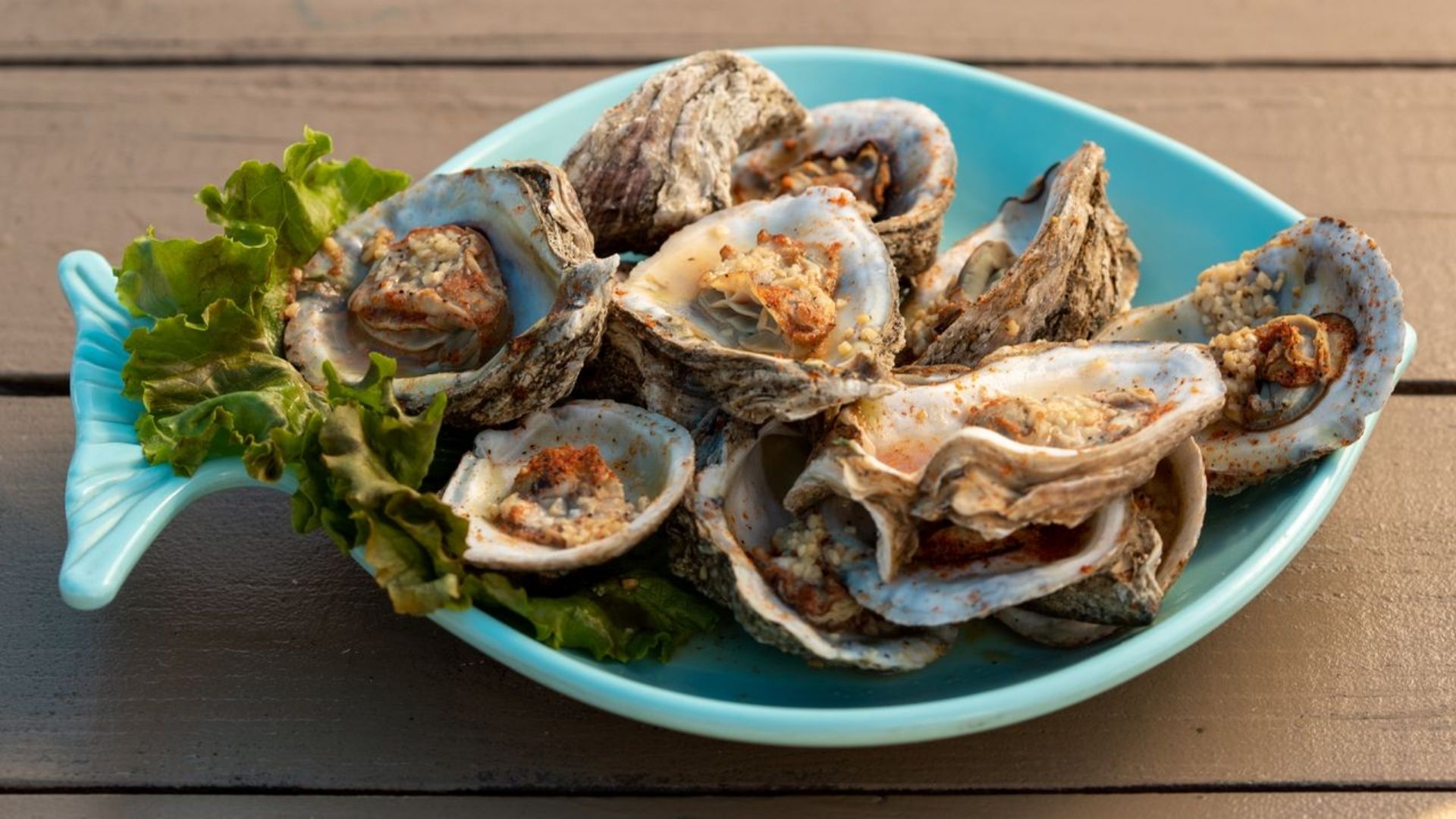
The modern restaurant has continued serving food beside the river while preserving that connection to the Goodrich name.
The menu includes oysters, seafood sandwiches and familiar fish-house dishes. Choose a seafood plate that appeals to you, then spend a little time looking toward the water before reaching for your phone. The shoreline and working boats provide a better atmosphere than almost any decorative fishing net hanging on a wall.
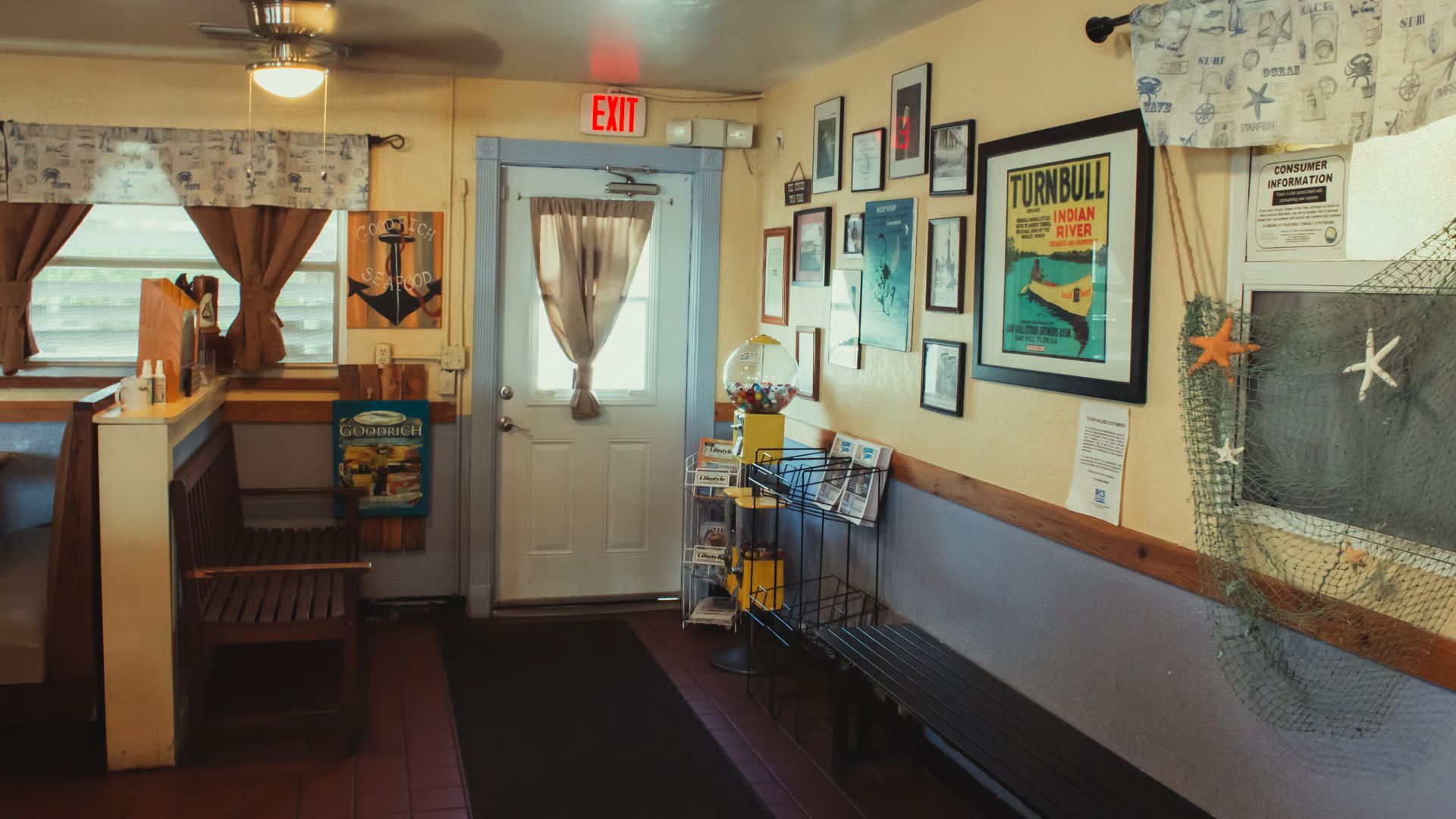
The restaurant publishes service Tuesday through Sunday, with Monday closed. Current hours vary between weekday evenings and later Friday and Saturday service, so plan according to the schedule listed on its website. For a relaxed lunch, arriving before the busiest part of the afternoon can be a good idea.
Read also: These 8 Florida scenic byways turn a drive into a whole vacation
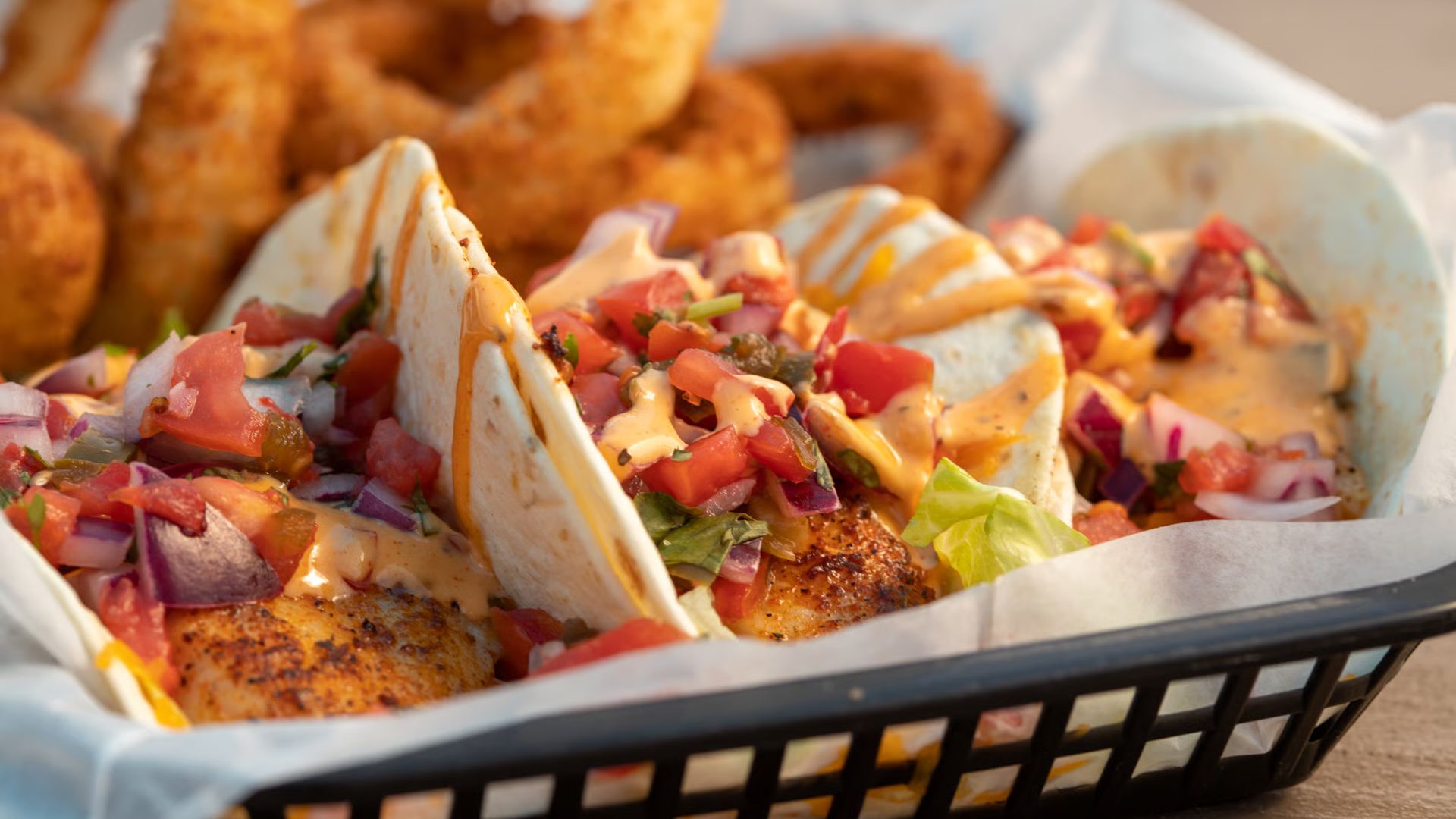
Goodrich represents the kind of restaurant whose story is larger than a single signature dish. It began with the work of catching and processing seafood, and the dining room came later. That is a distinction worth remembering while enjoying a modern meal in a place with deep local roots.
2. JB’s Fish Camp in New Smyrna Beach
JB’s began as a river shack in the late 1970s and grew into one of New Smyrna Beach’s familiar seafood stops.
Its founder, John “JB” Bollman, helped establish a place where the waterfront setting matters as much as the menu. Today the restaurant remains at 859 Pompano Avenue, south of the busiest beach district along A1A.
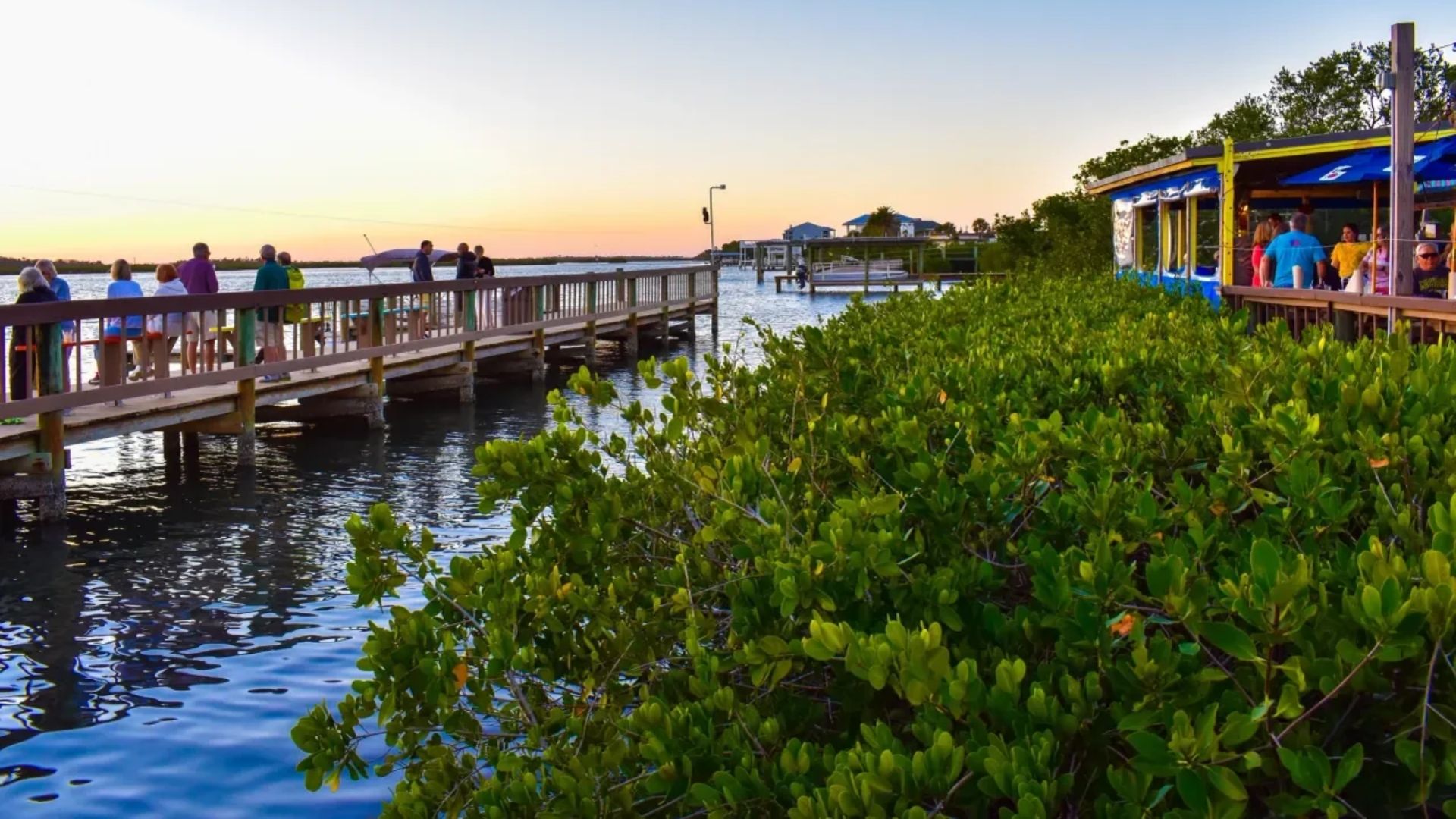
The outdoor views are part of the attraction. Boats move along nearby water, birds gather in the coastal landscape, and a meal can feel like an extension of an afternoon spent exploring the area. This is not a place where you need to dress for dinner. Comfortable clothes and a willingness to linger fit the mood much better.
JB’s promotes Southern seafood, and its menu provides plenty of choices for people who like familiar coastal cooking. A fried seafood basket or a fish entrée is the natural way to begin, although the restaurant serves a wider range of dishes for groups with different appetites.
There is live music on selected evenings and weekends, weather permitting. That gives the restaurant another reason to stay popular, but it can also make the atmosphere livelier than some travelers expect. If you prefer a quieter meal, an earlier weekday visit may suit you better.
Read also: The most popular Florida beaches that rank among America’s best right now
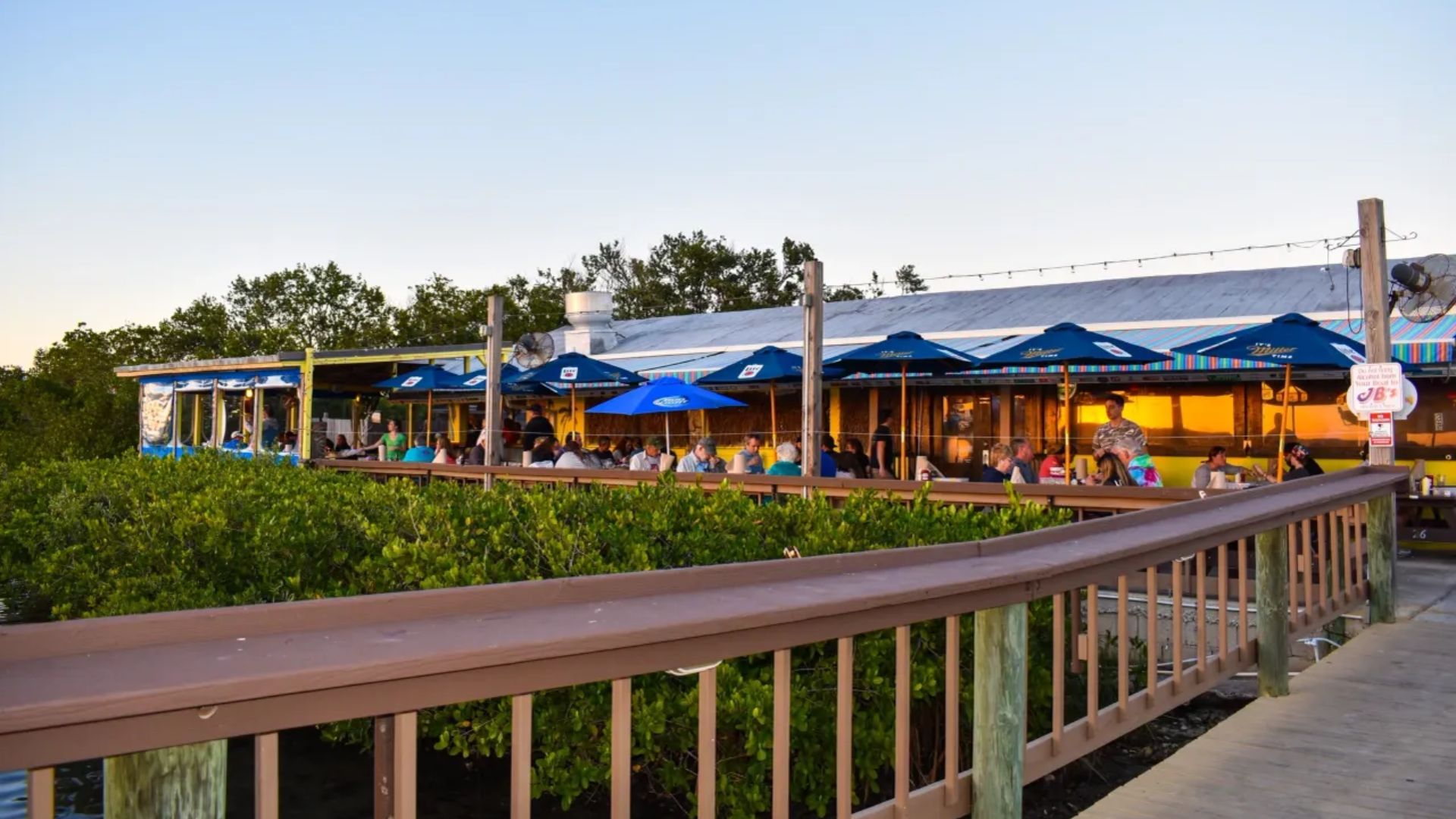
JB’s operates daily and does not accept reservations, according to its official website. Seating is first-come, first-served. That’s part of the old-fashioned appeal, provided you allow a little flexibility. A good fish-camp afternoon usually works better without trying to fit it into a schedule measured in ten-minute intervals.
3. Whitey’s Fish Camp near Fleming Island
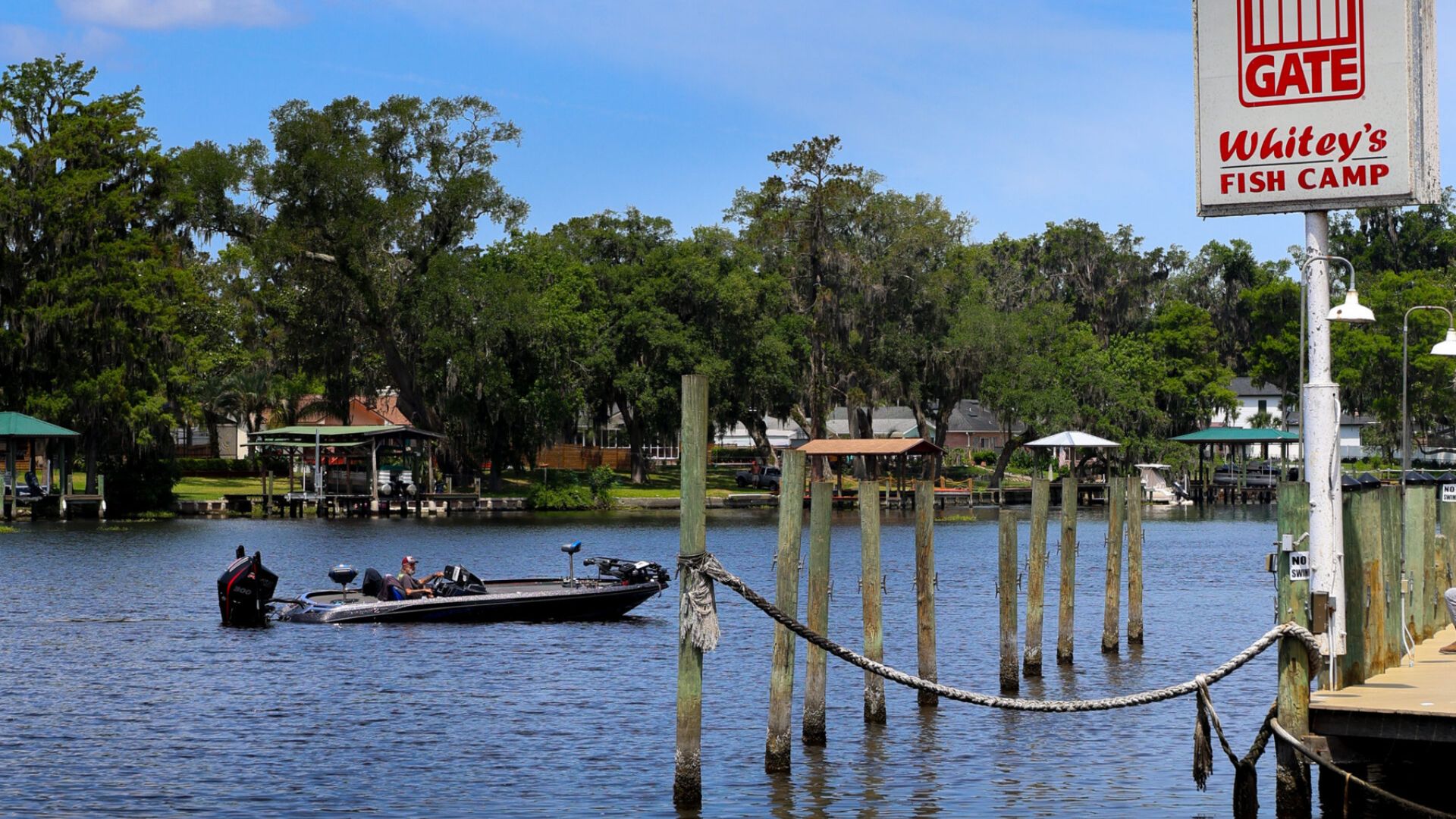
Whitey’s has been a North Florida landmark since 1963. At 2032 County Road 220 near Fleming Island, it built its reputation on riverfront dining, straightforward seafood and gatherings that could stretch beyond an ordinary meal.
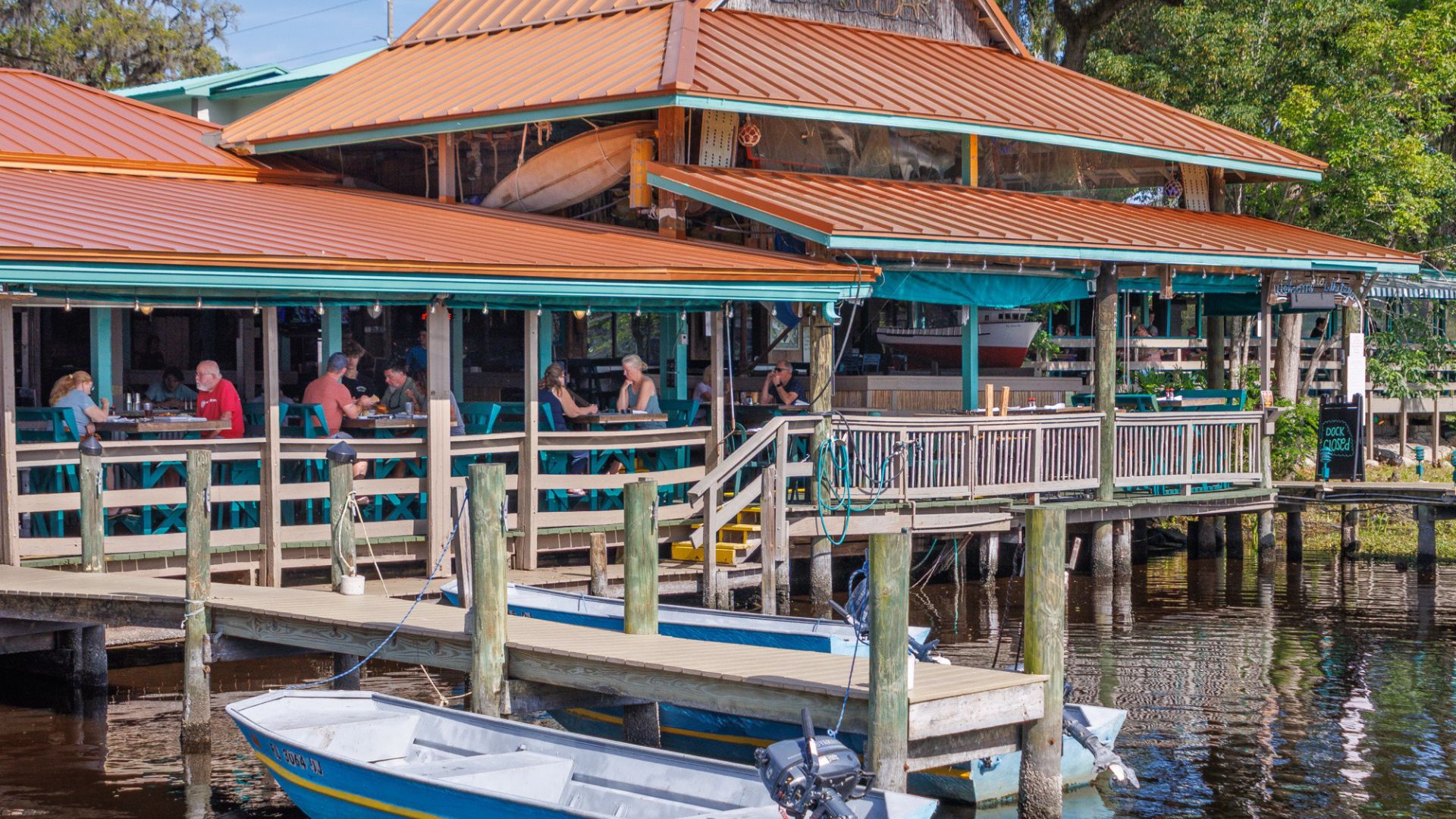
The restaurant calls itself the place to be, a confident phrase that makes more sense once you see how many people associate it with family outings and local traditions.
There is an important recent chapter in that history. Whitey’s changed ownership in March 2026 after more than six decades. The new operators said they intended to preserve the restaurant’s character while making some adjustments to the menu and business. The appeal is continuity through change, with generations of memories attached to the same name.
Read also: Historic Florida restaurants where a good meal comes with a remarkable story
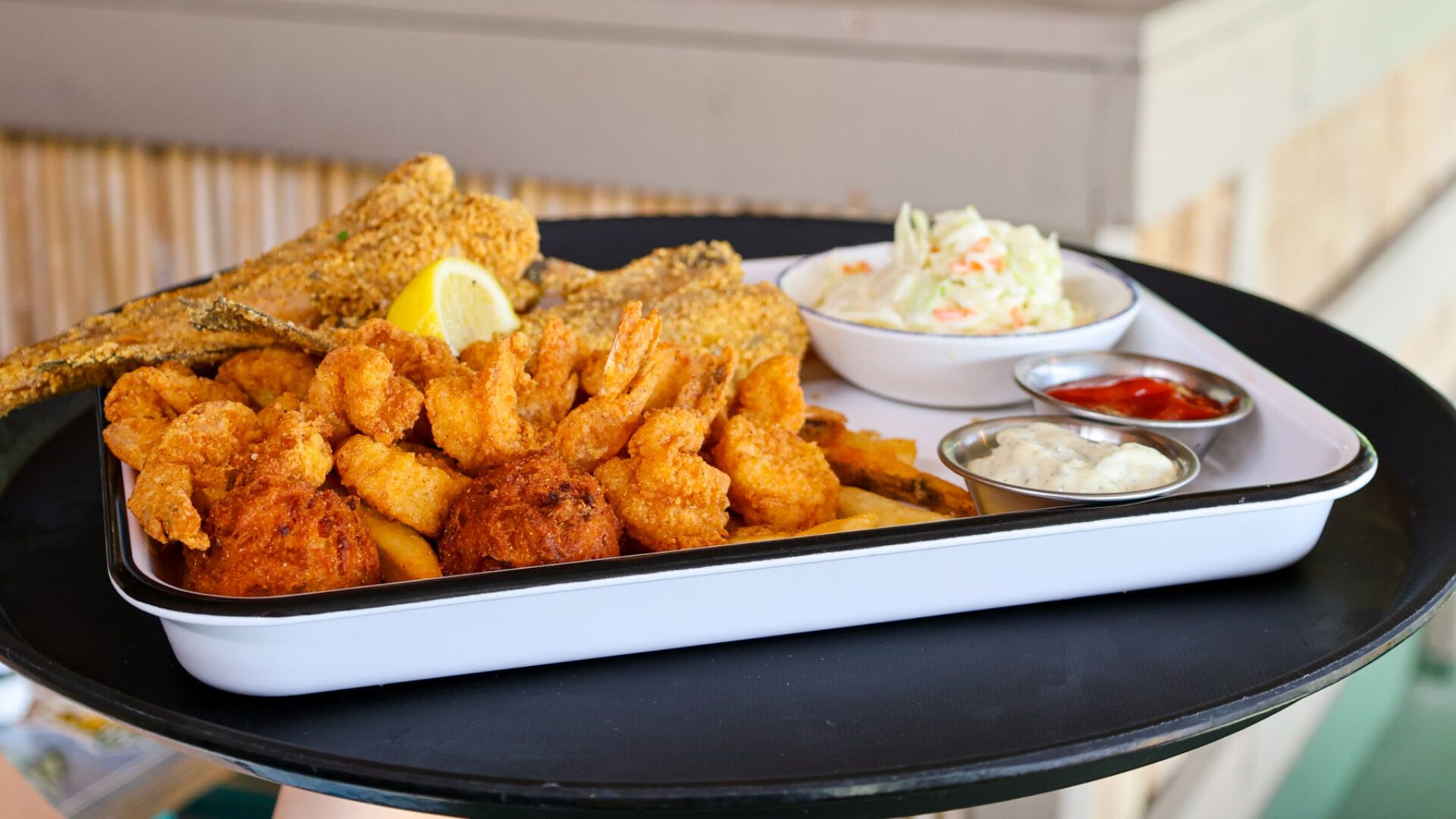
The official website still emphasizes classic fish-camp dishes: fried shrimp, catfish and generous comfort-food plates. That is the sort of meal that suits the waterfront setting. Order something familiar, enjoy the view and appreciate a place that has survived as much because of its community role as because of any particular recipe.
Like many older waterfront restaurants, Whitey’s has had to navigate rising expectations, maintenance and the challenges of operating beside the water. The fact that a new ownership group chose to preserve its identity says something about the value people attach to the name.
Check the restaurant’s current menu and operating schedule before visiting, particularly if you have a longtime favorite dish in mind. A business with decades of history still has to function in the present. Whitey’s makes a convincing case that old Florida atmosphere can survive change without becoming a museum piece.
Read also: The magnificent Florida holiday light displays worth a road trip this Christmas season
4. Peace River Seafood in Punta Gorda
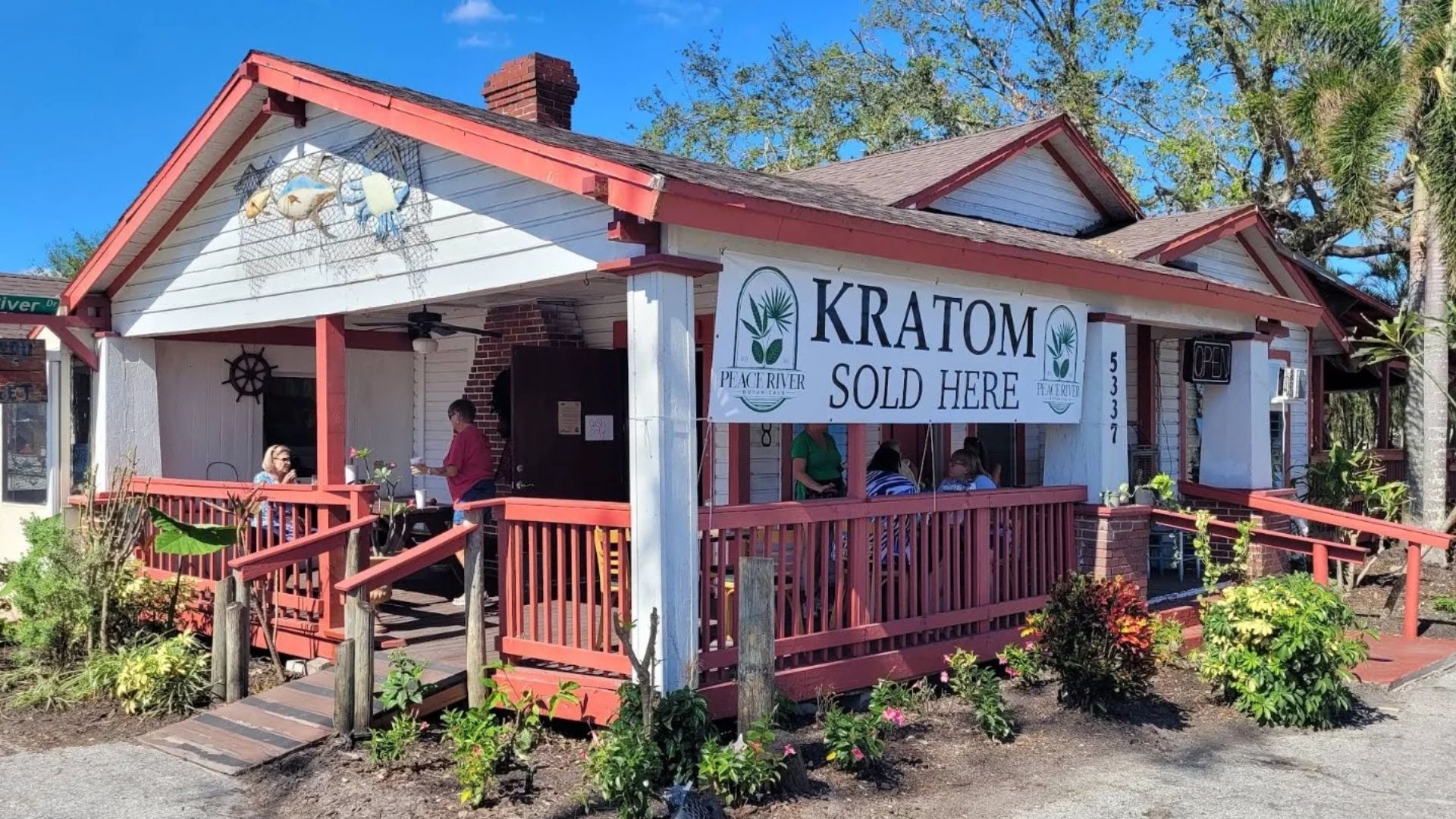
Peace River Seafood has one of the most appealing settings for a relaxed seafood meal in Southwest Florida. The restaurant operates in a rustic property associated with the region’s older coastal building traditions, and its menu emphasizes the kind of food that once defined working waterfront communities: blue crabs, shrimp, oysters and daily seafood.
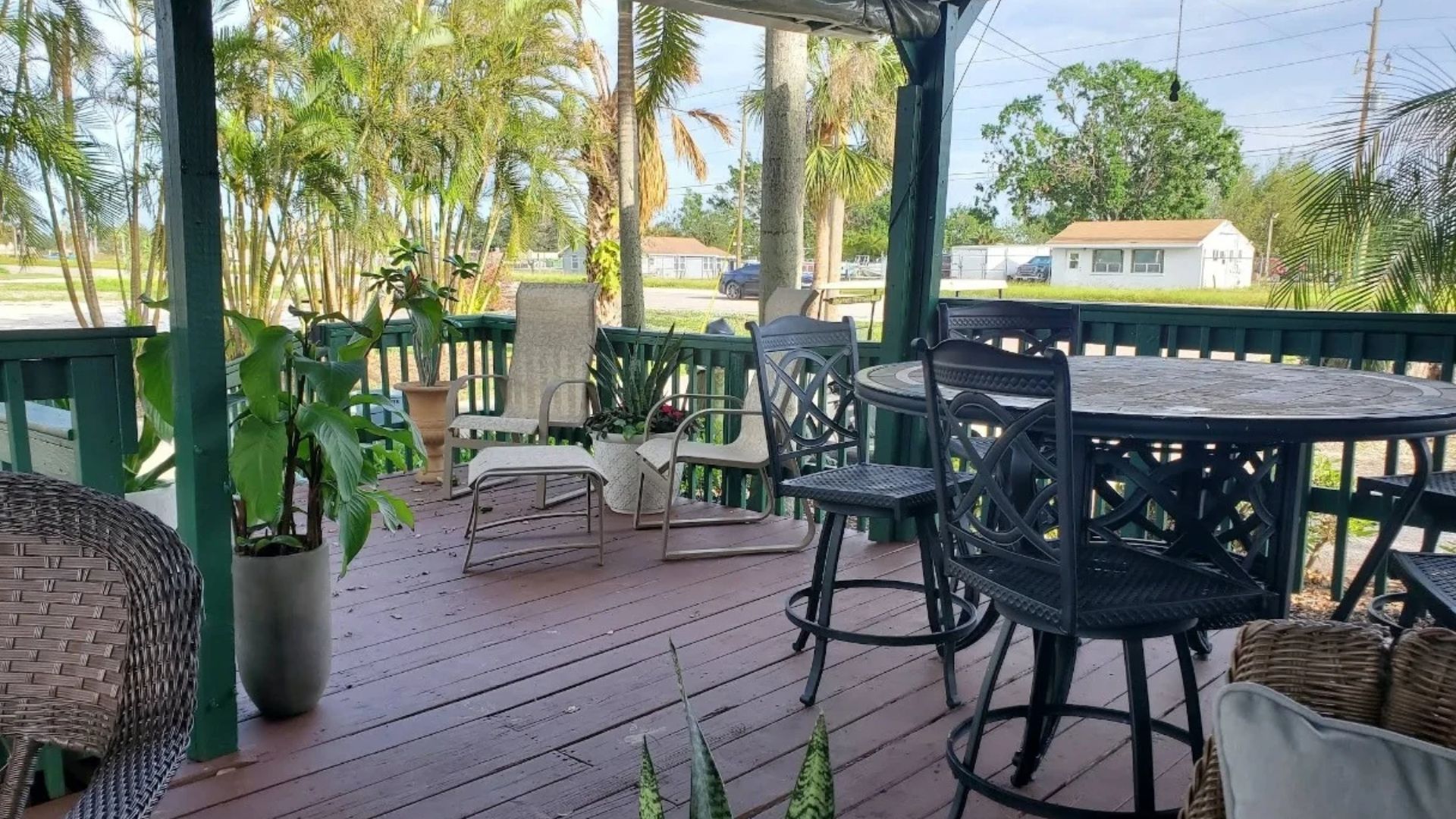
The kitchen’s blue crabs deserve particular attention. Instead of a dainty plate designed for quick photographs, imagine a proper crab meal that asks you to work a little for every bite. A mallet, a pile of shells and enough time to enjoy the process are part of the experience. Nobody should expect to finish that kind of lunch in fifteen minutes.
The business describes a connection between freshly harvested seafood and the table, with crab receiving special prominence. It also holds events centered on the traditions of crabbing, turning what might be an unfamiliar meal into an opportunity to learn how a local food culture developed.
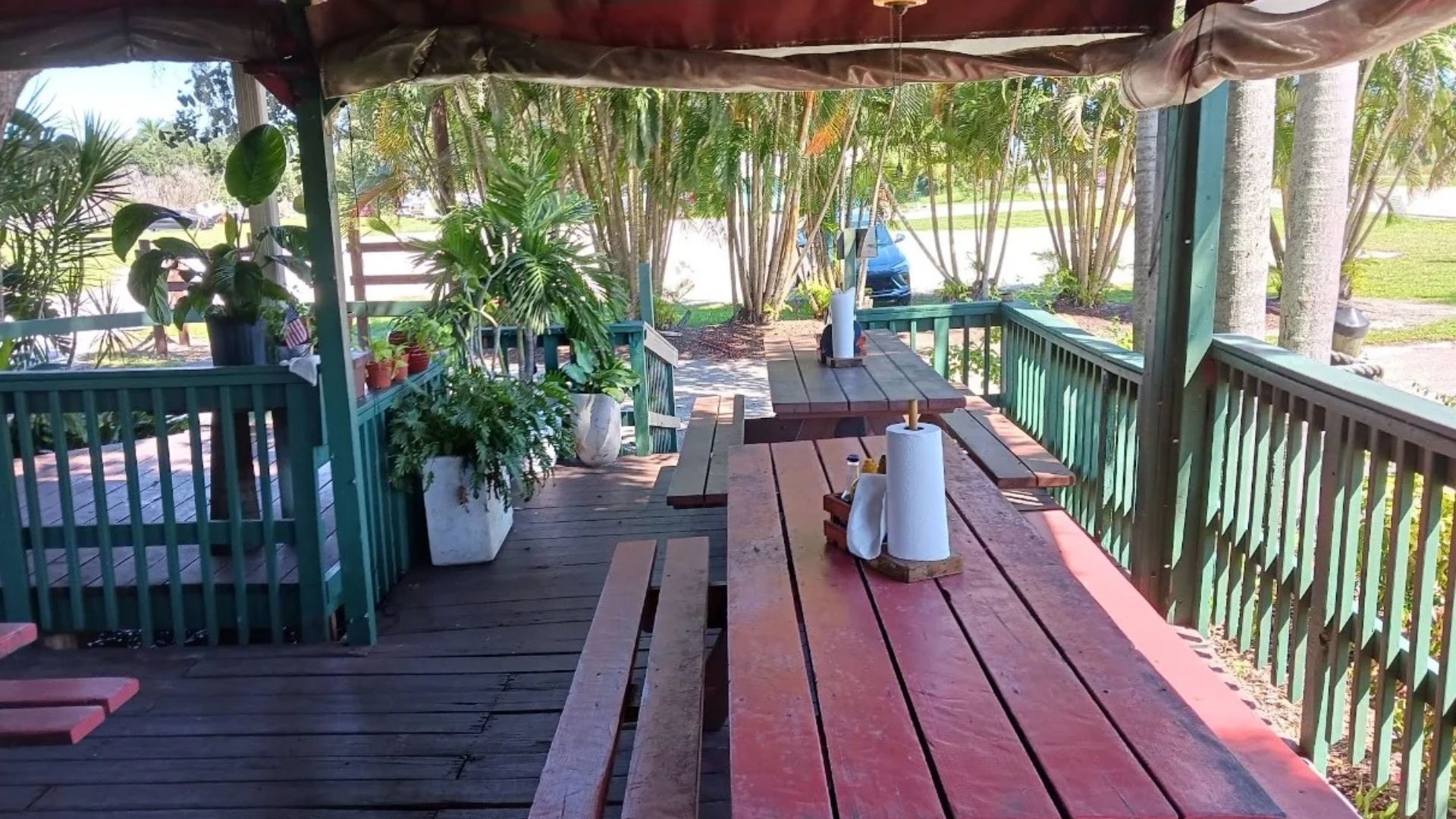
The restaurant currently lists Tuesday through Saturday service, with Sunday and Monday closed. Weekday hours end earlier than late-evening restaurants, making it a better choice for lunch or an early dinner than an impulsive stop after nine at night. Check the available catch before placing your order, since a seafood business naturally responds to supply.
Peace River Seafood is particularly appealing for people who enjoy meals that require participation. Cracking crabs is messy, social and completely unsuitable for anyone hoping to preserve a spotless shirt. That is not a weakness. It’s the whole point of a fish-camp meal in a place where the seafood has more personality than the table setting.
5. Rustic Inn Crabhouse in Fort Lauderdale
Not every old Florida seafood tradition happens in a small rural village. Rustic Inn in Fort Lauderdale has spent decades welcoming diners to a casual waterfront setting beside the Dania Cut-Off Canal. Its origins go back to a roadhouse saloon, and its signature dish has become famous enough to give the restaurant an identity all its own.
The garlic crabs are the reason to visit. The restaurant encourages diners to use mallets, wear bibs and forget about polished table manners. Paper-covered tables and hands-on eating turn the meal into something closer to a family gathering than a formal restaurant experience. The aroma of garlic and seafood is part of the appeal.
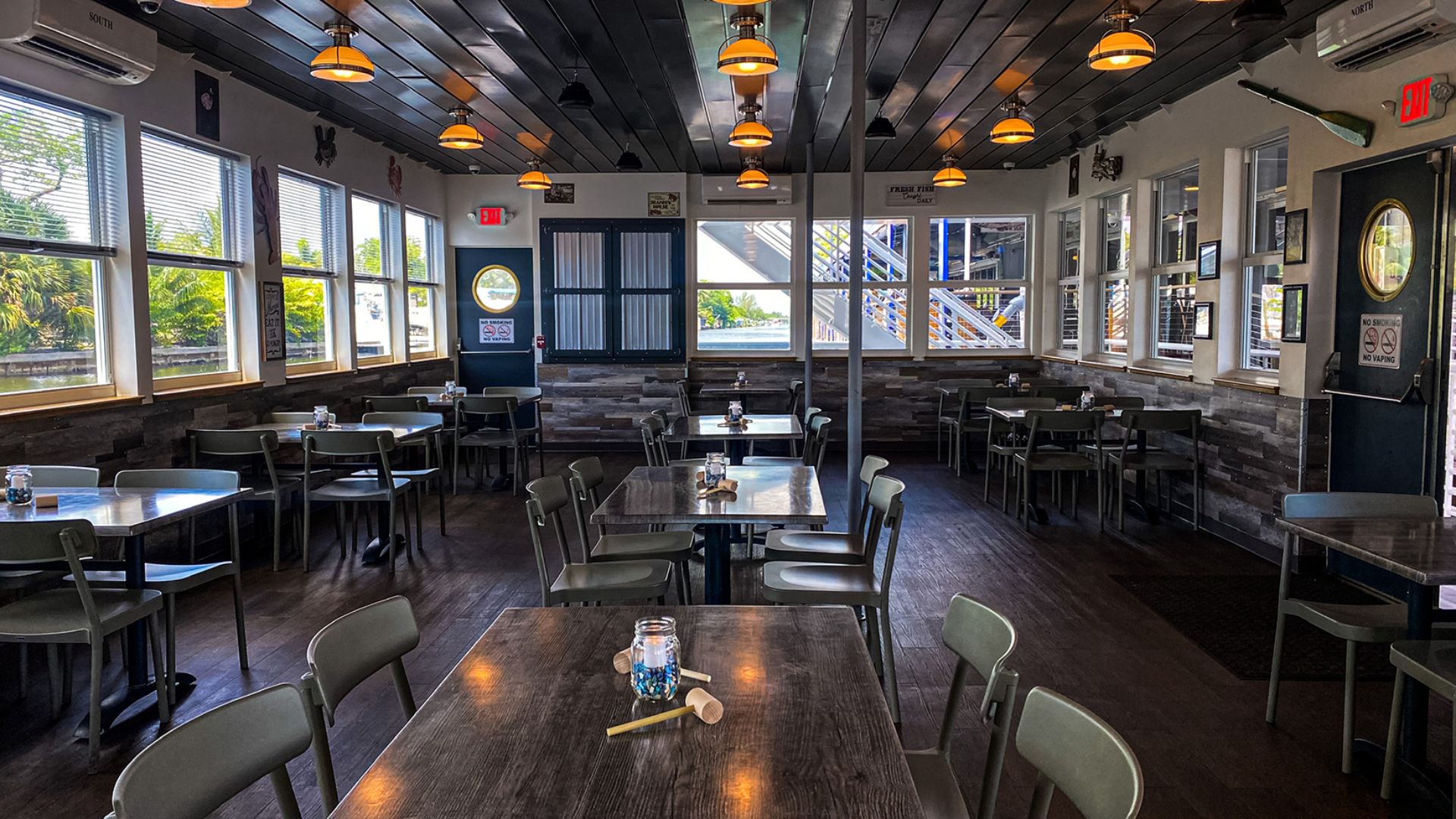
At 4331 Anglers Avenue, Rustic Inn is not a tiny hidden cabin anymore, but it still embraces the informal spirit that made crab houses memorable. You can request dockside seating when available or sit inside if the weather is uncooperative. Either way, the main event is the plate in front of you.
The restaurant lists lunch and dinner service throughout the week, with slightly different Sunday hours. Its official site emphasizes the garlic crabs as the defining order, which makes choosing easy for a first-time visitor. If you prefer a less hands-on meal, there are other seafood dishes, but the mallet-and-bib experience is what sets the place apart.
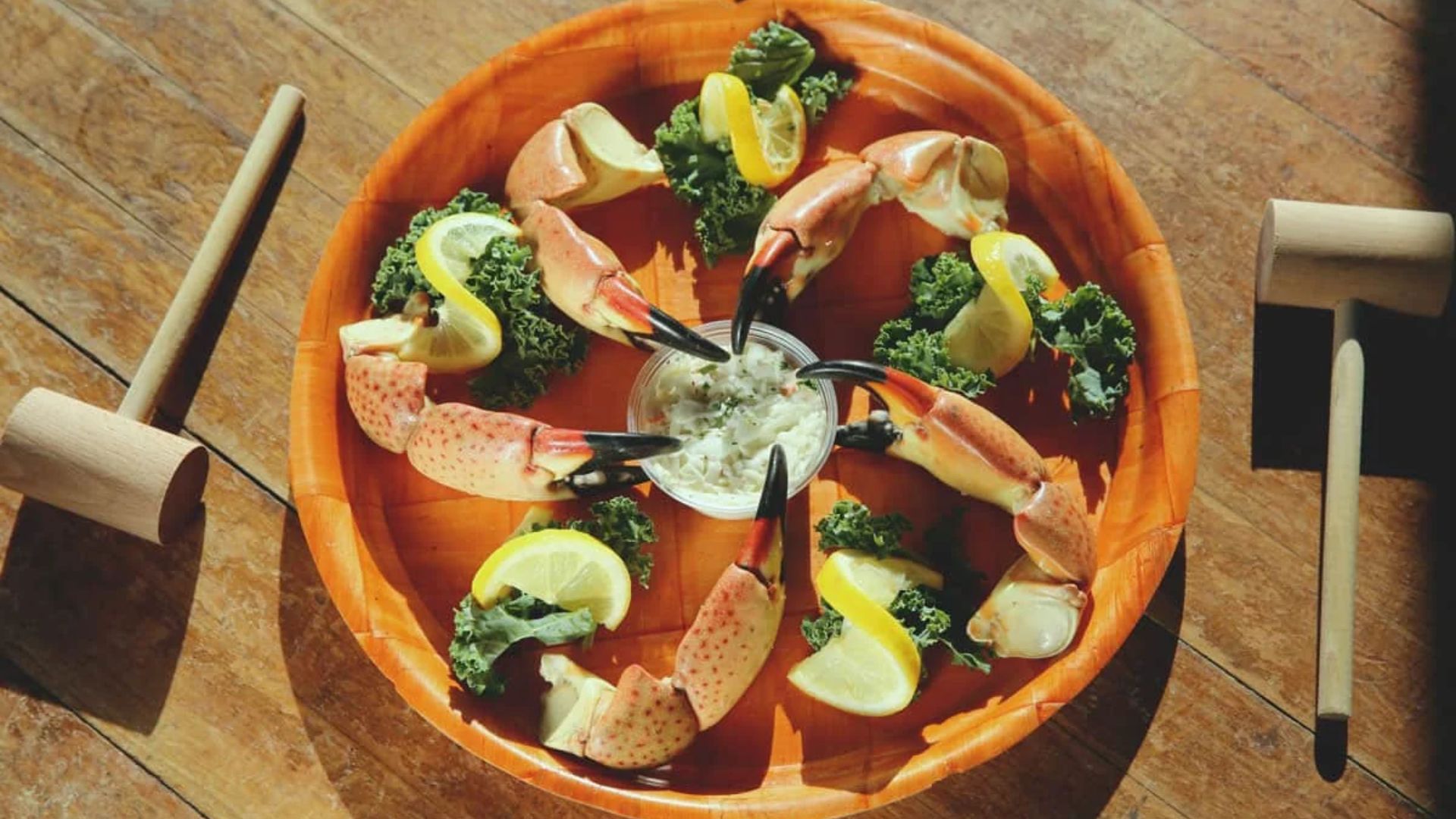
Rustic Inn proves that old Florida atmosphere doesn’t depend entirely on being remote. Even close to major urban development, a restaurant can keep a style of eating that values time, conversation and food that looks better after you’ve stopped worrying about neatness.
6. Big Ray’s Fish Camp in Tampa
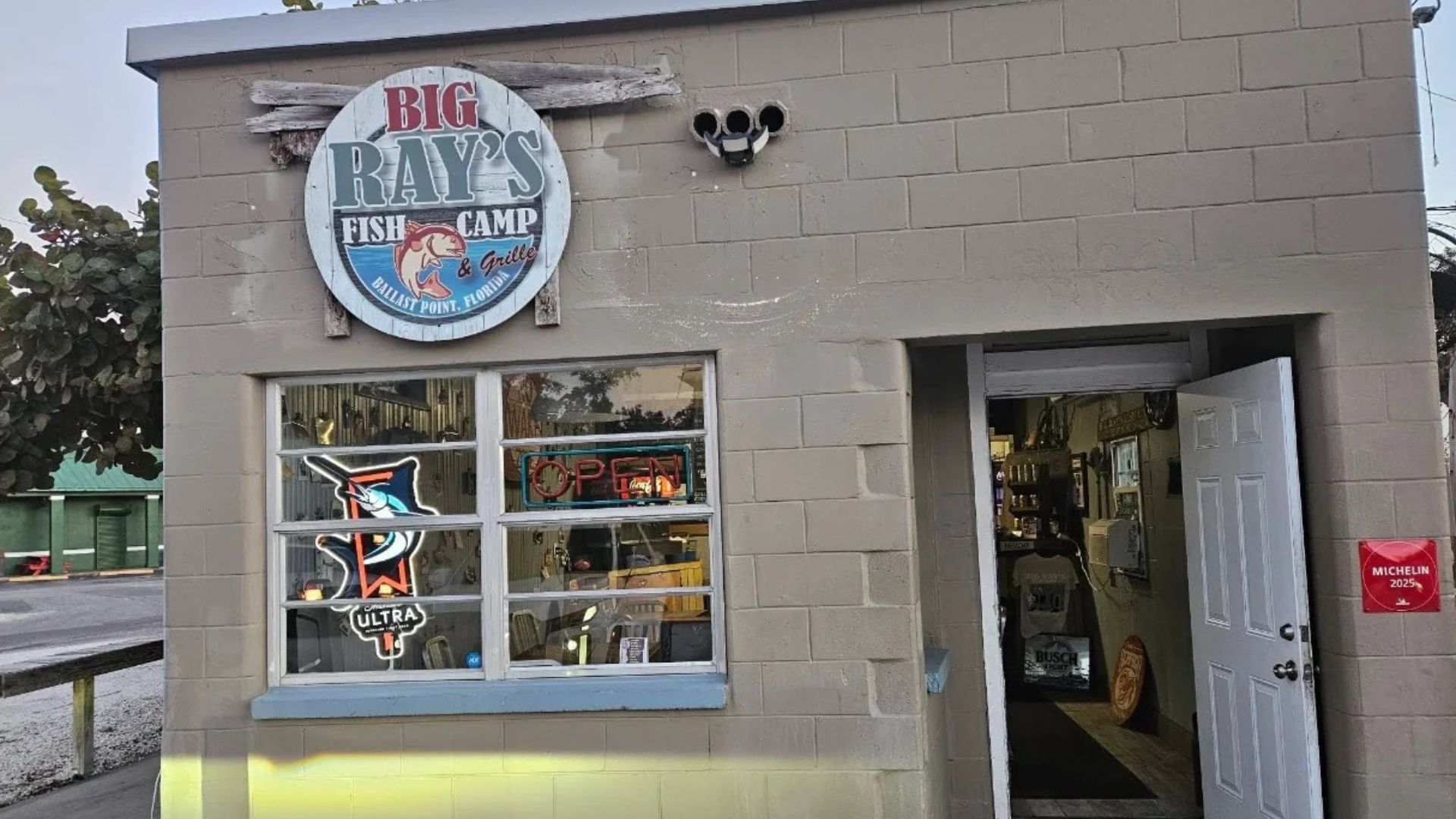
Big Ray’s is newer than several places on this list, but its roots are personal and deeply local. Chef Raymond “Nick” Cruz grew up learning about fishing near Ballast Point Pier, and his restaurant at 6116 Interbay Boulevard reflects those memories. The space is modest, with a counter-service feel and the relaxed atmosphere of a neighborhood seafood stop.
The menu includes grouper sandwiches, grouper cheeks, smoked fish dip, shrimp and other seafood favorites. The grouper sandwich can be ordered grilled, blackened or fried, making it a straightforward choice for people who want to taste the fish without a complicated preparation. The kitchen also offers more playful dishes, such as a grouper Reuben.
Michelin’s Florida guide has recognized Big Ray’s for its unfussy food and approachable setting. The restaurant resembles a place where you might find bait and tackle rather than a polished dining destination, but that contrast is part of its character. There is no requirement to wear anything fancy or turn the meal into an event.
The restaurant is closed on Mondays and operates a shorter Tuesday schedule than on most other days. Its official website lists the current opening times, which are useful if you are visiting after exploring South Tampa or nearby waterfront neighborhoods.
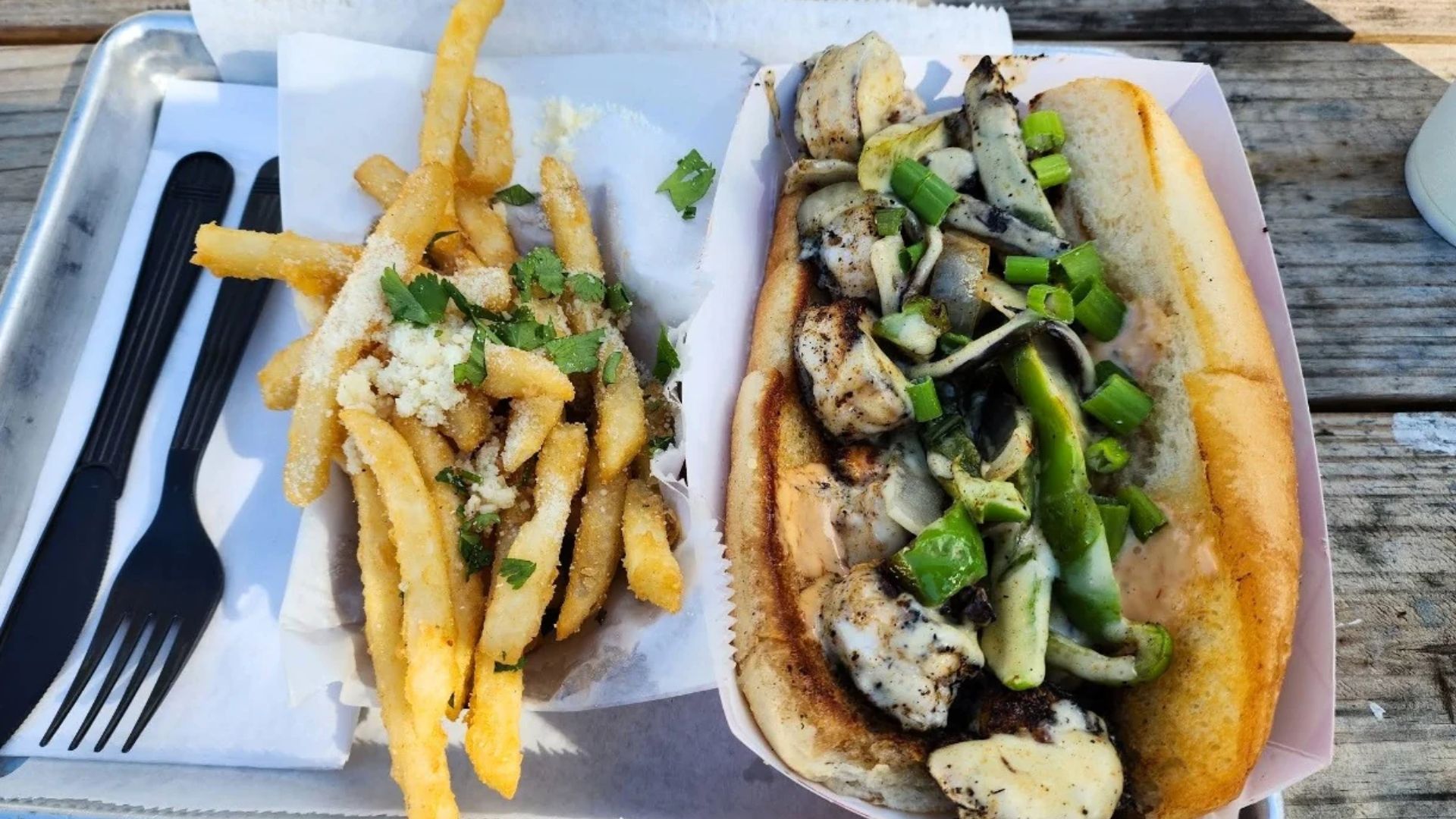
Big Ray’s illustrates an important point: a fish camp does not have to be a century old to preserve a tradition. It can be built from someone’s memories of fishing, cleaning a catch and preparing it for the table. What matters is the relationship between the food, the community and the sense that the meal belongs in this particular place.
What exactly makes a Florida fish camp?
The phrase doesn’t describe one official restaurant category. Historically, fish camps could be simple riverside operations serving anglers, offering bait, lodging or meals, or providing access to local waters. Over time, the term became associated with casual seafood places where fried fish, shellfish and practical hospitality took priority over elegant surroundings.
Some camps grew into full-service restaurants. Others disappeared as waterfront property became valuable or storms damaged aging structures. Changing tastes and regulations altered menus too. Dishes that were once ordinary in certain communities may now be unavailable or subject to conservation restrictions. A responsible modern fish camp should comply with fishing laws and source seafood honestly.
That is why these six restaurants belong together without pretending their histories are identical. Goodrich began as a commercial seafood operation. JB’s grew from a shack. Whitey’s has been a gathering place since 1963. Peace River celebrates blue crab. Rustic Inn built a reputation on garlic crabs, and Big Ray’s connects a modern kitchen to a family’s fishing memories.
How to enjoy the meal without rushing it
Arrive hungry, but not with the expectation that everything will be immediate. Freshly cooked seafood takes a little time, and popular waterfront tables can draw lines on weekends. Check each restaurant’s current hours, especially when visiting on a Monday or late Sunday. These businesses do not share one universal schedule.
Bring cash as a backup, but do not assume every fish camp is cash-only. Some accept cards, while payment rules can change. Similarly, menus vary with seafood availability. An advertised special may disappear when the day’s supply is gone. That’s often a better sign than pretending every catch is unlimited.
Order something that connects to the place. At Rustic Inn, it’s garlic crabs. At Big Ray’s, grouper is an obvious starting point. At a working waterfront such as Goodrich or a local fishing village, ask what seafood is currently available and how it’s prepared. A good fish-camp meal rewards curiosity more than strict expectations.
Then notice the surroundings. A pelican landing near the dock or a conversation drifting across neighboring tables can be as memorable as the food. Florida has plenty of impressive restaurants. Its fish camps offer something harder to reproduce: an ordinary, unhurried meal that still feels connected to the water outside.