Florida’s underwater shipwreck parks include a 1715 treasure-fleet vessel and 6 more remarkable wrecks
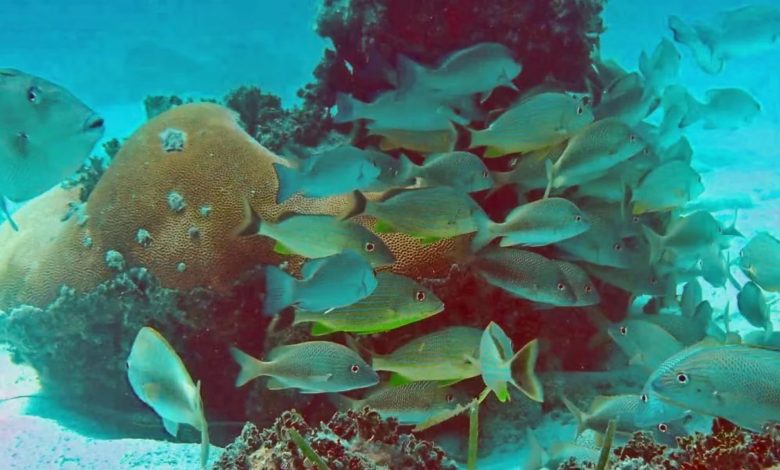
Imagine looking down through shallow Florida water and finding the outline of a ship that has been there for centuries. No wooden treasure chest waits conveniently beside a cannon. Instead, there are ballast stones, fragments of structure and marine life moving through the remains.
The wreck has become part of the seafloor, which is exactly why it can be so compelling to visit.
Florida’s coast has seen Spanish treasure fleets, steamships, naval vessels and working boats meet storms, reefs and accidents. Many wrecks are protected archaeological sites, not treasure-hunting playgrounds.
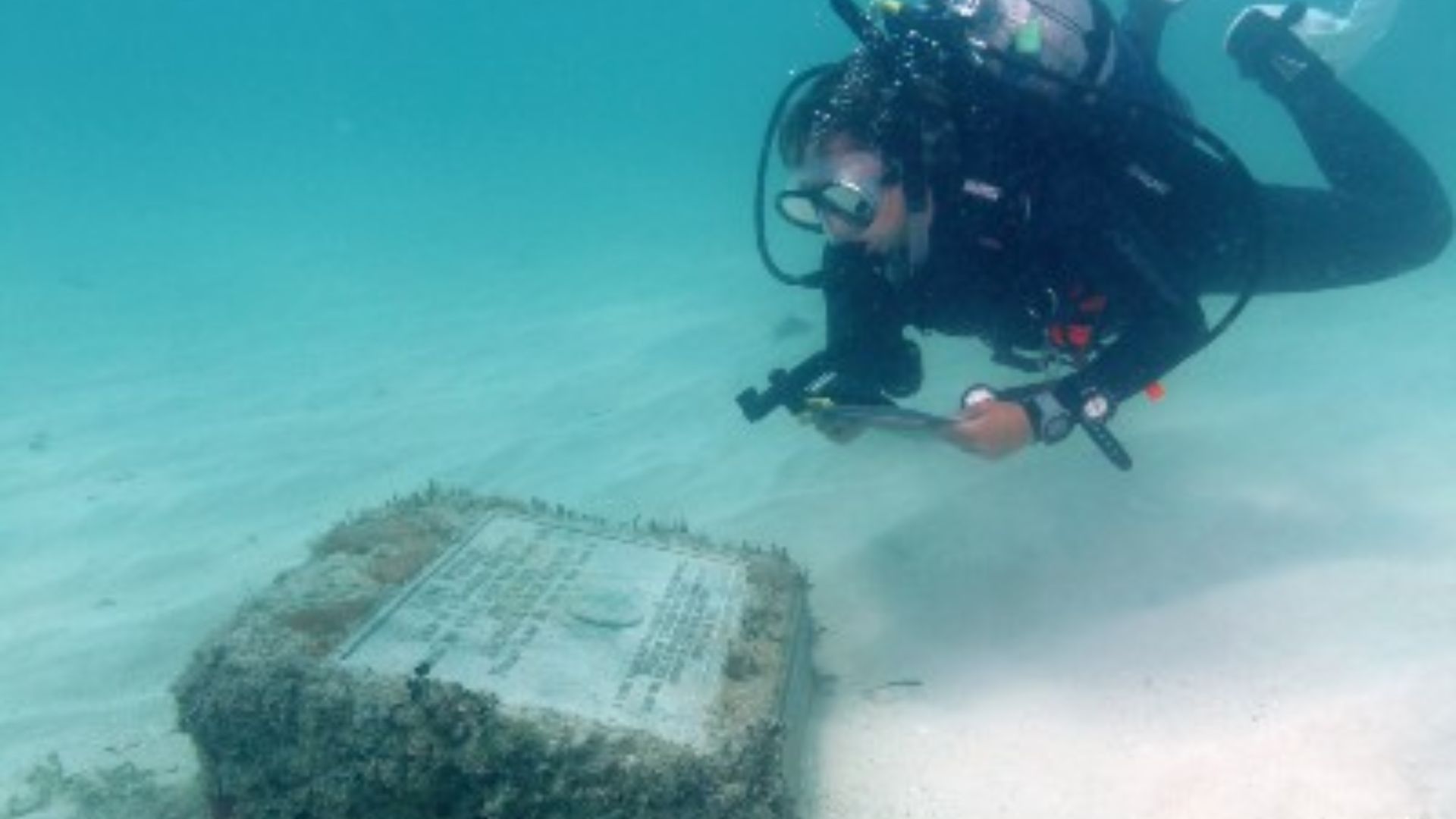
Beginning in 1987, the state developed an underwater preserve system that allows visitors to experience selected historic wrecks while protecting what remains.
The system now includes twelve official underwater archaeological preserves. Some are shallow enough for qualified snorkelers in suitable conditions. Others are for certified scuba divers and require experienced boat operators.
These seven sites offer a journey through very different chapters of Florida maritime history. Each deserves a little knowledge before anyone puts on fins.
1. Urca de Lima off Fort Pierce
A Spanish ship in shallow water off Fort Pierce gives Florida’s underwater preserve system its beginning. Urca de Lima was part of the fleet wrecked by a violent hurricane in 1715, an event that scattered vessels and their cargo along the Atlantic coast.
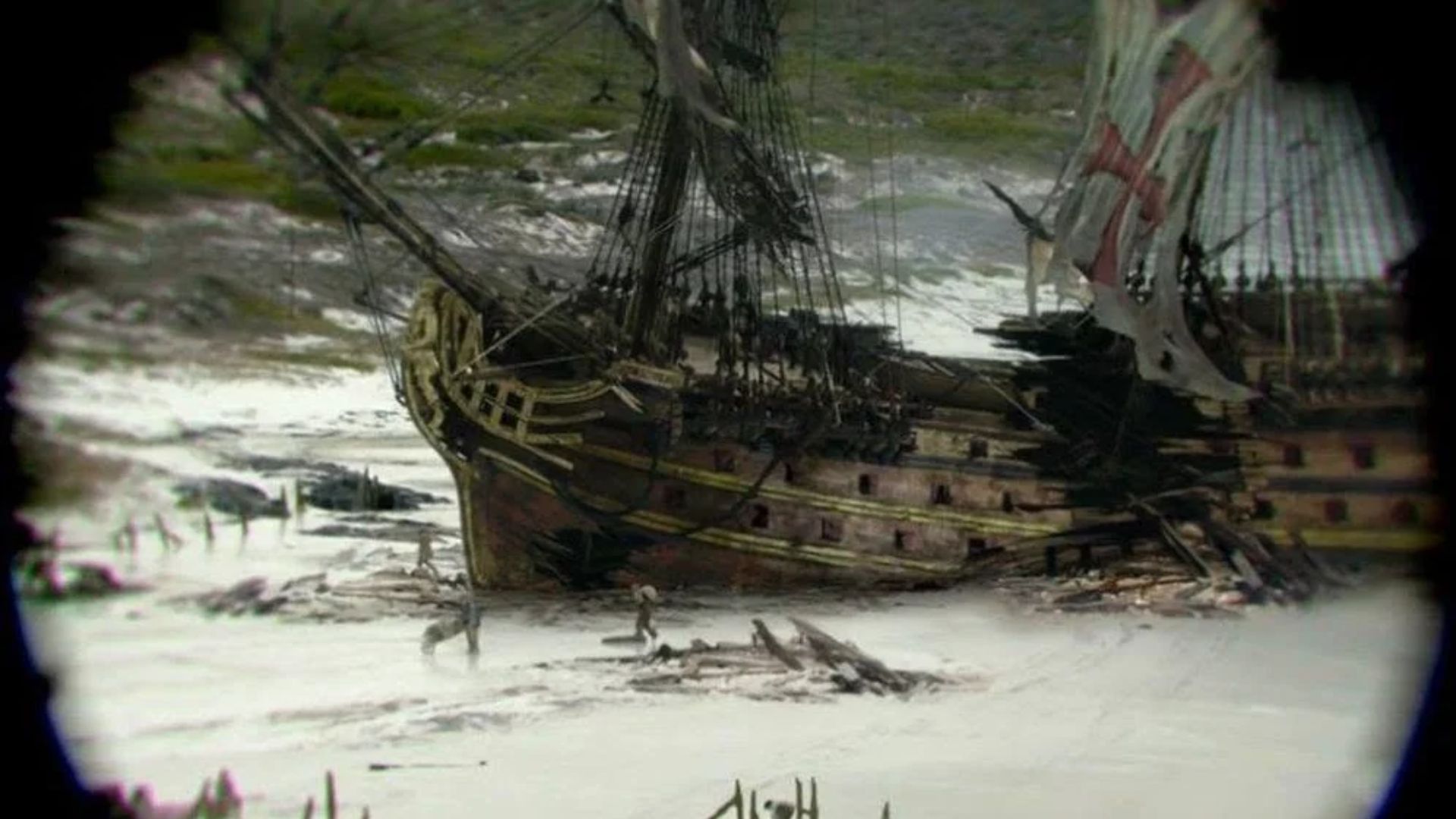
The ship grounded near the beach, and its remains eventually became an important site for underwater archaeology.
Florida designated Urca de Lima its first Underwater Archaeological Preserve in 1987. What visitors see today is not an intact galleon sitting upright. Salvage and centuries of marine conditions changed the site. Ballast stones, surviving structural remains and replica cannons help mark the wreck and tell its story.
Read also: Gator tail, crab mallets and waterfront tables – 6 Florida fish camps keeping the old ways alive
The location is offshore near Fort Pierce Inlet, and visitors generally reach it by boat. In good conditions the water can be shallow enough for snorkeling, but the ocean is never a swimming pool. Visibility, surf, boat traffic and currents can change quickly.
Going with an experienced local operator is a far better plan than trying to reach a historic offshore site from an unfamiliar beach.
The story is richer than the usual phrase “treasure fleet.” After the hurricane, survivors faced a struggle to organize food, shelter and recovery efforts.
The wrecks represent the people and logistics of transatlantic travel, not just the precious cargo that later attracted salvors. Looking at a ballast pile with that history in mind changes the experience.
Leave everything where it lies. Even an object that appears insignificant may be protected archaeological material. The point is to see a chapter of maritime history preserved in place, alongside fish and other marine life that now use the site as habitat.
2. San Pedro near Islamorada
The San Pedro belongs to another Spanish fleet disaster, this time in 1733. The Dutch-built vessel was traveling with a Spanish flotilla when a hurricane struck the Florida Keys.
Its remains lie in shallow water near Indian Key, and the state now protects the site as San Pedro Underwater Archaeological Preserve State Park.
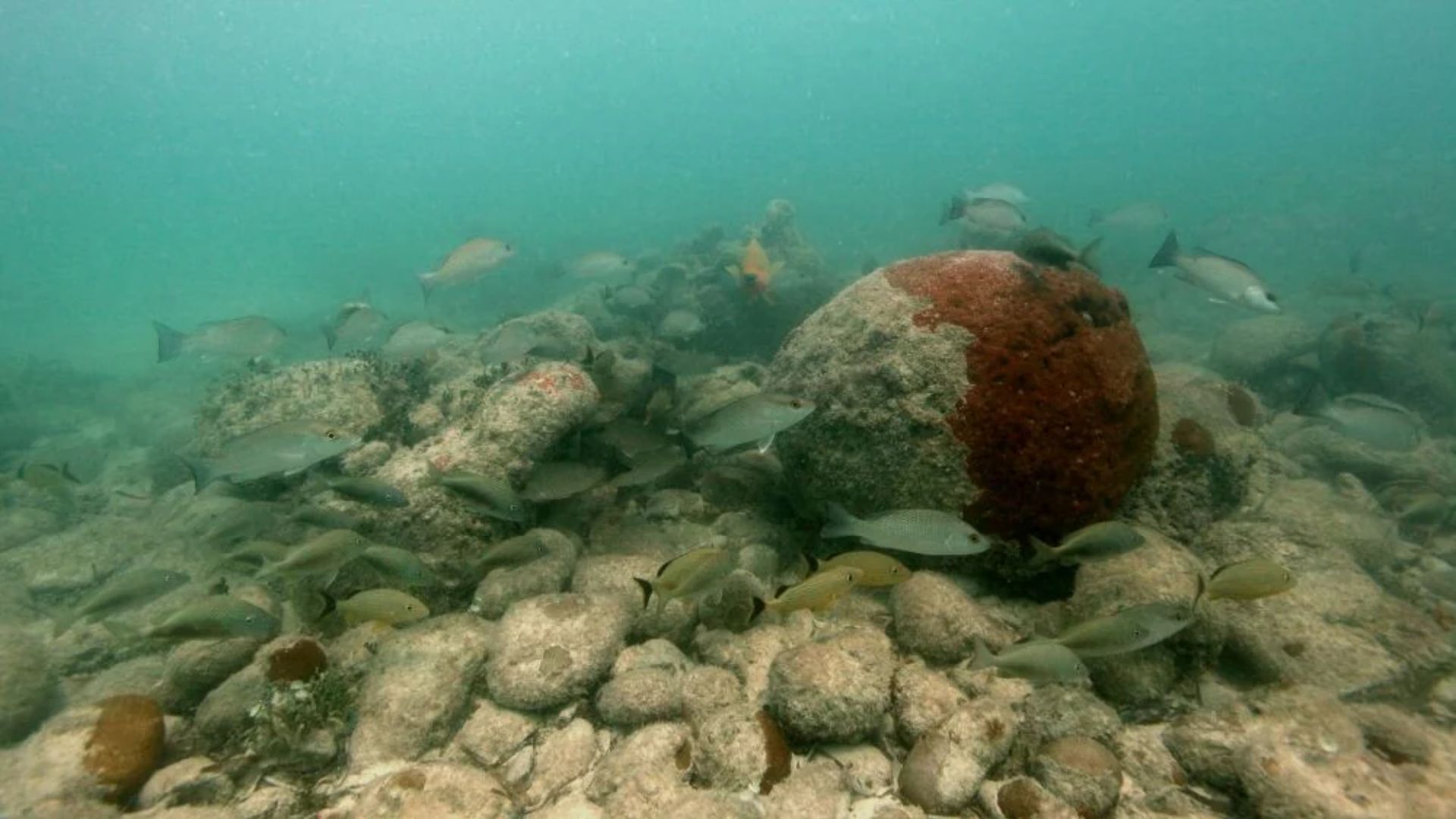
The surviving wreck is not a complete ship. The state describes a ballast mound roughly 90 feet long and 30 feet wide, enhanced with replica cannons, an anchor and an interpretive plaque.
Read also: Florida springs where the water stays about 72 degrees, even in the middle of winter
The water is approximately 18 feet deep, making the site appealing to snorkelers and divers when conditions are calm and visibility is good.
A boat is still required, and there is no reason to treat the shallow depth casually. A reef area can have boat traffic, currents and changing weather. Use a properly equipped vessel, plan surface support and follow local rules.
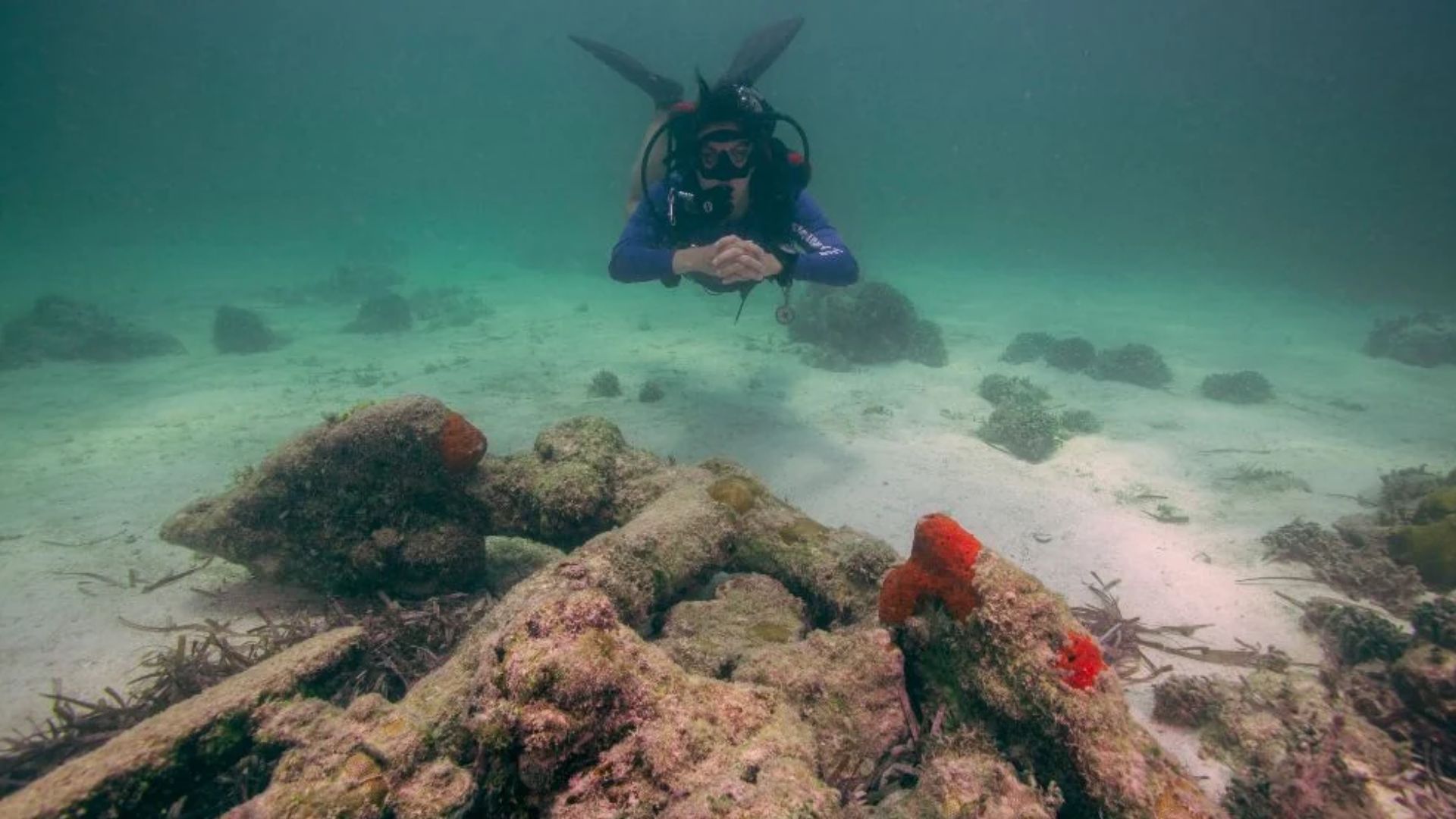
The site is part of a protected marine environment, so careless anchoring can cause damage even before anyone enters the water.
San Pedro is particularly satisfying for travelers interested in the relationship between history and ecology. Turtle grass and marine life surround the remains, and the wreck has become habitat as well as an archaeological record.
The replica features help visitors imagine the original vessel without pretending that centuries underwater left it unchanged.
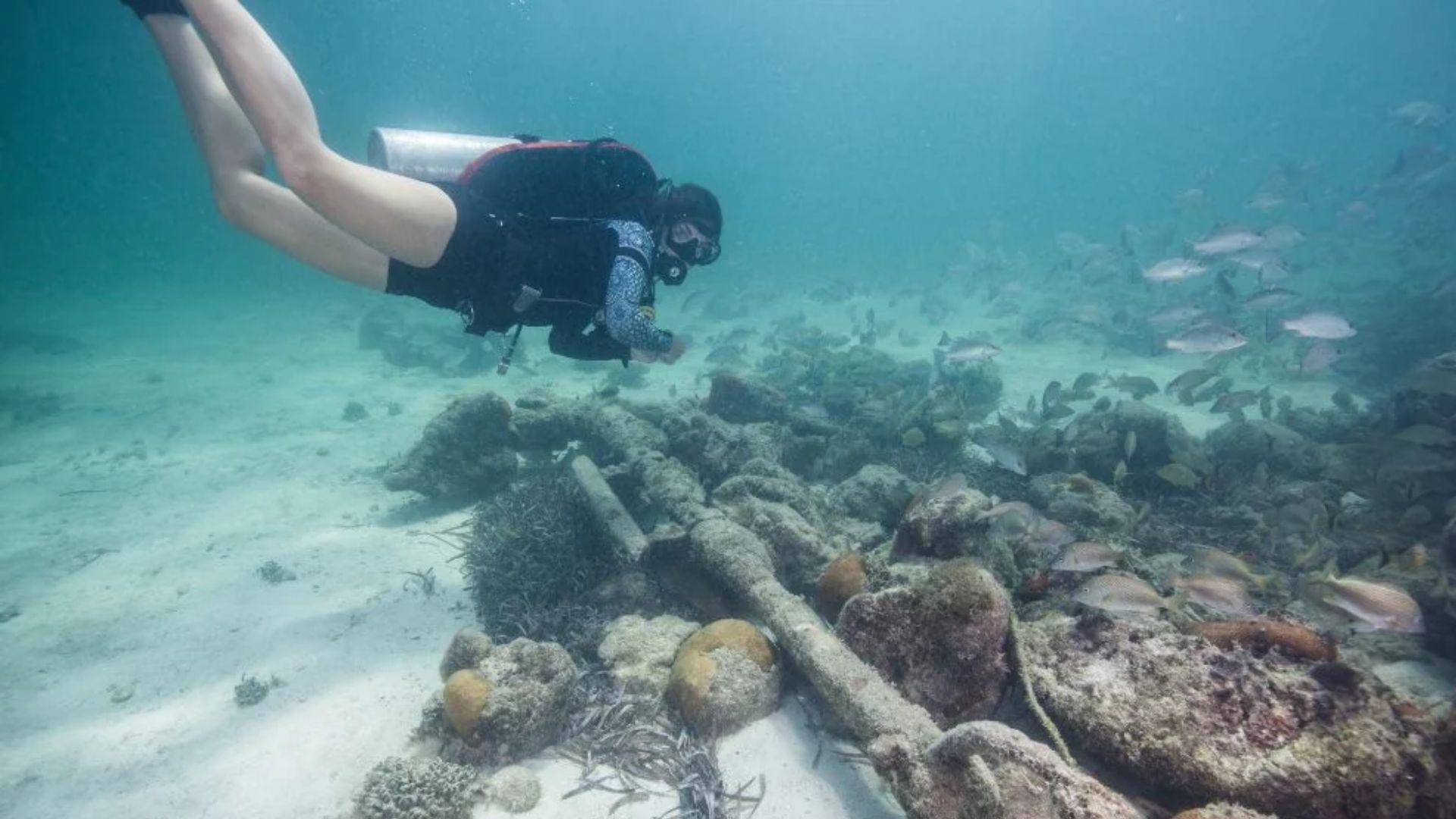
The preserve lists no separate admission charge. That does not make a charter free, of course. Think of the state site’s open access as an invitation to experience history responsibly, not as an excuse to skip the expense of safe transportation and appropriate guidance.
3. City of Hawkinsville in the Suwannee River
Most people picture shipwreck diving as a saltwater adventure. City of Hawkinsville proves that a river can preserve an equally intriguing story.
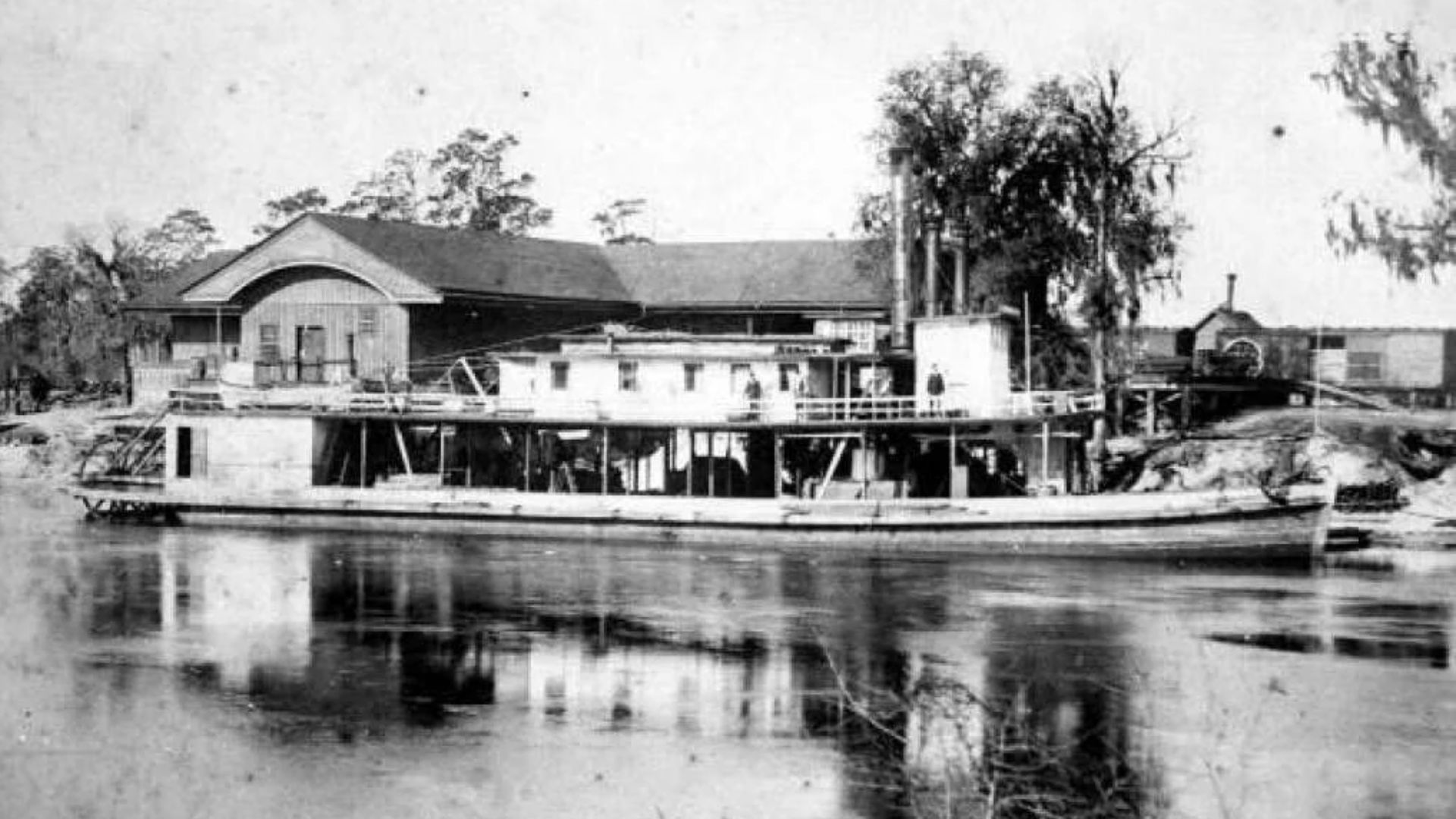
This sternwheel steamboat was part of the working transportation network that once connected communities along the Suwannee, carrying people and goods through an era before modern roads dominated the region.
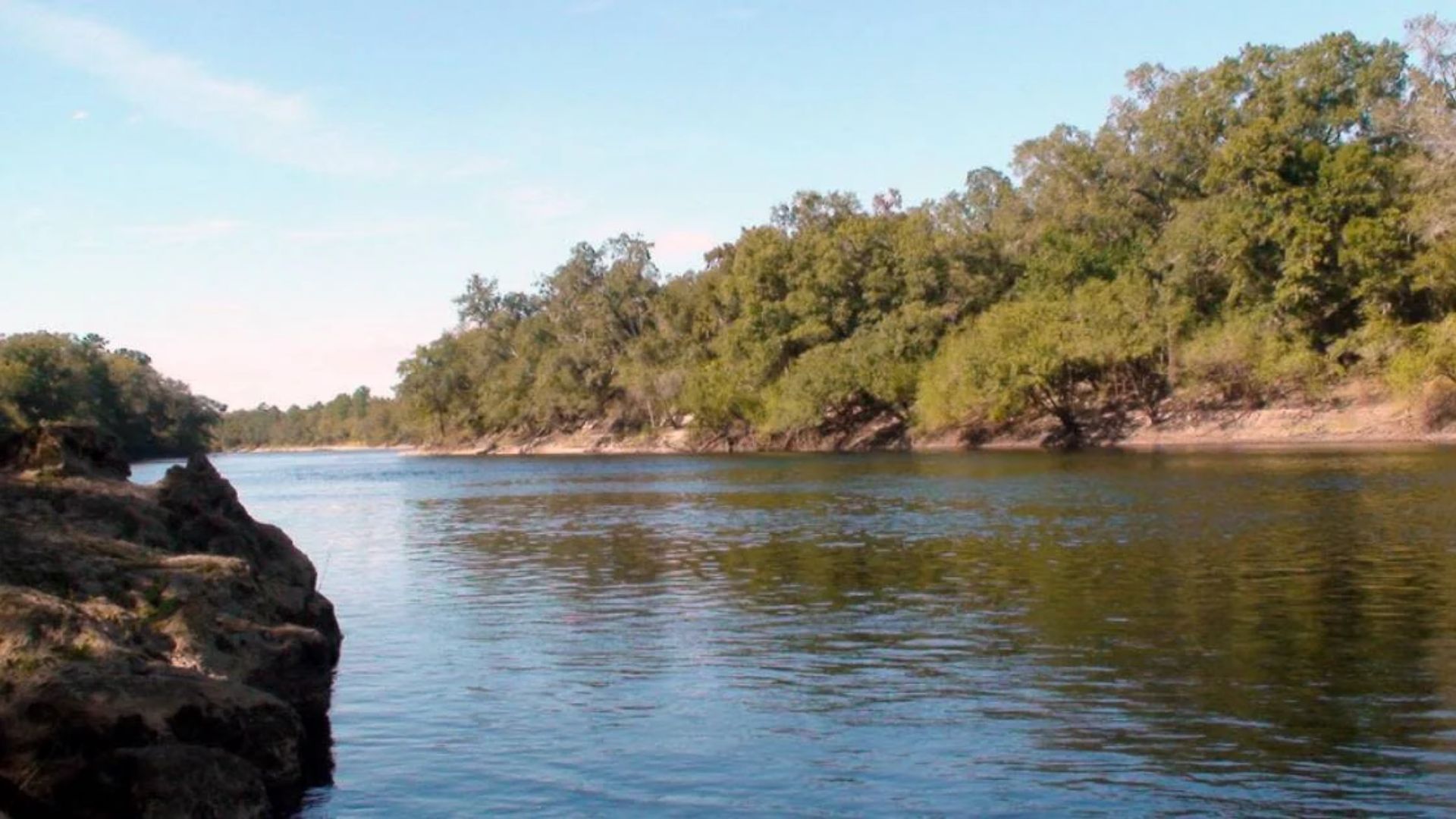
The vessel was abandoned in the river in 1922, and the site became Florida’s third Underwater Archaeological Preserve in 1992. Rather than a sea wreck surrounded by bright tropical fish, this is an inland archaeological site where dark water, sediment and river conditions shape the experience.
Read also: These 8 Florida scenic byways turn a drive into a whole vacation
That makes the dive quite different from an easy reef snorkel. Tannins can reduce visibility, while currents and underwater obstructions demand careful planning. Only trained divers with suitable experience should consider the wreck, ideally with operators who understand river conditions and the protected site’s layout.
The reward is a glimpse of a different Florida economy. Steamboats were once essential for moving cargo along waterways, connecting inland settlements to coastal trade. The City of Hawkinsville is not famous because it carried royal treasure. It matters because working boats like this helped ordinary communities survive and grow.
Visitors who do not dive can still appreciate the story through Florida’s underwater archaeology resources and regional museums.
A protected wreck is valuable even when it isn’t accessible to every tourist. Knowing what lies beneath the river gives a quiet stretch of water a remarkable historical dimension.
4. USS Massachusetts off Pensacola Pass
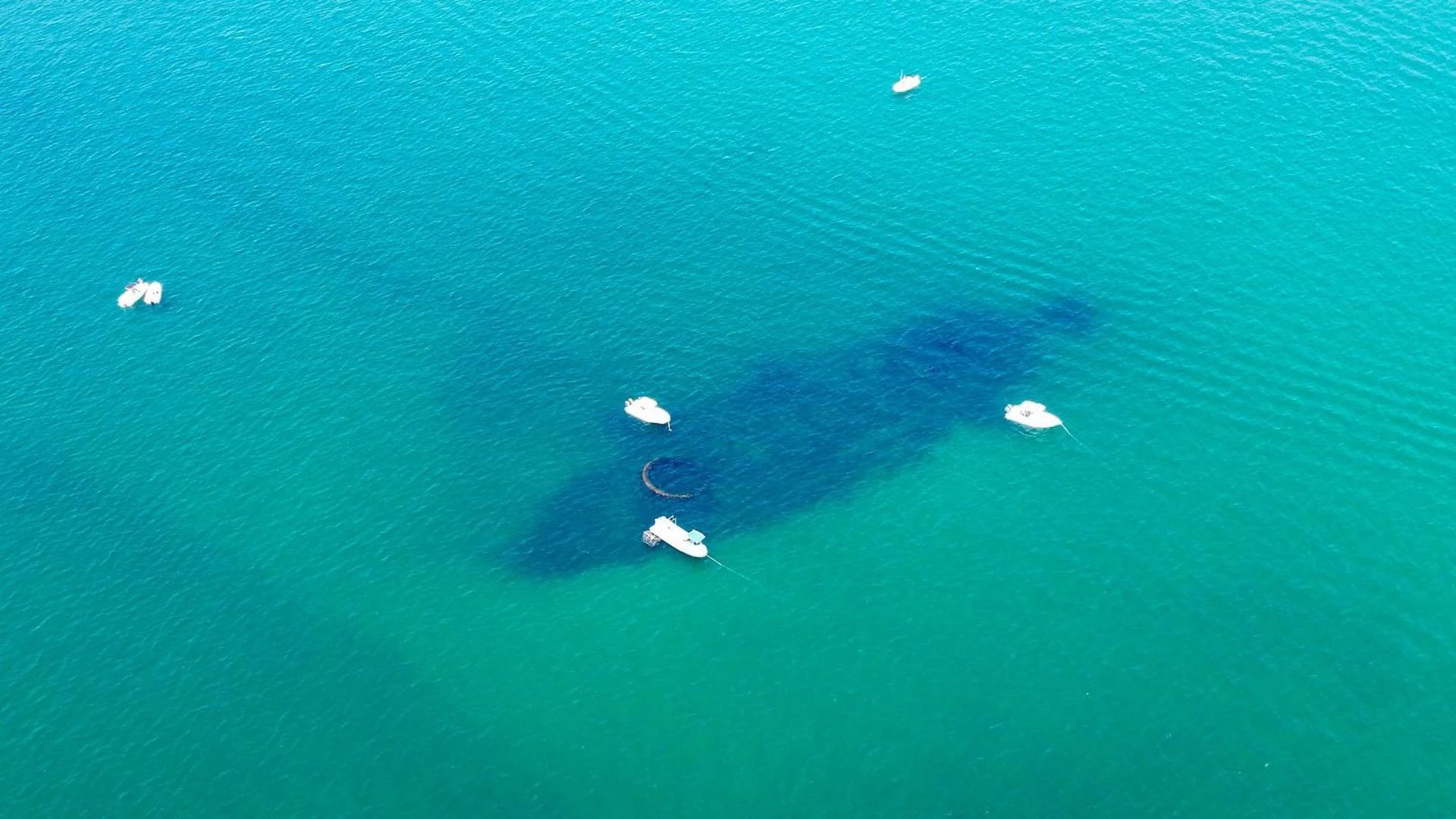
The USS Massachusetts, BB-2, was built in the era when naval warships were changing rapidly. Launched in the 1890s, the battleship later ended its life as a target vessel and was sunk near Pensacola Pass in 1921. Florida established the wreck as an underwater preserve in 1993, marking the hundredth anniversary of the ship’s launching.
The state describes Massachusetts as the nation’s oldest surviving battleship, an extraordinary claim supported by the vessel’s protected status and history. But don’t picture an intact museum ship with a deck you can stroll across. This is a submerged wreck subject to waves, currents and the hazards of a coastal pass.
Read also: The most popular Florida beaches that rank among America’s best right now
For divers, the attraction is the scale of the structure and the opportunity to see a major naval artifact in its marine setting. That scale also makes the site serious. Visibility can be limited, and parts of a wreck may be sharp, unstable or entangled with fishing gear. Swimming into structures or handling objects is neither necessary nor appropriate.
The location is especially interesting for visitors already exploring Pensacola’s maritime heritage. Forts, naval history and the busy waterways of the western Panhandle provide context for what remains offshore. A carefully planned charter lets experienced divers connect that history to something they can observe firsthand.
If you are not a qualified diver, keep Massachusetts on a different kind of itinerary: learn about it through the official underwater preserve program and admire the coastal history from land. No one needs to descend on a hazardous wreck to appreciate its importance.
5. Half Moon near Key Biscayne
Half Moon has one of the more colorful biographies in Florida’s underwater preserve collection. Before it became a wreck, the vessel was associated with a life far removed from ordinary cargo traffic: a floating entertainment venue. Its later years brought changes of ownership and purpose before it ended up underwater near Key Biscayne.
Today the remains lie in comparatively shallow water, attracting visitors interested in both marine life and an unusual piece of twentieth-century history. The site is marked as an archaeological preserve, with interpretive material designed to help divers understand what they are seeing rather than hunt for souvenirs.
Shallow water can make Half Moon seem approachable, but location and weather still matter. Conditions around Biscayne Bay can change with wind, tides and boating activity. A guided snorkeling or diving excursion offers the advantage of local knowledge about where to enter, what to expect and how to avoid disturbing fragile remains.
The story is appealing because it doesn’t fit neatly into one category. Not every wreck was a grand warship or a tragedy involving hundreds of people. Some were everyday or eccentric vessels whose lives reflected the changing tastes and businesses of their times. Half Moon reminds visitors that maritime history includes leisure and entertainment as well as trade and conflict.
When you look closely, the wreck’s physical features may not immediately explain that biography. That is why researching a site before the trip enriches the dive. A few details about its former life can turn indistinct shapes on the bottom into something that feels connected to human experience.
6. SS Copenhagen off Broward County
SS Copenhagen was a steamship that struck a reef off South Florida in 1900. Its remains are protected as part of Florida’s underwater archaeological preserve system, in waters near Pompano Beach and Lauderdale-by-the-Sea. The wreck is another example of how a busy coast became a graveyard for vessels navigating reefs and changing conditions.
The surviving features are relatively shallow compared with deep offshore shipwrecks, and suitable weather can make the site popular with divers. Yet a shallow reef environment is still exposed. Waves and currents may complicate entry, and the depth alone doesn’t determine whether conditions are safe for a snorkeler.
This is a place to appreciate the intersection of industry and nature. The ship was built for work, crossing waters as part of a global economy. After it struck the reef, the same structure that once carried cargo gradually became habitat for fish and other creatures. The wreck shows how the seafloor absorbs human history without erasing it completely.
For visitors based around Fort Lauderdale, the dive can fit into a broader trip exploring beaches and local maritime culture. Use a reputable charter, respect mooring and anchoring rules, and do not disturb the structure. Underwater photography can be rewarding, but the best image is never worth damaging a century-old site.
The official preserve designation means the wreck can be visited, not that it is managed like an amusement ride. Good planning is part of the experience. Know the route, the conditions and your own abilities before entering the water.
7. Vamar off Mexico Beach
The Vamar’s story crosses oceans and decades. The ship is associated with earlier exploration history before ending its working life in the Gulf of Mexico. It sank off Mexico Beach in 1942 and later joined Florida’s underwater preserve system, becoming one of the western Panhandle’s more intriguing wreck sites.
Unlike a modern artificial reef designed specifically for recreational diving, Vamar has a history that predates its final resting place. The underwater remains give divers a physical connection to that past, while marine organisms have made use of the structure over time. The two stories coexist beneath the surface.
The wreck is reached by boat, and diving conditions depend on weather and water clarity. It is not a destination for casual swimmers who happen to find themselves on a nearby beach. Experienced divers should consult local operators about depth, visibility, boat safety and any current restrictions before making plans.
One appealing part of Vamar is its location away from Florida’s busiest dive tourism centers. The Gulf Coast around Mexico Beach has its own quieter pace, and exploring a protected wreck can complement a trip focused on the region’s maritime history. There may be less spectacle than at a large resort dive operation, but there is plenty to think about.
As with every preserve, the ship’s remains are protected. Take photographs and memories, not artifacts. A small fragment moved from its position can destroy information about how a vessel broke apart or settled. Leaving it untouched is part of ensuring that the next visitor can learn from it too.
Why these underwater museums matter
A shipwreck is often introduced as a mystery. That makes a good opening, but history becomes much richer once you move beyond speculation about treasure. A wreck records decisions made by sailors, the technology available to shipbuilders, the hazards of navigation and the work people performed in earlier centuries.
Florida’s underwater archaeological program began with the recognition that some of those stories could be shared without recovering every surviving artifact. Interpretive plaques and public information help visitors understand what remains, while protection rules keep the sites from being dismantled one souvenir at a time. The system currently lists twelve preserves, and these seven are only part of the story.
Choosing the right site depends on training. A shallow wreck in clear water may suit supervised snorkeling. River wrecks and offshore naval remains can require specialized diving skills. Weather, current, visibility and boat access change even at familiar sites. Never let a compelling historical story persuade you to exceed your qualifications.
There is no need to touch the past to experience it. Seeing ballast stones beside a fish, or the outline of a steamboat beneath dark river water, can be enough. Florida’s shipwreck parks are compelling precisely because the stories remain where history left them, waiting for people who know how to look without taking.