Florida has two certified dark sky parks, and these 7 places make room for the Milky Way
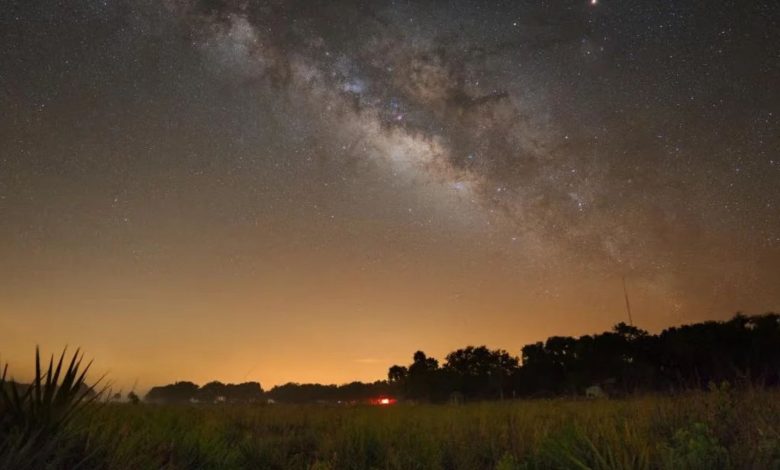
The first thing you notice is how quiet a moonless prairie can become. No glowing billboards compete for attention, the horizon stretches beyond the last visible tree, and the small red light of a camper’s flashlight seems almost bright enough to announce itself.
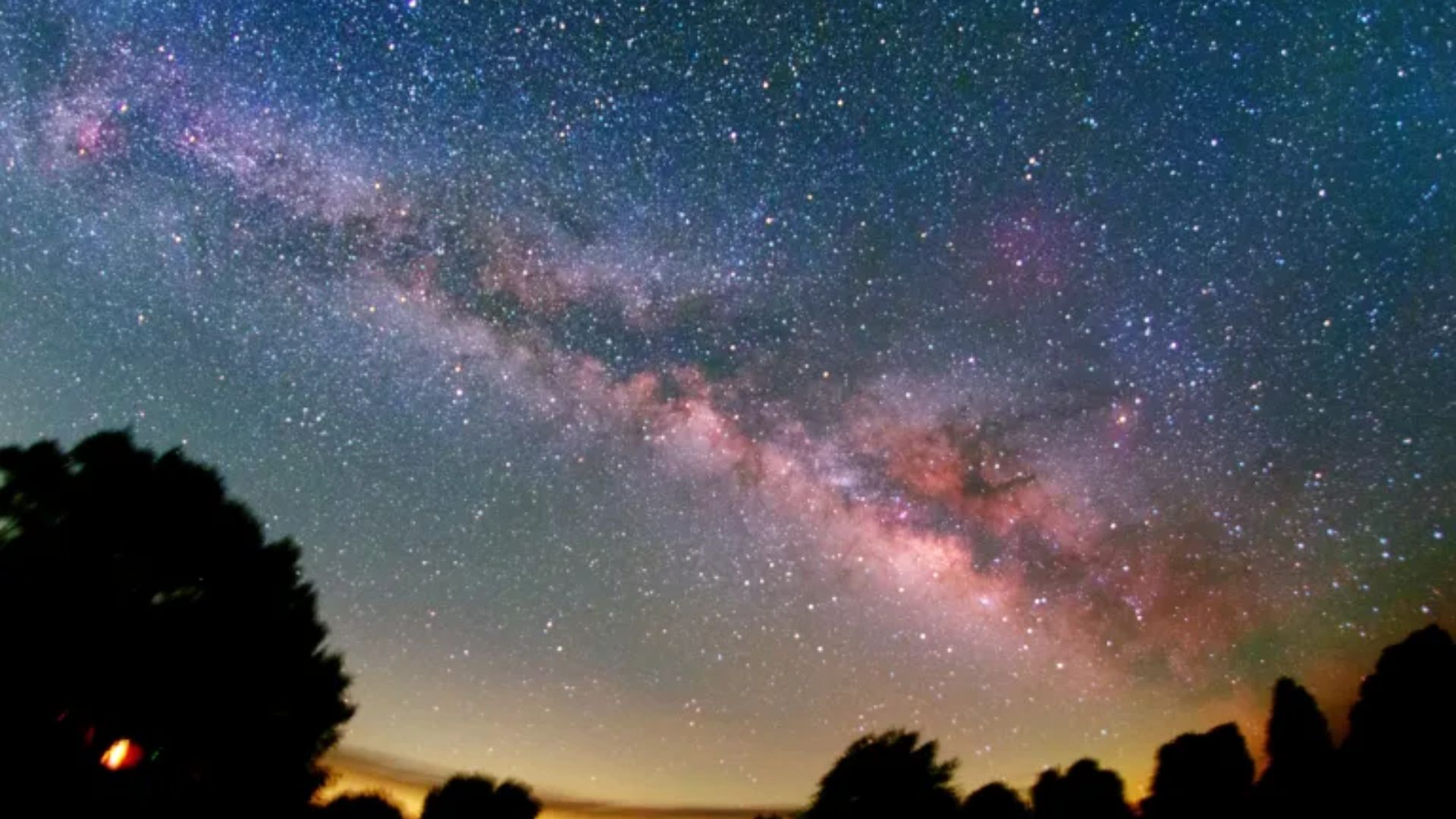
Then your eyes adjust, and a different Florida appears overhead: stars scattered across the sky, bright planets, and, on the right night, the pale band of the Milky Way.
In a state famous for illuminated beaches, theme parks and busy highways, real darkness can feel surprisingly rare. Yet Florida still has large protected landscapes where the night sky is part of the experience.
Read also: No bridges to these 7 Florida islands, where the boat ride is part of the escape
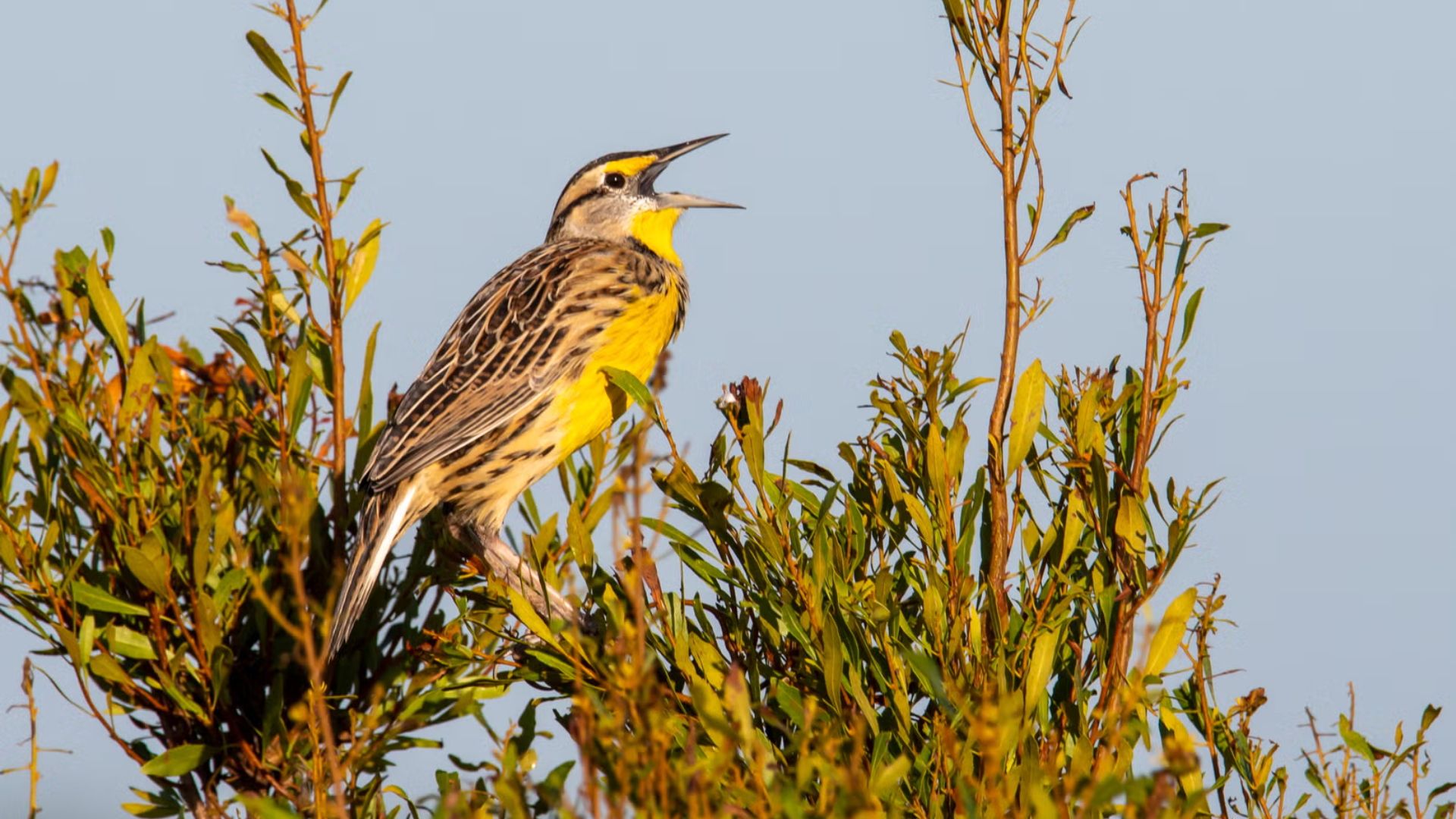
Two sites have earned International Dark Sky Park certification: Kissimmee Prairie Preserve State Park and Big Cypress National Preserve. The distinction reflects efforts to protect natural darkness, not merely the absence of nearby streetlights.
There are also worthwhile places without that exact designation. Some are national parks, others are campgrounds or communities encouraging better lighting. The secret is choosing the right location, checking after-hours access and visiting when the moon is not washing the sky with its own light.
Here are seven Florida settings where looking up can become the whole reason for going.
1. Kissimmee Prairie Preserve State Park near Okeechobee
Kissimmee Prairie is about as far from the familiar image of busy Florida as you can get without leaving the state. Wide expanses of dry prairie spread beneath an enormous sky, and the nearest major concentration of city lights is distant enough that stars stand out in unusual numbers.
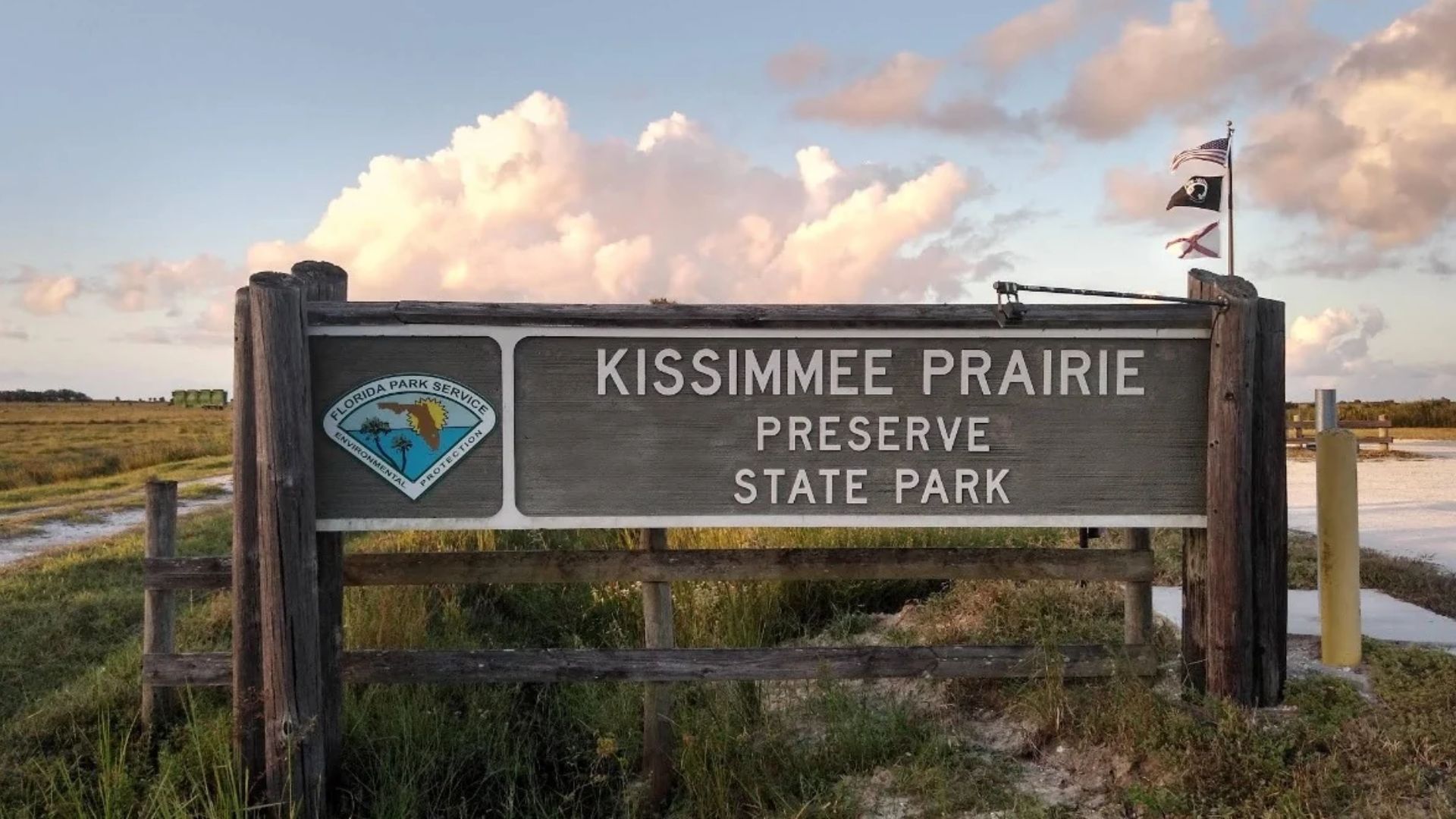
The park earned International Dark Sky Park designation in 2016, the first such recognition in Florida.
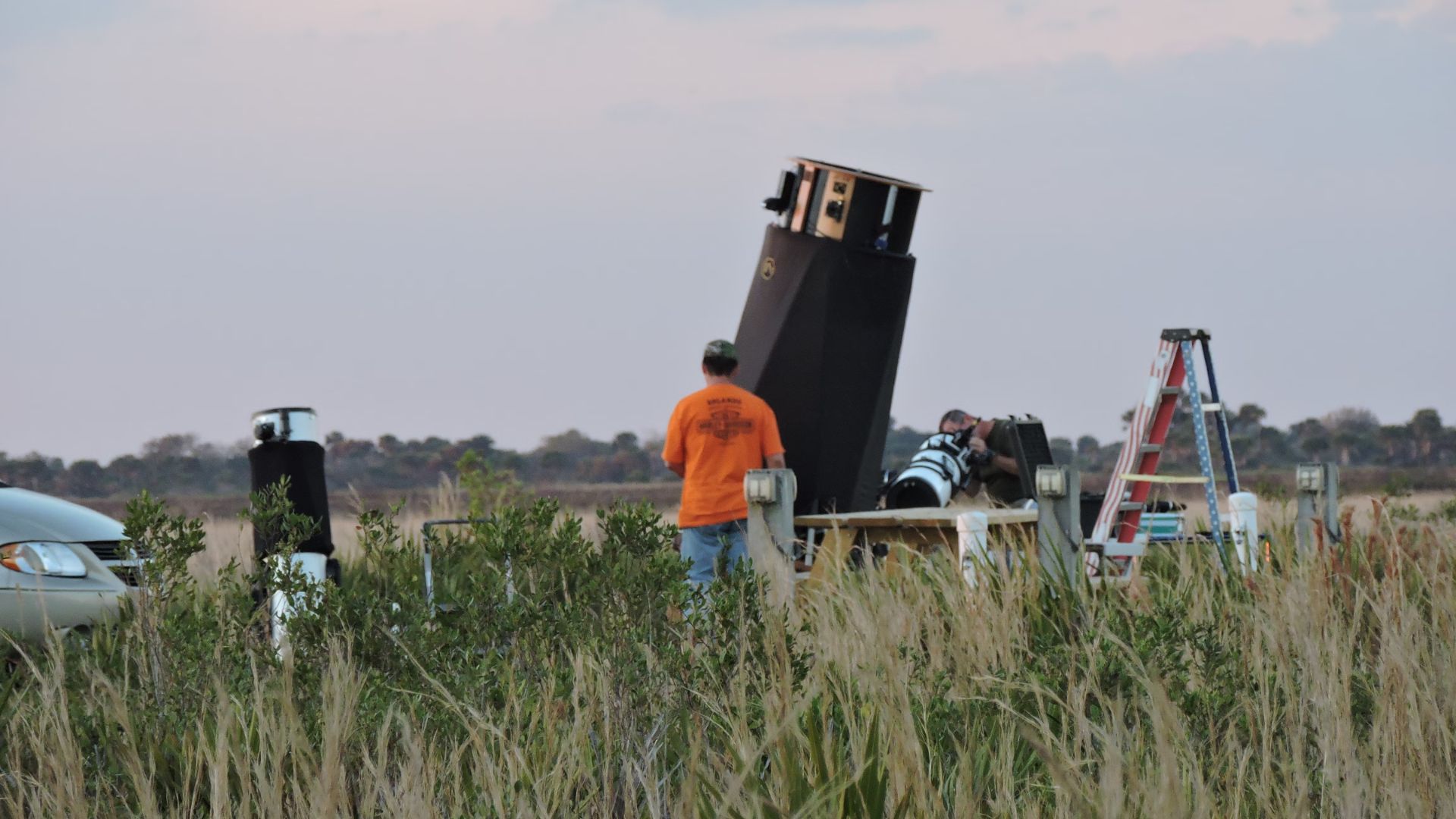
Its astronomy facilities make the difference between an attractive idea and a workable trip. Visitors can book a campsite or a dedicated astronomy pad and follow the park’s rules for nighttime access. The astronomy pads require red-spectrum lighting and prohibit campfires, which protects night vision for everyone trying to observe the sky.
Reservations are important, particularly on moonless weekends.
The property at 33104 Northwest 192nd Avenue has a strict access arrangement. The entrance closes shortly after sunset, and only authorized campers or holders of the appropriate after-hours permissions can enter later.
The park also describes an observation area near the entrance for people who do not have an overnight reservation, subject to entry rules. Arriving after dark without a plan is not sensible.
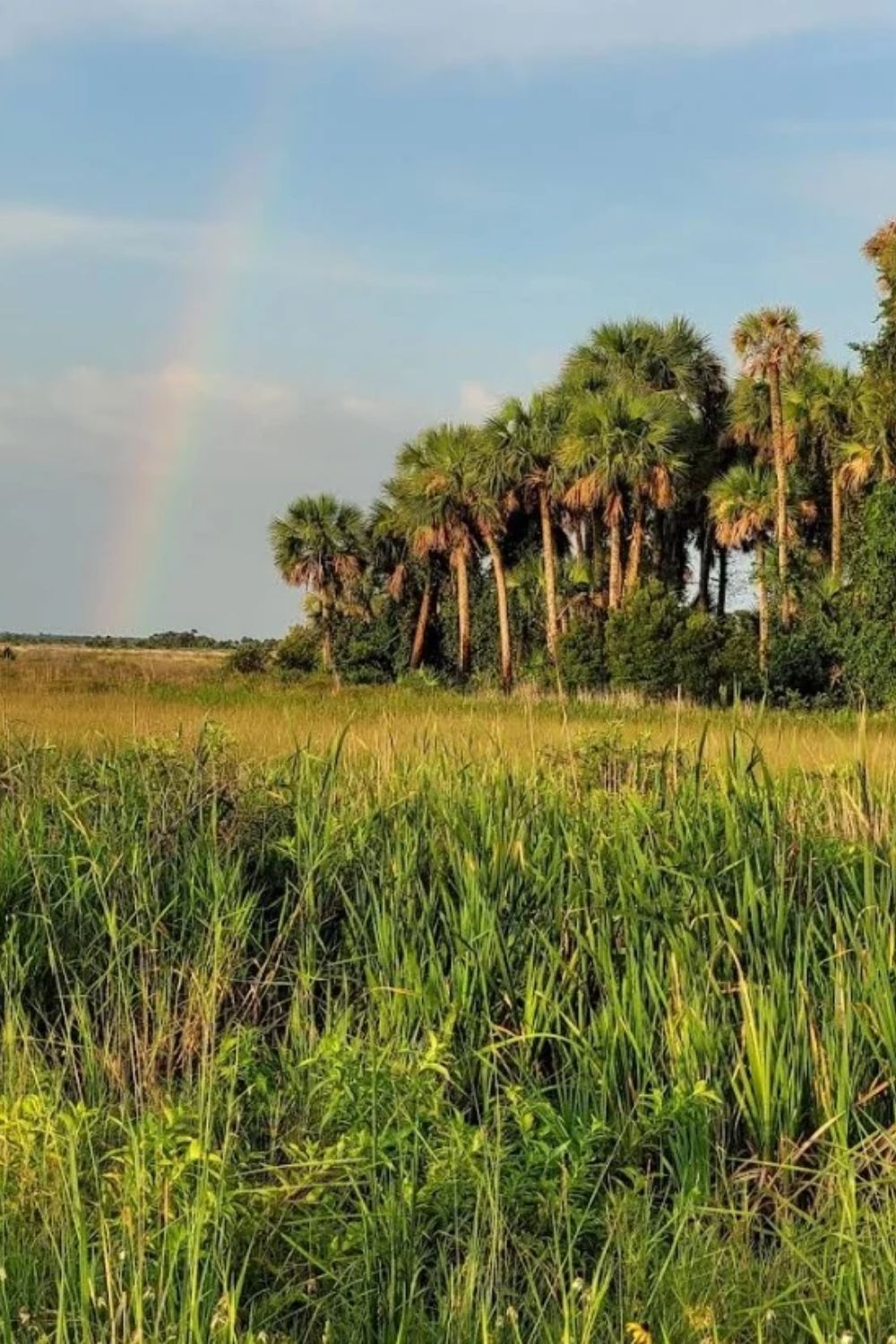
This is an ideal place to begin with your eyes rather than an expensive telescope. Give yourself about half an hour away from white light, then look for the broad shapes of constellations and the Milky Way when conditions allow.
The prairie provides a broad horizon, but weather, clouds and nearby fires can still affect visibility. A blanket, chair and red flashlight are often more useful than elaborate equipment.
2. Big Cypress National Preserve in South Florida
Big Cypress earns its dark-sky reputation by being huge, protected and far enough from major city centers to offer an exceptional night. The preserve became an International Dark Sky Park in 2016 and remains one of the most important night-sky destinations in the eastern United States.
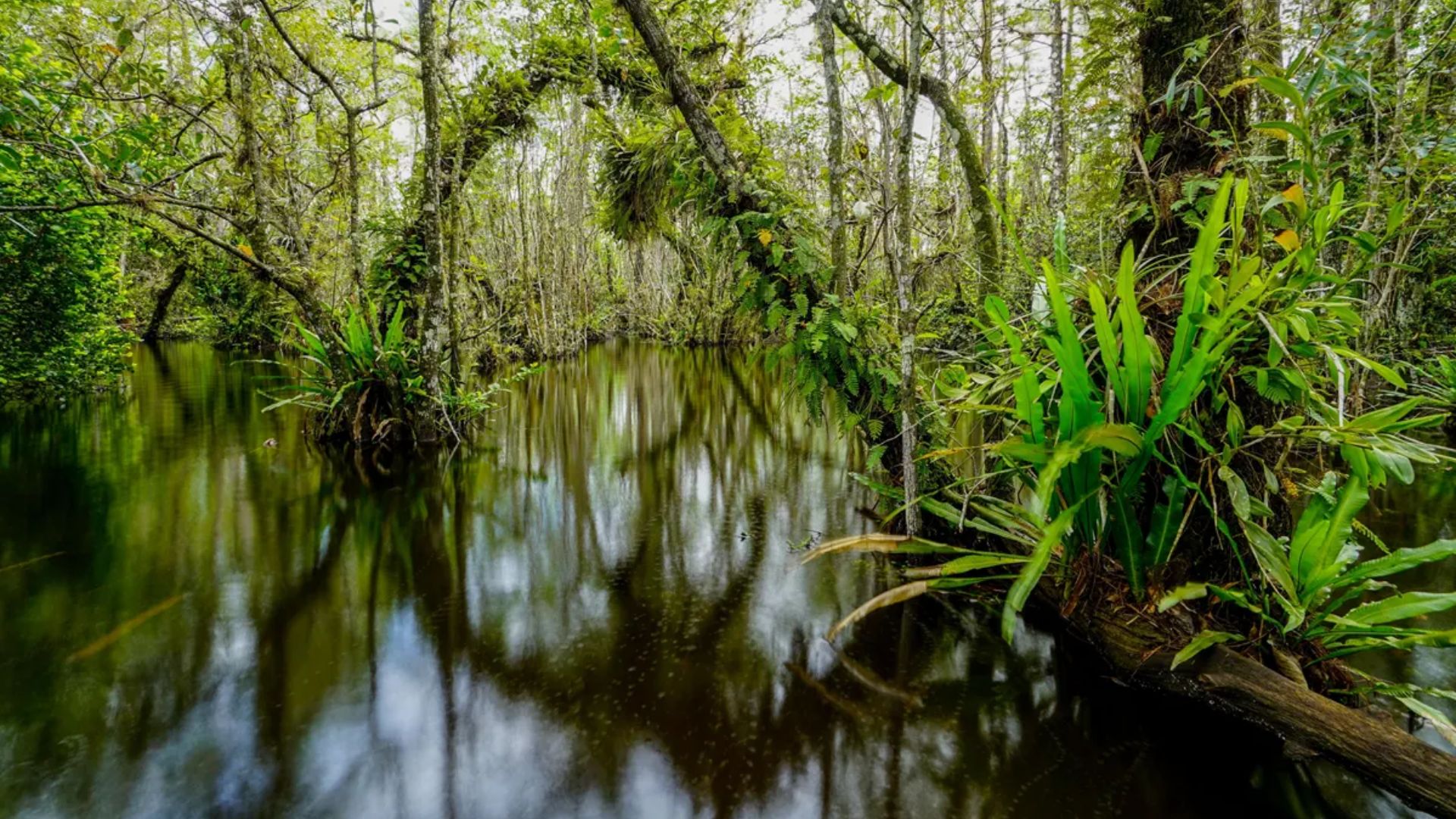
Cypress trees, wet prairie and the sounds of nocturnal wildlife make the setting feel unmistakably Floridian.
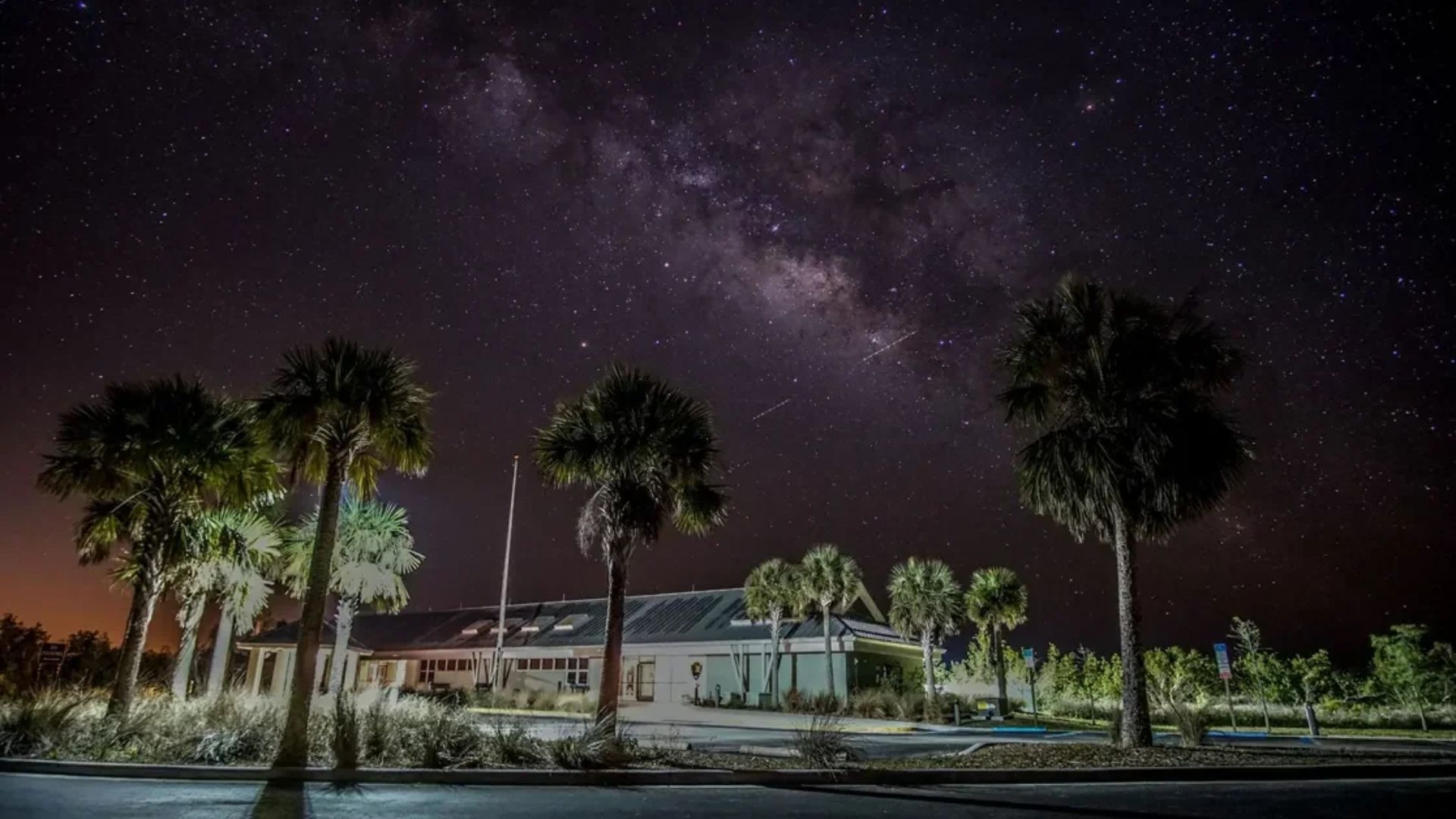
The National Park Service hosts ranger-led astronomy events in winter. Its 2026–27 program includes monthly dates from December through March, with constellation tours and telescope viewing when weather permits.
These events are free and offer an especially helpful introduction for visitors who do not know where to begin looking in a crowded sky.
You can also enjoy the night without joining a formal program. The Park Service identifies viewing areas such as boardwalks, parking spaces and open grass where artificial lighting is limited. Allow enough time for your eyes to adapt, and never wander off an established path into unfamiliar swamp terrain simply in search of darker ground.
Read also: Gator tail, crab mallets and waterfront tables – 6 Florida fish camps keeping the old ways alive
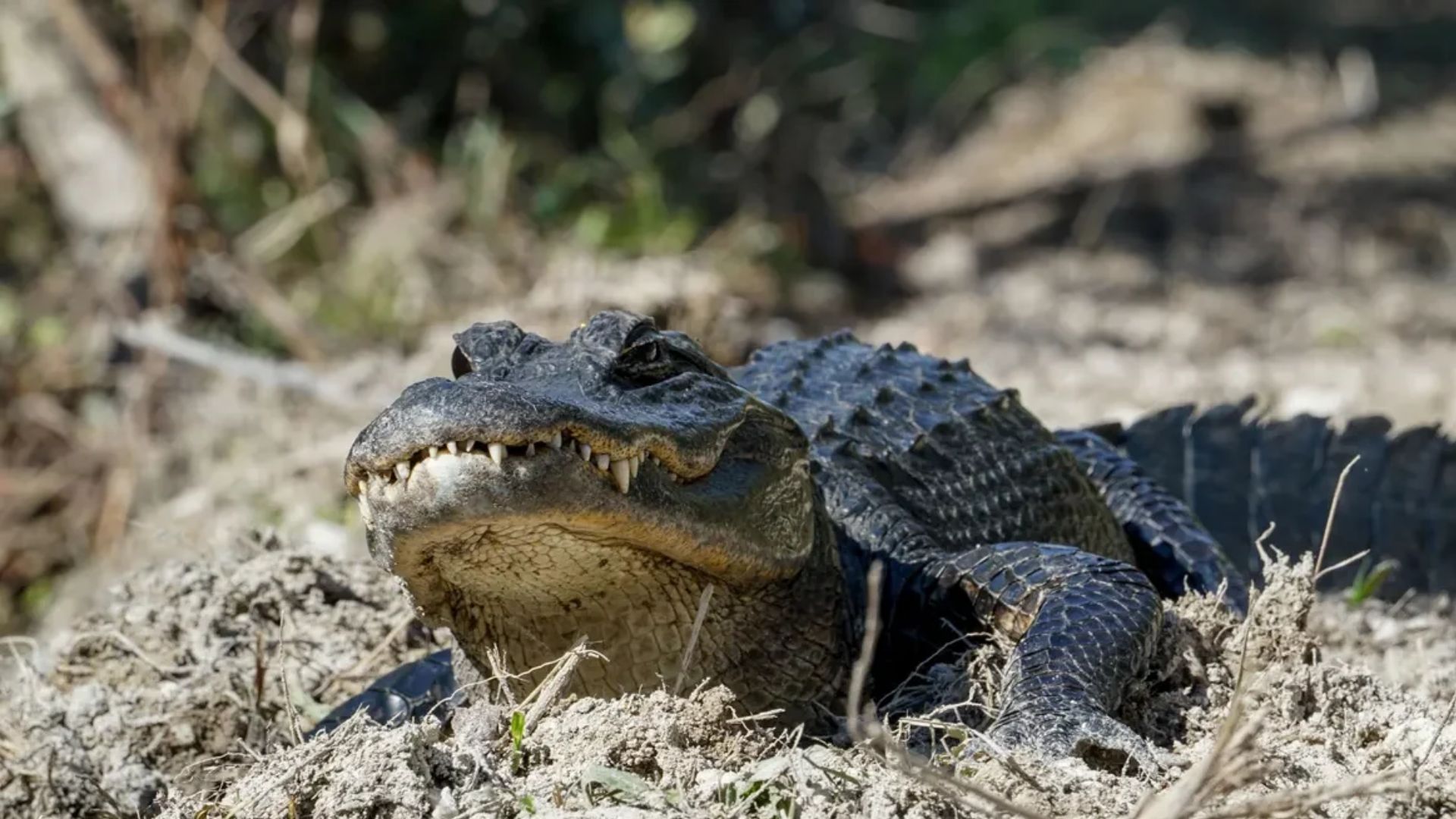
Big Cypress is also a place where caution matters. Water, wildlife and road conditions require attention after sunset. Stay in authorized viewing areas, carry a dependable flashlight with a red setting, and bring insect protection.
You don’t have to go far from the road to experience darkness, and there is no reward for turning a peaceful evening into a risky expedition.
3. Dry Tortugas National Park west of Key West
If distance from mainland lights were a contest, Dry Tortugas would have a persuasive argument. The islands sit about 70 miles west of Key West, surrounded by open water and reached primarily by ferry, private boat or seaplane.
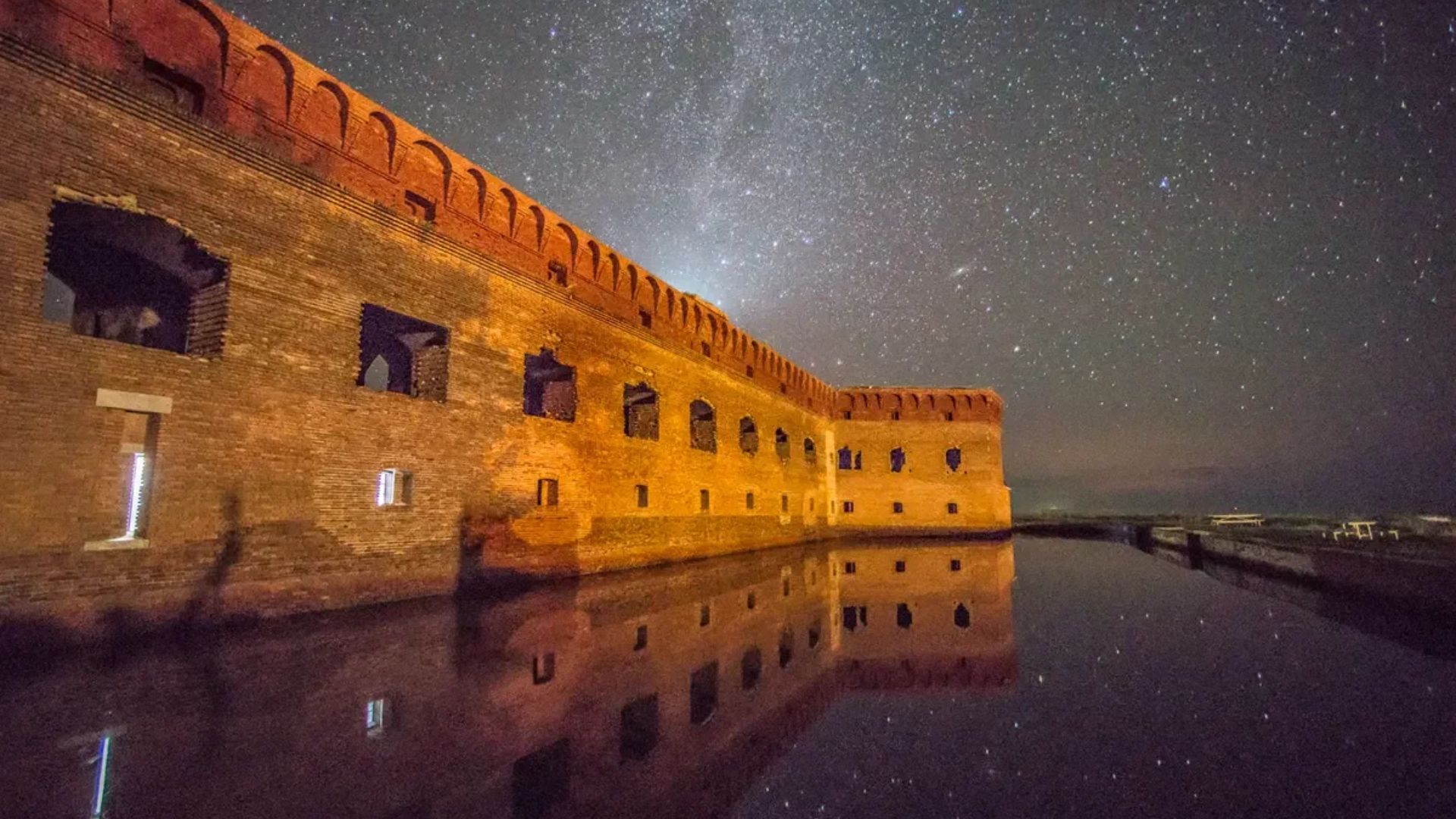
The historic walls of Fort Jefferson may be the daytime attraction, but the night sky is an extraordinary bonus for visitors who manage to stay overnight.
The catch is access. Most travelers come on a day trip and return before dark. To see the stars from the islands, you need to camp or arrive aboard a properly arranged vessel. The National Park Service operates a primitive campground on Garden Key with limited facilities.
Transport for campers is severely restricted, and ferry spaces can fill months in advance.
Read also: Florida springs where the water stays about 72 degrees, even in the middle of winter
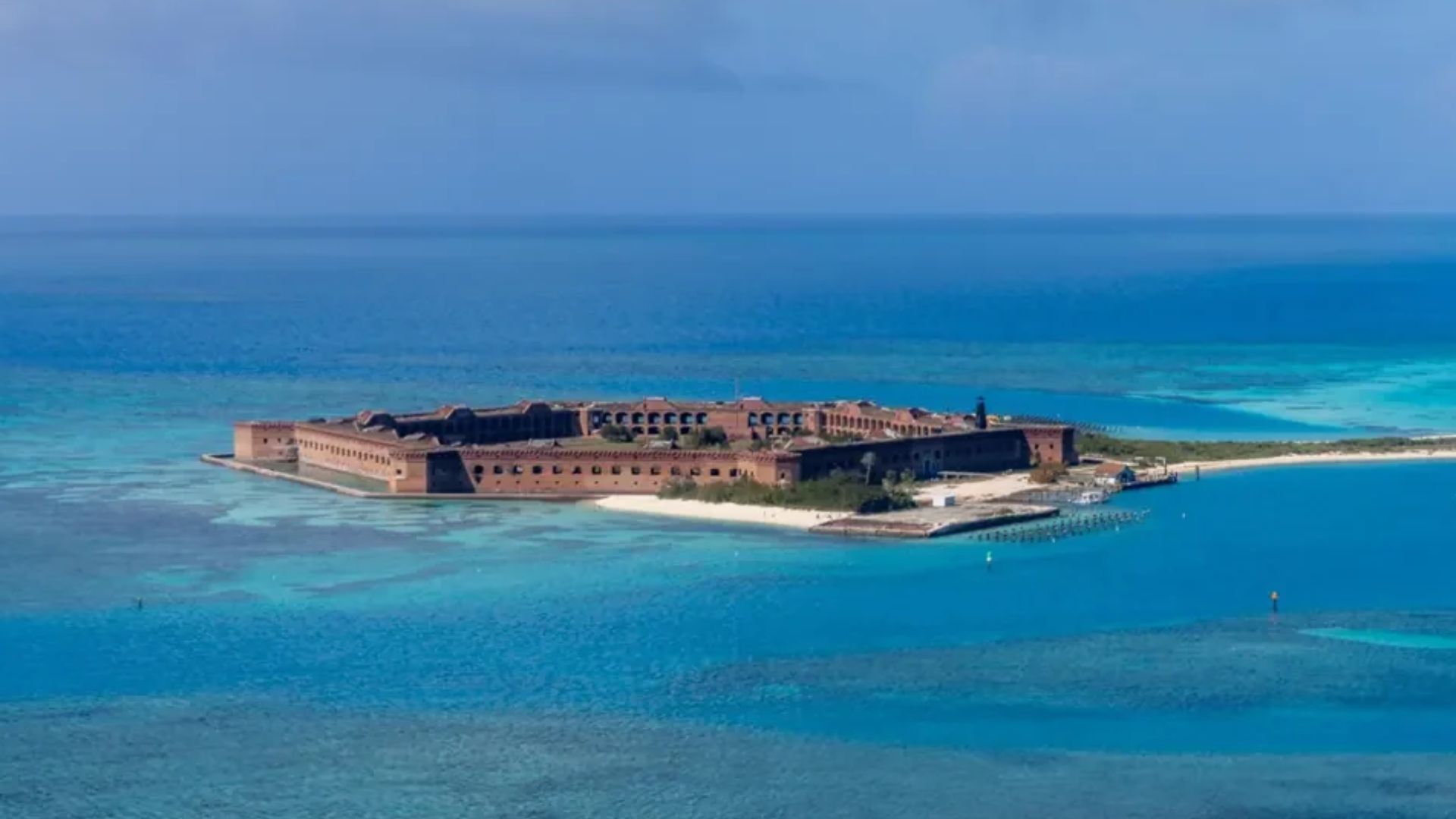
There is no hotel or ordinary restaurant waiting after sunset. Pack drinking water, food, appropriate camping equipment and a plan for dealing with weather. If you’re camping, the fort’s silhouette and the surrounding sea provide a memorable setting, but don’t expect a casual beach night with conveniences a few steps away.
Dry Tortugas is not one of Florida’s two certified Dark Sky Parks. Its appeal is geographical: a remote ocean setting with relatively little artificial illumination. On a clear, moonless night, the difference between here and a city beach is enormous. Reaching that view requires serious advance planning, but the isolation is precisely what makes it special.
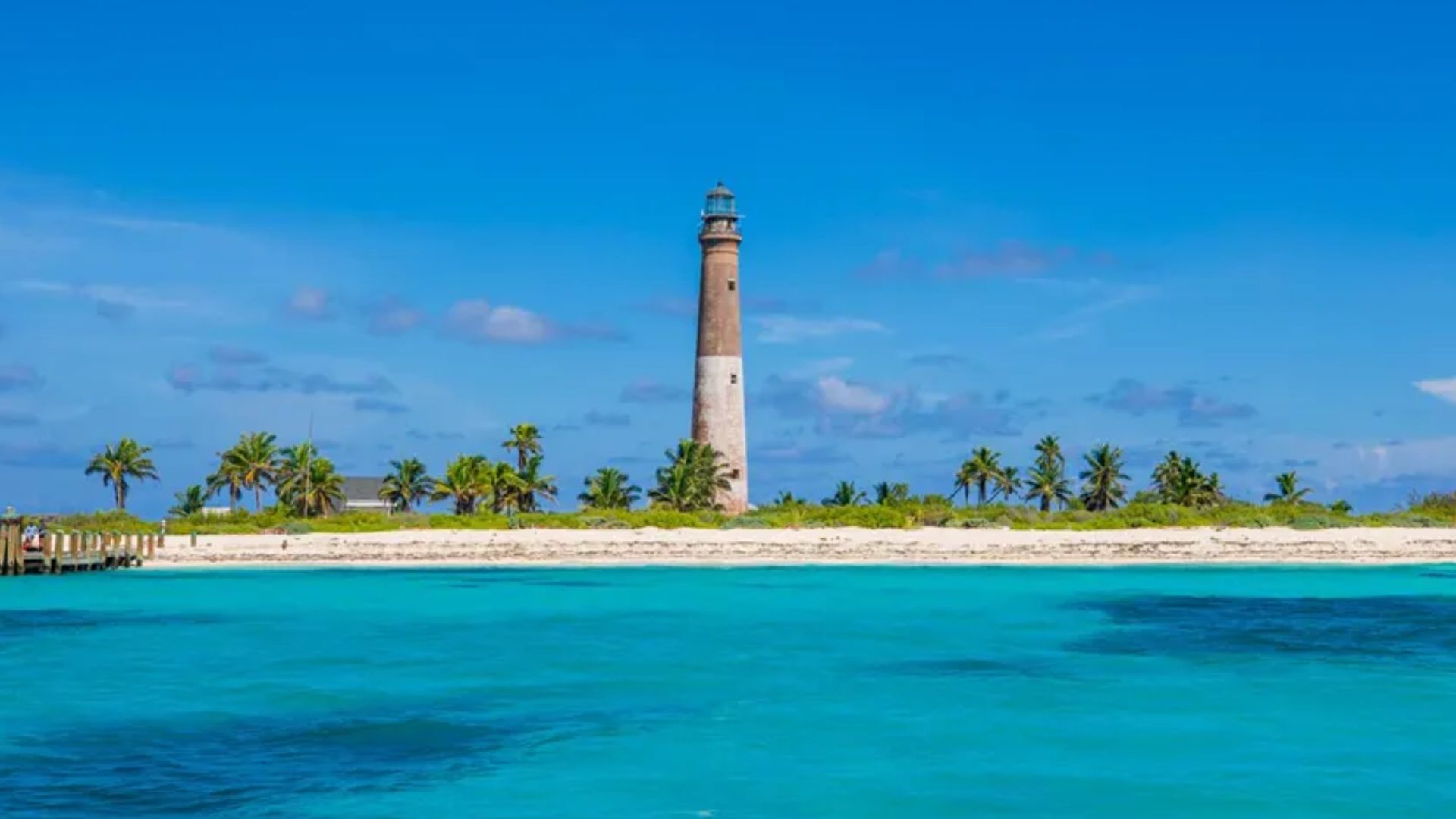
4. Everglades National Park
The Everglades are not one single stargazing spot. They cover a vast and varied landscape, with roads, visitor areas, waterways and campgrounds spread across South Florida. Some locations are easier to access than others, and the sky changes according to which city lights are on the horizon.
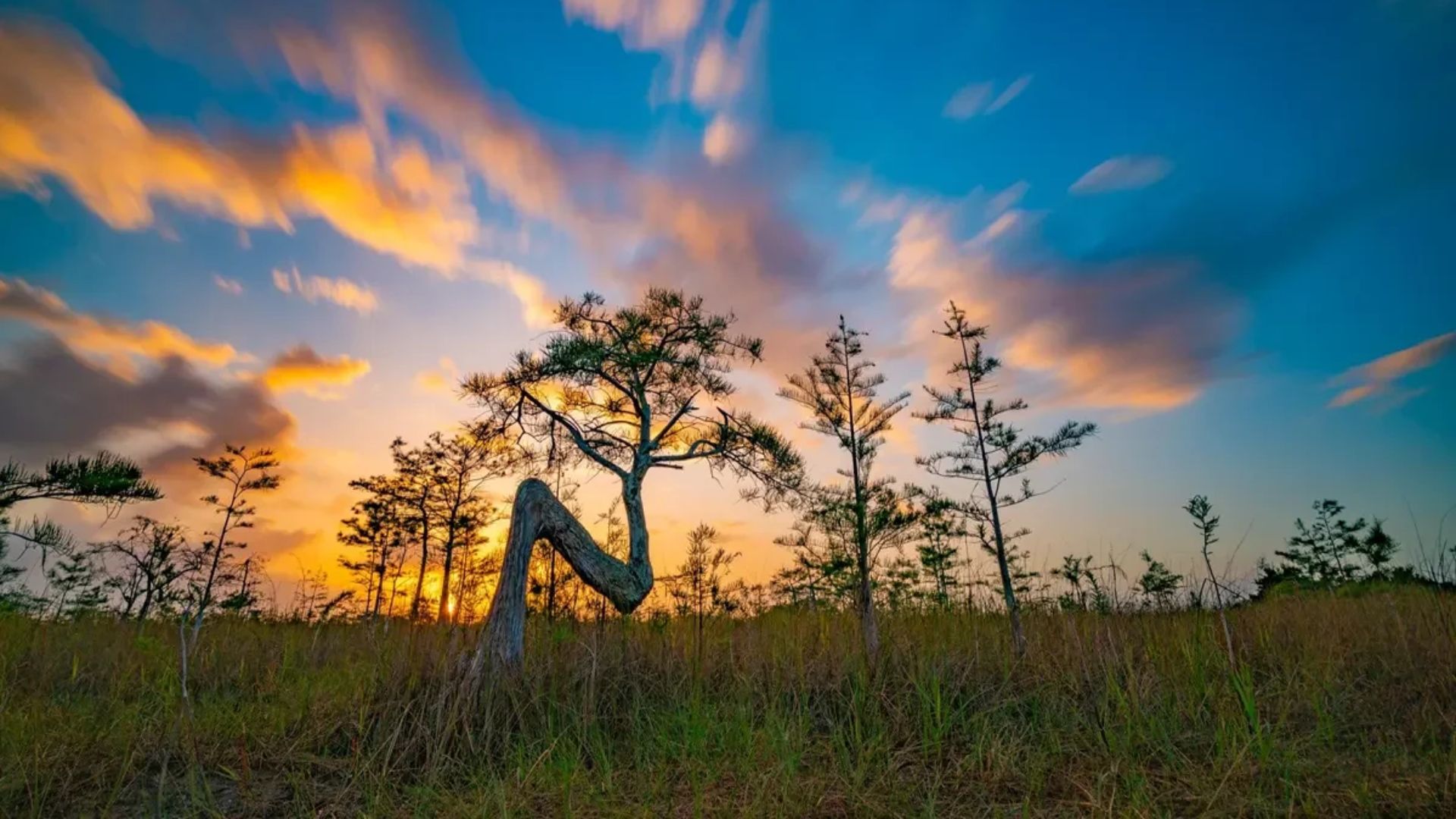
For travelers wanting a practical nighttime outing, the Flamingo area at the southern end of the main park road is often a better choice than a busy entrance near the urban edge. Staying overnight makes the experience more comfortable because there is no need to drive a long, dark route immediately after an extended viewing session.
The landscape itself adds atmosphere. Open coastal water, low vegetation and vast wetlands create enormous horizons. You may hear birds or other wildlife long before you see them. The night can feel alive in ways that a bright resort lawn rarely does.
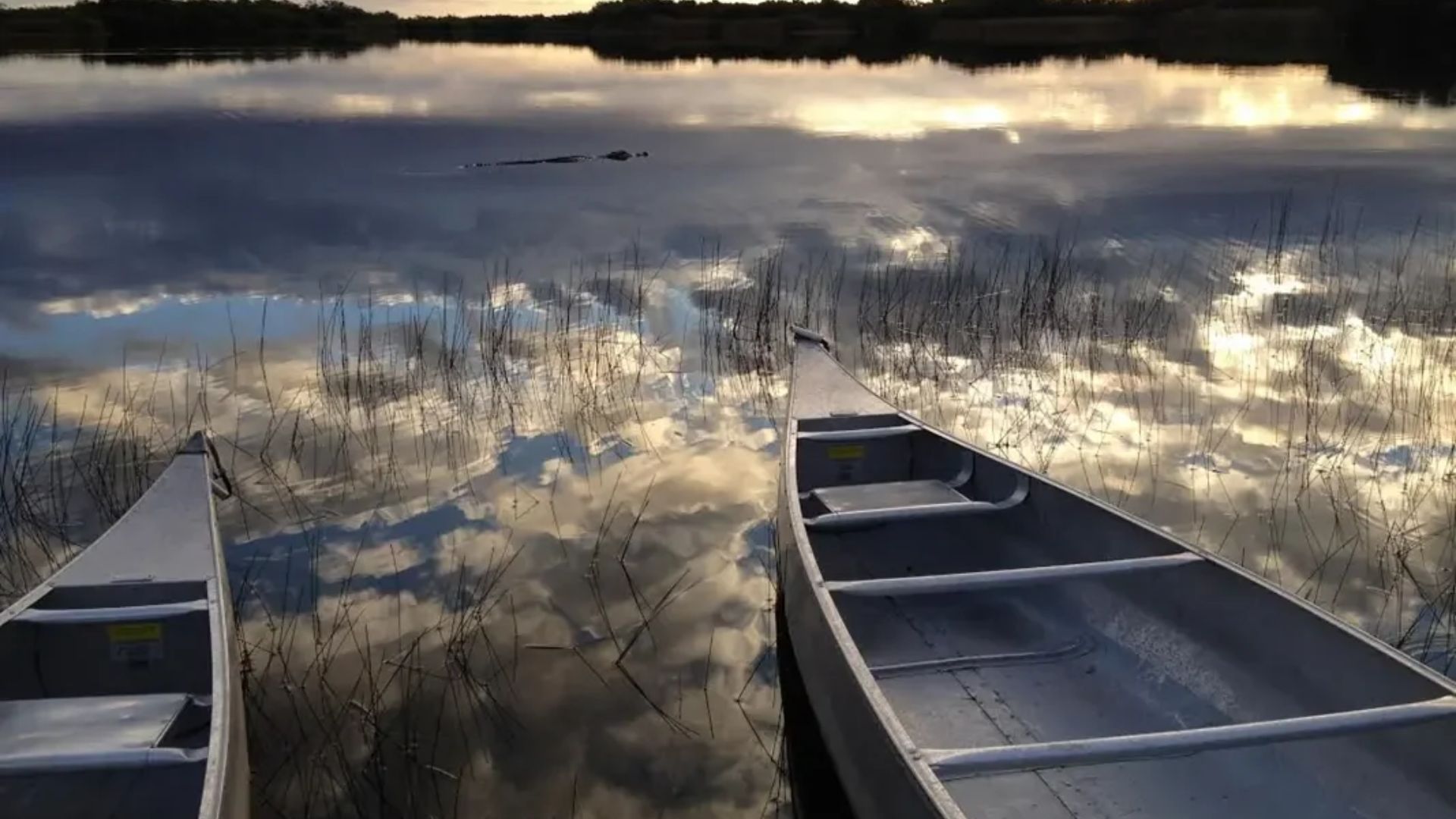
That is a reason to use established observation spaces instead of wandering into unseen terrain.
Check park access, camping rules and weather before planning around darkness. Mosquitoes, sudden showers and seasonal flooding all influence comfort.
The Everglades are worth visiting for many reasons, but an evening spent watching the stars can reveal a different scale of beauty from the one visible on an afternoon boardwalk.
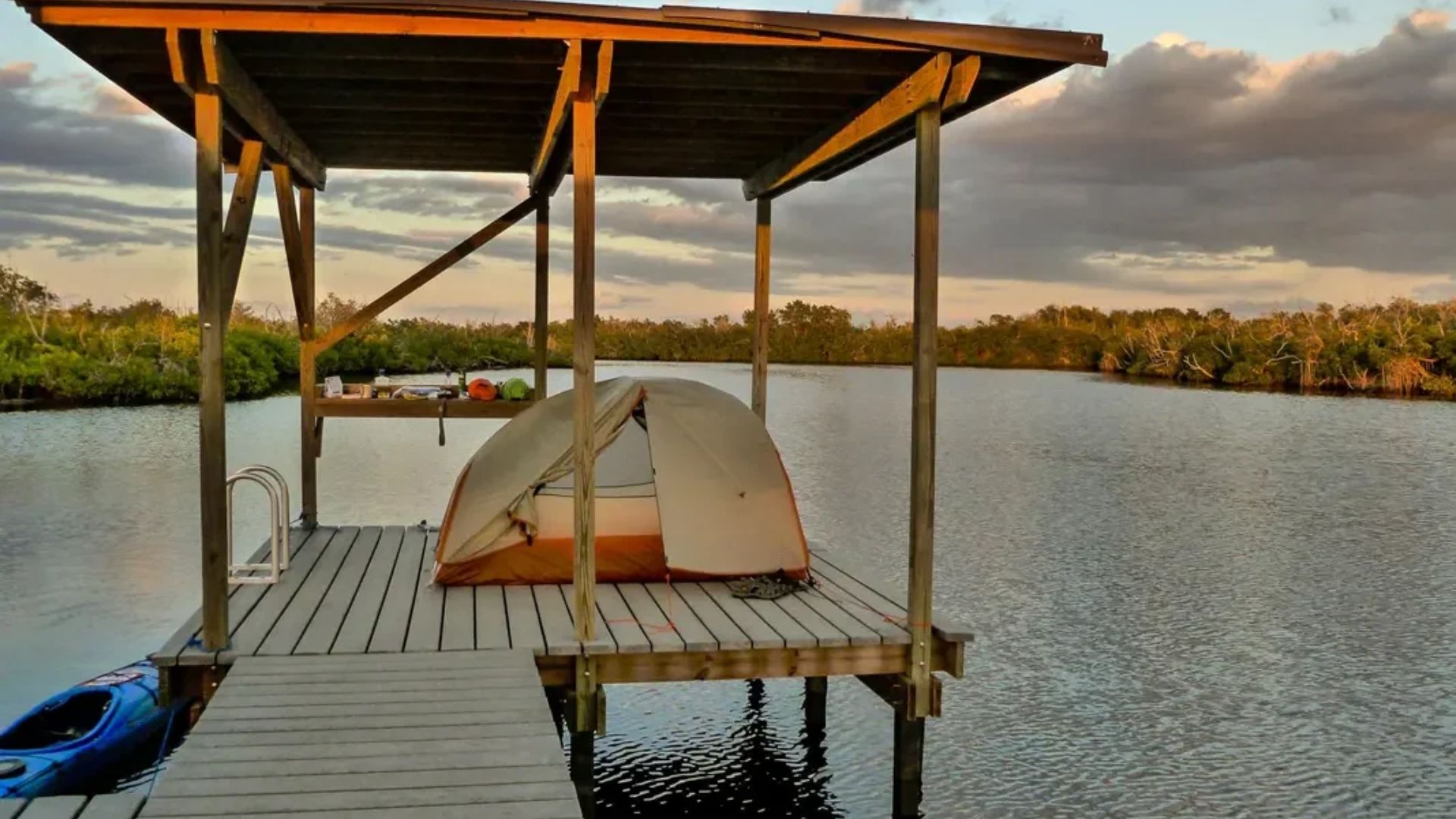
5. Groveland, Florida’s certified Dark Sky Community
Groveland proves that protecting the night isn’t only a job for remote parks. This growing city west of Orlando became Florida’s first certified International Dark Sky Community in 2023.
Its designation is different from a Dark Sky Park: the community has adopted lighting practices and public policies intended to reduce unnecessary light pollution across developed areas.
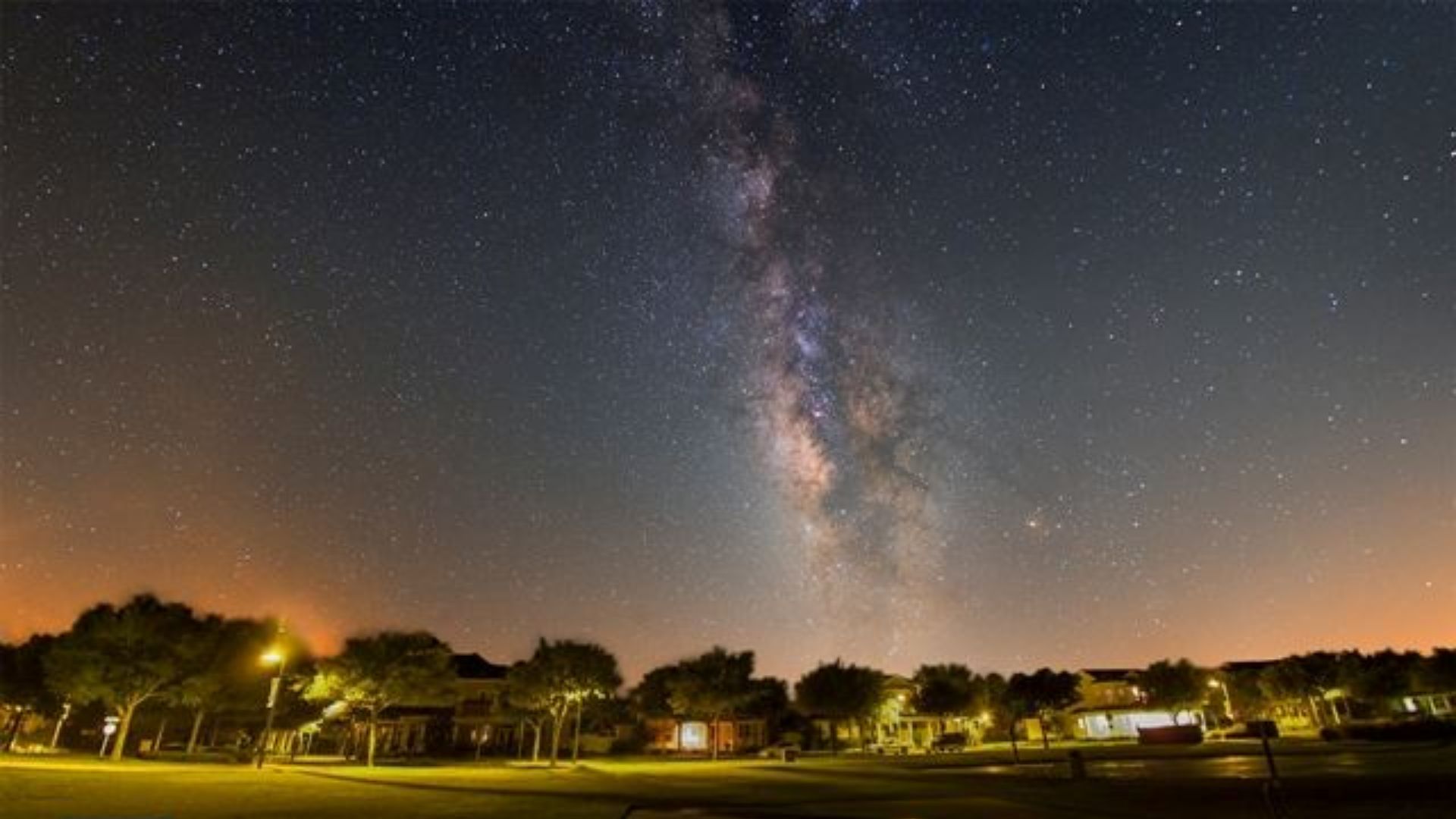
The city began a formal initiative that included public education, night-sky monitoring and a lighting ordinance. That is a meaningful step in Central Florida, where urban expansion can gradually brighten every horizon. It also makes Groveland an interesting place for people who want to understand why lighting design matters to wildlife, energy use and the human experience of night.
Visitors should not expect the entire community to resemble a remote desert observatory. Buildings and roads still need appropriate lighting, and nearby development remains visible. The value here is seeing a town actively trying to preserve a better nighttime environment instead of accepting more glare as inevitable.
Watch for local astronomy events and public star parties, which provide a more dependable visitor experience than picking an unfamiliar roadside pullout. Groveland is a reminder that darkness can be protected by ordinary planning decisions. A shielded light fixture may not sound romantic, but thousands of thoughtful fixtures can make an impressive difference above a city.
6. Chiefland’s astronomy community
Near Chiefland in north-central Florida, amateur astronomers have long valued the area’s comparatively dark rural skies. The Chiefland Astronomy Village is associated with enthusiasts who use dedicated observing equipment and gather for events. It has a reputation among serious sky watchers, but it is not a casual public park where anyone can drive in unannounced.
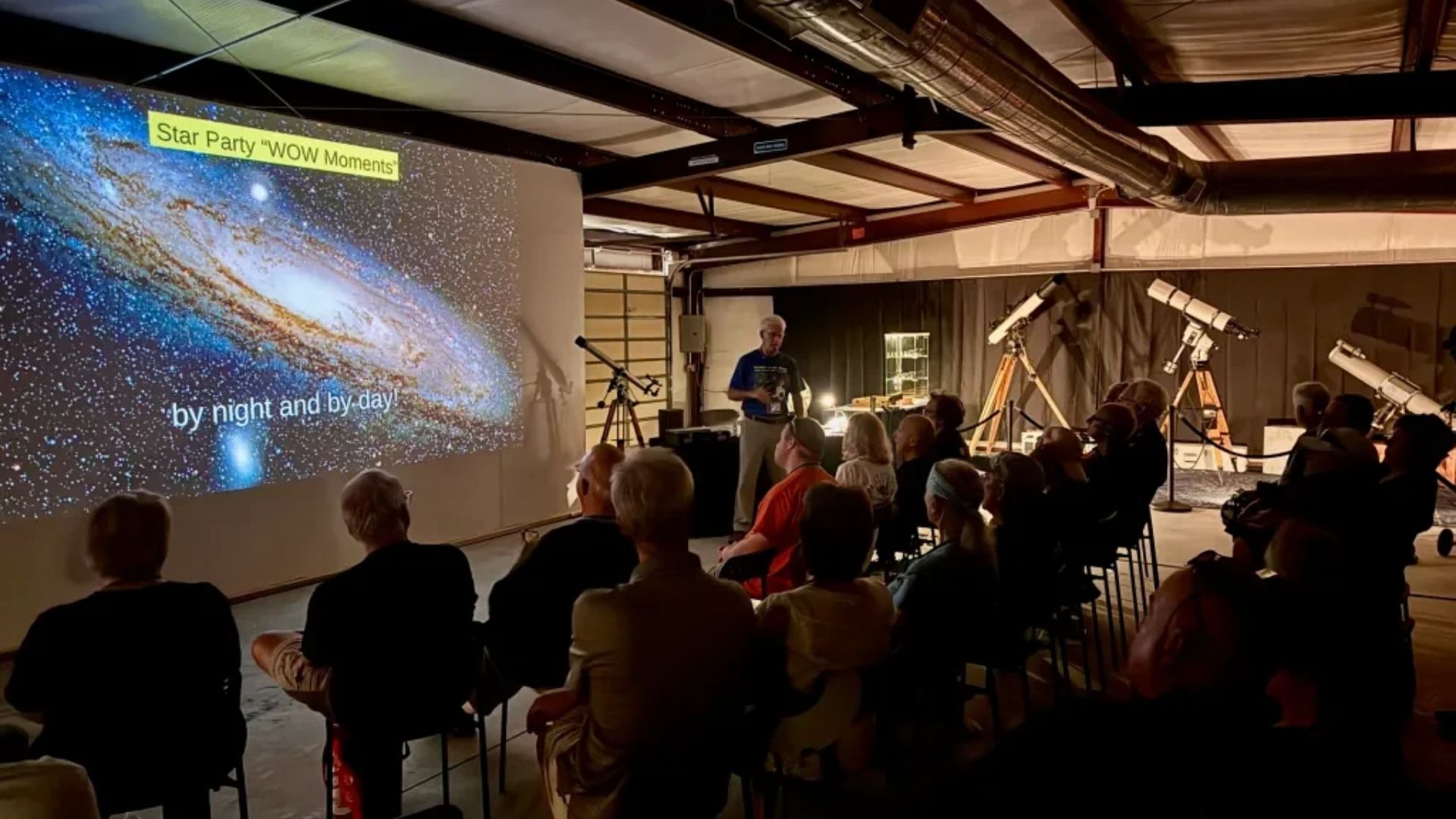
That distinction should shape your plans. Private observing fields and community areas can have membership, guest or event restrictions. If you want to experience a gathering, look for a publicly advertised event and obtain permission before entering. The people using sophisticated instruments are often working carefully and need control over stray lights and movement.
The surrounding region also offers forests, natural springs and quiet rural roads that make a longer trip rewarding. You can explore during the day, then attend an authorized astronomy event if one is scheduled. The rural setting is lovely, but it’s important not to mistake a dark stretch of private land for public recreation space.
For beginners, an organized star party can be especially valuable. Someone with a telescope may be able to explain why a bright star is a planet or how to find a distant cluster. There is no need to arrive knowing the names of dozens of constellations. Curiosity and a willingness to preserve everyone else’s night vision are sufficient starting points.
7. Hopkins Prairie in Ocala National Forest
Hopkins Prairie is appealing because the landscape feels open in a region where dense forest often blocks wide views. The campground sits beside a broad prairie-like wetland in Ocala National Forest, creating an inviting setting for people who enjoy camping and looking toward the sky once the campfire dies down.
It is not an internationally certified Dark Sky Park, but the national forest setting can offer darker conditions than nearby developed towns. Reserve a legal campsite, review any fire restrictions and be thoughtful with lights. A bright lantern may be useful for cooking, but it can ruin the view for the neighboring campers who came to see stars.
This is a rustic outing rather than a resort stay. Bring food, water and the equipment appropriate to the campsite’s facilities. Check current campground operations with the Forest Service or its recreation booking system before setting out. Weather and seasonal conditions can affect access, especially around low-lying areas.
Hopkins Prairie also reminds visitors that darkness is not simply the absence of buildings. Open sky matters. In a forest, the clearest view might be a short walk from the tent to a legal open area rather than directly beneath the branches. Keep to marked routes and remember that wildlife moves after sundown.
The moon matters more than the telescope
A brilliant moon can make an otherwise perfect dark-sky park look surprisingly ordinary. For the strongest Milky Way views, plan a visit near a new moon, when the moon is not flooding the sky with light. Clear weather and low humidity matter too. A moonless night under heavy cloud cover offers less than a slightly imperfect night with open sky.
Use an astronomy app or sky chart to learn which part of the Milky Way is seasonally visible. In Florida, summer skies are particularly rewarding for the bright galactic center, while winter emphasizes different constellations and deep-sky objects. There is no single month when every type of sight is equally prominent.
Turn your phone screen down and use a red-light setting. Give your eyes time to adapt and resist checking bright notifications every few minutes. Bring a chair, water, insect repellent and a warm layer even if the daytime forecast was pleasant. Far from artificial lighting, a little preparation can transform a quiet hour into one of the most memorable parts of a trip.
Above all, respect access rules. Kissimmee Prairie requires arrangements for after-hours entry; some private observing sites require invitations; national parks and campgrounds have their own restrictions. Good stargazing means finding the right place legally and safely, not simply seeking the darkest-looking road.
Florida’s crowded coastlines may be the postcards everyone recognizes. Yet the state also contains broad prairies, cypress wilderness, open sea and communities learning to protect the sky overhead. On the right night, those places show you something no souvenir shop can sell: an enormous, quiet view that has been there all along, waiting for the lights to fade.