
Ex-GOP tuned Democratic nominee for Florida governor branded as chameleon and recycled politician for wild party-switching history
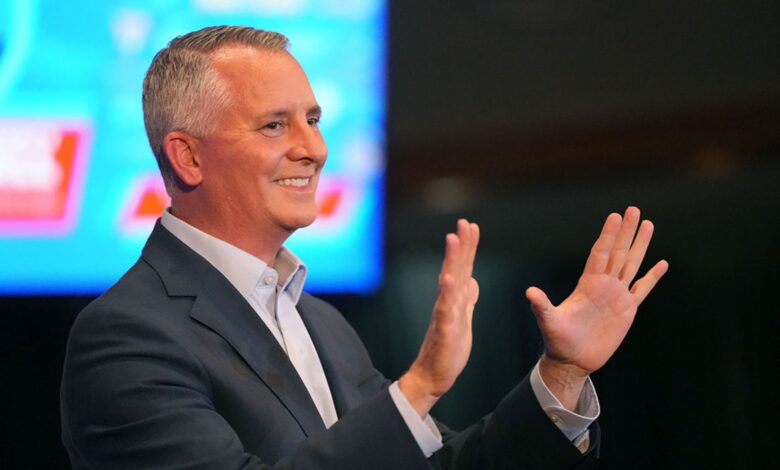
Florida – Florida’s 2026 race for governor is already turning sharp, and the latest target of Republican criticism is David Jolly, a former GOP congressman now running as a Democrat in a state that has moved firmly to the right.
The Republican Party of Florida went after the Democratic ticket, releasing a statement that branded Jolly as a “political chameleon” and framed his campaign as another attempt by Democrats to recycle old names in a state where Republicans have dominated recent elections.
The attack came after reports that Jolly planned to name former U.S. Rep. Gwen Graham as his running mate, a move Republicans quickly used to argue that Florida Democrats had no fresh direction.
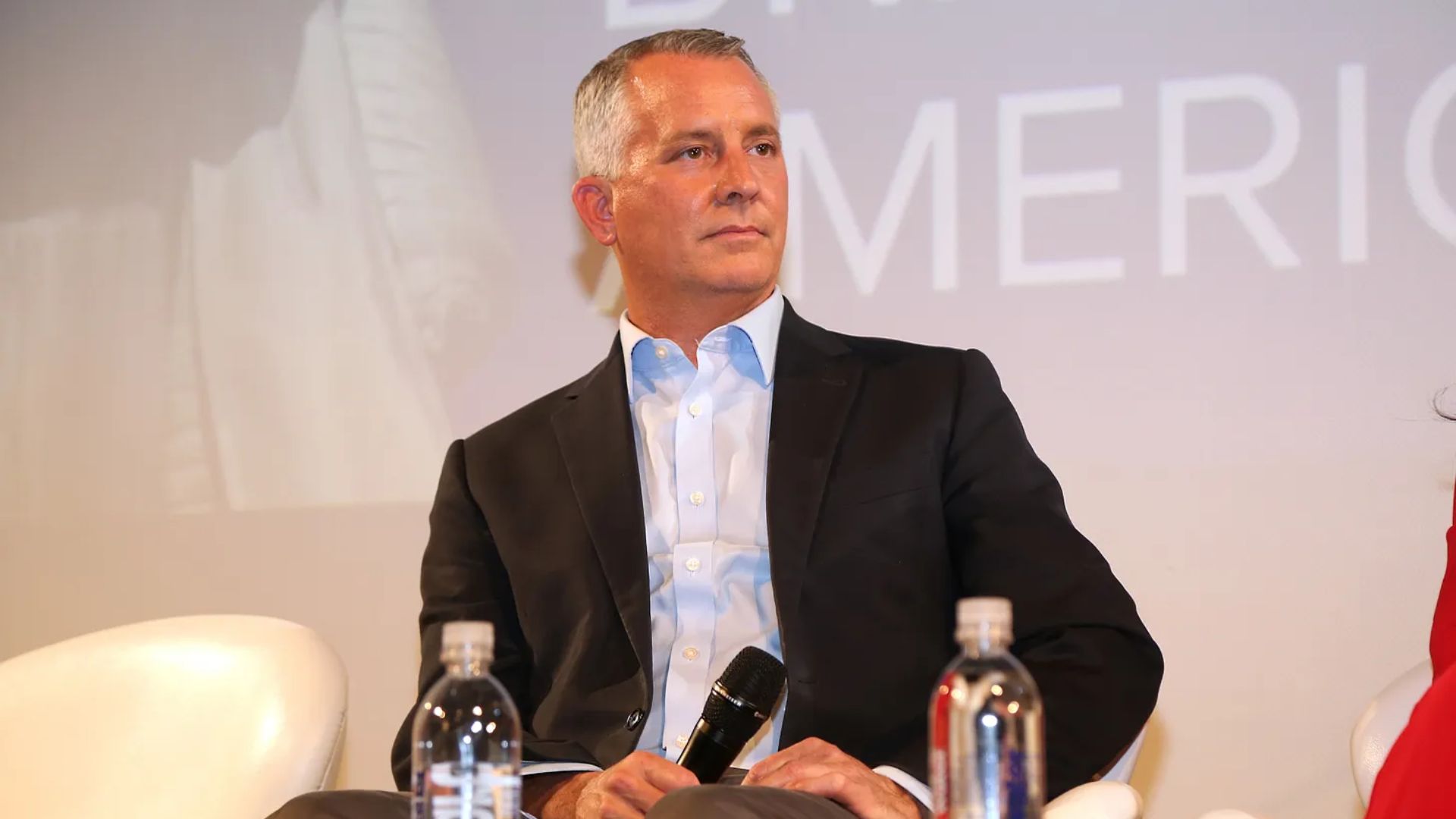
Jolly’s story gives the GOP plenty of material for that line of attack. He first won a special election in 2014 as a Republican in Florida’s 13th Congressional District, filling the seat once held by longtime Rep. C.W. Bill Young.
Two years later, he lost to Charlie Crist, another politician known for leaving the Republican Party and later running as a Democrat.
After his time in Congress, Jolly became an open critic of Donald Trump and the direction of the Republican Party. He left the GOP in 2018, registered as an Independent, later became tied to the Forward Party, and built a national profile as a political commentator, including frequent appearances on MSNBC.
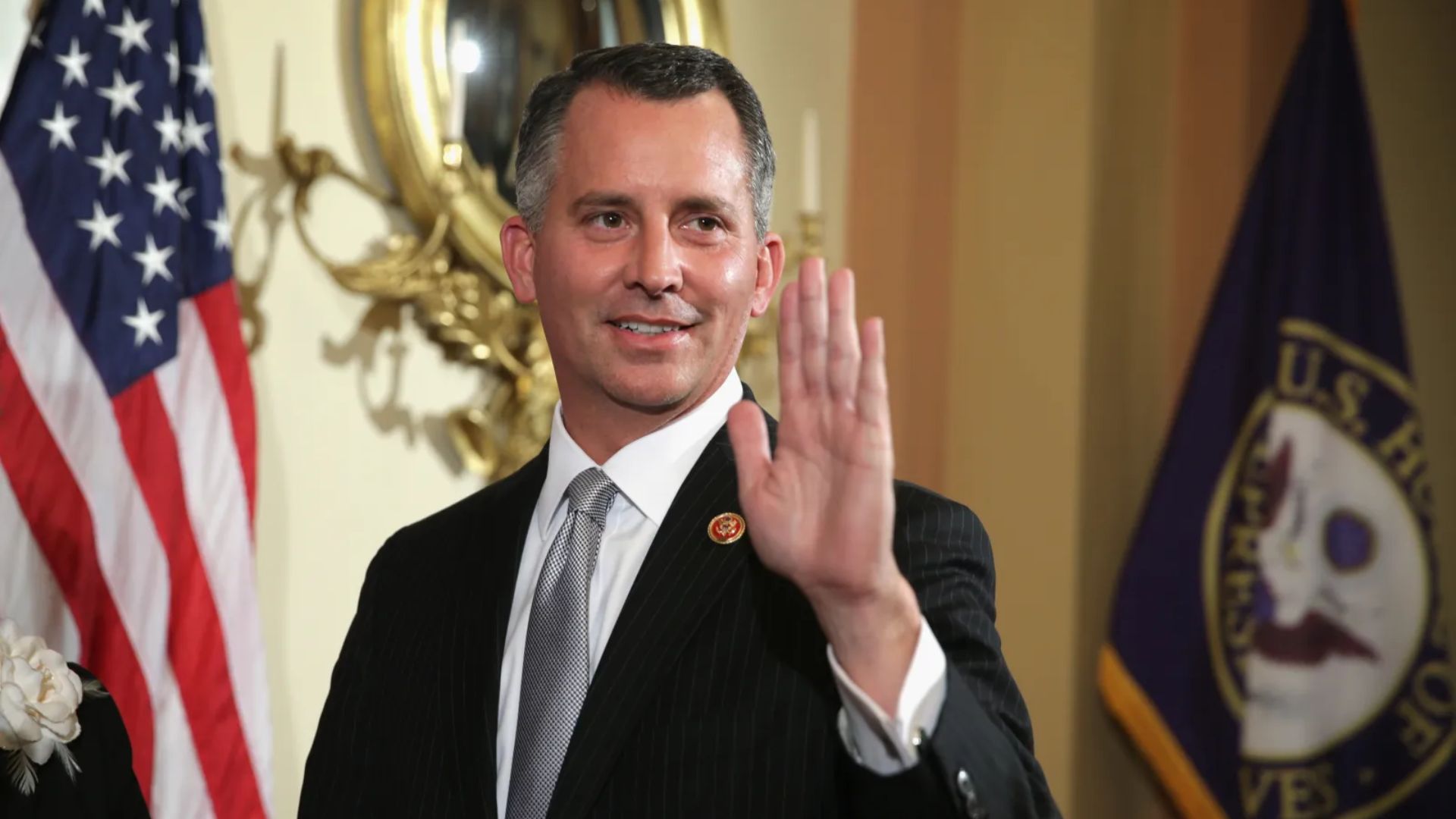
In April 2025, he registered as a Democrat. By June 2025, he was running for Florida governor under the Democratic banner. Axios reported at the time that Jolly was launching the campaign as a Democrat while hoping to reverse Florida’s move from a purple battleground into a heavily Republican state.
That political journey now sits at the center of the Republican message against him.
Florida GOP officials argue that Jolly has changed parties, positions, and political identities whenever it suited his ambitions. In its June 8 article, the party described the Jolly-Graham ticket as a symbol of “recycled politicians, recycled ideas, and a recycled agenda,” while saying Jolly had reinvented himself from a Republican congressman into what the party called an “MSNBC Democrat.”
Florida GOP Chairman Evan Power made the criticism even more direct.
“The Chameleon and the Nepo Baby are the perfect representatives of today’s Florida Democratic Party,” Power said.
“David Jolly has spent years changing his beliefs whenever it benefits his political career, while Gwen Graham abandoned the North Florida values she once claimed to represent and went to work advancing Joe Biden’s radical education agenda in Washington. Floridians don’t want higher taxes, government overreach, or the failed policies that have devastated blue states. They want the freedom, prosperity, and common-sense leadership that Republicans have delivered.”
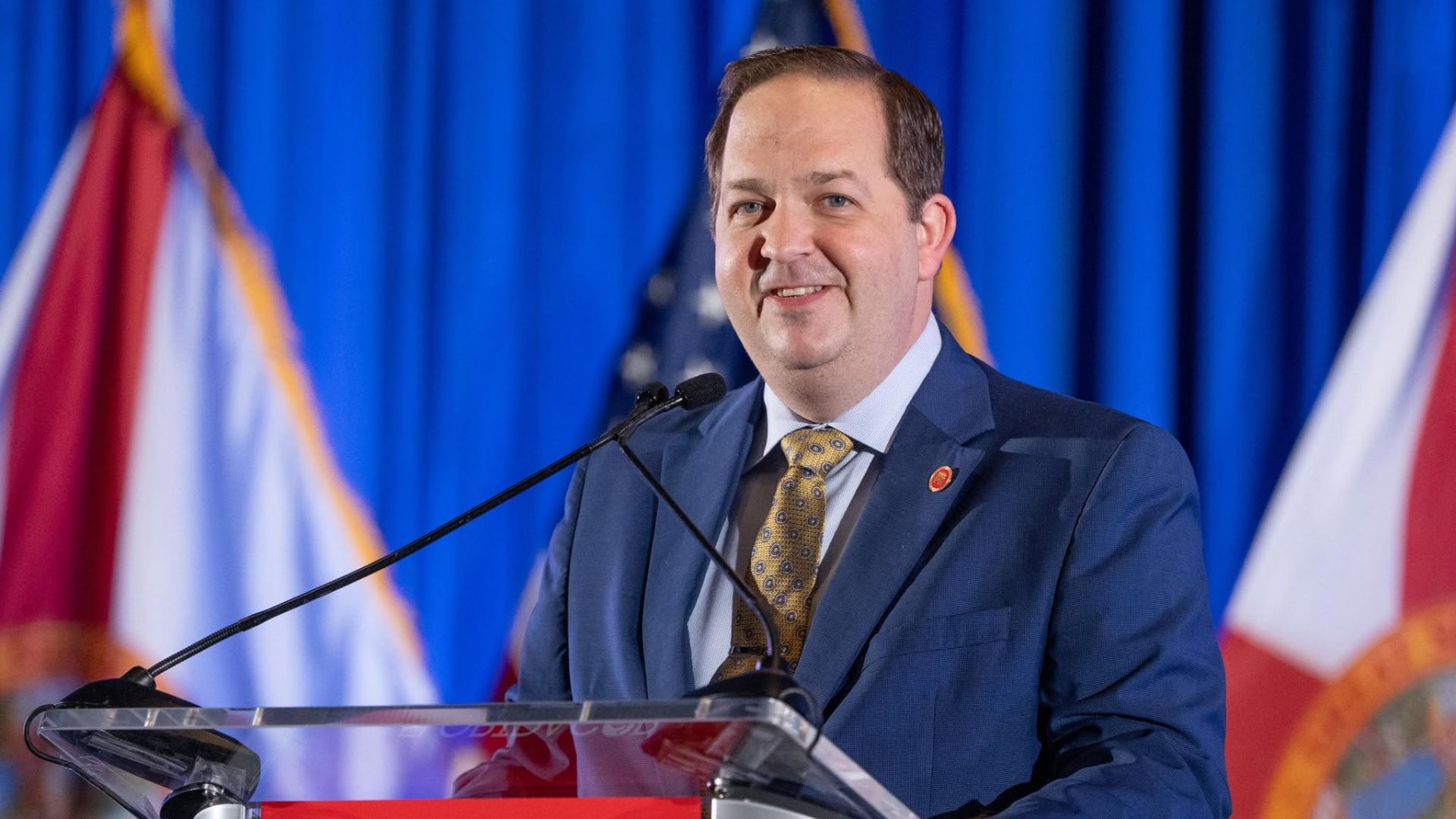
Graham’s place on the ticket added another layer to the fight. She is the daughter of former Florida governor and U.S. senator Bob Graham, and Axios reported that her selection was seen as a way to help Jolly appeal to moderate voters in what is expected to be a difficult race for Democrats.
Graham and Jolly also served together in Congress from 2015 to 2017, and Graham previously ran for governor in 2018.
Republicans, however, are casting that history in a far less flattering light.
Their argument is not only that Jolly has shifted political labels, but that Democrats are reaching backward instead of building forward. GOP voices have described him as a “flip flopping political relic” and a slick opportunist, while online critics have compared him to a cheaper version of Crist, whose own party-switching path ended with a landslide loss to Gov. Ron DeSantis in 2022.
The timing matters. DeSantis, who narrowly won his first term in 2018 and then won re-election by a commanding margin in 2022, is term-limited and cannot seek another term in 2026.
During his years in office, Florida Republicans expanded their grip on state government, secured supermajorities in the Legislature, and turned a former battleground into one of the GOP’s most important strongholds.
That is the political map Jolly must now try to cross.
U.S. Rep. Byron Donalds, backed by President Donald Trump, has emerged as a major Republican contender. A Florida Chamber of Commerce poll released in May showed Donalds leading Jolly by 8 points in a hypothetical general-election matchup, while Republicans held a 7-point edge on the generic ballot among likely Florida voters.
Other polling has shown the race closer, and Jolly’s campaign has tried to present his Republican past as a strength rather than a weakness.
His pitch is that Democrats must bring in independents and what he has called “common sense Republicans” to compete again statewide. But Republicans are betting that voters will see that same biography as a warning sign, not a bridge.
For now, the fight has opened with a clear GOP strategy: define Jolly early, tie him to party-switching and Washington politics, and frame the Democratic ticket as stale before it can introduce itself on its own terms.
As the 2026 campaign begins to heat up, the “chameleon” label is no longer just a nickname. It is becoming one of the first major attack lines in the battle to decide who leads Florida after DeSantis.


