
Florida Democrats see signs of a coming “blue wave,” but skeptical voters say “Texas will turn blue before Florida does”
Florida – Florida Democrats are once again talking about the possibility of a political comeback, arguing that the state’s long Republican winning streak may finally be showing signs of weakening. Encouraged by recent polling, shifting voter attitudes, and a handful of local victories, some party leaders believe the 2026 election cycle could become a turning point. Yet outside Democratic circles, many Floridians remain deeply doubtful that such a transformation is anywhere close.
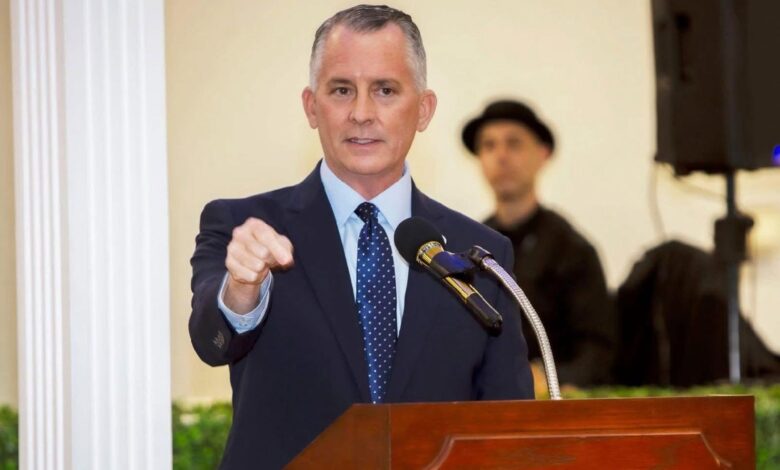
Former Republican-turned-Democrat David Jolly, who is running for governor, has spoken optimistically about a coming “blue wave” in Florida. His confidence reflects growing belief among Democratic strategists that changing political conditions could give the party an opportunity to compete in a state that has steadily moved toward Republicans over the past decade.
Their optimism is fueled by several developments. President Donald Trump’s approval ratings have softened compared with earlier in the year, Democrats have celebrated victories in several important local races—including the Miami mayoral contest—and some polling has suggested Democratic candidates could be more competitive than expected.
Texas Democratic Senate candidate James Talarico has also posted encouraging polling numbers, adding to broader conversations among Democrats that traditionally Republican states may not be as out of reach as they once appeared.
Optimism meets widespread skepticism
Despite that hopeful message from party leaders, many Florida residents appear unconvinced that the state is on the verge of becoming politically competitive again.
Republicans have captured each of the last seven gubernatorial elections in Florida. The last Democrat to win the governor’s office was Lawton Chiles, who secured reelection in 1994. Since then, the state’s political landscape has steadily shifted toward the GOP, particularly during Gov. Ron DeSantis’ tenure.
That reality was reflected in a lengthy discussion among Florida residents on social media, where many argued that recent political trends point in the opposite direction from the one Democratic leaders envision.
One commenter wrote, “Florida is turning more Red by the day. It was a conscious effort by the DeSantis admin to court conservatives from liberal states to flood the voter rolls with republicans.”
Comment
by
u/PaulOshanter from discussionin
florida
Another user argued that the state’s political transformation accelerated during the COVID-19 pandemic. “Florida had been purple (leaning red) for a long while, but then COVID came along, and DeSantis took the opportunity to make Florida a full-blown red state. It’s the biggest consequence of COVID that many people don’t talk about.”
Comment
by
u/PaulOshanter from discussionin
florida
Perhaps the most striking reaction came from another Floridian who dismissed the idea of an imminent Democratic comeback altogether, writing simply: “Texas will turn blue before Florida does.”
Comment
by
u/PaulOshanter from discussionin
florida
Frustration aimed at Florida Democrats
Not every skeptical comment focused on Republicans. Several residents argued that Florida Democrats themselves bear much of the responsibility for the party’s long struggles.
One commenter offered an especially blunt assessment. “The FL Dems are working overtime to make sure nothing like this ever happens. Even if the right wasn’t trying FL Dems would still lose because there’s no more useless group of people on earth.”
Comment
by
u/PaulOshanter from discussionin
florida
That criticism reflects a frustration shared by some Democratic voters who believe organizational problems, messaging challenges, and repeated electoral losses have weakened the party’s ability to compete statewide.
Still, not every Floridian shared such a pessimistic outlook.
One resident pointed to Florida’s earlier political history while expressing confidence that another shift could eventually happen. “As a 4th-generation Floridian, we used to be a blue state. And I do believe we are headed back in that direction. It might take a little longer, but it’s going to happen. Florida being blue when I was growing up was a much better experience than it is right now.”
Comment
by
u/PaulOshanter from discussionin
florida
Those competing opinions illustrate the larger debate surrounding Florida’s political future. Democratic leaders believe recent developments—including softer support for Trump and encouraging local election results—could open doors that have remained closed for decades. Republicans, meanwhile, continue to point to years of statewide victories and expanding voter registration advantages as evidence that Florida has become reliably red.
For now, the evidence remains mixed. Democrats are attempting to build momentum ahead of the next election cycle, while many voters remain skeptical that the state’s political direction is about to change.
Whether Democratic optimism proves justified or whether Florida’s Republican dominance continues will ultimately be decided by voters in the coming elections. Until then, the debate over whether a true “blue wave” is approaching—or remains little more than wishful thinking—is likely to continue.


