Florida gubernatorial frontrunner Byron Donalds ignites controversy after vowing to pursue property tax overhaul regardless of November vote outcome
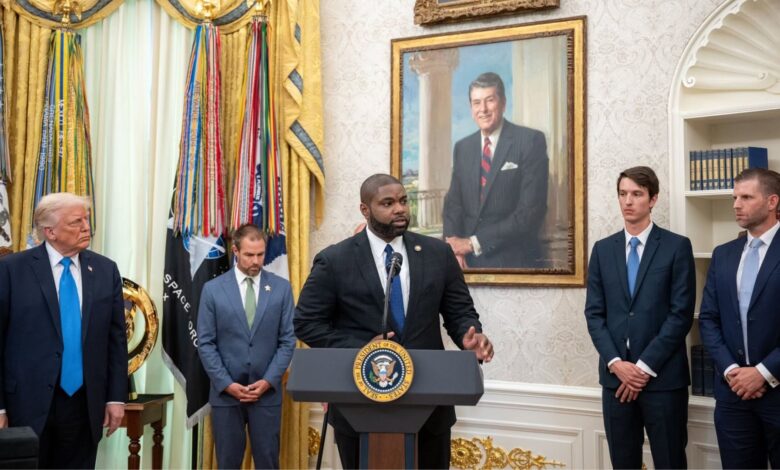
Florida – Florida gubernatorial candidate Byron Donalds is facing growing criticism after signaling that he intends to continue pursuing major property tax changes even if voters reject a related constitutional amendment this November.
Donalds, a Republican congressman widely viewed as the leading candidate in the race for governor, has made property tax relief a central part of his message to voters. He has argued that homeowners need relief from rising costs and has expressed support for a proposed amendment that would expand homestead exemptions for Florida residents.
However, his recent comments have triggered a heated reaction among some Floridians, particularly after he suggested that a defeat at the ballot box would not necessarily end the effort.
According to reports, Donalds said that if voters do not approve the amendment in November, he would continue working toward similar reforms if he becomes governor. His plan includes using Florida’s Tax and Budget Commission to examine taxes and fees across the state with the goal of reducing or potentially eliminating homestead property taxes.
The proposal has quickly become one of the most debated issues in Florida politics as residents weigh the potential benefits against concerns about how local governments would make up for lost revenue.
Debate grows over tax proposal
The amendment scheduled to appear before voters this fall, known as HJR 1-F, would significantly increase homestead exemptions if approved. Under the proposal, exemptions would rise to $150,000 in 2027 and then increase again to $250,000 in 2028.
Supporters believe the measure would provide meaningful relief to homeowners struggling with increasing expenses. For many Florida residents, property taxes have become a growing concern as housing costs continue to climb across the state.
Donalds has presented the issue as part of a broader effort to make Florida more affordable. Alongside tax reform, he has also pointed to housing costs as one of the state’s biggest challenges.
The congressman argued that government rules and permitting requirements are driving up the price of new homes. Speaking about the issue, he said, “Because thirty percent of the cost of a new home is government permitting costs. We got to shrink that number down, so that people can build homes affordably in Florida, so they can chase the Florida dream for themselves, the way I was able to chase it my life.”
His comments reflect a larger campaign message focused on reducing government costs and making homeownership more attainable.
Critics accuse Donalds of disregarding voters
While the proposal has supporters, many critics have focused less on the tax policy itself and more on Donalds’ suggestion that he would continue pursuing it even if voters reject it.
The remarks sparked strong reactions online, particularly among users discussing the issue.
One critic wrote, “So Donalds will push for this scheme even if citizens vote against it? That’s Republican democracy in a nutshell.”
Another commenter expressed a similar concern, writing, “In other words, he doesn’t care what the people decide.”
Political messaging also became a target of criticism. One commenter mocked campaign advertisements, saying, “His campaign ads say he’ll stand up to radical democrats and their wasteful spending. What a laugh, democrats haven’t made decisions in Florida in 30 years.”
The backlash highlights how emotionally charged the issue has become, with opponents arguing that voters should have the final say on such a significant policy change.
A battle that is far from settled
Despite the controversy, the future of the amendment remains uncertain.
For HJR 1-F to become law, it must receive support from at least 60 percent of voters statewide. Reaching that threshold is often difficult, meaning the measure still faces a challenging path even before election day arrives.
Meanwhile, opponents are already organizing efforts to defeat the proposal. Some critics are urging voters to become more involved in the debate and participate in the election.
One person involved in the online discussion wrote, “We have to get out and vote. We can’t keep letting the children have the keys to the car.”
The dispute is likely to remain a major topic in Florida politics as the gubernatorial race continues. Donalds’ endorsement from President Donald Trump has strengthened his position among Republican voters, but the growing backlash shows that his property tax plans are far from universally accepted.
As November approaches, voters will not only decide the fate of the amendment itself but may also shape the political debate surrounding taxes, housing affordability, and the role government should play in addressing Florida’s rising cost of living. Whether the proposal succeeds or fails, Donalds has made clear that he intends to keep the issue at the center of his agenda, ensuring that the fight over property taxes is unlikely to disappear anytime soon.