
Gov. Ron DeSantis accuses Republican Party of “engineering” an outcome, party hierarchy serving outside interests
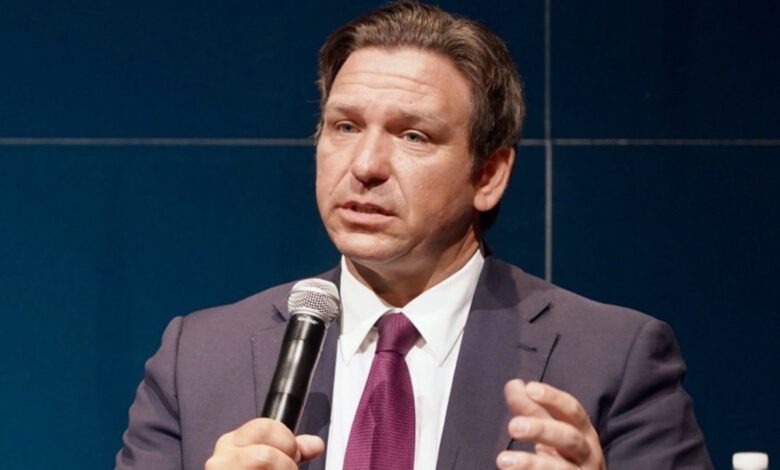
Florida – Florida’s race for governor was already leaning toward a familiar Republican storyline: a dominant front-runner, several underdogs trying to break through, and a primary that may decide the state’s next chief executive long before November.
Then Gov. Ron DeSantis stepped in, and the debate over the debate became the campaign’s loudest fight.
DeSantis, who cannot seek another term because of term limits, sharply criticized the Republican Party of Florida after the party set high standards that only U.S. Rep. Byron Donalds appears to meet for a sanctioned gubernatorial debate.
Donalds, backed by President Donald Trump and leading the GOP field in fundraising and polling, has been positioned as the clear favorite. But the party’s debate criteria have now given his rivals a new opening: not on policy, but on process.
The rules require candidates to hit what has been described as a “10/10/10” threshold: at least 10 percent support in RPOF polling or other credible public polls, more than $10 million raised, and more than 10,000 donors.
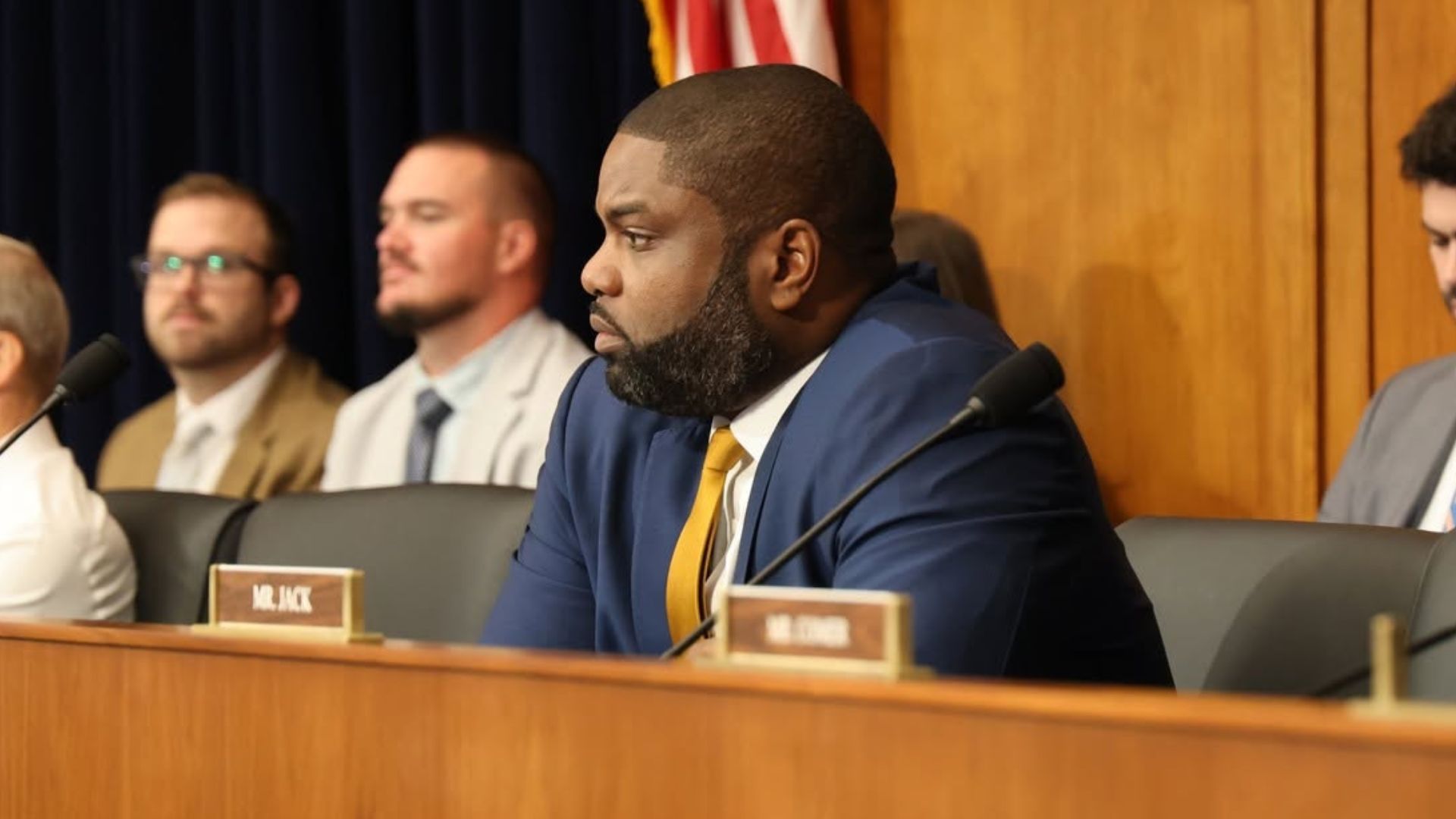
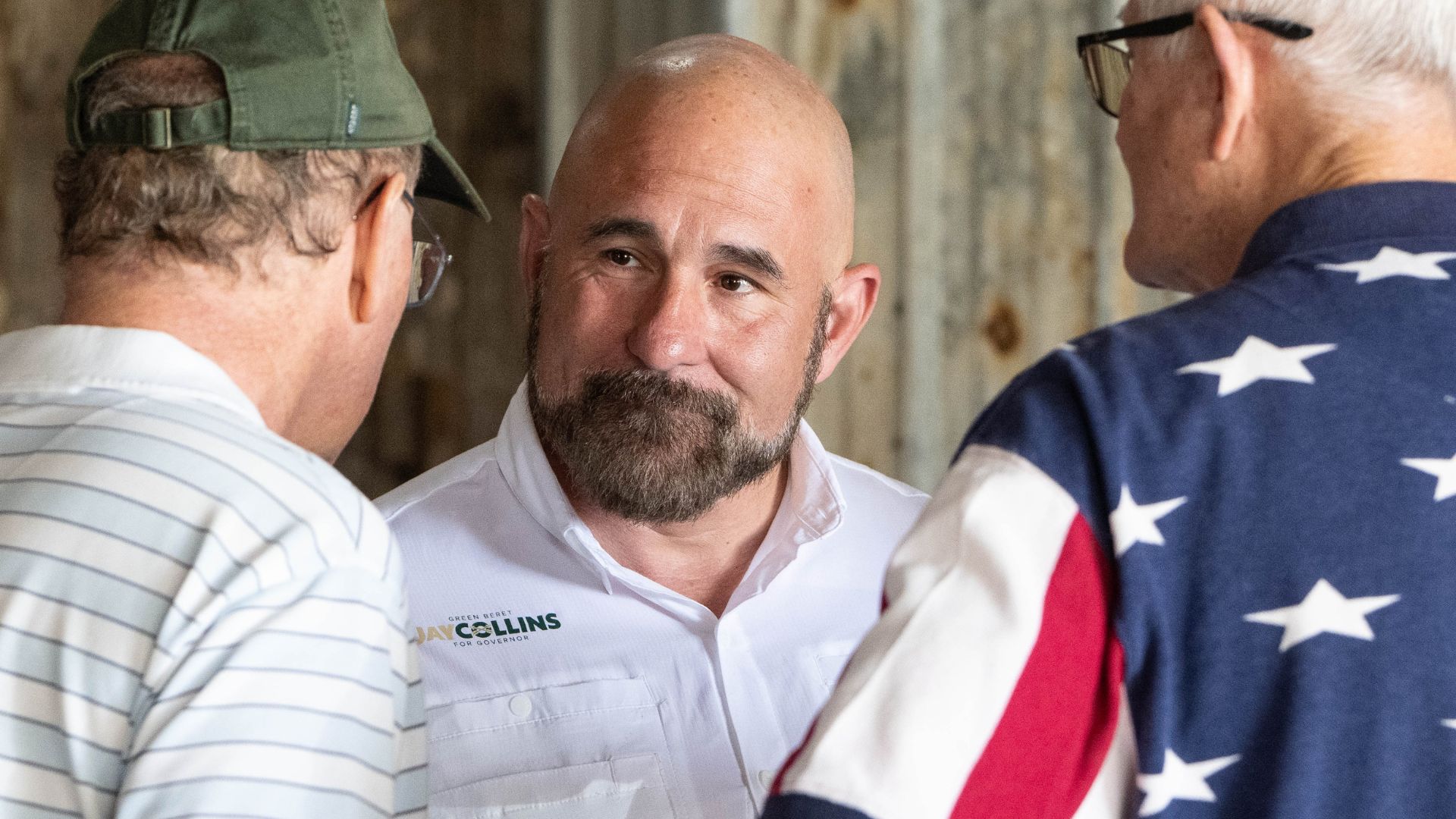
Donalds was the only candidate to meet the marks, while Lt. Gov. Jay Collins, businessman James Fishback, and former House Speaker Paul Renner fell short.
That decision changed the tone of the race almost overnight. Instead of a multi-candidate showdown, the party moved toward individual appearances or other non-debate formats.
For the challengers, it looked less like order and more like protection. For DeSantis, it looked like a mistake.
“The chairman of the party should not be insulting the intelligence of Republican voters. A debate was promised and these ridiculous criteria are being used to renege on that promise and to engineer a preferred outcome,” DeSantis wrote in a June 13 post shared on social media.
“Why not just take 90 minutes, find a tv partner, and let the candidates mix it up? The only reason why you wouldn’t is if the party hierarchy is serving outside interests instead of the best interests of the voters.”
The chairman of the party should not be insulting the intelligence of Republican voters. A debate was promised and these ridiculous criteria are being used to renege on that promise and to engineer a preferred outcome.
Why not just take 90 minutes, find a tv partner, and let… https://t.co/KyuWYzA65Z
— Ron DeSantis (@RonDeSantis) June 13, 2026
Read also: GOP underdog candidate wants to go far beyond DeSantis and ban abortion as murder in Florida
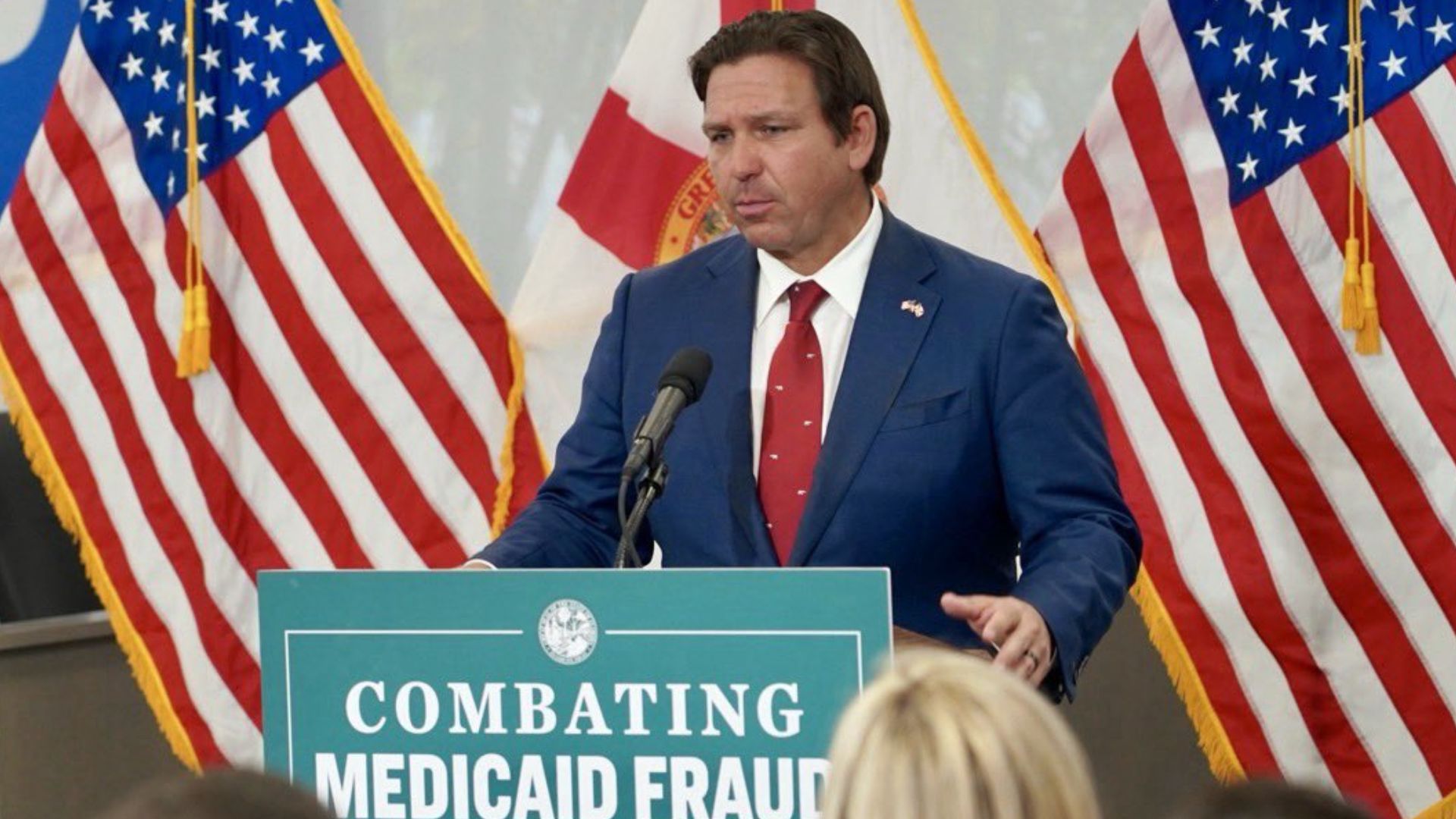
His public warning did not stop there. At a West Palm Beach event focused on Medicaid fraud, DeSantis was asked about the debate dispute and made clear he believed the candidates should be placed on the same stage.
“Yeah, there should be a debate,” he said, adding that he did not believe the RPOF had publicly laid out or formally voted on the criteria. He also said he would not have qualified under similar rules when he first ran for governor in 2018.
Governor Ron DeSantis says Florida deserves a debate.
He's right.
The next Governor should be chosen by Florida voters after hearing from the candidates, not through a process that limits voter choice.
Any stage. Any moderator. Any time.https://t.co/2dueXFEkUr… pic.twitter.com/nRZJLaGzJa
— Jay Collins (@JayCollinsFL) June 15, 2026
That comparison landed hard because DeSantis’s own rise in Florida politics began as an outsider climb. In 2018, he entered a competitive Republican primary and built momentum before narrowly winning the general election. Four years later, he won re-election by a landslide and helped turn Florida into one of the strongest Republican states in the country. Now, with his successor being chosen, he is arguing that voters deserve the same kind of open contest that helped launch his own governorship.
The governor framed the issue as larger than one debate night. He said trying to “engineer an outcome” is counterproductive because Republicans will need a coalition of voters, especially in a national political environment that he suggested could become difficult for the party.
“Having an open process and having people be able to have their say is always better than to try to engineer an outcome,” he said.
The controversy has given the trailing candidates fresh energy. Collins has publicly challenged Donalds to debate him. Fishback has used public pressure tactics, including protests outside Donalds events. Renner has questioned whether party leaders are using tactics he says Republicans usually condemn when Democrats do them.
For the RPOF, the argument is that official party debates should be reserved for serious contenders with broad support and real campaign strength. But the backlash shows the risk of that approach in a primary where many voters are still undecided and the Republican nomination may effectively decide the next governor.
DeSantis’s intervention has turned a procedural fight into a test of party trust. Florida Republicans have spent years celebrating their strength, discipline, and electoral machine.
But this fight has exposed a divide inside that machine, between those who want the party to narrow the field and those who believe the voters should see the candidates tested in public, without filters, before the final choice is made.


