
Florida Rep. Kathy Castor unveils bipartisan effort to keep data center expenses off consumer utility bills
Tampa, Florida – A bipartisan group of lawmakers has introduced new legislation designed to protect American households and small businesses from potentially higher electricity costs linked to the rapid growth of data centers and artificial intelligence infrastructure.
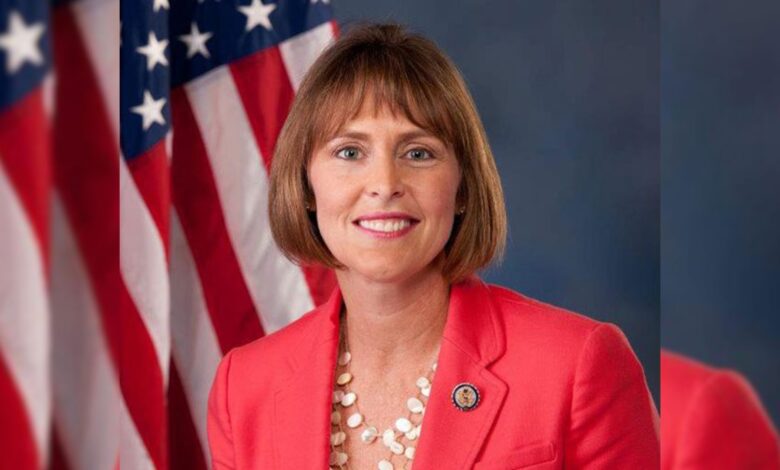
Congresswoman Kathy Castor of Florida and Congressman Gabe Evans of Colorado recently unveiled the Ratepayer Protection Act, a proposal aimed at ensuring that large technology companies bear the costs associated with the energy demands of major data center projects rather than passing those expenses on to everyday consumers.
Supporters of the bill say the measure addresses growing concerns that the expansion of data centers could place significant pressure on electric grids across the country, leading to expensive infrastructure upgrades that may ultimately be reflected in monthly utility bills.
The legislation focuses on large-load customers, such as data centers, that require substantial amounts of electricity to operate. These facilities often need additional power generation, transmission lines, substations, and other infrastructure improvements to meet their energy demands.
Lawmakers seek to shield consumers from rising costs
Under the proposed legislation, state utility regulators would be required to establish rules designed to prevent households and local businesses from absorbing the costs of new infrastructure needed to serve large-load customers.
According to lawmakers, without proper protections, communities experiencing significant data center development could face increased electricity costs even though the upgrades are being driven by the needs of large corporations.
“My neighbors across Florida are grappling with skyrocketing electric bills. Ratepayers should not have to subsidize wealthy corporations’ growing energy demands, especially from AI data centers,” said Rep. Castor. “The Ratepayer Protection Act safeguards consumers by ensuring these data centers pay for the energy and grid upgrades they need so hardworking families and local businesses are not stuck paying more.”
The proposal comes as artificial intelligence technology continues to expand rapidly, creating increased demand for data processing facilities that consume enormous amounts of electricity.
Supporters argue that while innovation should continue, consumers should not be left responsible for funding infrastructure projects that primarily benefit large private companies.
Read also: Senator Ashley Moody receives national recognition for outstanding constituent service to Floridians
Congressman Evans emphasized that maintaining America’s leadership in artificial intelligence remains important but said the costs associated with that growth should be distributed fairly.
“As America races to lead the world in AI, we must build the energy infrastructure needed to support this innovation and stay ahead of competitors like Communist China,” said Rep. Evans. “But Colorado families, farmers, and small businesses should not be forced to cover the costs of new power generation driven by these developments. The Ratepayer Protection Act is a bipartisan, commonsense solution that protects everyday Americans and ensures our nation can continue to win the AI race.”
New standards proposed for major power users
If enacted, the legislation would establish recommended standards for state regulators when evaluating requests from new customers requiring 100 megawatts or more of electricity.
One key provision would require large-load customers to cover the full incremental costs of infrastructure upgrades over an extended period through special charges or other financial agreements. Supporters say this would protect utilities and ratepayers if a major customer later reduces operations or leaves the area altogether.
The bill would also require financial assurances from large-load customers to ensure they pay for any new generation facilities, transmission infrastructure, or other improvements needed to serve their operations.
According to lawmakers, these safeguards would help ensure that the fixed costs associated with serving massive energy users remain the responsibility of those customers rather than being transferred to residential consumers and local businesses through higher electric bills.
The proposal builds on Castor’s earlier efforts involving the Stopping Hikes In Electricity from Large Load Demands Act, known as the SHIELD Act, which she introduced earlier this year alongside Congressman Mike Levin of California.
Supporters say the new legislation offers states practical tools to encourage economic development and technological innovation while protecting families from unexpected utility costs. As data center construction accelerates nationwide and electricity demand continues to rise, lawmakers behind the bill argue that strong consumer protections will become increasingly important for communities hosting these large-scale projects.


