Ron DeSantis signs five tough-on-crime bills as Florida expands protections for police and increases penalties for violent offenders
Florida – Florida is moving further toward a tougher law-and-order approach after Governor Ron DeSantis signed five new public safety bills that increase penalties for violent criminals, strengthen protections for police officers, target dangerous drugs, and expand the tools available to law enforcement agencies across the state.
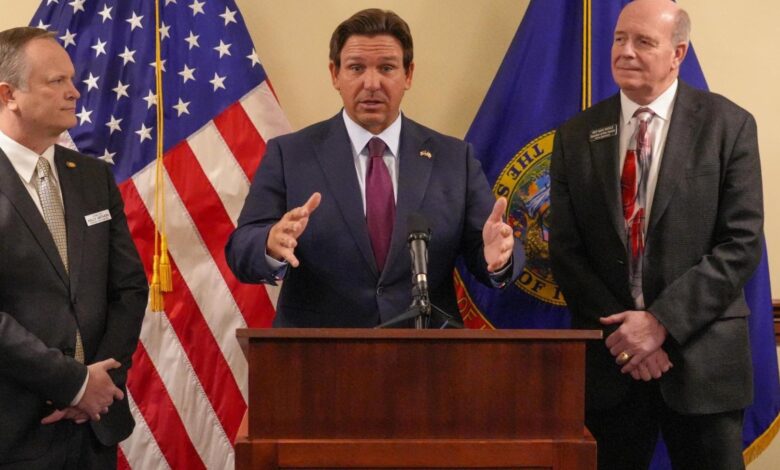
The legislation was signed during a news conference at the Winter Haven Police Department in Polk County, where state leaders framed the package as another step in Florida’s effort to keep crime low while giving police and prosecutors greater authority to pursue repeat offenders and organized criminal activity.
The new measures touch several areas of public safety at once. They focus on violent repeat offenders, gang activity, drug trafficking, offender monitoring, and crimes committed against law enforcement officers. Supporters argue the laws will help prevent crime before it occurs while ensuring that serious offenders face stronger consequences when they break the law.
“Today, I was proud to sign five bills to enhance public safety and support law enforcement,” DeSantis said. “These bills crack down on dangerous drugs, strengthen oversight of repeat offenders, disrupt criminal gangs, support law enforcement, and ensure that violent criminals face serious consequences. Florida is the law and order state, and our commitment to holding criminals accountable and keeping our streets safe forms the foundation for our state’s continued success.”
The governor highlighted the legislation as part of a broader public safety agenda that has been a major focus throughout his time in office. Florida has previously enacted laws preventing local governments from defunding police departments, increased penalties for crimes against officers, boosted law enforcement pay, and provided thousands of recruitment bonuses aimed at attracting officers from around the country.
Read also: Senator Ashley Moody receives national recognition for outstanding constituent service to Floridians
State officials also pointed to crime statistics that show Florida has reached a 50-year low in crime during DeSantis’ administration, arguing that tougher criminal penalties and support for law enforcement have contributed to that trend.
New penalties for drugs, gangs and repeat offenders
Among the most significant measures is Senate Bill 432, which targets several dangerous substances that officials say have become growing concerns.
The legislation establishes trafficking penalties for xylazine, commonly known on the street as “tranq.” The animal sedative has increasingly appeared mixed with illegal drugs such as fentanyl, creating serious health risks for users. Under the new law, manufacturing, selling, or delivering the drug can result in severe felony charges.
The bill also includes provisions known as Meg’s Law, named in honor of a young woman whose life was affected by nitrous oxide addiction. The law makes the unauthorized sale or possession of nitrous oxide, often referred to as “whip-its,” a third-degree felony except in approved commercial situations.
Another key measure, House Bill 429, updates Florida’s gang laws to reflect the realities of modern communication. Prosecutors will now be able to use online admissions, social media activity, and other digital evidence when attempting to establish gang involvement during criminal cases. Supporters say gangs increasingly operate and recruit through online platforms, making older standards outdated.
Senate Bill 1332 focuses on repeat offenders by strengthening Florida’s Career Offender Registration Act. The legislation requires in-person registration, increases reporting obligations, and improves information sharing between law enforcement agencies. Officials believe those changes will make it easier to track high-risk offenders and respond when individuals fail to comply with registration requirements.
Expanded protections for law enforcement
Several of the new laws place special emphasis on protecting police officers.
Senate Bill 156, known as the “Officer Jason Raynor Act,” honors the Daytona Beach officer who was fatally shot in the line of duty in 2021. The legislation increases penalties for violent crimes committed against officers and allows individuals convicted of manslaughter in the death of a law enforcement officer to face life imprisonment.
Another measure, Senate Bill 436, increases penalties for repeat violent offenders. The law upgrades a second battery offense to a felony under certain circumstances involving previous violent conduct against officers. It also creates stronger consequences for individuals who commit violent crimes after being released from prison.
Attorney General James Uthmeier praised the legislation and argued that the new tools will help prosecutors continue reducing crime throughout the state.
“Keeping dangerous predators and drugs away from our kids is common sense, and Florida leads the nation in passing common-sense policies,” said Attorney General James Uthmeier. “Thanks to Governor DeSantis and the Florida Legislature for providing our prosecutors with the tools they need to push our historic crime lows down even further and keep Florida the best state in the nation to raise a family.”
Florida Department of Law Enforcement Commissioner Mark Glass also applauded the package.
“The bills signed today send a clear message, Governor DeSantis, the Cabinet, and legislators stand firmly in protecting the great state of Florida,” he said. “These new laws will strengthen our state, give law enforcement additional tools they need to confront criminals, and ensure the safety of our citizens and the millions of visitors who rely on Florida to remain a secure place to live, work, and travel.”
The signing ceremony marks another major step in Florida’s public safety strategy. While supporters view the legislation as a necessary response to violent crime, drug trafficking, and gang activity, the laws also underscore DeSantis’ continued commitment to a tough-on-crime agenda that has become a defining part of his administration.
The governor indicated that more bills are expected to reach his desk in the coming weeks, including the state budget. For now, however, the focus remains on the newly signed package and the message state leaders say it sends: Florida intends to continue expanding law enforcement powers while increasing penalties for those who commit violent crimes.